
The heaviest battery-electric vehicle most Americans will ever share a road with is a semi, around 82,000 pounds fully loaded, and building chargers for those is still very much a work in progress. Australia’s iron ore country plays in a different weight class. Out in the Pilbara, mining company Fortescue is fitting batteries to a haul truck whose payload alone outweighs six of those semis, and it built a 6-megawatt charger to feed it.
The past few weeks turned the program from renderings into hardware you can kick. In May, the first Liebherr T 264 haul truck received the production version of Fortescue’s battery system at a proving ground in Virginia, and days later the company started commissioning its first 6 MW fast charger. Then in July, CEO Dino Otranto flew to China and test drove some of the supporting cast himself: a battery-powered wheel loader and a 150-metric-ton electric water truck, with electric dozers and graders sitting right next to them.
The target behind all of it is blunt. Fortescue wants diesel gone from its Pilbara iron ore operations by 2030, and it is spending billions of very real dollars to get there.
A 240-ton truck needs a 6-megawatt plug
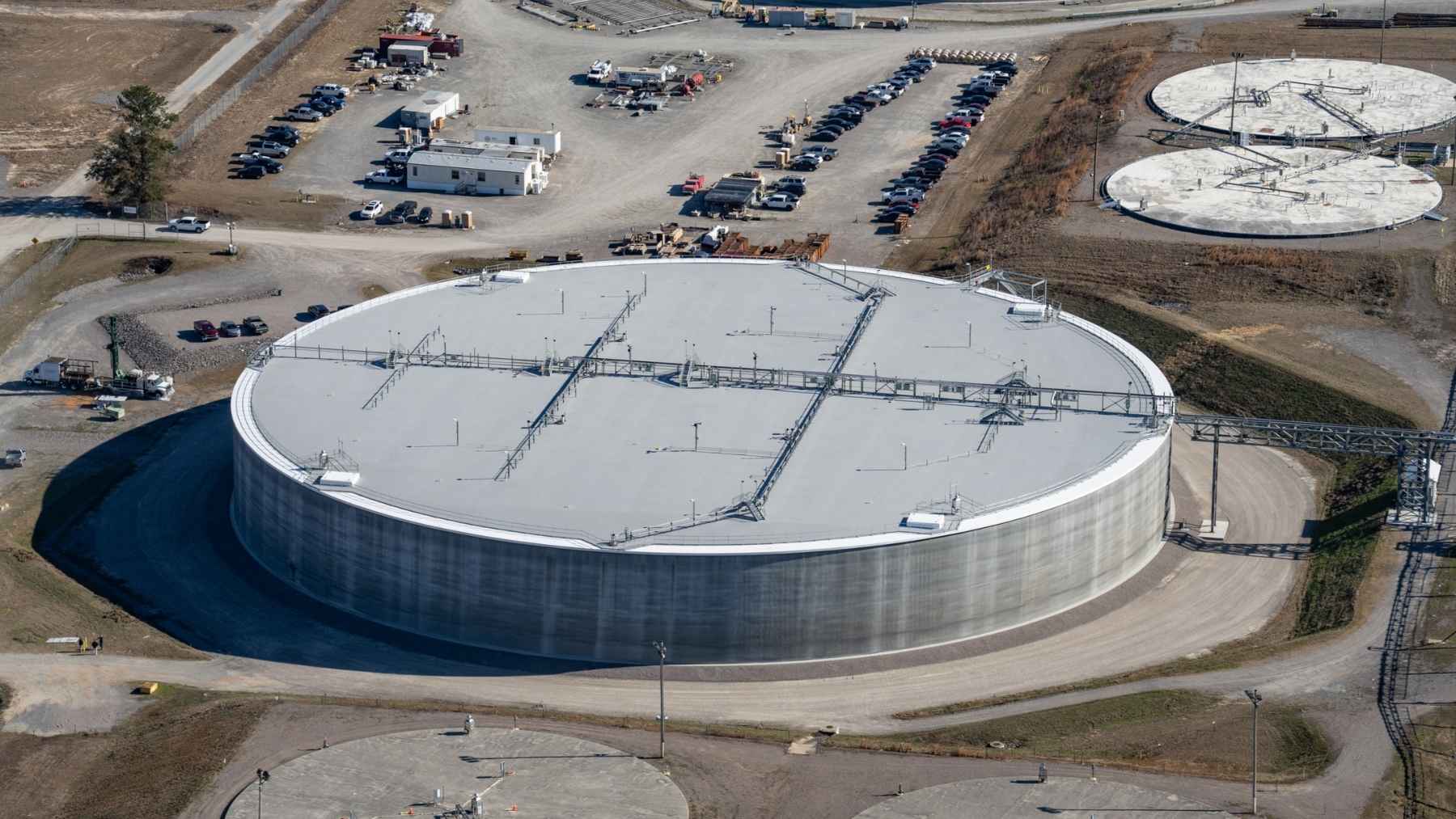
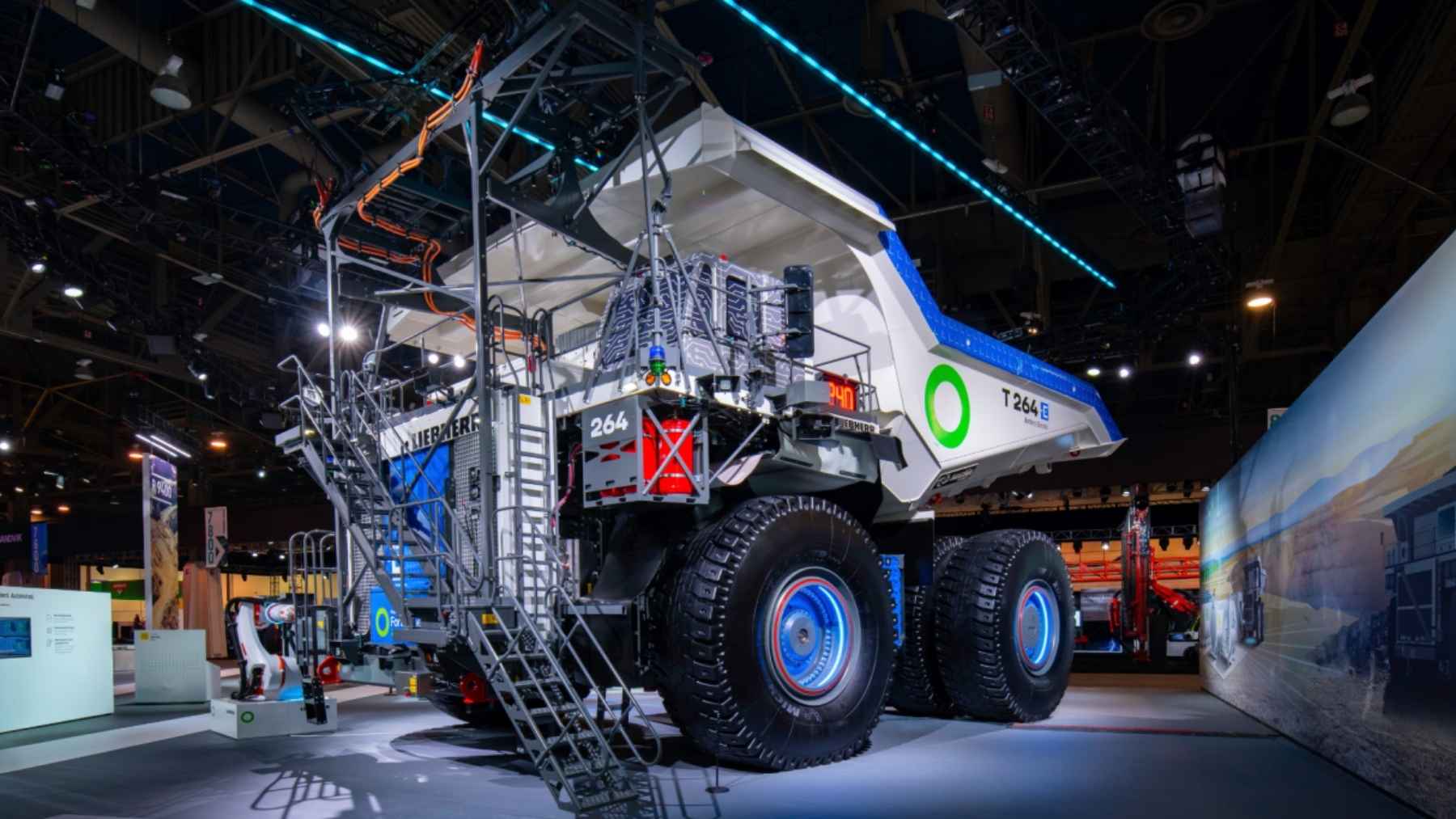
The Liebherr T 264 is a 240-metric-ton-class hauler, about 265 US tons of payload, built at Liebherr’s plant in Newport News, Virginia. The battery pack going into Fortescue’s version is rated at 2.6 megawatt-hours, according to The Driven. That is more than 30 long-range EVs’ worth of energy riding around in one chassis.
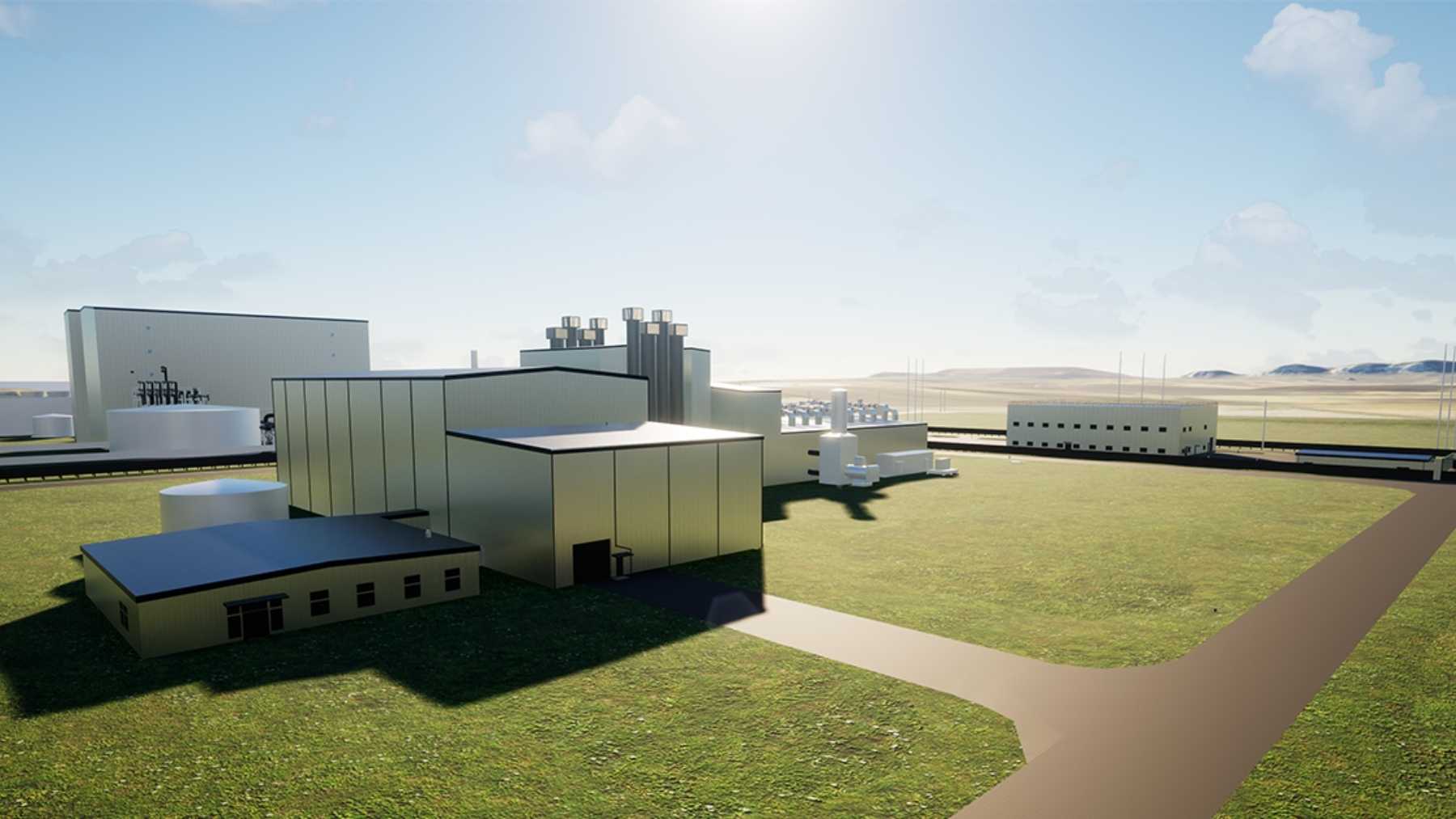
Refilling that on normal infrastructure would eat the whole shift, so Fortescue built its own. The company says the new 6 MW unit can charge a haul truck in about 30 minutes, and calls it the largest DC charger on the market for output power and voltage. A Tesla V3 Supercharger peaks at 250 kilowatts. This is two dozen of those pointed at a single vehicle.
There is no driver to handle the cable, either. These trucks are designed to run autonomously, so the chargers come with robotic connection options, including arms from KUKA, that plug the truck in on their own. The truck drives itself to the pad, and a robot does the rest.
One thing Fortescue is skipping: pantographs. Some electric mining setups sip power from overhead lines, and the first fitted truck was even photographed wearing one for tests on Liebherr’s trolley line. Warren Harris, Fortescue’s director of group project delivery, told skeptics on LinkedIn that the company is going with bigger batteries and the 6 MW plugs instead.
The first one came together in Virginia
The battery milestone happened about as far from the Pilbara as geography allows. International Mining reports that a T 264 at Liebherr’s proving grounds near the Newport News factory became the first truck integrated with the production Fortescue Zero power system. Harris said the milestone shows “the technology is here, and it’s getting closer to operations.”
The next step is converting one of the 100-plus diesel-electric T 264s Fortescue already runs in Australia. The company expects its first battery truck to be hauling ore before the end of 2026, with the unit destined for the Pilbara currently being fitted out in Perth.
None of this appeared out of nowhere. Liebherr delivered the first diesel T 264 to Fortescue’s Eliwana mine back in October 2023, and Otranto said at the time that battery-electric production trucks should reach the Pilbara in 2026. Companies blow through deadlines like that constantly. So far, this one is holding.
The CEO flew to China to test drive a water truck
Haul trucks get the headlines, but a mine runs on a whole cast of machinery, and that is where XCMG comes in. Fortescue placed an order with the Chinese manufacturer that Electrek puts at more than $400 million, covering battery versions of the machines that keep a pit running.
Otranto visited XCMG in July and drove the prototypes personally, including that 150-metric-ton water truck that keeps dust down on haul roads. “They do exist … and they are very smooth,” he wrote in a LinkedIn post reported by The Driven.
XCMG shared one spec worth sitting up for. Its battery-electric grader carries a 528.6 kWh lithium iron phosphate pack, takes dual-gun fast charging, and runs up to 8 hours on a charge. That is six long-range EVs’ worth of battery in the machine that flattens the road, and the grader is one of the small ones here.
Fortescue says the first XCMG units reach the Pilbara later this year for site testing, with the full rollout running through 2027. The company is sourcing its giant electric haul trucks from both Liebherr and XCMG, per The Driven.
The fuel bill does the convincing
The Liebherr side is anchored by a deal signed in 2024 worth up to $2.8 billion, the largest in Liebherr’s 75-year history. It covers 475 machines, roughly 360 autonomous battery-electric T 264s plus 55 electric excavators and 60 electric dozers, which amounts to about two thirds of Fortescue’s current mining fleet.
Some savings are already banked. Fortescue operates 16 electric excavators, each of which the company says avoids about 1 million liters of diesel a year, roughly 264,000 gallons per machine, and around half of its 70-strong excavator fleet should be electric by the end of 2026. The plug is spreading through the biggest digging machines industry-wide, the same shift that put an electric drivetrain in the largest excavator Komatsu makes.
Electrek reports the company is already seeing $300 million to $400 million in annual fuel savings, with the truck fleet still to come.
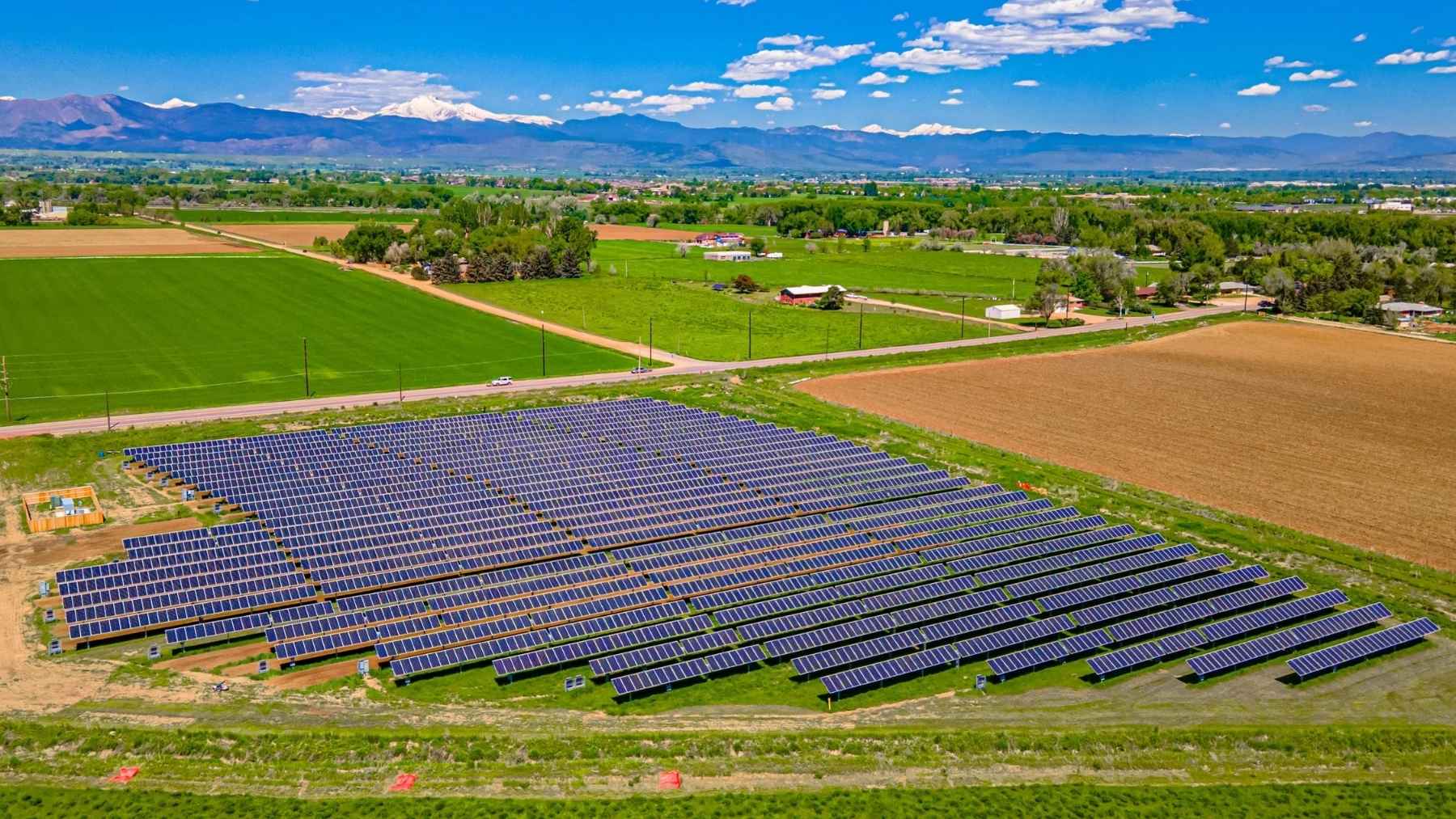
Powering all of it takes a grid, so Fortescue is building one of those too. More than a gigawatt of solar is under construction alongside the company’s first wind farms and a 650 megawatt-hour battery, with the goal of a fully renewable supply by 2028.
There is also a policy fight humming underneath. Australia refunds miners the fuel excise on off-road diesel, which softens the math on switching, and The Driven reports Fortescue has been urging the federal government to cap those rebates. Having already made the bet, Fortescue would naturally prefer rules that reward it.
BHP and Rio Tinto are testing two trucks
Fortescue is not the only miner in the Pilbara with battery haulers on site. In June, BHP, Rio Tinto and Caterpillar announced a joint trial of two Cat 793 XE Early Learner battery-electric trucks at BHP’s Jimblebar iron ore mine, three months into on-site testing after validation runs in Arizona.
Caterpillar has been at this a while. It demonstrated its first battery 793 prototype in November 2022 and has since built seven Early Learner trucks at its Tucson proving ground, two of which are now working Jimblebar. The 793 XE program is explicitly a trial at this stage: two trucks in the dirt and a great deal of data logging.
So the difference is not who has the technology. It is what each side has committed to. Fortescue has hundreds of trucks on order, its own battery systems, its own chargers, its own grid under construction, and a 2030 deadline it repeats at every opportunity. Everyone else in the neighborhood is still gathering data, and this is quite a neighborhood: the region already runs some of the most automated heavy equipment on Earth, like the driverless drill rigs that have been working the Pilbara for a decade.
What is left is the unglamorous part. The converted diesel trucks roll out over several years, and the XCMG machines still have to survive site testing in some of the hottest, dustiest conditions in mining. Company schedules are company schedules, and iron ore country has humbled plenty of them.
The hardware is past the rendering stage, though. Fortescue says its first battery truck hauls ore before the year is out, and it has 2.8 billion very specific reasons to make that true.