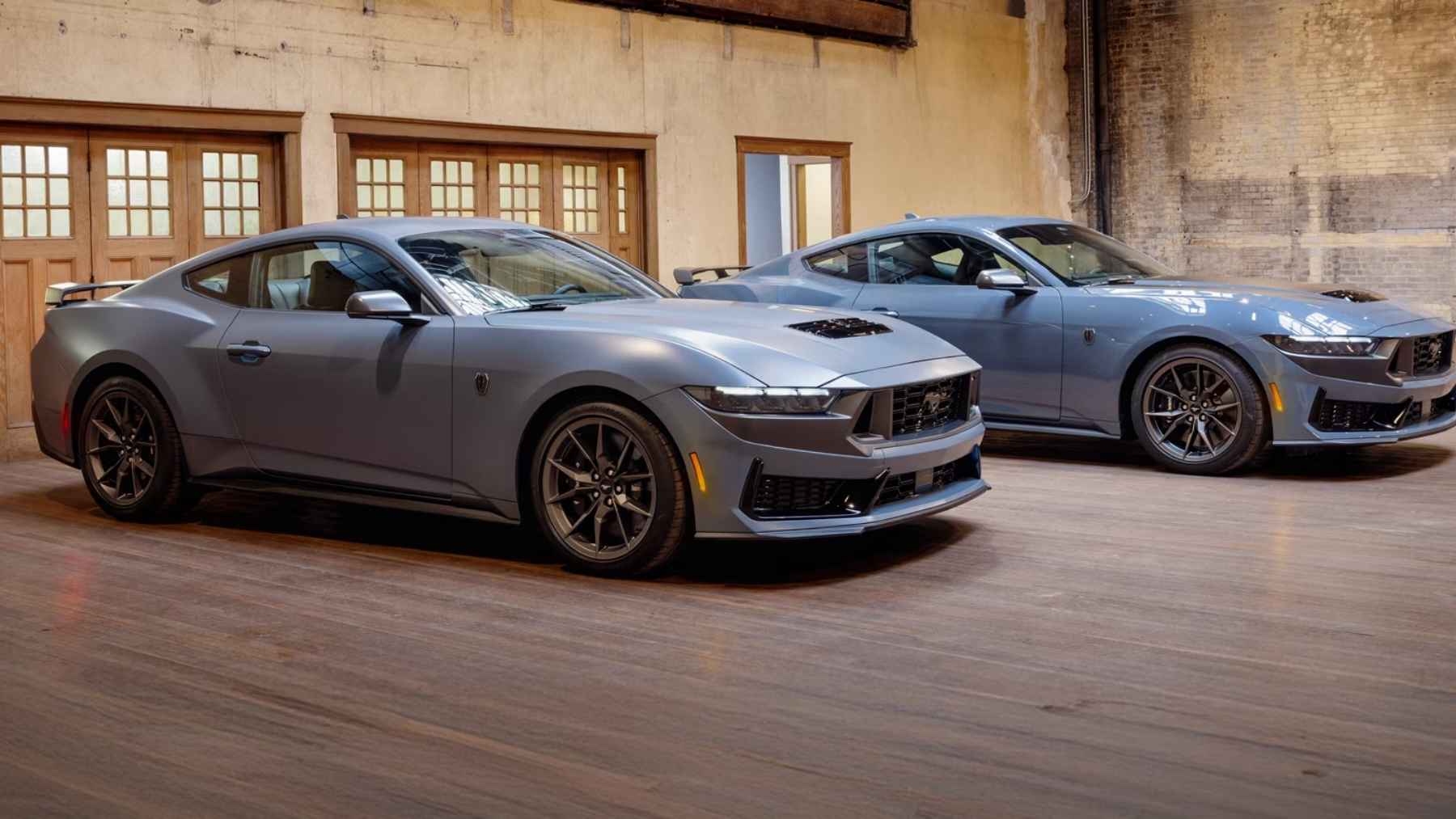

The Ford Mustang gets a lot of flak in the car community. There’s the whole crowd-into-the-Cars-and-Coffee-exit thing. But there’s no denying the Mustang is a dominant force in the US, and it’s for a reason.
So far this year, more Ford Mustangs have sold than any other affordable sports car. And it’s by a lot.
Per Ford’s H1 2026 sales report, the pony car moved 28,725 units in the first half. The next-best non-premium sports car, the Toyota GR86, managed just 4,007. That’s a seven-to-one beatdown.
The Mustang even outsold the cheap-and-cheerful Mazda MX-5 Miata and the Subaru BRZ, which are left fighting over scraps. Add up every non-premium sports car in America and the Mustang still outsold the whole segment combined, something Ford says it hasn’t pulled off since 2008.
There’s a Mustang for everybody
Ford’s press release didn’t spell out exactly why the Mustang is crushing it, but it’s not hard to guess. The ‘Stang has that American muscle appeal and the power to back it up. If you want something quick that sounds incredible without stretching your budget into six figures, it’s an easy pick.
The numbers back up the momentum, too. That 28,725 is a 22% jump over the same period last year, and it gives the Mustang a staggering 59% of the entire non-premium sports car market.
A big reason is that the Mustang barely has any domestic company left. The Chevy Camaro died after 2024, the Dodge Challenger is gone, and the reborn Charger went a different direction. The Mustang is genuinely the last traditional American muscle car standing, and everyone who wants that formula now funnels toward one showroom.
The lineup is the other half of the story. There’s a Mustang at almost every price a sports car shopper might have in mind.
The 2.3-liter EcoBoost version starts at just $32,995. Some people love to joke about a non-V8 ‘Stang, but it’s a seriously capable car. My boyfriend got smoked by a modded EcoBoost on the track once. There’s less power on tap than a V8, but the four-cylinder’s lighter nose actually makes it the sharper-handling Mustang.
If you want the classic 5.0-liter Coyote V8, the GT starts at $46,800. Not cheap, but it lands under the average new-car price in the US while sounding magnificent and responding to the throttle with the kind of old-school immediacy a turbo four or an electric motor simply can’t fake.
And if money genuinely isn’t an issue, you can climb all the way to the supercharged Dark Horse SC, which starts at $106,090 and packs a 795-hp version of the 5.2-liter V8. I had some thoughts about that horsepower number when Ford revealed it.
It’s worth pointing out that this isn’t Ford flooding the market with cheap lease deals, either. The Mustang has been on a genuine tear all year, up over 50% in the first quarter alone, even as gas prices climbed and EV incentives got yanked. People are actively choosing it.
While the US largely favors SUVs, EVs, and pickups, the Mustang has kept the sports car segment alive. And thriving.
Maybe it isn’t as sensible as a Toyota RAV4. But only one of those two lets out a heart-stopping rumble on startup before an exhilarating drive to work. You’ll pay more at the pump, sure. The Mustang just makes the commute worth it, and it’ll still tear up a track on the weekend.