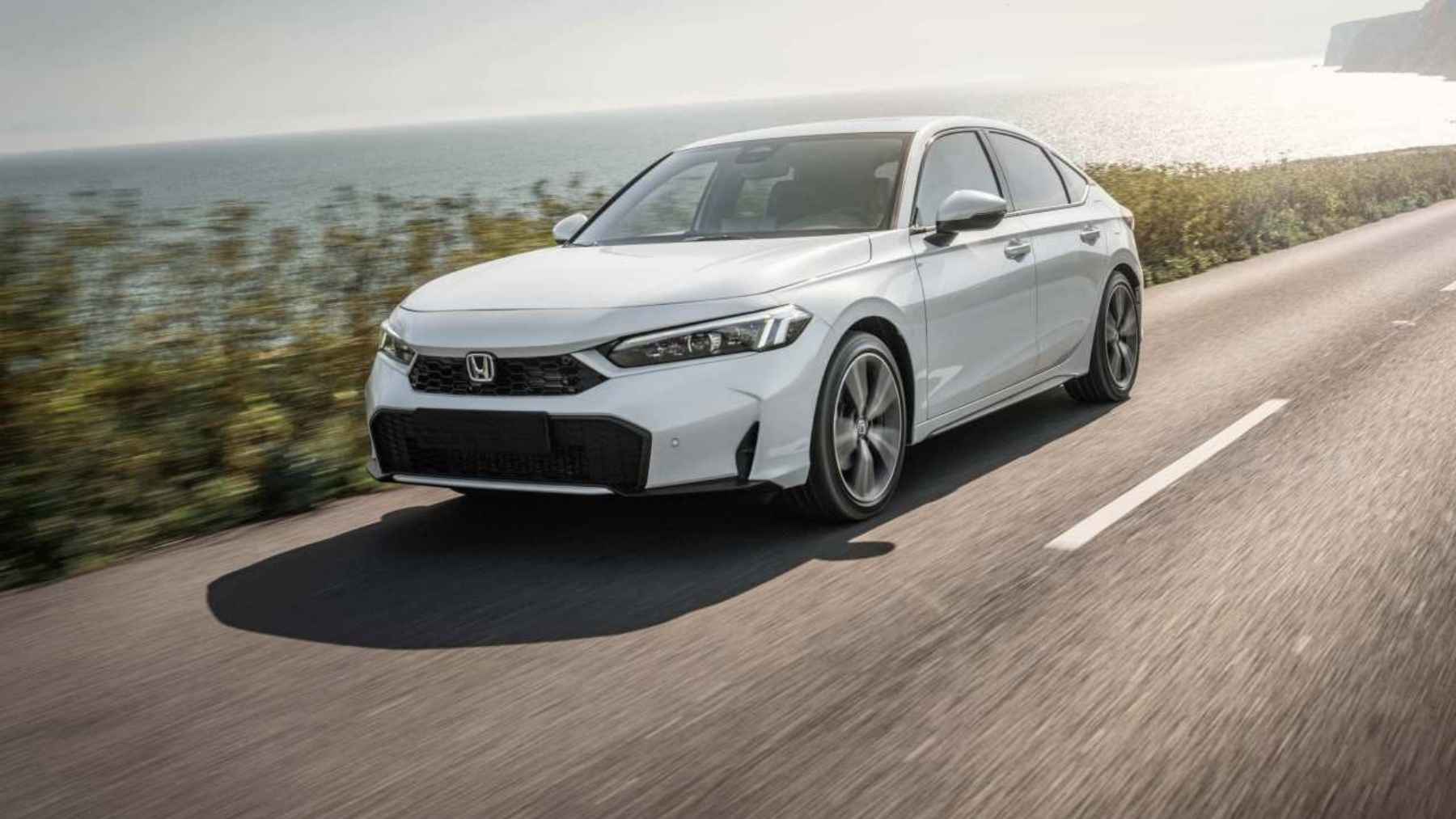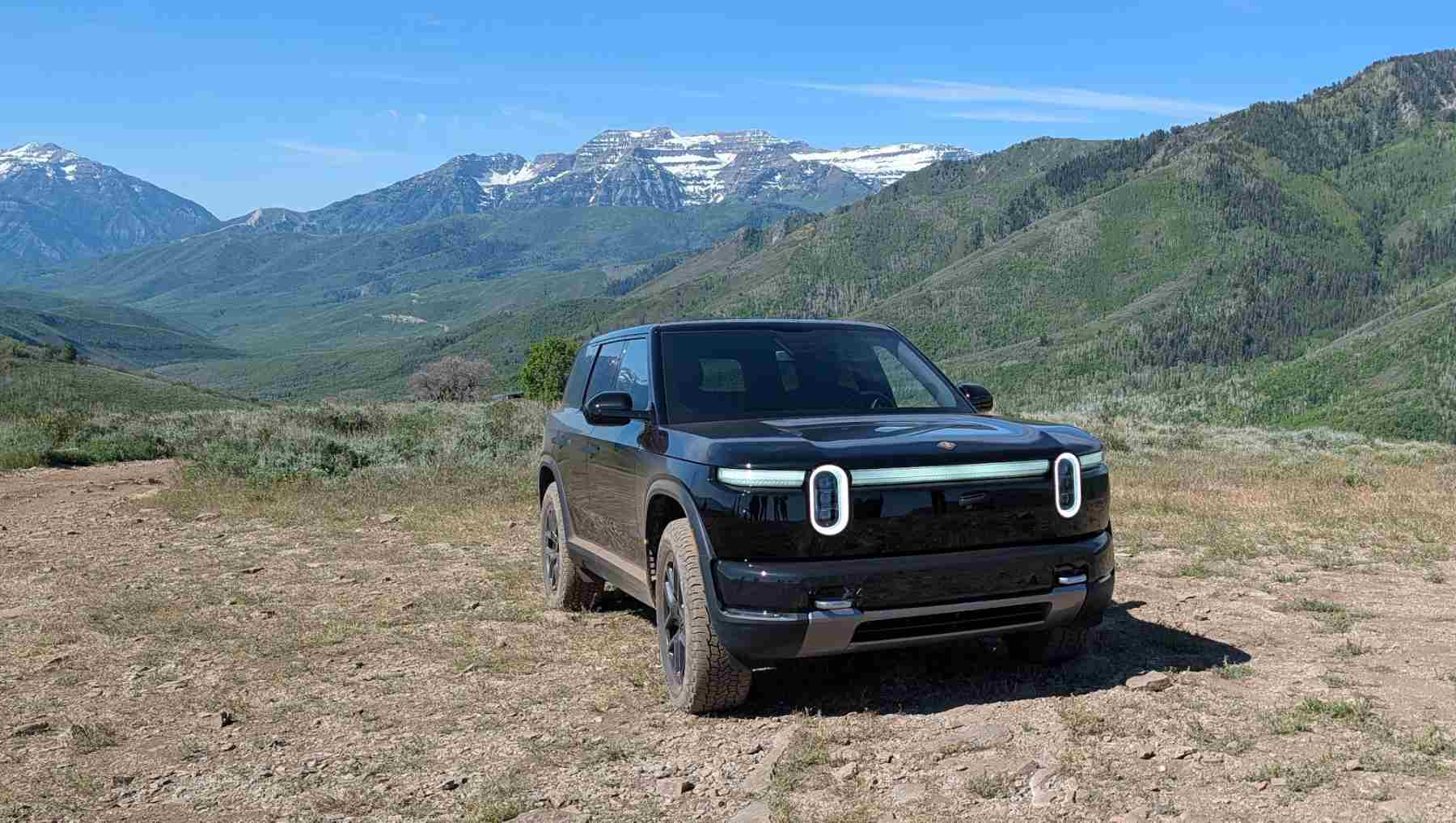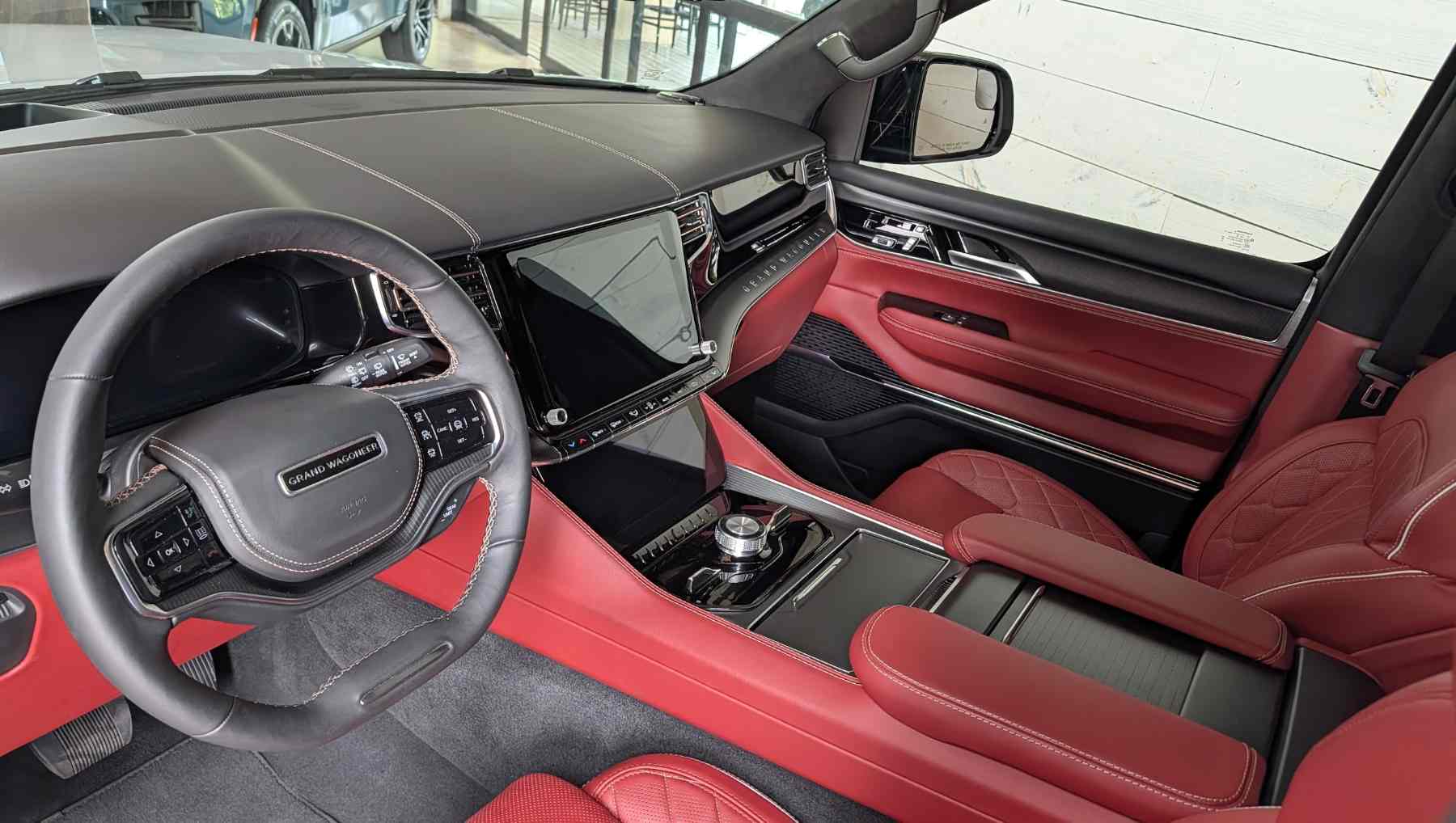

Filling up hurts more than usual right now. The national average for regular gasoline touched $4.55 a gallon over Memorial Day weekend, the highest it’s been in four years and about $1.40 more than this time last year, and with the Strait of Hormuz still closed, AAA isn’t promising relief before the summer travel season is over. So a lot of drivers are quietly asking the obvious question: how do I burn less of the stuff without buying a different car? The cheapest answer isn’t a fuel additive, a set of low-rolling-resistance tires, or a new air filter. It’s your right foot. And the reason comes down to a piece of physics that no engineer has ever managed to talk their way around.
The speed where your car stops cooperating
Every car has a window where the engine, the gearing, and the air all line up in your favor. For most gas cars that’s somewhere between 50 and 55 mph, though the exact number shifts around by vehicle. Drop below it and you’re wasting fuel keeping a low-rpm engine spinning. Climb above it and one force takes over and never lets go: aerodynamic drag.
The Department of Energy’s fueleconomy.gov puts it plainly: gas mileage drops off rapidly past 50 mph, and the agency’s rule of thumb is that every 5 mph you add above 50 is the rough equivalent of paying an extra $0.30 or so a gallon at the pump. At $4.55 gas, padding your cruise from 65 to 75 is a surcharge you’re choosing to pay, and the meter never stops running.
Drag doesn’t add up, it multiplies
Here’s the part that trips people up. You’d assume that going 25% faster costs you 25% more energy to push through the air. It doesn’t. The force the air pushes back with climbs with the square of your speed, not in step with it. The other things that decide how hard the air fights you (how dense it is, how big a hole your car punches in it, how cleanly that shape slips through) mostly stay put on a given drive. Speed is the variable you actually control, and it’s the one that gets squared.
Run a real number. Go from 60 to 75 mph and you’ve raised your speed by 25%. Square that ratio, 1.25 times 1.25, and you land at about 1.56. The aerodynamic resistance your engine has to overcome jumps by roughly 56% for a 25% bump in speed. Push harder and it gets worse, because the curve steepens the higher you climb. Since fuel economy is really just energy spent per mile, that squared penalty lands directly on your mpg. The instantaneous power your engine has to produce climbs even faster, closer to the cube of speed, which is why flooring it to pass feels like watching the fuel gauge move in real time.
Seven cars, one stubborn pattern
This isn’t theory. A Department of Energy comparison of seven tested vehicles clocked real fuel economy at a steady 55, 65, and 75 mph, and every single one got thirstier as the needle climbed. The drop from 55 to 75 ran between 20% and 30% across the board, whether the car was a frugal hybrid or a V8 SUV. The hybrid actually took the biggest hit in percentage terms, which surprises people who figure a hybrid is somehow exempt. It isn’t. A slippery, efficient car obeys the same squared math as everything else. It just starts from a better place.
AAA found the same shape coming from the other direction. Across eleven vehicles its Automotive Research Center tested in 5-mph steps, simply easing off from 65 to 60 mph gave back close to 3 mpg on average, about a 9% improvement, for doing nothing but lifting slightly off the pedal.
Automakers can shave the number, they can’t erase it
The one variable engineers can attack is the drag coefficient, the score for how cleanly a shape moves through air. They’ve gotten good at it. The slipperiest cars you can buy now sit around 0.20: the Mercedes-Benz EQS at 0.20, the Tesla Model S at 0.208, and the Lucid Air at a record-low 0.197. A typical sedan lives closer to 0.27 to 0.30, while trucks and big SUVs sit at 0.35 and up, because there’s only so aerodynamic you can make a shape that’s basically a rolling wall. That’s why a full-size pickup pays a steeper highway tax than a sedan running a similar engine.
But a lower drag coefficient only shifts the whole curve down. It doesn’t flatten it. Double your speed in the most aerodynamic car on the market and you’re still fighting roughly four times the drag you were before. A teardrop and a refrigerator answer to the same equation. The teardrop just pays less at every speed on the dial.
EVs take the worst of it on the sticker
If you drive electric, the physics doesn’t hand you a pass. It might embarrass you a little more, because of how the window sticker gets built. The EPA’s combined range number assumes you spend 55% of your miles at efficient city speeds and only 45% on the highway, and it applies an adjustment that knocks the raw lab highway result down by roughly 30%, as the agency lays out in its own range-testing explainer. Drive mostly at 75 on the interstate and you sail past every assumption that flattered that figure.
The gap shows up hard in independent testing. When an SAE analysis of Car and Driver’s road-test data stacked real-world results against the labels, more than 350 gasoline vehicles actually beat their EPA fuel-economy rating by about 4% on average. EVs went the other way, landing 12.5% worse than their sticker range. Car and Driver runs that test on a 200-mile loop along Michigan’s I-94 at a GPS-locked 75 mph with the cruise on, which is exactly the condition where drag does its dirtiest work. A Tesla Model 3 Long Range rated at 363 miles is not going to show you 363 miles at that speed, and the more battery anxiety you carry, the more that shortfall stings. It’s why every EV launch now brags about its drag coefficient, a spec gas-car press releases quietly dropped years ago.
The upgrade that costs nothing
Strip away the engineering and you’re left with the one lever that’s free. If you want to spend less at the pump without changing cars, driving fewer miles, or wiring your house for a charger, the move is to slow down. The DOE pegs the payoff at 7% to 14% better fuel economy just for trimming 5 to 10 mph off your highway cruise. On a 30-mpg car covering a highway-heavy 15,000 miles a year, roughly 500 gallons, that works out to somewhere in the neighborhood of $150 to $300 a year at today’s $4.55 gas, depending on your car and how much of your week happens at speed. And remember the mpg on the sticker already assumes you’re behaving: the combined figure on a crossover like the Chevrolet Trailblazer is a blend of city and highway, not what you’ll see holding 80 in the left lane.
It adds maybe eight minutes to a hundred-mile trip. Set the cruise at 65, leave it there when the lifted truck in your mirror wants you to move over, and let the math do its thing. The air in front of your car bills by the square of your speed, and that’s the one charge no dealership, no premium pump, and no clever aero package is ever going to cover for you.
 S DRIVER4 months ago