
Solar panels are the default way to power just about anything we leave outside, from a parking meter to a Mars rover. They are cheap, they have almost no moving parts, and they keep working right up until the Sun goes away. On the Moon, the Sun goes away for two weeks at a time, and the cold that comes with it is brutal enough to wreck most of the hardware we bother sending up there.
That two-week night is the entire reason NASA and the Department of Energy have now committed to landing a working nuclear reactor on the lunar surface by 2030. It is also why Washington suddenly cares a great deal about who gets there first.
The two agencies made it official on January 13, 2026, signing a memorandum of understanding to jointly design, fuel, and launch a fission reactor for the Moon. The goal sits inside a broader space-nuclear push the current administration has been building for months, and it carries a deadline that is roughly a decade tighter than where this program sat a couple of years ago.
The short version: America wants a nuclear power plant running through the lunar night before the end of the decade, and it wants to plant one before China and Russia plant theirs.
Solar power doesn’t survive the lunar night
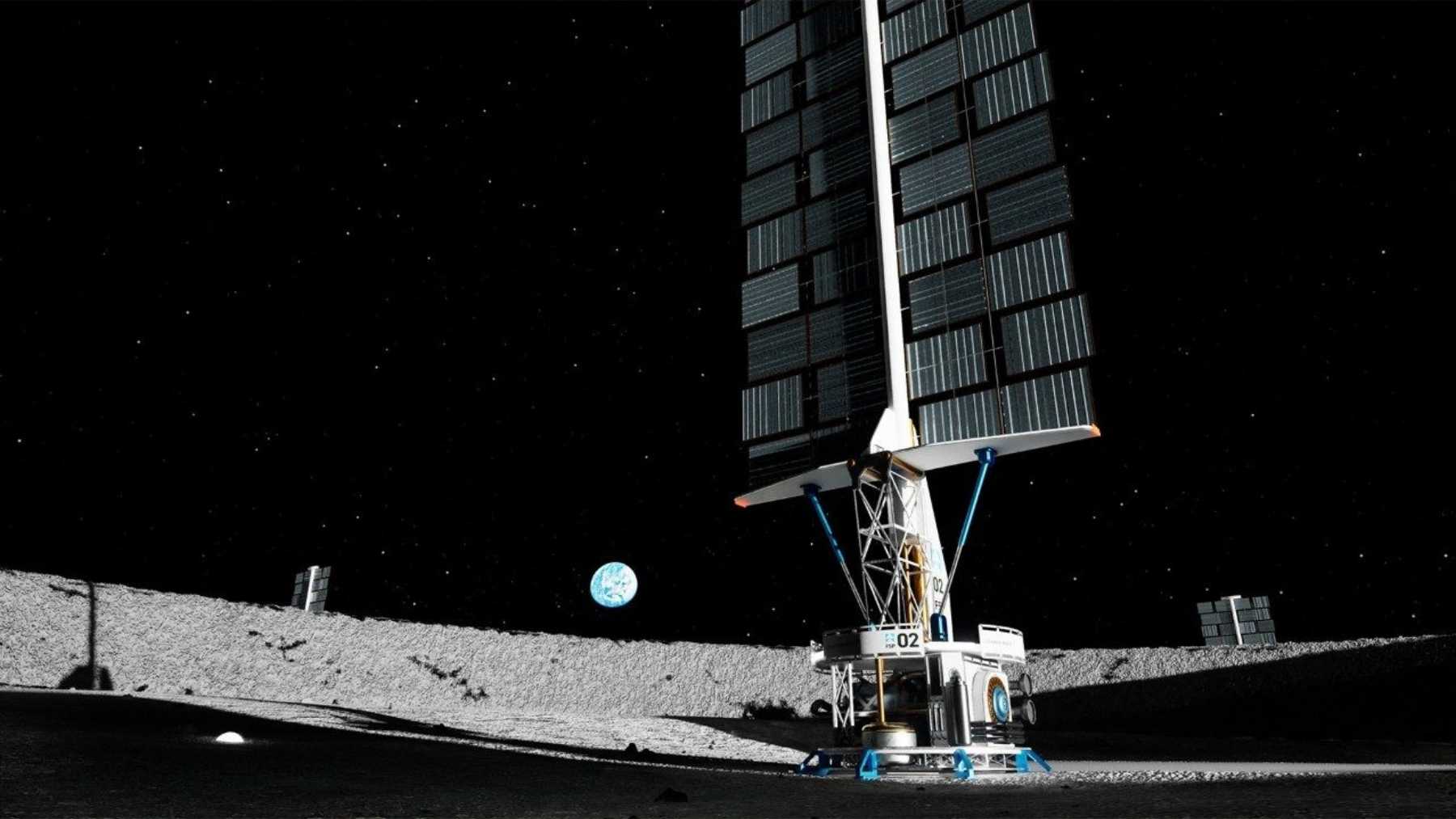
A lunar day and a lunar night each run about 14 Earth days. During that long night, a solar-only base would have to either shut down or lug around an absurd bank of batteries to limp through two weeks of darkness and deep cold. Neither option scales if you actually want people living up there.
A reactor does not care whether the Sun is up. It splits uranium, makes heat, turns the heat into electricity, and keeps doing that for years without anyone topping it off. That is the pitch, and on the Moon it is a genuinely strong one. The same basic appeal, power that just sits there and works, is why even coin-sized nuclear batteries are getting serious attention down here on Earth.
NASA has wanted this for a while. The agency first floated putting a reactor on the Moon within a decade back in 2021, and by 2024 the realistic target for getting one to a launch pad had drifted into the early 2030s. The technology itself is not new either. NASA’s earlier Kilopower project ran a successful reactor test on Earth in 2018 before wrapping up, so the physics of a small space reactor is settled. What changed recently is not the science. It is the urgency.
The deadline keeps slipping, and lately it has been slipping forward
Here is where it gets interesting, because the 2030 date did not come from NASA’s engineers. It came from the top. In a memo signed on July 31, 2025, then-acting NASA administrator Sean Duffy, who is also the Secretary of Transportation, ordered the agency to design, build, and launch a reactor putting out at least 100 kilowatts of electric power and ready to fly by the end of 2029. That is a big jump. The program had been targeting a 40-kilowatt class reactor, enough to run roughly 30 households, and Duffy’s memo set the bar at more than double the power and a heavier machine to match. A 100-kilowatt reactor is closer to powering 80 homes.
Then the politics caught up. On December 18, 2025, President Trump signed an executive order titled “Ensuring American Space Superiority” that put deploying reactors on the Moon and in orbit on the official priority list, including a lunar surface reactor ready for launch by 2030, alongside a goal of returning Americans to the Moon by 2028.
The January memorandum between NASA and the DOE is the paperwork that turns all of that into a joint program with money and responsibilities attached. The DOE handles the nuclear side, including supplying roughly 400 kilograms of high-assay low-enriched uranium fuel for ground tests and the flight reactor, according to SpaceNews. NASA runs and funds the program.
The companies betting on lunar fission
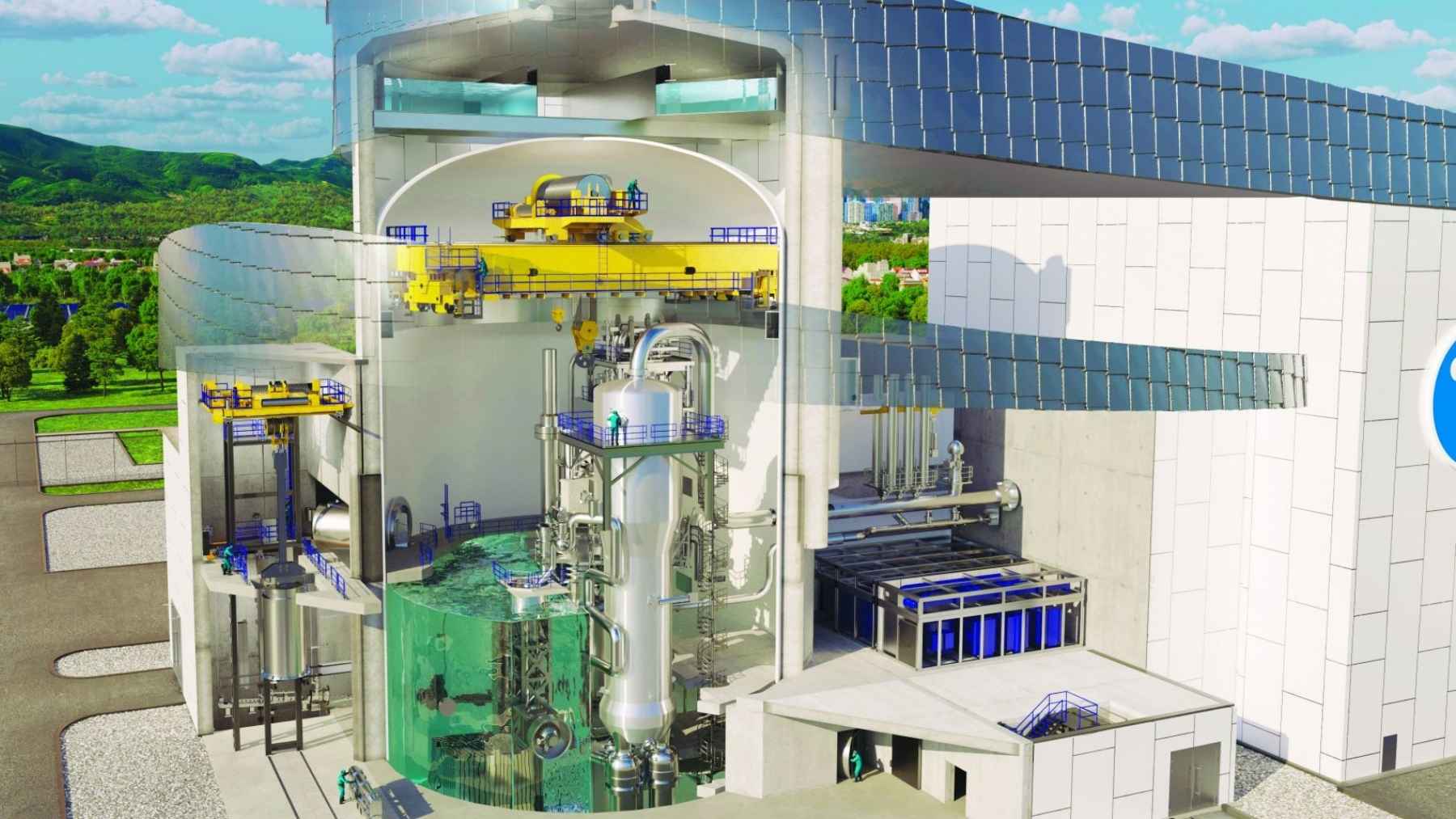
NASA is not building the reactor itself. The plan is to pick commercial teams through funded Space Act Agreements, and the field of likely bidders is already public. Westinghouse is offering a space version of its eVinci microreactor it calls AstroVinci, which the company says can be tuned anywhere from 10 to 100 kilowatts using either a Brayton or Stirling power-conversion system.
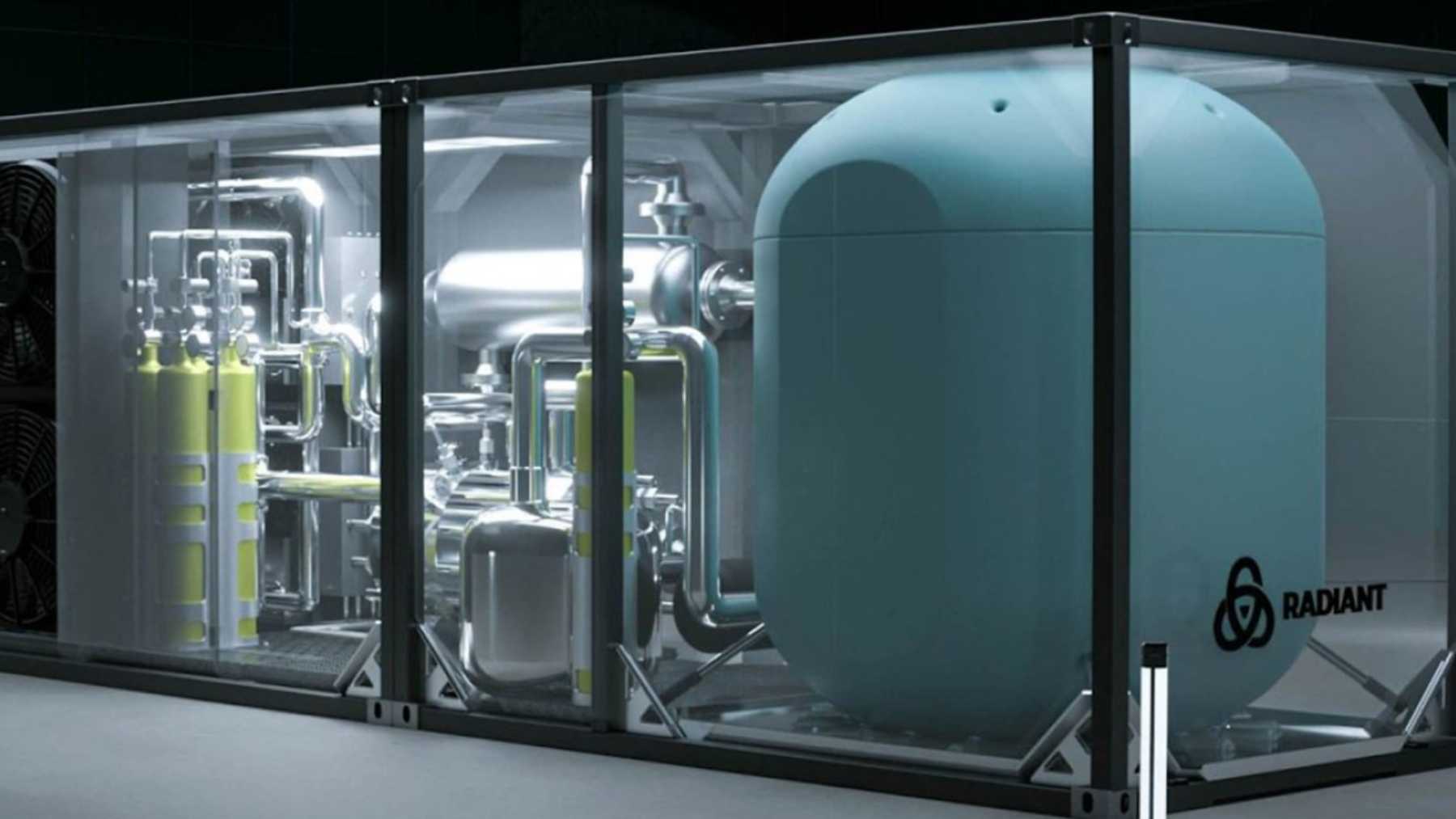
Lockheed Martin, which has held a fission surface power design contract since 2022, is leaning on decades of naval-submarine reactor work. There is also IX, a joint venture between lunar-lander outfit Intuitive Machines and reactor developer X-energy, plus newer entrants like Antares Nuclear and Radiant Industries.
Not everyone thinks the 100-kilowatt target is the smart play. Lockheed, of all people, has publicly argued that a smaller reactor makes more sense for what is actually planned on the Moon in the near term.
In the company’s own framing, a 5-to-10-kilowatt unit can run a habitat or a rover charging station, a 25-to-50-kilowatt reactor could serve several habitats at once, and jumping straight to 100 kilowatts would, in the words of Bill Pratt, Lockheed’s director of in-space infrastructure, “increase program risk and provide more power than needed” for the current plan. When one of your own contractors is gently noting the headline number looks like overkill, that is worth a pause.
NASA put out a draft solicitation, called an Announcement for Partnership Proposals, on August 29, 2025. The final request for proposals and the actual contract awards are still expected sometime in 2026, with the agency planning to fund up to two reactor developers to carry their designs forward.
The part where it gets to Mars by dropping helicopters
The lunar reactor is only half of what NASA has been talking about. The other half is nuclear propulsion, and the pitch there is genuinely wild. At a March 2026 event, NASA Administrator Jared Isaacman laid out a plan to launch a small interplanetary fission reactor called SR-1 Freedom, short for Space Reactor-1, by the end of 2028.
It is designed as a nuclear-electric propulsion system, and on its way through the solar system it would drop off three small helicopters, each in the class of the Ingenuity drone that flew on Mars, in a mission NASA is calling Skyfall. After that, SR-1 keeps going deeper into space.
This is not just a slide deck, either. According to the American Nuclear Society, NASA’s fission surface power program executive, Steve Sinacore, said hardware development for the propulsion effort is meant to begin this month, in June 2026, with spacecraft assembly and testing slated for 2028 and the launch penciled in for that December. Whether any of it holds to schedule is a separate question, and NASA’s own track record on space-nuclear timelines is not exactly spotless. But the ambition is real, and it is funded.
Why the US is racing two countries to an empty rock
So why the rush to power a place where nobody lives? Because the US is not the only one trying. In March 2024, China and Russia announced they would cooperate on a nuclear reactor for the Moon as part of their planned International Lunar Research Station, with a target window the American Nuclear Society puts between 2033 and 2035. On paper that is a few years behind the US goal. In practice, nobody has landed a working reactor on the Moon yet, so the gap is mostly a question of who actually hits their deadline.
The deeper concern is real estate. In his July memo, Duffy warned that the first country to deploy a reactor could potentially declare a “keep-out zone” around it for safety reasons, which would box everyone else out of a desirable patch of ground. The Moon’s most valuable spots, the permanently shadowed craters near the south pole that may hold water ice, are limited, and getting there first with hardware on the surface is a way of staking a practical claim without ever firing a shot.
No treaty has been broken by any of this, and no country has accused another of doing anything illegal. It is a land grab run entirely through engineering schedules.
What the paperwork actually promises
For all the deadline talk, the official documents are careful about what they commit to. As the American Nuclear Society pointed out, NASA and the DOE never quite say whether a reactor will be operating on the Moon by 2030 or merely built and waiting by then, and this program has a long history of dates that slipped.
That is par for the course with big nuclear projects; the world’s largest fusion machine only switched its first systems on after two years of rebuilding. A reactor that is ready to launch in 2029 still has to survive the trip, the landing, and a switch-on in an environment that is savage to machinery, and none of that is guaranteed by a signed memo. What the last six months changed is that the US has stopped treating lunar nuclear power as a someday project and started treating it as a race it intends to win, with a number, a deadline, and a short list of companies on the hook to deliver it.