
“Went critical” sounds like the moment in a movie where people start running down a corridor. It isn’t that. A reactor goes critical when its chain reaction begins sustaining itself, one fission reliably setting off the next, and you can reach that point while making almost no heat at all. That’s what happened out in the Nevada desert on August 24 at 10:39 in the morning.
Westinghouse says its eVinci microreactor finished zero-power criticality testing that day at the National Criticality Experiments Research Center, an NNSA facility inside the Nevada National Security Site, working with Los Alamos and Idaho National Laboratory. The company put out the announcement the next day. It didn’t make electricity. That wasn’t the point of it.
So what does a zero-power test actually prove?
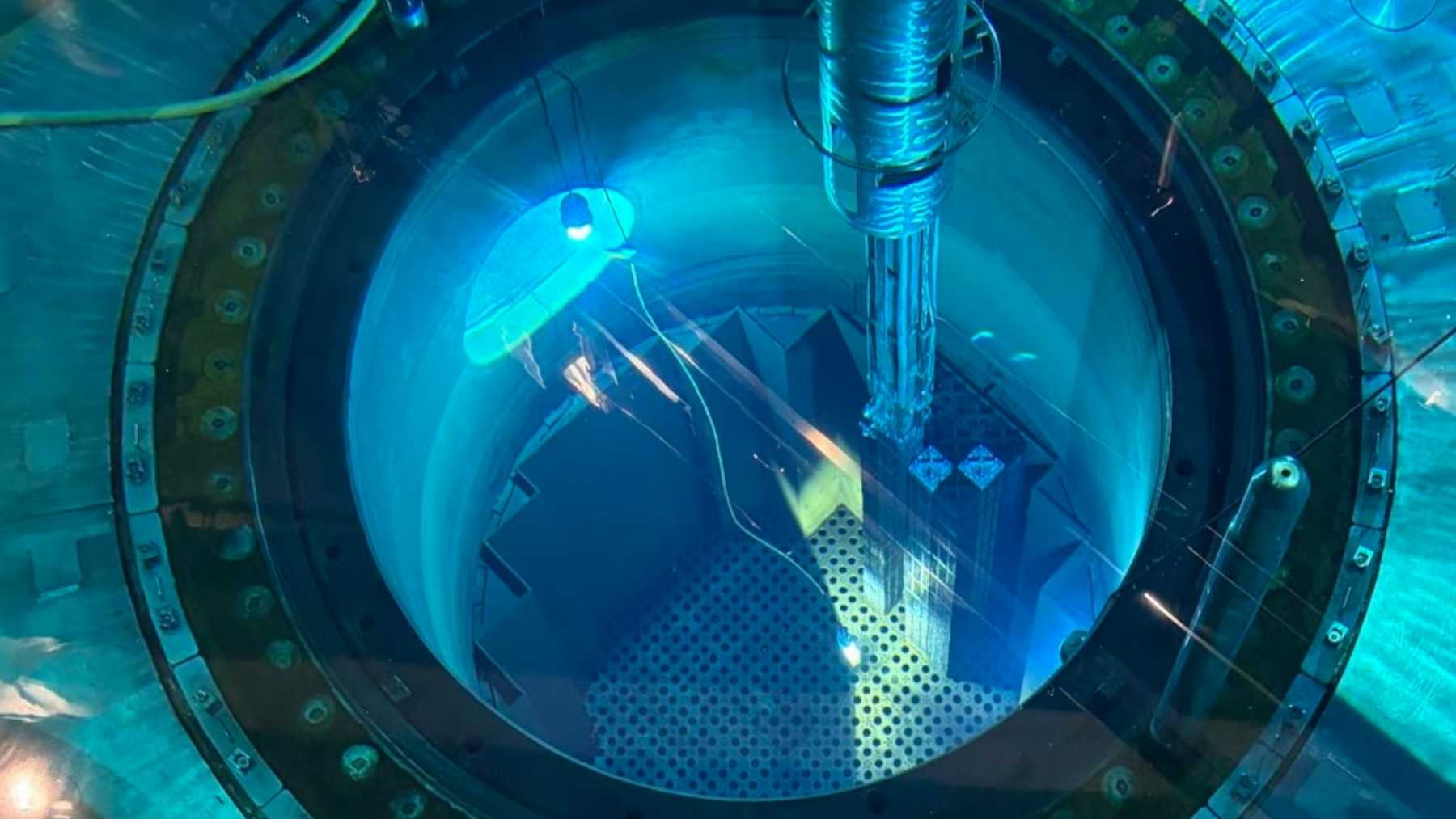
It proves the model was right about the metal. Long before anyone builds a reactor, they’ve simulated it: how much fuel the core needs to keep the reaction going, how far the control drums have to turn to move reactivity around, what the graphite does to the neutrons bouncing through it. Then you stack the real materials up in the real geometry and see whether the machine agrees with the simulation. If it doesn’t, you’d much rather find out now.
You do it at zero power because it costs you almost nothing. The four critical assembly machines at that Nevada center run at less than a watt, according to the Nevada National Security Site, against the thousands of megawatts a commercial plant pushes out. A test that small barely creates any fission products, so the radioactivity stays low and the crew can get back into the room quickly instead of waiting out a cooldown. You get the physics and you don’t have to live with a hot core afterward.
It’s frankly the least glamorous thing you can do with a new reactor design, and arguably the most useful.
The core in Nevada is smaller than the brochure
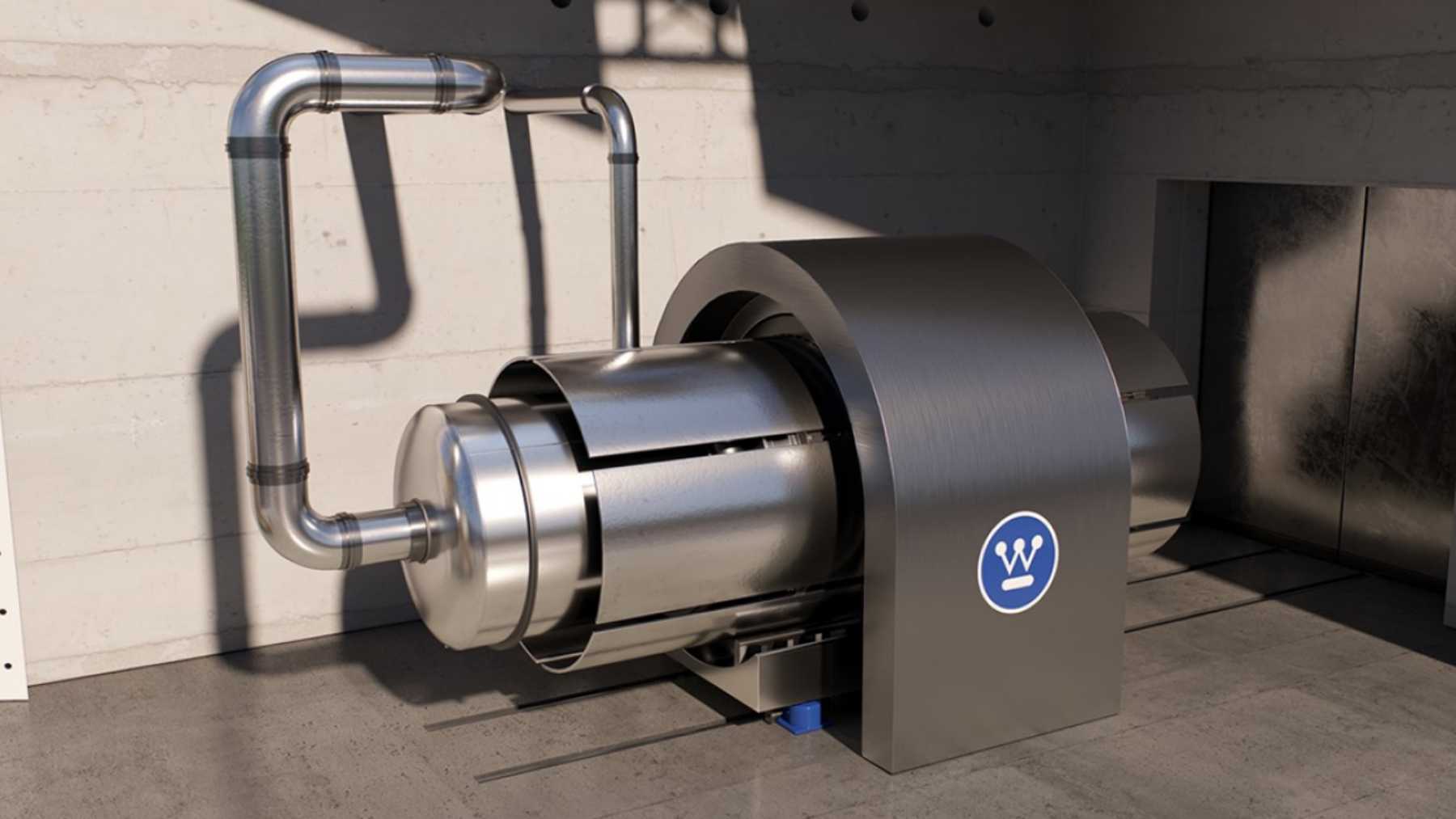
The eVinci in the marketing material is a 5-megawatt-electric machine with a 15-megawatt-thermal core, built to run eight years or more before the sealed core goes back to a factory for fresh fuel. There’s no coolant pump in it. There’s no water either. The heat leaves a solid graphite block through hundreds of sealed metal tubes, each one boiling a slug of sodium at the hot end and condensing it at the cold end, which shifts heat without a single moving part. We went through how that works in June.
That’s not the unit Westinghouse is testing. The Department of Energy calls the machine headed for Idaho the eVinci Nuclear Test Reactor, and the American Nuclear Society describes it as a one-fifth-scale representation of the commercial design, rated at roughly three thermal megawatts.
Which article sat on the assembly machine in Nevada, I can’t tell you. Westinghouse’s release doesn’t say, and the closest public description I can find is a paper from the center’s own staff laying out a plan to put part of an eVinci core on Comet, one of the vertical assembly machines there, packed around with graphite. Whether that’s how it ran last month is something the company hasn’t spelled out.
The test ran inside a bomb assembly plant
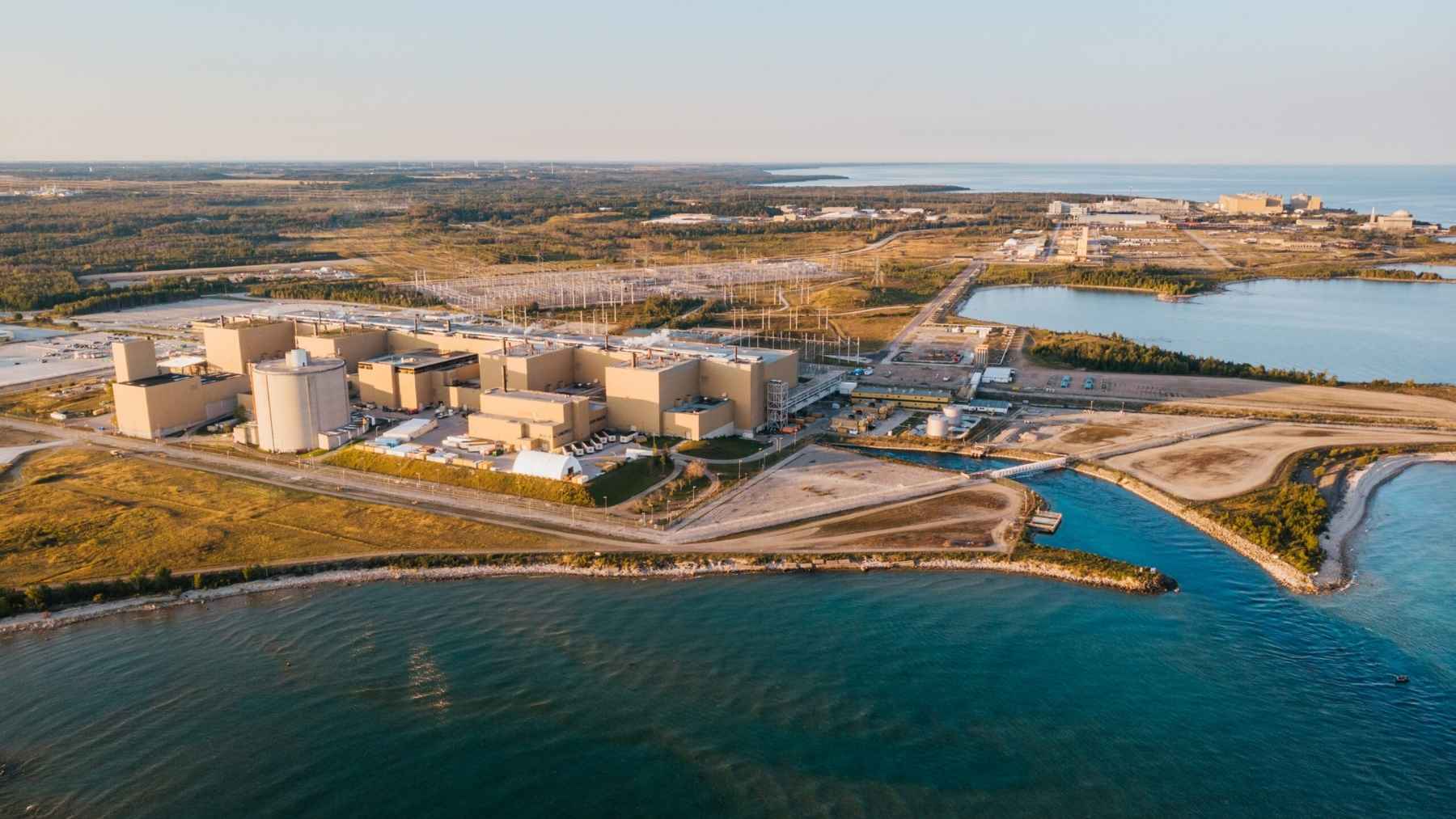
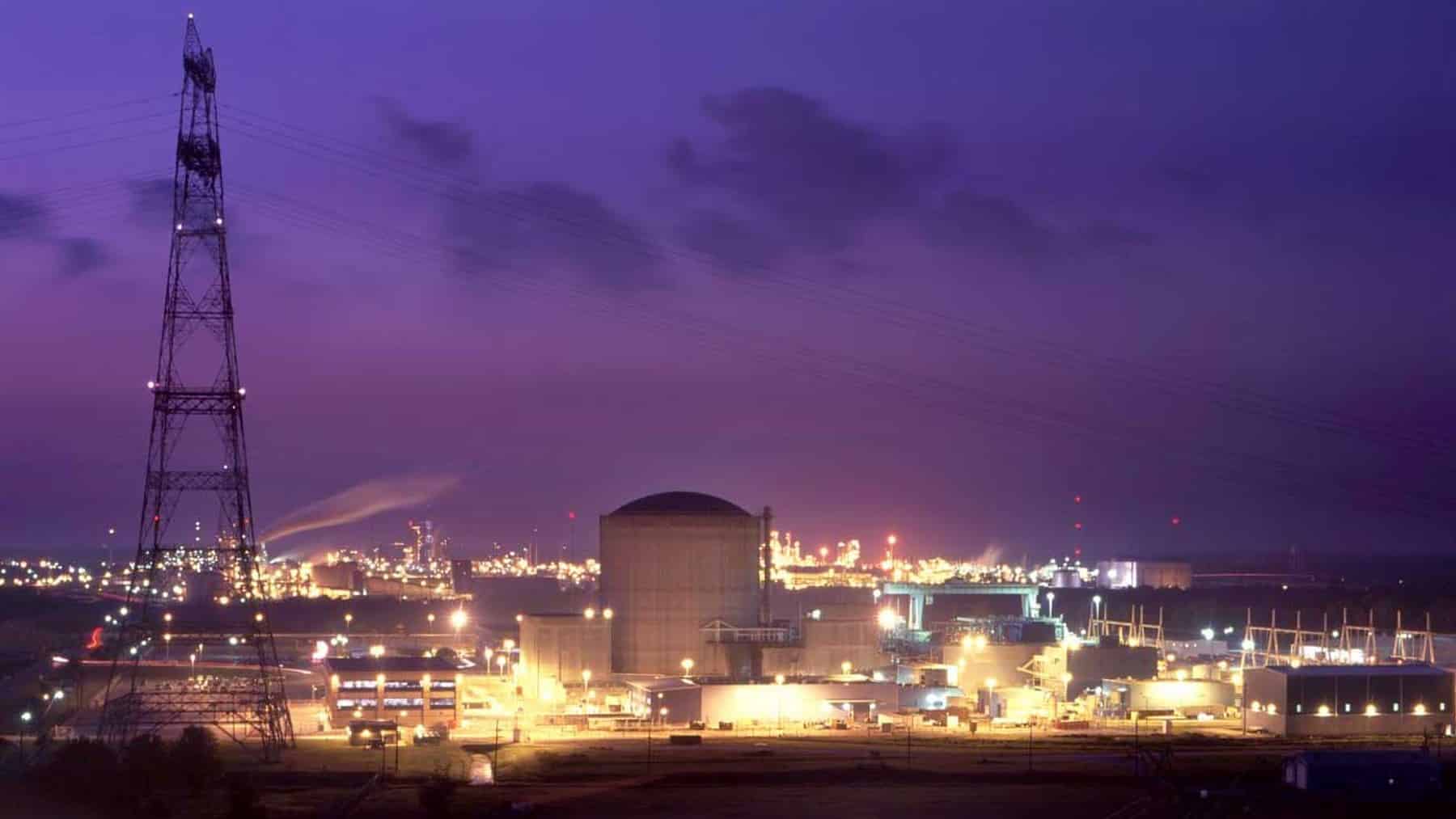
Now, about the building. The criticality center doesn’t have one of its own. It sits inside the Device Assembly Facility, a partly buried complex out in the middle of the Nevada site that was designed and built before the 1992 testing moratorium to pull every nuclear explosive assembly job in the country into one place. NNSS lists what it was set up for: assembly, disassembly, modification, staging, transportation, maintenance, repair, retrofit and testing of nuclear devices.
The testing ended in 1992 and the building stayed. It now handles subcritical experiments, nuclear material management, stockpile surveillance and the criticality center, which moved out from Los Alamos because the security and safety demands around its stockpile of special nuclear material had outgrown New Mexico. So a reactor Westinghouse wants to sell to data centers, mining camps and army bases had its first chain reaction in a building put up to assemble nuclear test devices. I like that detail more than I probably should. It’s a strange address for a product launch.
It isn’t the first microreactor to go critical in there this year
Los Alamos took its own heat-pipe design, ZiaCore, to zero-power criticality at the same Nevada center over four weeks in April and May, and announced it at the end of July. That core went critical hot, above 1,472 degrees Fahrenheit (800 Celsius), on a testbed called Deimos. Westinghouse’s went critical cold.
Does the difference matter? Some. Reactivity moves with temperature, and the number describing how it moves is one of the things a designer most wants measured, because it’s what makes a core settle down rather than run away as it heats up. A cold test tells you the core adds up. A hot test tells you how it behaves once it’s doing its job. Westinghouse hasn’t said whether any heated configurations ran in this campaign.
Idaho comes next
The test reactor is still lined up for DOME, the Department of Energy test bed built out of the old Experimental Breeder Reactor-II containment structure at Idaho National Laboratory. It’s a real dome, 80 feet across and 100 feet tall, cleared for fueled experiments up to 20 megawatts of heat. DOE picked Westinghouse and Radiant for the first two campaigns in there, and Radiant’s Kaleidos unit already made the drive up from El Segundo.
Idaho has had a strange year either way. A 1-megawatt reactor stuffed into a shipping container went critical there about 150 days after its project started. No one in this business would’ve believed that schedule a few years ago.
Lou Martinez Sancho, Westinghouse’s chief technology officer, said in the August 25 announcement that the milestone “reflects Westinghouse’s heritage of innovation.” Fair enough, that’s the job. The number I’d hold the company to is 15 megawatts of heat out of a full-size core, and nobody’s built one of those yet.
 @davidtambornino ROOKIE1 month ago