
If you’ve launched a boat anywhere in the Northwest in the last couple of years, you’ve probably sat in line at an inspection station while someone with a flashlight checked your hull and asked whether you’d drained the live well. That whole routine exists because of a mussel the size of your fingernail.
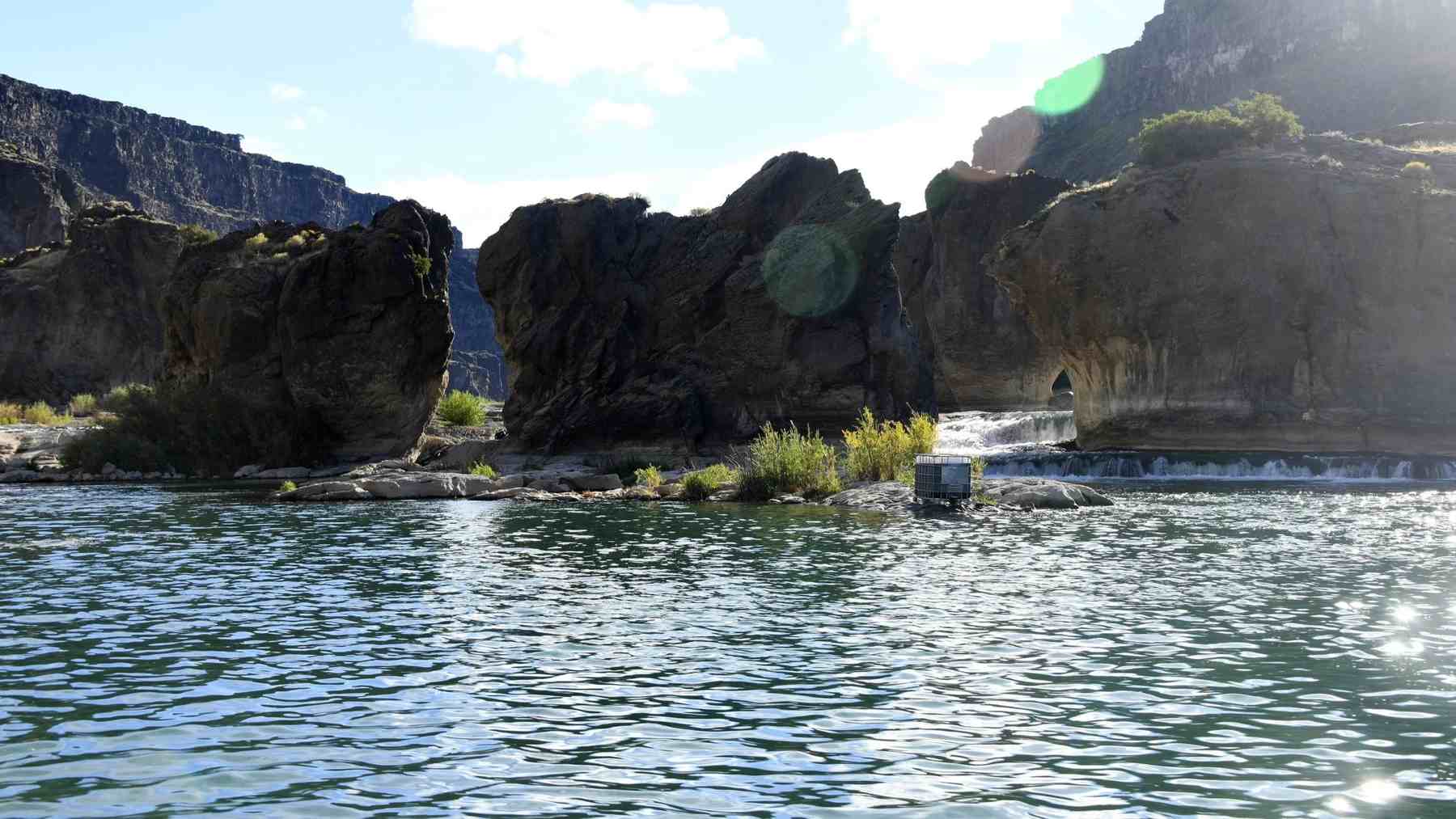
And in Idaho, that mussel has gotten a lot more expensive than a line at the boat ramp. For the fourth year in a row, the state hired barges, loaded them with copper and pumped it into the Snake River near Twin Falls. This year’s treatment ran from August 27 to September 16, and the plan behind it called for about 58,000 gallons of copper products across two pools of the river.
So is it working? Sort of. And I want to be a bit careful with that answer, because a couple of headlines got it wrong.
The 77 percent number isn’t what it looks like
The Idaho State Department of Agriculture announced on August 18 that it was detecting 77 percent fewer quagga mussel larvae in the river than it had in 2025. That’s a real number and a pretty good one. But it comes from sampling done before this year’s treatment started, not after it. The department’s September 18 wrap-up repeated the same figure, and at least one TV station ran it as a result of the treatment. It isn’t. Nobody’s going to know what this summer’s copper did until the water warms up next spring and the sampling crews go back out.
What the state had in hand by August 14 was eight larvae, which biologists call veligers, and seven adult mussels that scuba divers found and pulled off the rock by hand. That’s fifteen animals, total, as far as anyone can count.
You may be wondering why a state would spend millions chasing fifteen mussels. Fair question.
So what’s a quagga mussel, and why does Idaho care this much?
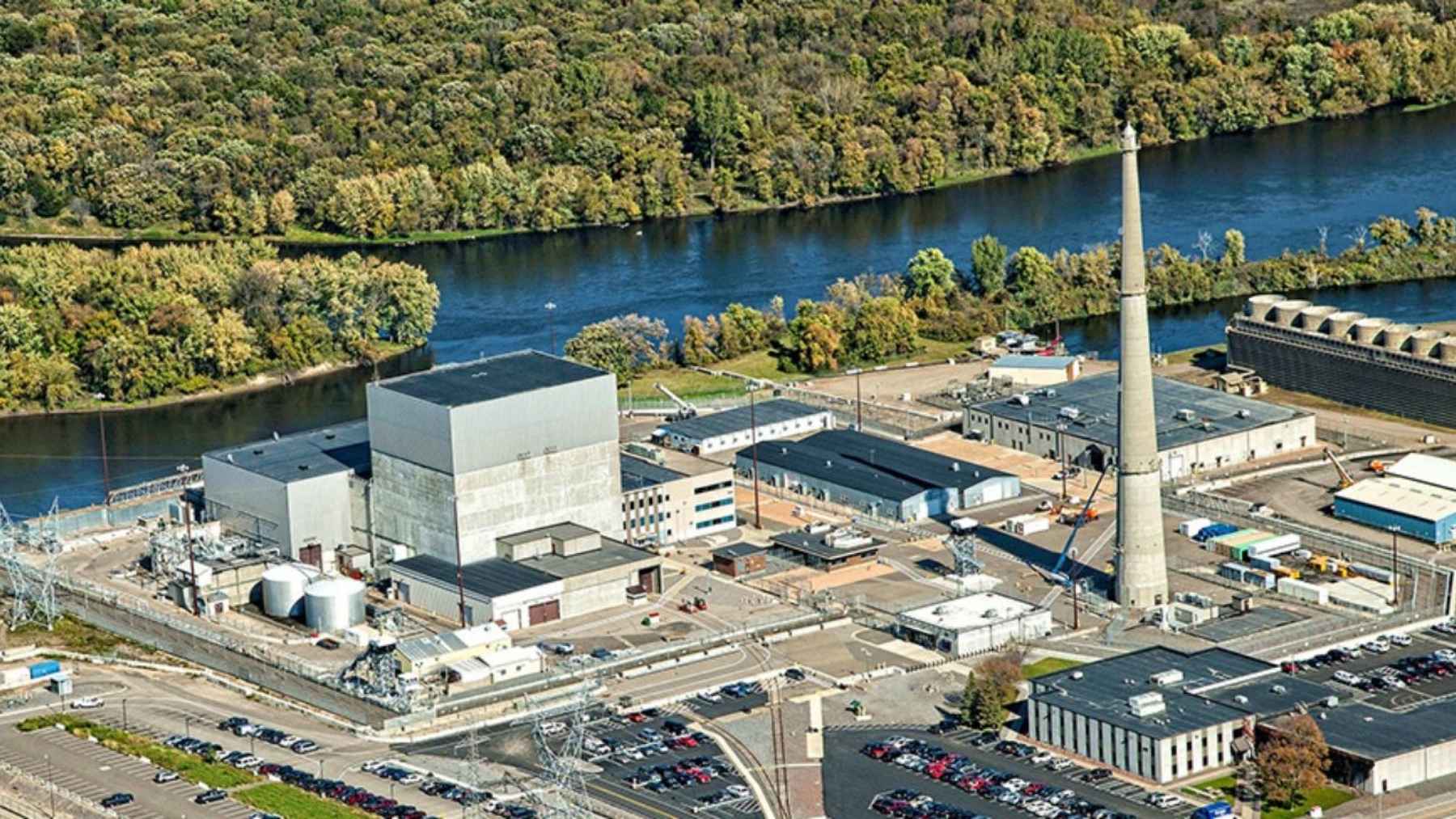
A quagga is a freshwater mussel about the size of a fingernail that filters plankton out of the water and glues itself to anything hard. Not every mussel is bad news for a water system, by the way. Minneapolis keeps a dozen of them wired to sensors as a living alarm on its Mississippi intake. The quagga is the other kind. A single female can put out up to a million eggs a year, and the larvae drift downstream and settle wherever the current drops them. Once a colony gets going, it coats intake pipes, screens and dam gates until something downstream stops getting the flow it was built for. One dam on the Missouri River pulled intake gates that came out 25,000 pounds heavier than they went in, and every bit of that was zebra mussel, the quagga’s close cousin.
Idaho’s problem is geography. The Snake feeds the Columbia, and the Columbia basin is the last big river system in the continental United States without an established population of these things. More than 1,700 irrigation districts, hydro plants and municipal water systems pull from the Snake between Twin Falls and Lewiston, according to the department. And by the state’s own account, nobody has ever wiped out quagga mussels from a river once they turned up. Idaho’s trying to be the first, which is why its agriculture director, Chanel Tewalt, said in a statement that the state is “charting new territory with our eradication effort.”
Which brings us to the copper.
How do you poison a river on purpose?
Carefully, and in stages. The 2026 plan used three products. Natrix is a chelated copper, which basically means the copper is bound to another molecule so it stays dissolved and sinks through the water column instead of reacting with the first thing it bumps into. Idaho has used it every year since 2023. EarthTec QZ is a copper sulfate that moves through the water differently, and the state added it this year specifically to reach the spots Natrix was missing. The plan called for 16,855 gallons of EarthTec QZ and 9,346 gallons of Natrix in the Twin Falls pool, and another 20,338 and 11,290 gallons in the Shoshone Falls pool. Crews aim for about 1 part per million of copper in the water, below the federal drinking water standard. Each product goes in for 96 hours, then everybody moves downstream and does it again.
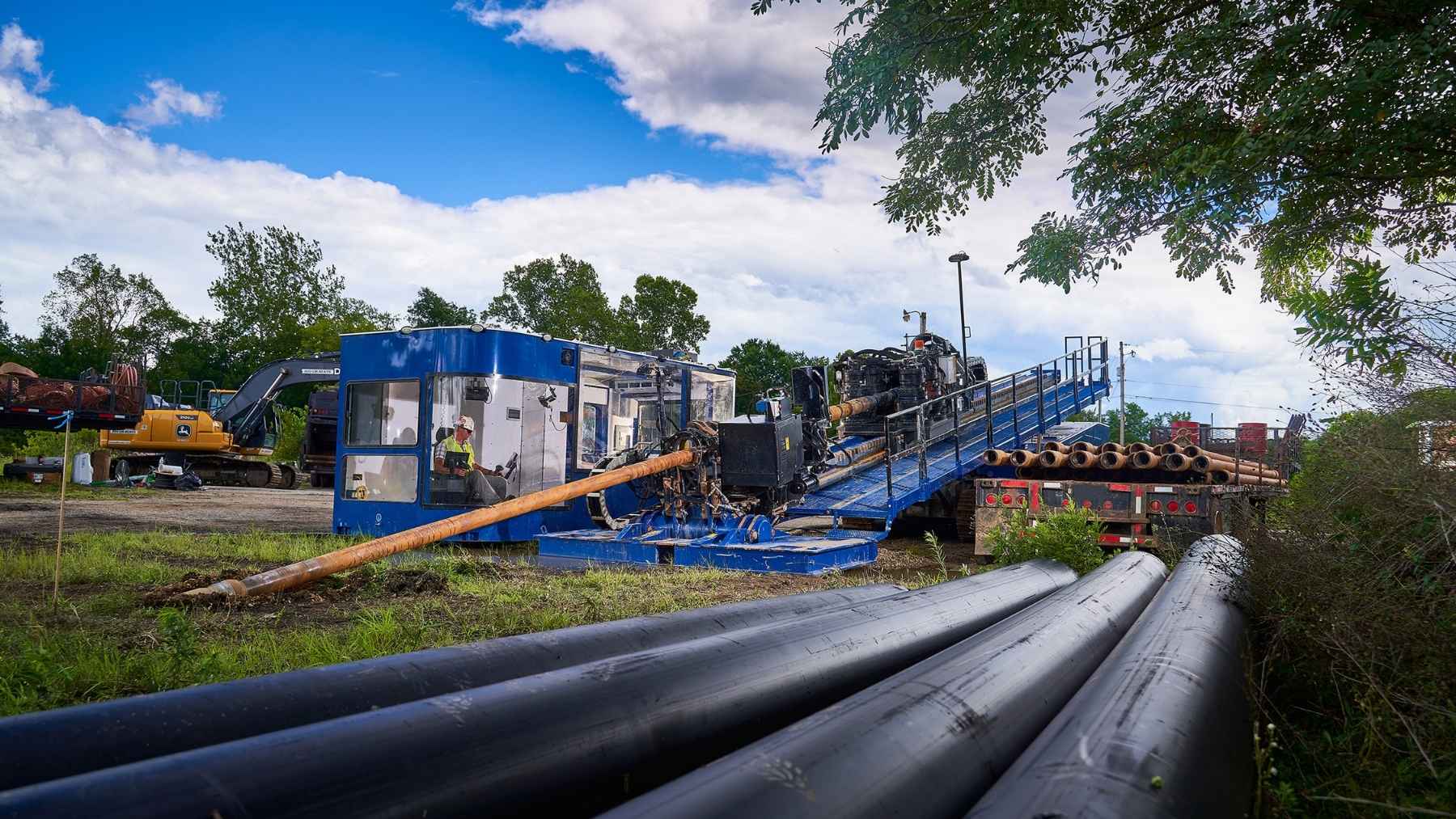
The hardware’s frankly more interesting than the chemistry. Contractors parked totes of copper on barges at fixed spots and ran deep-hole injection gear off them. In the deep trenches, where river water doesn’t mix well, crews bolted boom sprayers onto rock ledges underwater and used a pressurized pump to push the copper down into the hole.
Then there’s the new trick. After three years of treatment, divers kept finding adults alive in small cracks in the canyon rock, somewhere between 18 and 25 feet below the surface, often right where a spring or an irrigation return feeds fresh water into the river and thins out whatever’s floating by. So this year the state got an exemption for a third product, Cutrine Plus Granular, and divers stuffed it into mesh bags, wedged the bags into those cracks and left them there for 96 hours. Nic Zurfluh, who runs the department’s invasive species bureau, told Northwest Public Broadcasting that the whole operation is smaller, more targeted and uses less copper than earlier years. “It takes an army,” he said.
I’ll be upfront about one gap. The department published the gallons it planned to use. As far as I can tell, it hasn’t published what actually went into the river, so that 58,000-gallon figure is a target, not a receipt.
Copper doesn’t just kill mussels
This is where the whole thing gets uncomfortable, and the state doesn’t pretend otherwise. Copper at mussel-killing doses stops fish from pulling oxygen across their gills. In 2023, the first year, Fish and Game crews hauled six to seven tons of dead fish off the surface of the Snake, including at least 48 white sturgeon, some of them 35 years old and up to eight feet long. The chemical alone cost $1.3 to $1.4 million that year, and the whole effort came in around $3 million.
This year’s wrap-up says the treatment caused minimal mortality in fish, plants and algae between Sage View and the Highway 46 Bridge, which is also roughly where copper levels are expected to drop back to normal, about 25 miles downstream. Tewalt told a legislative committee on October 13 that fewer fish died this time, and that the state isn’t restocking the treated sections while it keeps dosing them. The 2026 treatment budget was north of $3.5 million.
Josh Johnson of the Idaho Conservation League, which wants the mussels gone as much as anyone, put the obvious objection into words back in August. “We also can’t just poison the river annually forever,” he told the Idaho Capital Sun. I’d say that’s a fair read. A one-time emergency treatment is a different thing from a standing annual line item, and four years in, the second description arguably fits better than the first.
Did it work? Ask again in May
So what can the state actually say right now? Eight veligers in this year’s sampling, 77 percent fewer than the year before. A number of adults found by divers, in a smaller stretch of river than before. Tewalt’s phrase for legislators was that it signifies “a very small population.” She also told them the mussels were probably sitting in the Twin Falls pool before anyone found them in 2023, which is a pretty candid thing for a director to admit mid-fight.
Zurfluh’s own comparison is pulling weeds. First year you’ve got a hundred and you pull them. Twenty come back. Then three. Then one, and the last one is a pain to find. Idaho’s rule for declaring victory is five straight years with no detections at all, so even if next spring’s samples come back clean, the earliest the state could call this over is 2031.
The river reopened on September 18 with no closures left between the Hansen Bridge and the Highway 46 Bridge, and the department says it will restart water sampling for quagga mussels once the Snake warms up again next spring.