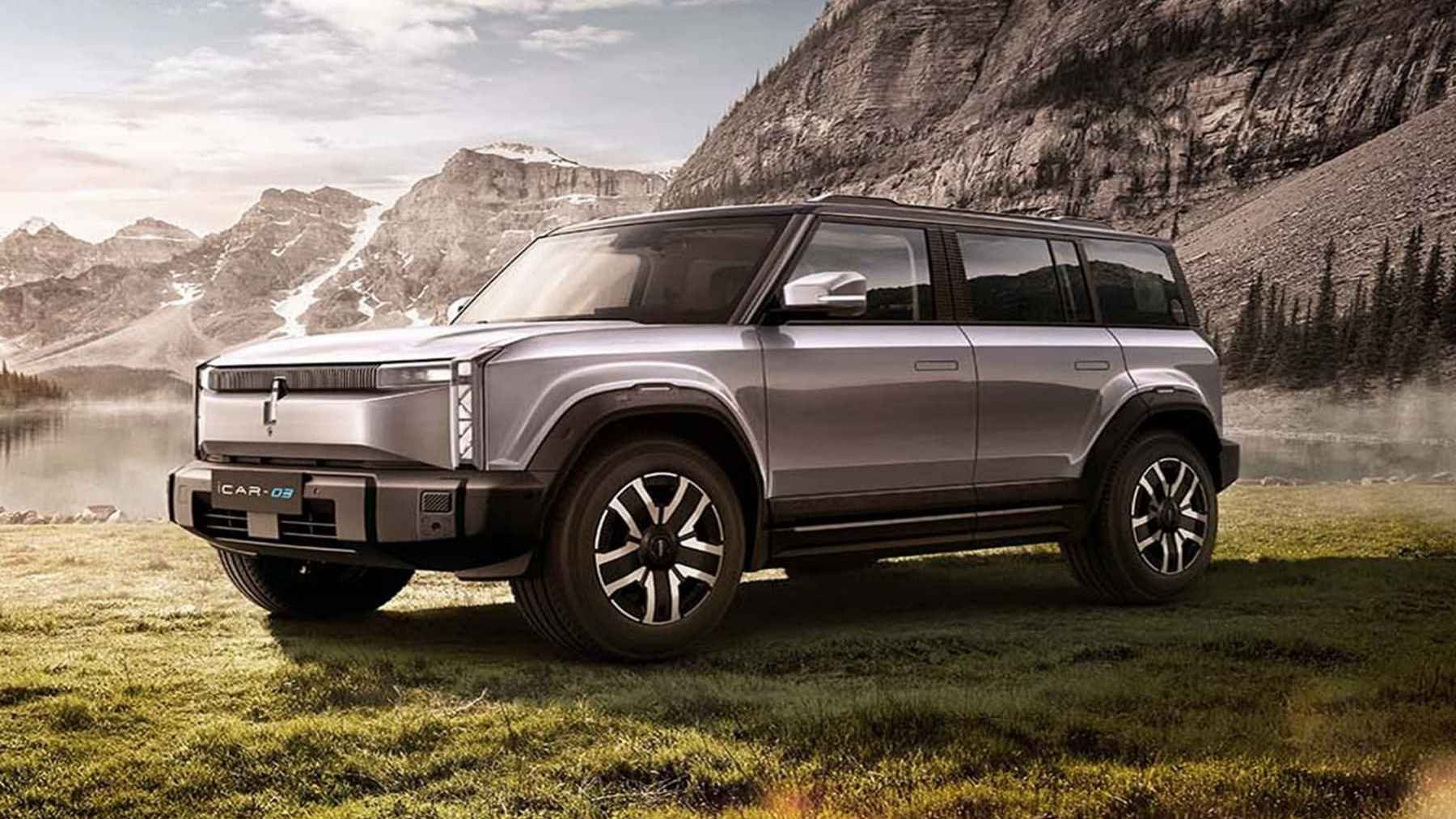

Things are getting real. Canada announced a while back that it would allow Chinese EVs, causing uproar in the United States. We always gotta feel we’re involved with everything. But anyway, things are speeding up, with various automakers putting down roots in the North American country.
Canada announced in March 2026 that it would allow 49,000 Chinese electric vehicles into the country over the next year on a first-come, first-served basis. Right away, Geely Holding, Chery Automobile, and BYD Co. started planning for the expansion.
Geely Holding’s luxury brand, Zeekr, has started hiring senior-level employees for roles based in Toronto, primarily in sales, legal, and marketing. Chery is looking to do the same. It recently sent dozens of Canadian dealers to the Beijing Auto Show. It currently has two vehicles in Toronto under its Jaecoo brand, though they are for testing and demonstrations only.
“These prescribed special purposes include, among others, evaluation, demonstration or testing — such as compliance testing or assessing vehicle performance in specific environments or conditions,” Transport Canada spokesperson Flavio Nienow said in an email to Automotive News.
BYD is also making some major plans. The automaker wants to open up to 20 stores in Canada this year, with local partners helping with the international expansion.
Canada is the guinea pig for Chinese EVs in North America
While I have been sort of annoyed with the United States’ aggressive attempts at keeping Chinese EVs from America, I can say they are right about one thing: letting them in would open up a floodgate. Canada only wants 49,000 Chinese EVs its first year, ramping up to 70,000 by 2030. The numbers aren’t really that large, but Chinese automakers are jumping to fill those slots. Fast. You can see just how fast these Chinese automakers can make things happen, opening offices and stores in Canada within months of Canada reopening its border.
It’s sort of what the American automakers have feared all along. They just can’t keep up. Ford CEO Jim Farley has continuously expressed this concern. He recently said that Chinese automakers have the capacity to build over 50 million vehicles, basically outpacing the American automakers while being cheaper and just as good.
However, Farley knows deep down that this isn’t the end of that conversation. Days after saying that allowing Chinese automakers into America would be “devastating,” he pondered whether there was a way to grant them access to the U.S. market.
And that’s because he knows that Chinese automakers would probably actually help America — depending how it’s done. While it would create more competition, it would also create more jobs if domestic and Chinese automakers worked together to create more facilities. It would also provide cheaper EVs to Americans, who currently can’t afford the luxury EVs that domestic brands keep cranking out.
I’m no economic genius though. Maybe I’m wrong. However, Canada is about to give us a front row seat at how a limited, controlled introduction works in real-time. Let’s see if it helps or hurts.