
The video game industry has been freaking out about the memory chip shortage for a while now. With AI companies demanding as much RAM as physically exists, phones, computers, and consoles are all seeing massive price hikes and delays.
Well, I’m going to bring the problem over to you guys, too.
Back in January, insiders warned that the memory crunch would eventually hit the auto industry, as a tangled mess of chip supply problems collided with AI’s bottomless appetite for RAM. Same as with gaming, the warning was that scarce memory would push vehicle prices up.
A few months later, it’s happening.
New vehicle prices may increase. Again.
According to Nikkei Asia, two big automakers have already blinked.
General Motors now expects average new vehicle prices in North America to rise 0.3% this year. That sounds tiny, and it is, but the direction is the story: GM had previously forecast prices staying flat or even dipping 0.3%. The company flipped a projected small cut into a small hike, and it has a name for the culprit. GM is calling it “chipflation.”
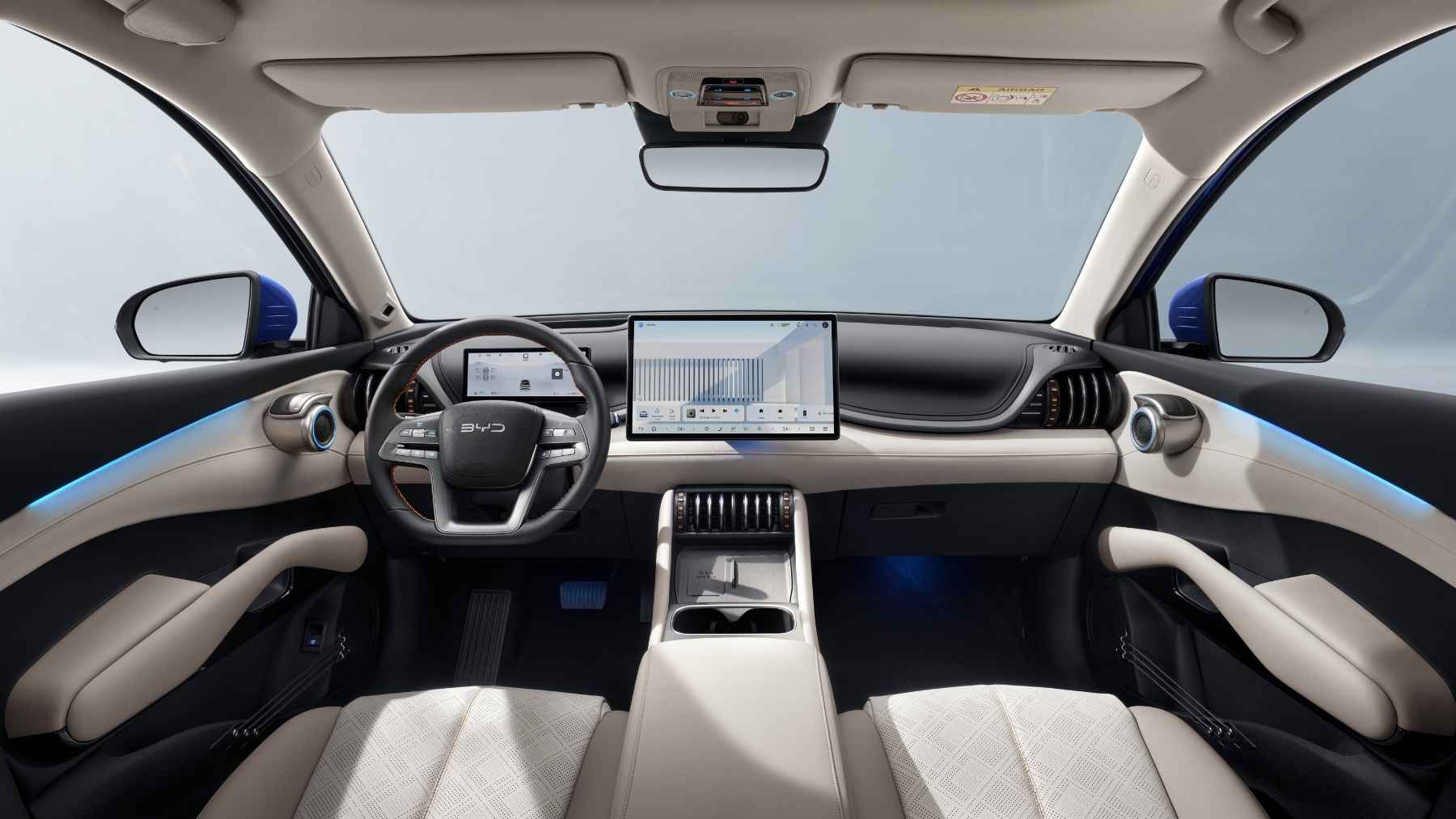
Over in China, BYD went further, raising the price of its driver-assistance features, the ones it sells separately from the car, by 20%. The company said it was doing it to guarantee quality as global memory prices spiked.
South Korea’s Hyundai took a third approach: its parts arm reportedly leaned on more than 20 domestic companies, Samsung included, to shore up the chip supply chain before things get worse.
Wait, why does a car need so much RAM?
Here’s the part that sounds fake but isn’t. According to Micron, the average car in 2023 used about 90GB of combined DRAM and NAND memory. By the end of 2026, that’s expected to hit 278GB, with high-end, screen-everywhere models needing up to 2TB.
Two terabytes. In a car. That’s more storage than most people’s laptops.
Modern cars have quietly turned into supercomputers on wheels. All that memory feeds the infotainment screens, the digital cockpit, the safety and driver-assistance systems, and increasingly the in-car AI assistants that every automaker is now racing to install. Micron figures a car with Level 4 autonomy will need at least 300GB on its own.
And those AI assistants are a big part of why this is biting now. An in-car assistant can demand 256GB of memory all by itself. So the same feature everyone’s cramming into new cars to feel cutting-edge is also helping drain the exact chip supply those cars are fighting over. Neat little loop.
How bad is this actually going to get?
Before you panic-buy a 2024 model, some perspective. The scary GM number, $1.5 to $2 billion in extra costs this year, has been getting tossed around as if it’s all memory. It isn’t. GM’s CFO Paul Jacobson framed it as a combined headwind from commodity inflation, logistics, and DRAM together, with the memory pain loaded into the back half of the year. GM hasn’t actually announced a memory-driven price bump on any specific vehicle.
DRAM itself, though, is genuinely brutal right now. The chips cost roughly six times what they did a year ago, and analysts at UBS estimate automotive DRAM jumped 180% in just three months.
But there’s a reason your next car isn’t about to jump thousands of dollars. TrendForce analyst Caroline Chen told Tom’s Hardware that the link between individual part prices and final sticker prices is actually pretty weak. Even doubling the memory cost of an average US car, from about $50 to $100, adds only around 0.2% to the total bill of materials.
The exception is exactly where you’d expect: premium, software-heavy, screen-everywhere vehicles, where memory is a much bigger slice of the cost. And Chinese EVs, which pack in more chips than most Western rivals. One analysis pegged memory costs in Chinese-built cars at over $70 per vehicle late last year, against roughly $30 for Japanese ones. That’s why BYD moved first and hardest.
Automakers are already scrambling for supply
The telling part isn’t the price tweaks. It’s the panic-buying happening one level up the chain.
On July 1, GM signed a strategic supply deal with Micron to lock in committed volumes of low-power DRAM, NOR flash and UFS NAND. Ford signed with Micron too, along with a bunch of major parts suppliers like Denso. Everyone is trying to secure memory now, ahead of the deeper shortages expected next year.
When automakers start signing long-term contracts to guarantee they can buy RAM, you know the fear is real. These are companies that normally treat memory as a commodity they can grab whenever they need it. Not anymore.
And with the high-end automotive chips taking months, sometimes years, to actually secure, the scramble isn’t ending soon. The chip shortage that dominated headlines in 2021 was about not having enough basic parts to finish cars. This one is subtler: the cars will get built, they’ll just cost a little more and lean on memory that’s suddenly precious.
So here’s the irony to sit with. The same GM that just warned about “chipflation” is the one that pushed Google’s Gemini assistant into around four million of its vehicles earlier this year. Automakers spent years convincing us we wanted a supercomputer in the dashboard. Now they get to pay for all that RAM, and so, eventually, do we.