
Toyota is well known and trusted for its intense focus on reliability. Toyota has been slow to implement changes and technology compared to other automakers due to its focus on gradual, safe integration. This has created a lot of consistency that other brands don’t have.
And Ford wants it.
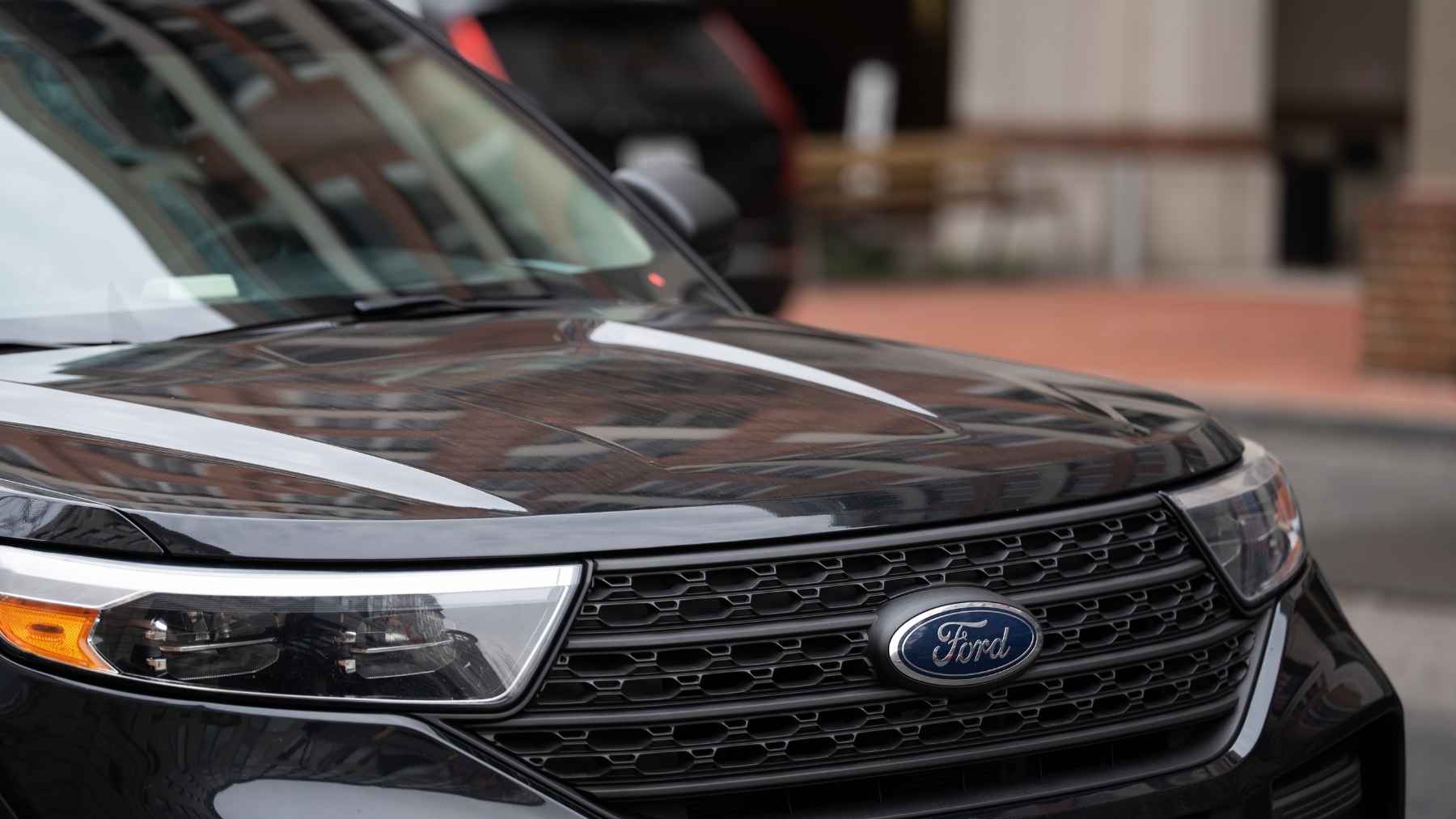
Ford, meanwhile, is known for its recalls. It has the most recalls of every automaker, with 582 recalls in 10 years. Not every recall is for something big and disastrous, but there’s no denying Ford has a quality-control issue. And that could get even worse as Ford chases China’s production speed.
For this reason, Ford has been focused on fixing its quality control issues over the past few years. There have been some improvements, and Ford’s CEO, Jim Farley, has shared the dramatic changes that led to better quality and fewer recalls.
Ford’s big change after the F-Series Super Duty disaster
The big changes began when the fifth-generation Ford F-Series Super Duty was introduced in 2023. The F-Series is one of Ford’s most important models, but there were tons of software and quality issues that led the automaker to put a pause on production. Nearly finished trucks had to be fixed before they were able to be sent to dealerships.
Not good.
“It was not painful for our customers. It was painful for us,” Farley said to Detroit Free Press. “We literally had to take tens of thousands of units, and put them in marshaling yards until they were good enough to send to the customer. There were hundreds of issues. Some of them are very small, like software, some of them are very big.”
Since that harrowing experience, Ford has laid off and replaced two-thirds of its leaders across the industrial system, manufacturing, supply chain, and engineering. Anyone who was fine with “good enough” was let go, replaced with leaders and specialists who were focused on collaboration and problem-solving, rather than finger-pointing. The culture at Ford has allegedly changed completely.
In the past, Ford may have released the Super Duty, shipped it to dealers, and then had a bunch of recalls. However, this leadership shift was about protecting customers from these kinds of problems. It was hard to accept the massive delays, but it had to happen to make this switch. It had to happen if Ford wanted to pivot to a more Toyota-like mentality.
“The real impressive part of Toyota and many of the Chinese (automakers) as well, but especially Toyota, is their sustainability of what they do,” Farley said. “They never drop the ball. They never go backward. They don’t think there’s an end. At Toyota, we had a really famous saying, that I think about every day: No problem. Big problem. In Toyota, even if you are perfect in quality and you’re beating everyone, no one is happy.
“You’re going for perfection.”
The changes at Ford are already seeing some results. Ford was ranked number one in JD Power’s Initial Quality Survey. But there’s a long way to go, especially with Ford’s major production changes. Ford is switching to a simpler, unicast system for its affordable EV lineup, which includes a three-pronged assembly approach that’s completely new for the automaker.
 @beaukennedy ROOKIE2 months ago