
Wind tunnels are great for a couple of things. They let you bolt a scaled-down model to a sting, blast it with hot gas for a fraction of a second, and see roughly how the geometry behaves before anything real gets built. But if you want to know how a sensor, an antenna, or a slab of thermal-protection material survives a few minutes screaming through the upper atmosphere at hypersonic speed, you need a rocket, a payload bay, and a regulator willing to sign off. That last part is where Australia tends to fall over.
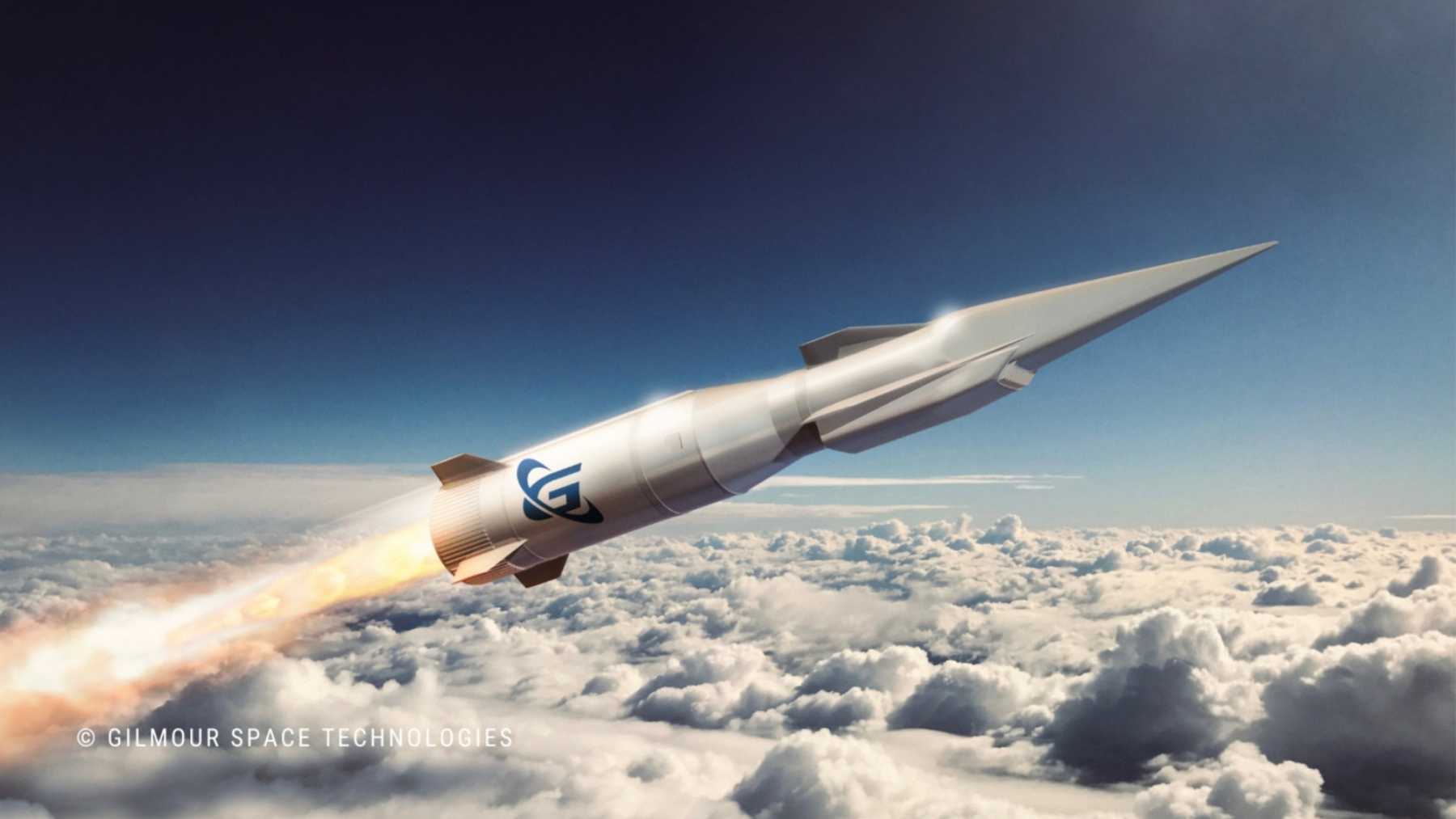
A Gold Coast company is now trying to plug that hole as an actual paid service. According to the ABC, Gilmour Space Technologies plans to fire its first hypersonic rocket from its Bowen spaceport in North Queensland sometime in July or August, pending the usual stack of federal approvals. It’s a sub-orbital vehicle, no customer payload on this debut, built to climb to the edge of space and come back down. The commercial pitch is blunt: about five minutes of real hypersonic flight, sold by the seat to defense agencies and university labs that have nowhere else to go.
What Gilmour Is Selling With Hyperflight
The product has a clunky name, HPRFLT, or Hyperflight, and a very specific customer in mind. The company describes the rocket as roughly a third the size of the Eris vehicle that attempted Australia’s first home-grown orbital launch last year, with fins, flying empty on this run because the whole point is to prove the platform. Gilmour pitches it as a sovereign, Australian, low-cost, fast-turnaround hypersonic testbed.
Out of press-release language: if you’re a university group with a new ceramic, or a defense contractor with a guidance package, you book a slot, you hand Gilmour your hardware, and you get telemetry back from a window of flight at more than five times the speed of sound. The company says the service is aimed at sensors, aircraft systems, and scientific instruments pushed through extreme flight environments. It also went out of its way to say it is not testing weapons. The rocket isn’t a missile, and there’s no warhead on board.
That distinction matters because of where the customers come from. When Hyperflight was first announced, Gilmour’s launch vehicles director David Doyle tied the boom to the AUKUS pact between Australia, the UK, and the US, citing “a surge in the research and development of hypersonic vehicles, materials” across the sector. Defense money is the cleanest way to fund a hypersonic ecosystem, and right now there’s nowhere at home to fly the prototypes that money pays for.
Hypersonic Has a Real Definition
Hypersonic is one of those words that gets thrown around loosely. Researchers at the University of Queensland, where Chris James works on the technology, put the threshold at roughly five times the speed of sound. That’s well past what shock tunnels can simulate for more than a couple hundred milliseconds at a stretch, which is exactly the gap Gilmour is selling into. The company has said this debut aims for the upper end of that envelope, in the neighborhood of Mach 7.
The obvious defensive use case writes itself. A hypersonic cruise missile that starts faster gets further, and once one major power fields one, everyone else wants the same toy. That’s the strategic backdrop. The commercial reality is narrower. Gilmour isn’t building weapons. It’s selling flight time on a vehicle that happens to reach speeds at which most off-the-shelf electronics, materials, and coatings either keep working or melt, and the only way to find out which is to fly them.
A test platform rather than a weapon is also what keeps the project clear of the export-control headaches that would otherwise tangle up an Australian launch company servicing AUKUS partners. The hardware they fly belongs to the customer. Gilmour provides the ride and the data.
The Money Behind It
Hypersonic test infrastructure isn’t cheap, and Gilmour has been stacking funding for it. In January the company closed a A$217 million Series E round, about US$146 million, co-led by the government’s National Reconstruction Fund Corporation and the super fund Hostplus. The round made Gilmour Australia’s first space “unicorn,” valued north of a billion dollars. The Reconstruction Fund’s slice was A$75 million, a cornerstone equity stake the federal government confirmed in May.
The Department of Defence has called hypersonics a defence priority and framed it as a way to keep the Australian Defence Force survivable against future threats. Which is the official way of saying it wants the capability on Australian soil, not borrowed from allies, and it’ll write checks to make sure that happens. It’s the same sovereign-capability push behind a lot of Australia’s recent defense spending, from home-built rockets to its own fleet of drone submarines.
That puts Gilmour in a slightly odd spot. It’s a private company chasing commercial customers, but a big chunk of its near-term Hyperflight demand will almost certainly come from agencies funded by the same government that just put A$75 million into its balance sheet. That’s normal in defense aerospace anywhere on the planet. Worth flagging anyway.
Eris Is Still the Bigger Story
Hyperflight is the new product, but it isn’t Gilmour’s main bet. The flagship is the three-stage Eris orbital rocket, and last July it attempted Australia’s first home-built orbital launch from Bowen. It didn’t go well. The 23-meter, 30-tonne rocket cleared the pad, rose about 100 meters, then ran into trouble within seconds and was lost inside the safety zone 14 seconds after liftoff.
The post-mortem, finalized in April, is more specific than the early “insufficient thrust” headlines. Gilmour’s investigation found that two of the four first-stage hybrid motors lost thrust, one at about 9 seconds and another around 17, both traced to the oxidiser pump system. The culprits were electrical and thermal faults in the electric pump motors and their inverters, including parts from an outside supplier.
The company says the findings are feeding design changes for the next vehicle, which it wants flying before the end of this year. It also offered the standard rocket-industry shrug: space is hard, failures are normal, Australia will get to orbit eventually.
That orbital program is still the priority. Gilmour’s stated focus is getting a second Eris off the pad in late 2026, on the logic that the satellite-launch backlog over the next decade is enormous and somebody has to chip away at it. Hyperflight is the side hustle that pays bills and keeps the team sharp while the big rocket gets rebuilt.
Why This Gap Exists Nowhere Else
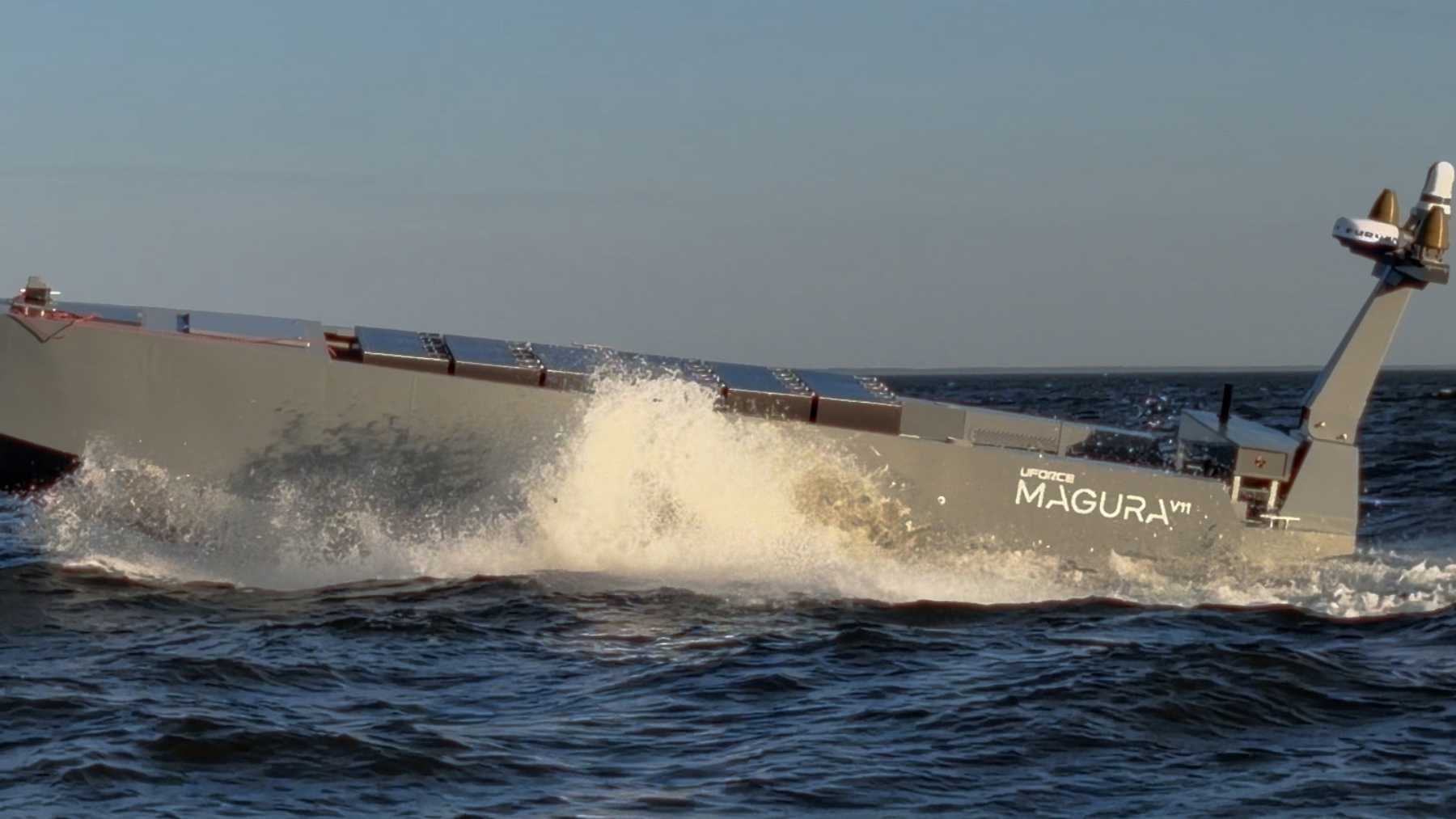
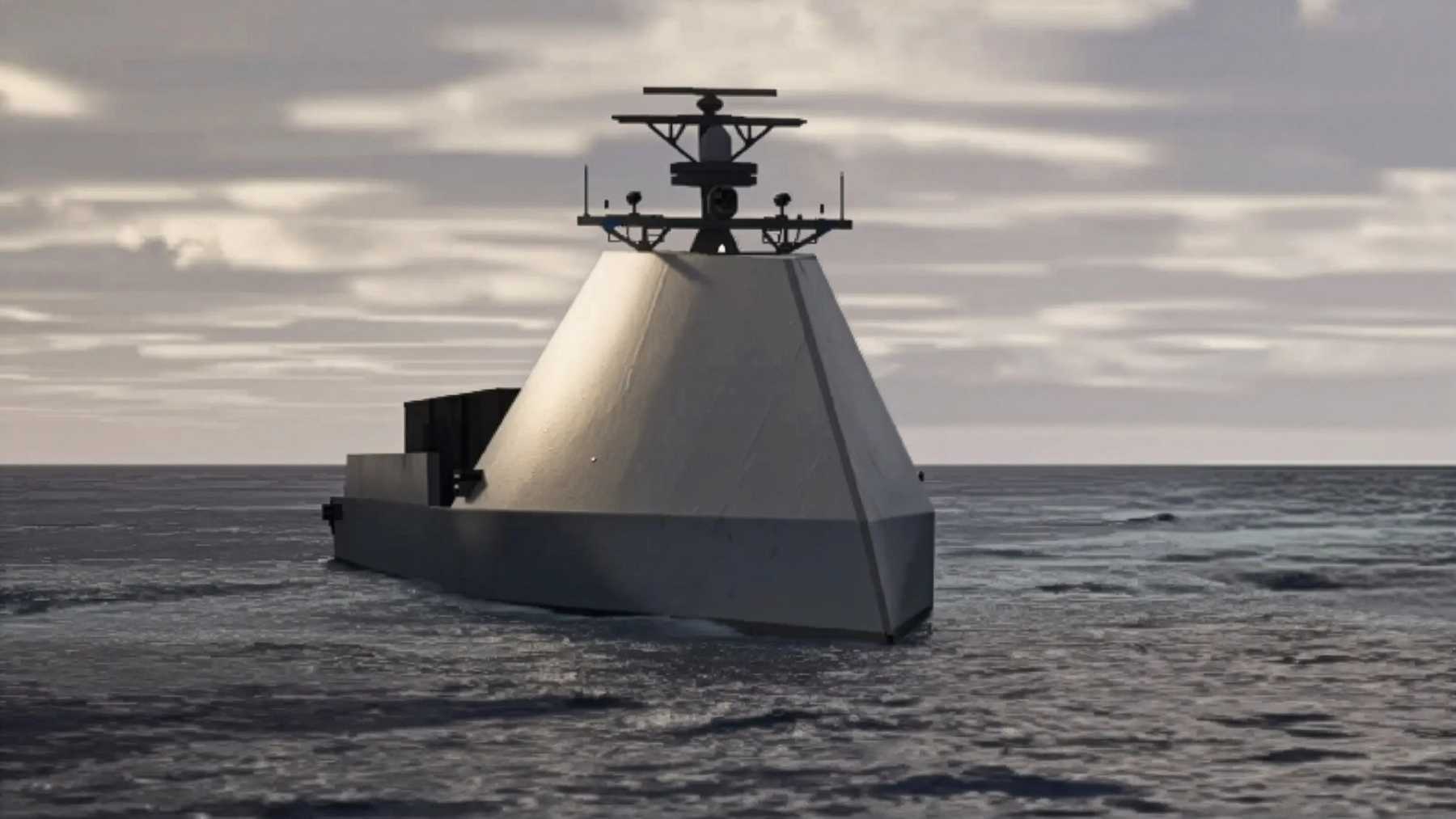
Commercial hypersonic test services barely exist anywhere. The US has government ranges and a handful of military programs. China runs its own track. Europe is mostly tunnels. Even in the US, hypersonic flight testing is bottlenecked by a small number of expensive, crewed range assets, which is why startups there are improvising with autonomous boats to collect test telemetry.
A small Australian company quietly offering a fixed-price ride to the edge of space, with telemetry handed back to a paying customer, is genuinely unusual, and useful, because the alternative for an Australian researcher today is either a wind tunnel that runs for milliseconds or a foreign program they can’t always get on.
The launch window depends on government approvals, which is the part Gilmour has been burned by before. Eris sat on the pad for months waiting on permits before its failed flight. If Hyperflight clears the July-August target, the first commercial customers won’t be far behind. If it slips, it slips. That’s how Australian space regulation has tended to work so far.
Either way, the pitch is on the table now. Build something that needs hypersonic speed to prove itself, hand it to Gilmour, and they’ll fly it for you. There aren’t many phone numbers in the world you can call to get that done.