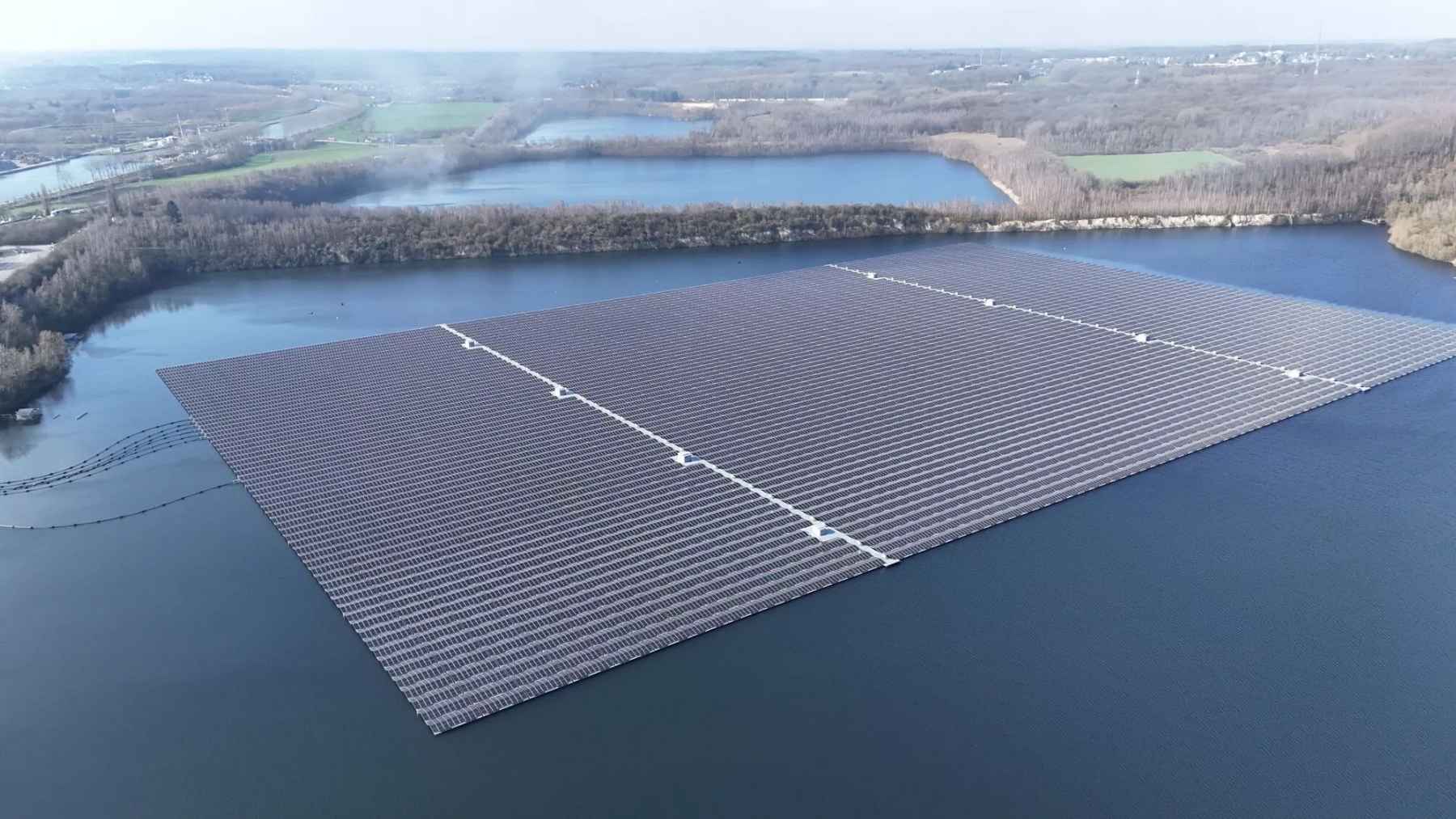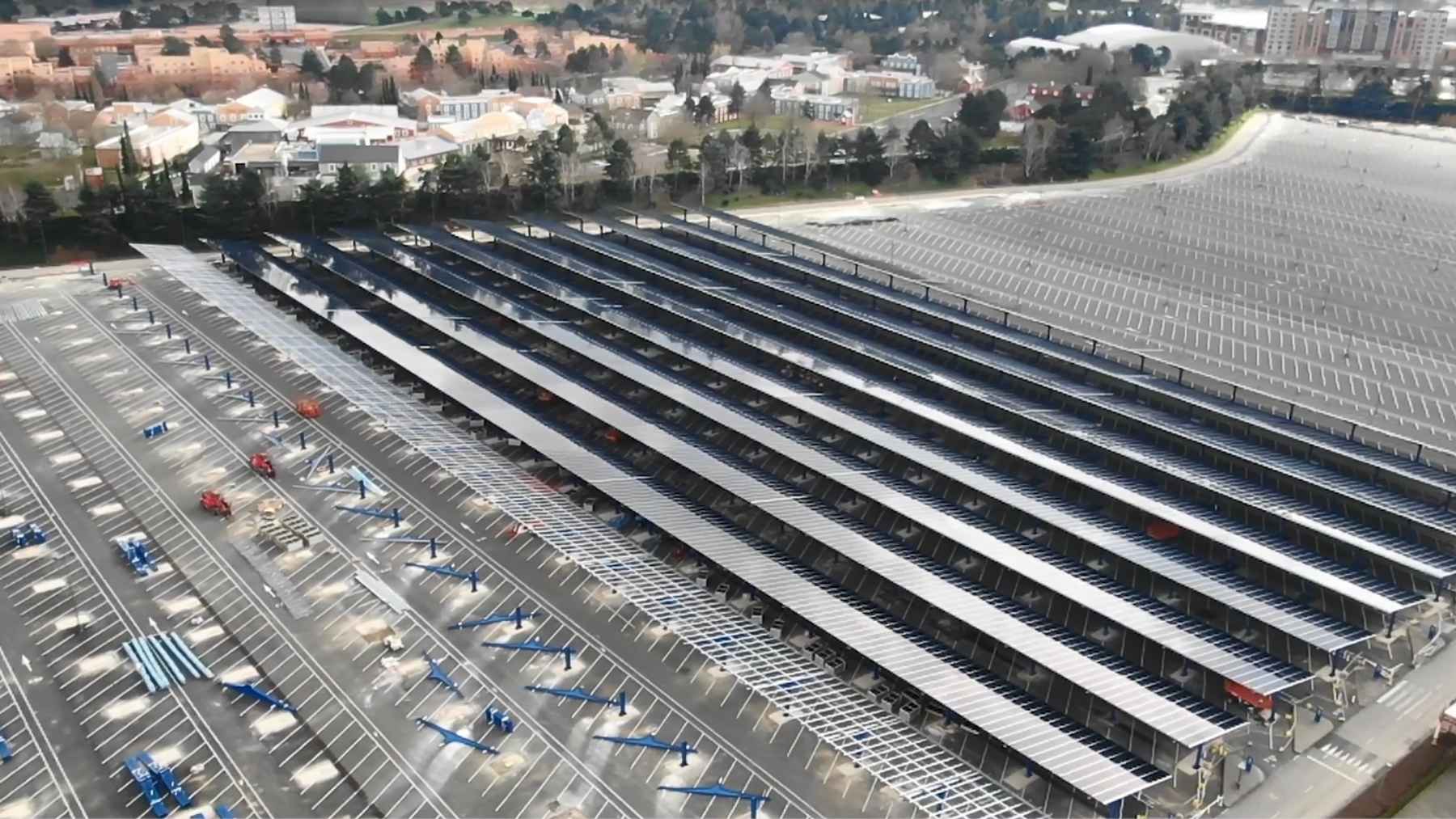

Presidents picking favorites in the energy mix is nothing new. Subsidies, tax credits, mandates, the occasional Rose Garden photo op next to a solar panel or an oil rig, every administration tilts the scoreboard. But the Trump administration just tried something more creative than usual: instead of slow-walking a clean energy project through permitting hell, it cut a check to make the project disappear entirely.
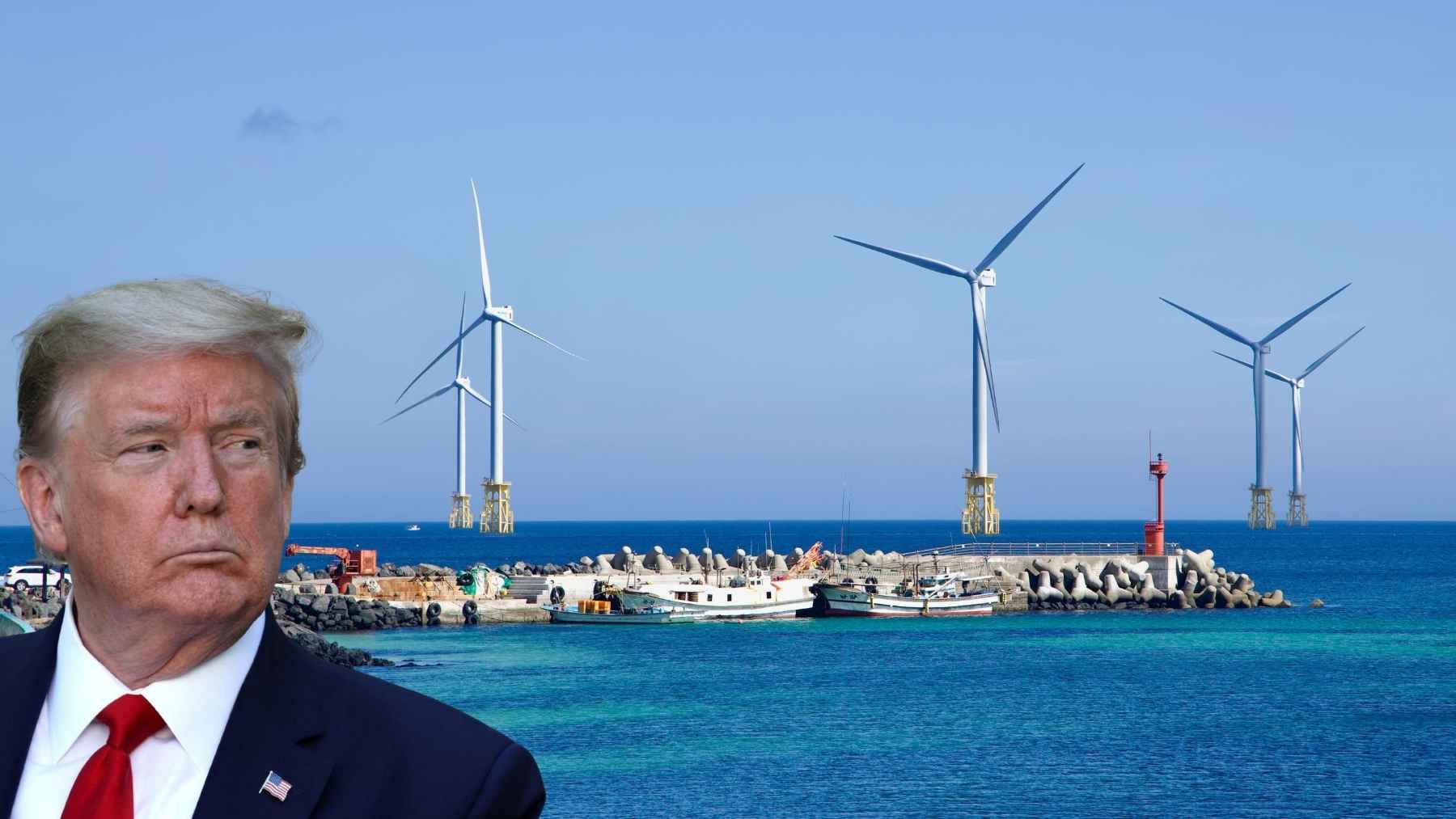
The check went to French energy giant TotalEnergies, and it was for nearly a billion dollars. The deal, struck in March, paid the company to walk away from two offshore wind leases it already held, one off New York and one off North Carolina, and pour the money into US oil and gas instead. On Tuesday, seven Northeastern attorneys general called that arrangement a sham and hauled it into federal court.
What’s actually in the deal
The terms come from the lawsuit and from the Interior Department’s own announcement earlier this year. In March, Interior agreed to hand TotalEnergies $928 million to refund what the company had paid for two offshore wind leases granted under the Biden administration, one in the New York Bight and one off North Carolina. The lion’s share, $795 million, attached to the New York lease.
That New York lease is not a small thing. It was bought in 2022 by TotalEnergies subsidiary Attentive Energy, which put up $795 million for a tract roughly 47 miles off the coast, in what was at the time the highest-grossing competitive offshore energy lease sale in US history. The lease was expected to support enough generation to power more than a million homes across New York and New Jersey. That is not a marginal pilot project. That is a chunk of the Northeast grid that just got whited out.
In exchange for the refund, TotalEnergies agreed to redirect the cash into US oil, gas and liquefied natural gas production, with Interior reimbursing it dollar-for-dollar up to what it had paid for the wind leases. Per the department’s own breakdown, the money is going to the Rio Grande LNG plant in Texas plus oil and shale gas development. A clean trade if you are in the fossil fuel business. A rough one if you were counting on those electrons to keep your AC running in 2030.
The “pay-not-to-play” lawsuit
Seven states filed in DC federal court on Tuesday: New York, Connecticut, Maine, Massachusetts, New Jersey, Rhode Island and Vermont, with New York Attorney General Letitia James leading the coalition. They allege the administration illegally used nearly $1 billion in taxpayer money to undo a federal program.
The legal argument has two prongs, both technical but worth understanding, because they are how this either gets unwound or does not. First, the states say Interior skipped a step it was legally required to take under the Outer Continental Shelf Lands Act: a hearing to weigh whether keeping the leases would seriously harm life, property, national security, or the environment. Interior never held it, the suit claims.
Second, and this is the more creative claim, the states say the administration paid TotalEnergies out of the wrong pot of money. The $795 million was drawn from the Judgment Fund, a Treasury account that normally exists to satisfy court judgments and legal settlements when an agency has no other money authorized to cover them. The coalition argues that fund is not a slush account for reversing policy, and that routing a lease refund through it broke the Judgment Fund Act.
New York Governor Kathy Hochul went with the catchiest framing, calling it a “pay-not-to-play scheme” and an abuse of taxpayer dollars. James was blunter, saying the administration “cooked up a sham deal” to pay a foreign company to abandon offshore wind and pivot to oil and gas.
Interior says it had no choice
The administration’s defense leans on two ideas: national security and the cost of power. An Interior spokesperson, responding to the suit, said the “only thing blatantly unlawful here was the process” by which the leases were negotiated under Biden, and argued the buyback steers money away from unreliable, expensive projects. The department also stressed that the agreements were voluntary, that nobody forced TotalEnergies to sign, and that the Justice Department reviewed and approved them.
Interior Secretary Doug Burgum made the same case in front of the House Natural Resources Committee last month, telling lawmakers the company was simply refunded money it had already redeployed into other US energy projects, and casting the move as part of the administration’s energy-dominance push to bring down electricity bills. Which is technically accurate as far as it goes, TotalEnergies did sign, but it sidesteps the AGs’ actual point. The legal question is not whether the French company wanted the money. Of course it did. The question is whether Interior had the authority to give it, and out of that particular account.
This is the new playbook
The TotalEnergies deal is not a one-off. It is the prototype. President Trump has been open about his contempt for offshore wind, and his administration has thrown up roadblocks at nearly every stage of these projects’ development. After courts repeatedly slapped down its attempts to halt construction on more mature wind farms, the March deal was the first sign of a different tactic: paying wind farms to die before they get built. This lawsuit is the test of whether courts will let that tactic stand.
And it is already spreading. In April, the administration announced roughly $900 million more to repay two additional developers for dropping offshore wind projects in New York and California, though that deal is not part of this lawsuit. So whatever the DC court decides about TotalEnergies will reach a lot further than one French company and one lease 47 miles off Long Island.
The bigger problem for clean energy investors
Here is the part that should make anyone with capital in a US renewables project nervous. TotalEnergies did not do anything wrong. It won a lease auction under one administration, paid hundreds of millions in good faith, started development, and then got handed a refund-plus-pivot by the next one. The state AGs are not blaming the company. They are blaming the federal government for spending taxpayer money to unwind its own program.
What that signals to every other developer eyeing a US offshore wind, solar, or storage project is blunt: political risk is now the dominant variable. Not interconnection queues, not steel prices, not turbine supply chains. The single biggest threat to your project is the calendar of the next federal election, the same federal whiplash already reshaping US clean-fuel and hydrogen policy.
The states want the deal struck down and the leases reinstated. They are asking the court to vacate the lease cancellation and the settlement with Attentive Energy. If they win, the playbook gets shredded and TotalEnergies presumably hands the money back or restarts the projects. If they lose, “pay developers to walk away” becomes a legitimate, court-blessed tool for any future administration that dislikes a particular kind of energy.
Either way, the message to anyone weighing a billion-dollar bet on US clean energy infrastructure has already landed. The federal government can and will write checks to make your project disappear, and whether that is legal is now a question for a judge in Washington who probably had not planned on settling it this summer.
 @joed ROOKIE3 months ago