
Ford has a recall basically every other day. Maybe literally every other day at this point. The automaker was forced to admit that it has quality control issues at this point, but it has a drastic solution. At this point, Ford is desperate. The automaker is taking apart brand new engines in hopes of finding small issues that weren’t noticed during the initial manufacturing process. Ford is now tearing apart 90 times more engines than ever before.
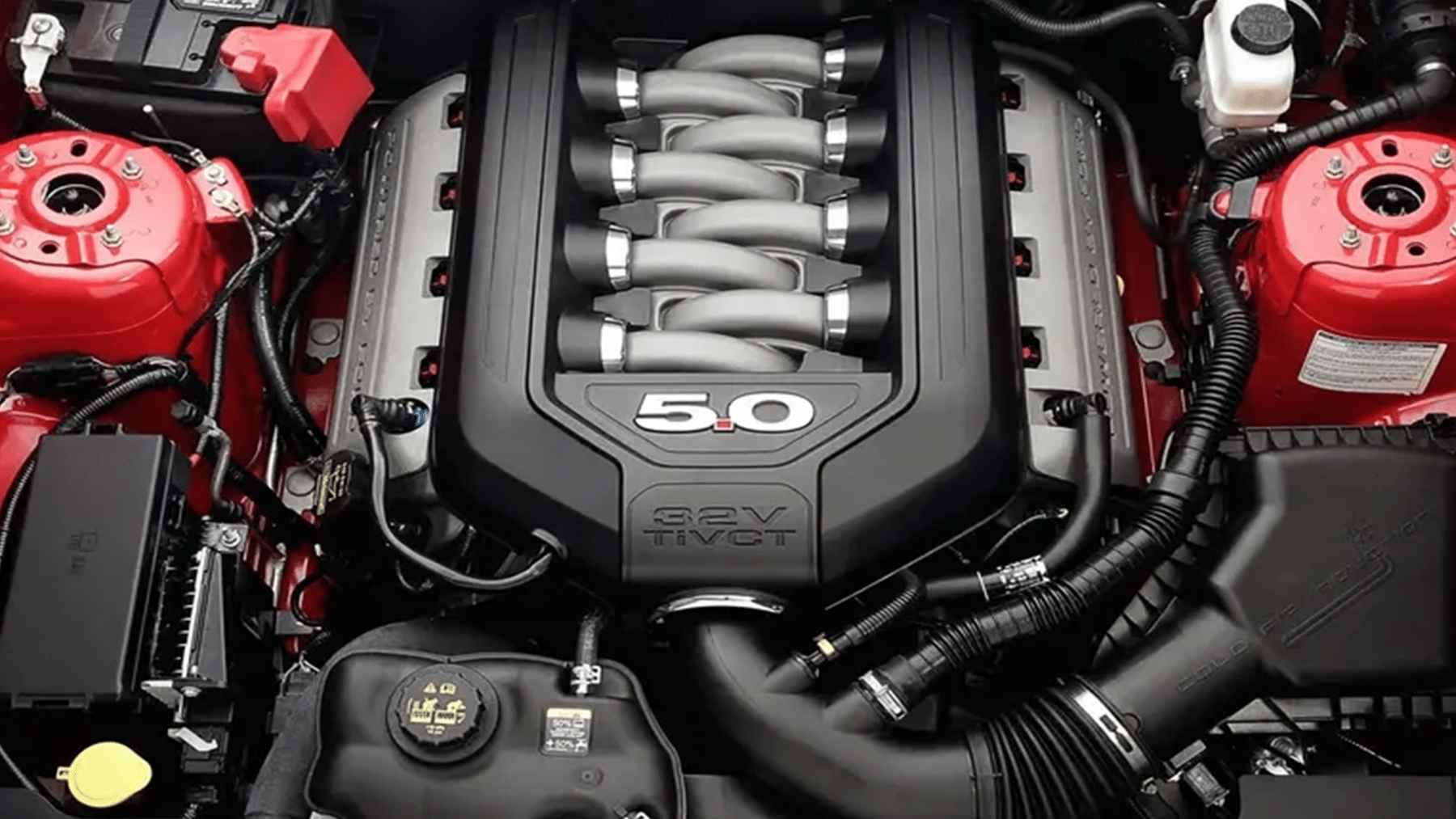
It’s not going to catch every recall there is, since Ford basically has a recall for every component at this point, but it will catch the more alarming and life-threatening ones that have to do with engines. “We’re going after it,” said Plant Manager Neil Wilson to Road & Track. He works at the Essex Engine Plant that produces the 5.0-liter Coyote and 7.3 V8’s for Ford’s Mustang and pickup trucks.
To be clear about how bad it’s gotten: Ford has issued more recalls than any other automaker in the U.S. every single year since 2020. Last year alone it was more than 150 of them, covering close to 13 million vehicles. Ford’s own line is that most of the trouble comes from older models, and that newer cars are getting far more scrutiny. Sales aren’t helping the mood, down around 9% in the first quarter of 2026. So “desperate” isn’t really an exaggeration.
The teardown idea didn’t even start in Detroit. Ford borrowed it from its plant in Valencia, Spain, which had quietly been pulling an engine apart every day and posting the best quality numbers in the company. Once Ford noticed, it pushed the practice out to every plant. There’s a second change running alongside it: instead of stopping engine tests at a set simulated mileage, Ford now runs them until they actually break. Failures that used to only show up in customer driveways are finally getting caught in the lab.
Ford’s new engine tear down tactic is working
Back in the day, the Quality Assurance team would tear down an engine once every three months. Now, QA is doing it daily. A completed engine is taken from the line to go through rigorous testing, then torn down to each component for inspection.
Predictive analysis will let the team know where to look for problems before they even run the engine. The report pointed out a time at the Dearborn Engine Plant where taking an engine apart revealed issues with an engine that had been used for fewer than 10 days, just 278 assembled vehicles. This could have been a lot worse. If the engine issue wasn’t detected, the engine could have been used in tens of thousands of vehicles, leading to a recall that would require a new engine. It’s a lot of extra work, but Ford has confirmed that it’s working.
There have been fewer warranty claims since doing this. But even avoiding just that one engine issue made it all worth it. Unfortunately, not every recall has been engine-related. One of the most recent was a transmission clutch issue that a previous recall didn’t fix. Other recent recalls include peeling chrome trim that can cut skin, rearview camera images not displaying, and the integrated trailer module losing communication with the vehicle while towing. No part is safe when you drive a Ford. Well, maybe the engine is now.
 @ricky ROOKIE3 months ago