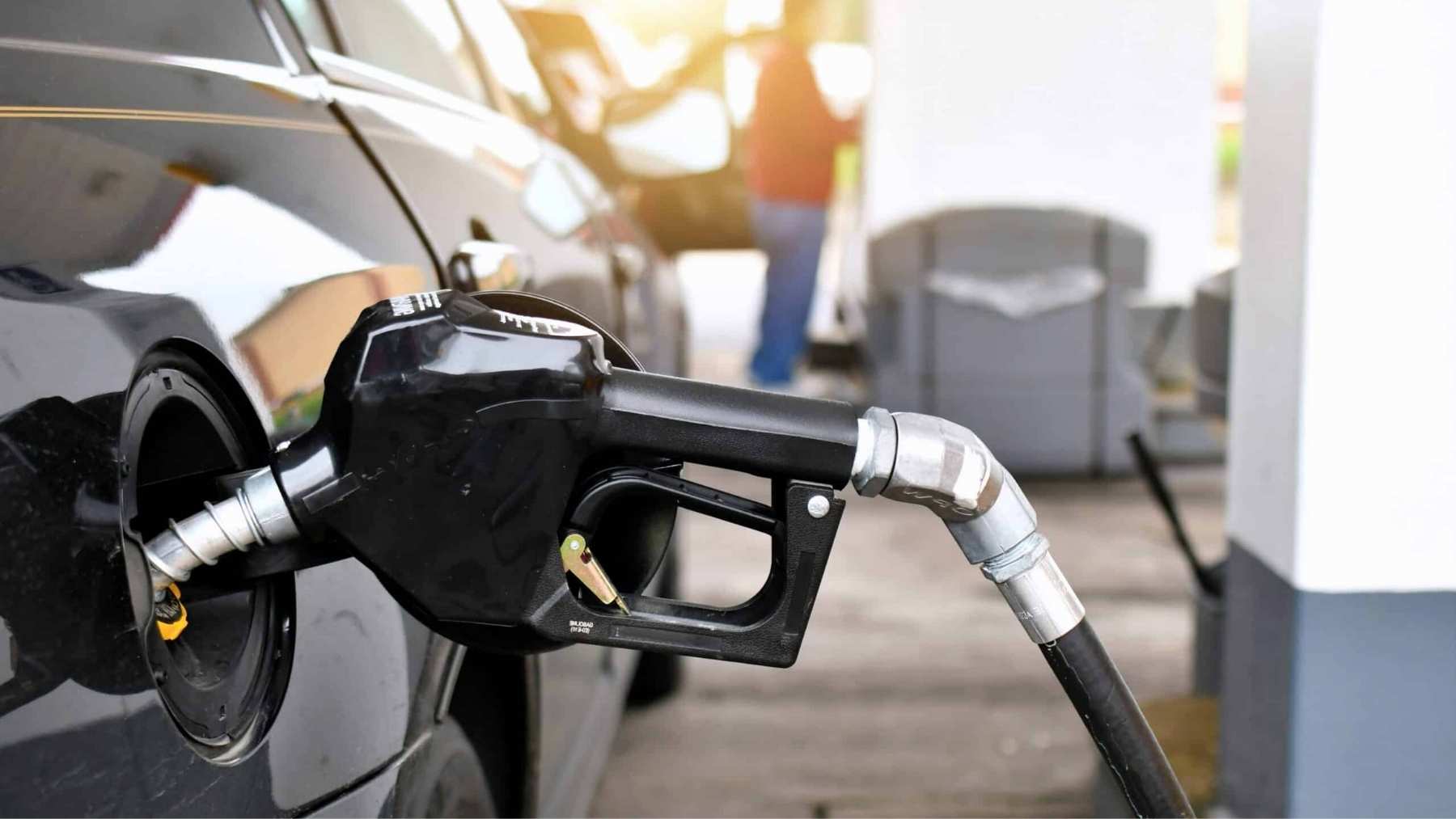

In a bid to counter rising gas prices, the EPA has introduced a temporary waiver allowing the sale of E15 fuel. For those who don’t know, E15 (which is sometimes sold as unleaded 88) contains up to 15% ethanol.
The ethanol content does reduce the costs of producing the fuel, which should carry over to the customer at the gas pump. There are a couple of downsides, though. Firstly, the fuel is a little less efficient than regular gasoline. Compared to E10, the fuel that is usually sold in the US, you’re likely to see around a 1-2% drop in fuel economy. Though this decrease should be more than offset by the price reduction. There are some cases where high ethanol fuel can vastly improve performance, but this doesn’t really apply to E15.
However, there may be a worry about E15 fuel damaging your engine. While you may have heard ethanol burns hotter than gas, that’s not actually the case. E15’s combustion temperature is actually lower than straight gasoline. However, as it’s less energy dense it actually causes your engine to “run lean” which increases overall engine temperature.
That’s not to say E15 can’t cause damage. Ethanol is an aggressive solvent, and could damage deals, gaskets, and fuel hoses. It’s also good at pulling water from the air, which can cause phase separation in the tank. But is your engine actually at risk from E15 fuel?
Newer engines are likely to be fine, but older vehicles may have issues
If you have a newer vehicle, E15 shouldn’t be a problem. Studies have shown that E15 is generally safe for vehicles manufactured after 2001, and the Renewable Fuels Association claims more than 93% of new vehicles have been approved for E15 usage by the manufacturer.
The one caveat with newer vehicles relates to the vehicle warranty. Using E15 in some vehicles may still violate the manufacturer’s warranty, even if that vehicle has been built to handle higher ethanol fuels. So checking your owner’s manual before filling up may be a good idea. Your vehicle is probably covered, but it’s always best to be sure.
For vehicles built before 2001, it’s a very different story. Older cars and trucks tend not to be E15 compliant, so putting the fuel in those vehicles is likely to cause a lot of issues. This can range from improper combustion and fueling issues, to corrosion, high cylinder head temperatures, valve damage, and higher engine wear.
Vehicles with smaller engines, like motorcycles ATVs and snowmobiles, should also avoid E15. These engines weren’t specifically included in the EPA waiver, and there’s a good chance they were built to run on E10 or pure gasoline only.
So if you have an older vehicle, what should you do? You probably need to avoid standard fuel until the EPA waiver expires. While Premium does cost significantly more, it’s still cheaper than replacing a head gasket, engine block, or a fuel system.
On the plus side, it’s estimated that more than 90% of vehicles on US roads were built after 2001, and should be E15 compliant. But if you run a classic on the weekend, or have been keeping your old banger going since 1996, you should definitely double check your fuel’s ethanol content for the foreseeable future.