
Oil prices are plummeting as the US and Iran edge closer to peace. But does that make an EV a less appealing purchase? Yes, charging prices can be higher than gas costs if you use a public charging station, but you can still save a significant amount of money per mile if you charge your vehicle at home.
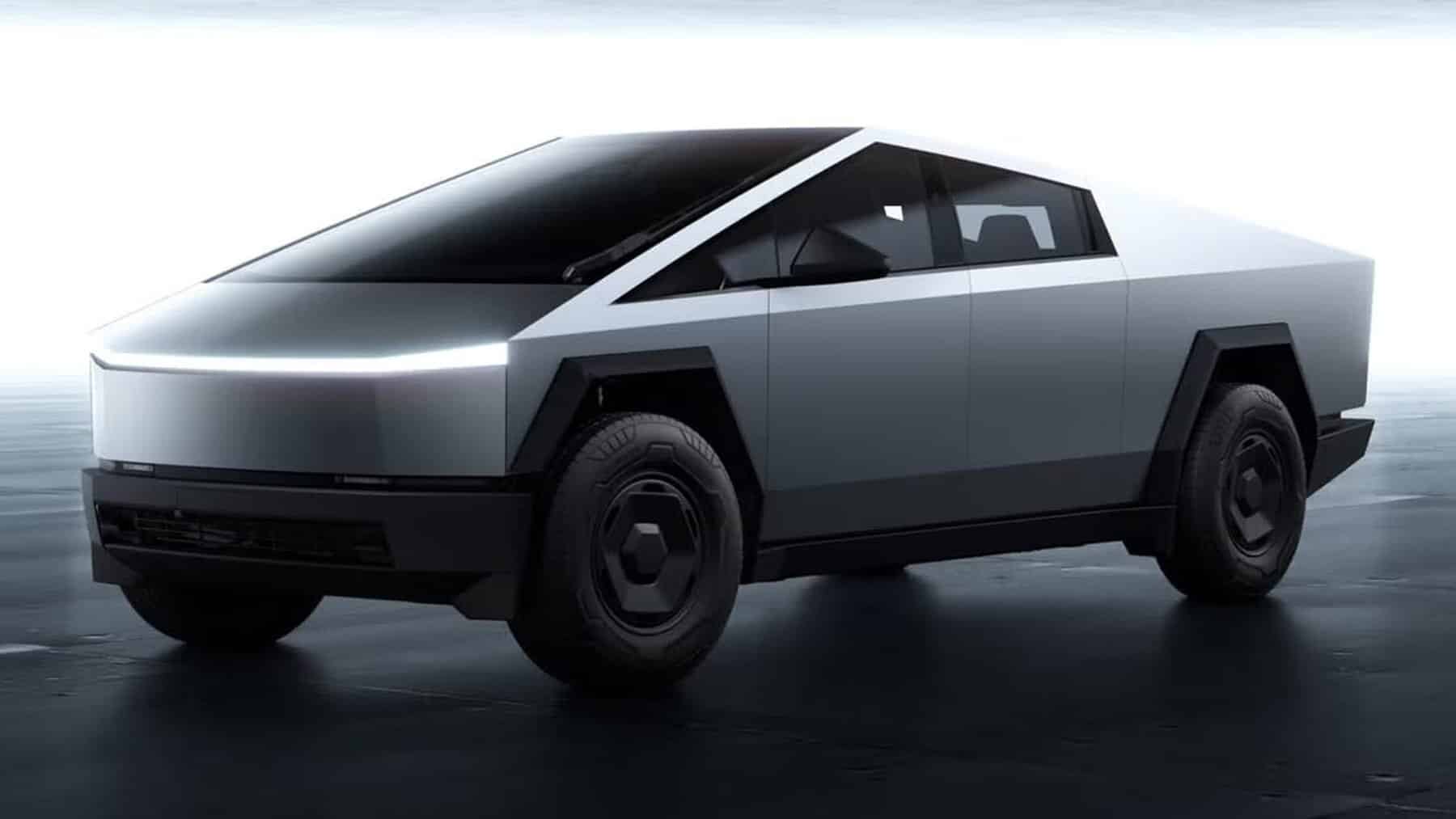
But does the lower cost of EV charging compared to running an ICE vehicle offset the eventual expense of a battery replacement? According to one reddit post it does. An argument originally posed by u/d-cent, and double checked by the “They did the Math” subreddit claims that the average vehicle will spend around $54,000 on gas over 20-years if gas averages $4.50 a gallon. With electricity prices at 18.5 cents per kWh, a Tesla will only spend $16,650 on charging over those 20 years.
With a battery replacement costing $16,000, EV owners could save more than $20,000 in that time. Which is plenty of wiggle room, even if gas does head back towards $3 per gallon.
There are other outliers to consider too. Some Teslas were sold with free lifetime charging, and some people use solar panels on their properties to charge their vehicles. Both of these will experience significant savings. The costs of battery replacement also varies by vehicle and manufacturer, as does the EV’s efficiency, so some vehicles will be a worse deal than others.
In addition to the fuel, there are other ways EVs can both save you, and cost you money.
An EV may actually be even cheaper than Reddit estimates
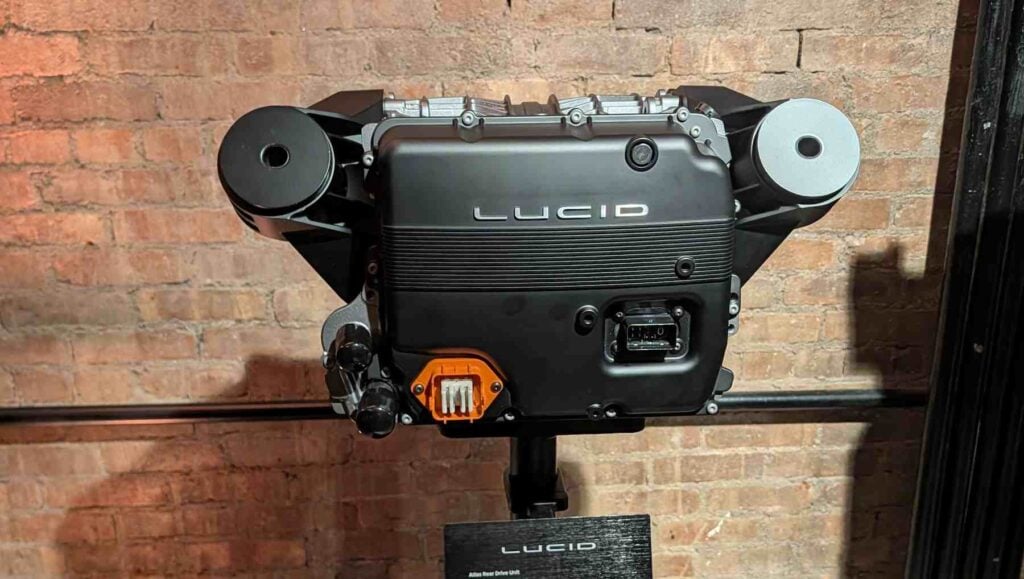
While fuel cost savings are still a major benefit of EVs over ICE vehicles, they aren’t the only way EV owners save money. EVs also tend to be cheaper to maintain than ICE vehicles, and electric vehicle owners will spend around 50% less on average keeping their vehicle on the road.
EVs are cheaper to maintain for a few reasons. Firstly, there are fewer moving parts. An engine contains hundreds of individual pieces, and there is more than just an engine under the hood of an ICE vehicle. So an EV owner won’t have to change a spark plug, or refurbish a transmission.
Routine maintenance is also cheaper on EVs. Regenerative braking means your brake pads, disks, and calipers will see far less use and replacing them will be a rare thing. Oil changes, which should be undertaken every month in an ICE vehicle, aren’t an issue on an EV either. Most EVs just require a coolant change every few years.
Contrary to popular belief, some EVs do in fact use oil. Higher-end motors tend to be oil cooled, and that oil will need replacing at some point. But combustion doesn’t happen in a functional motor, so that oil degrades a lot slower than the stuff in a standard engine. As a result, it only needs swapping out every 100,000 to 150,000 miles.
As a result, annual maintenance costs on something like a Tesla Model 3 tend to sit between $250. That’s because all you really have to do is get the tires rotated, maybe change one every once in a while, and swap out parts like the cabin air filter once every couple of years.
A Toyota Corolla is famously cheap, as far as ICE-vehicle maintenance goes. But it will still need pretty much everything a Model 3 needs, along with additional brake work and oil changes. That means the average cost of maintaining a ‘Rolla each year is $350.
The gap widens significantly at the higher end. A Rivian R1S’ annual maintenance costs average out between $250 and $300, pretty much the same as any other EV. Compare that to a Range Rover, where you’ll be paying around $2,500 a year to keep it on the road once it’s out of warranty.
There is one significant hidden cost with EVs
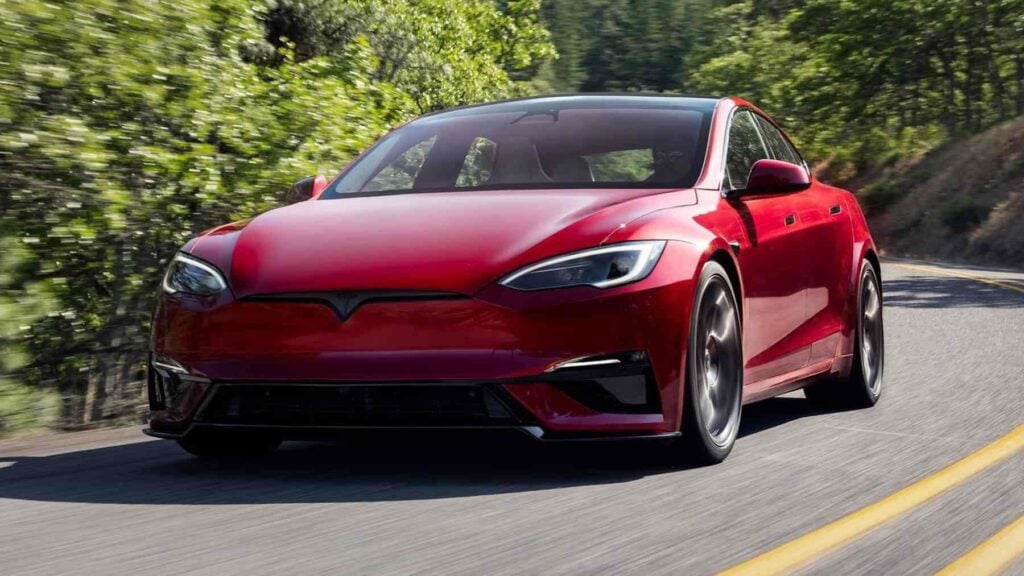
While you’ll save on running costs if you charge smart, and maintenance shouldn’t be an issue, there is still one area where EV owners tend to get hit hard. Insurance premiums can be up to 50% higher on an electric vehicle, costing EV owners hundreds if not thousands more per year.
There are three main reasons for higher insurance premiums on EVs. And two of them center on cost. Firstly, there’s the overall MSRP of the vehicle, which tends to be significantly higher with an EV. An EV can cost as much as $20,000 more than its ICE equivalent, and this is a factor if the vehicle is written off.
Then you have the fact that EVs are more likely to be a write off in an accident. This is because many EVs, especially Teslas, tend to use “gigacasting” during manufacturing. This can mean a relatively minor crash will warp the vehicle’s frame and render it unusable. Then there are certain parts, like the battery pack, which are so expensive to replace that an insurer may opt to write the vehicle off rather than pay to fix it.
Finally, there’s the performance aspect. EVs tend to accelerate pretty hard, even the tame looking ones can post 0-60 times that would smoke any supercar built before 2004. In the hands of an inexperienced or less skillful driver, this could increase the odds of an accident. Hence the increased insurance costs.
While performance will likely still be a factor going forwards, insurance costs may soon improve for EVs. Many companies, including BMW, Rivian, and Lucid, are aiming to bring cheaper electric vehicles to the market in the near future. A cheaper car tends to have cheaper insurance.
So while there are some disadvantages to owning an EV, people opting to go electric should save significantly in the long run. Especially as that battery may not even need replacing as soon as you think.
 @artadams ROOKIE3 months ago