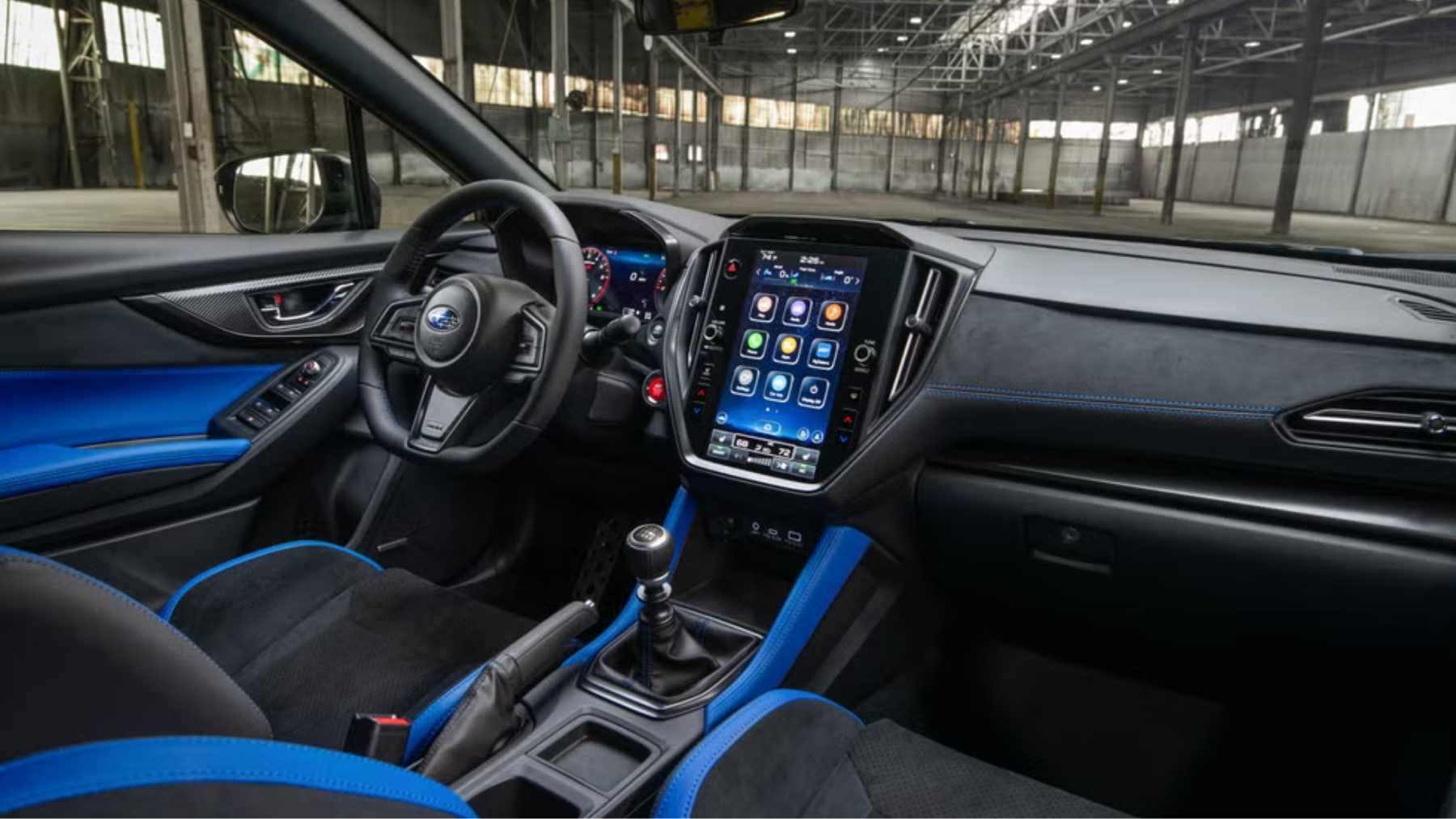

There has always been a debate about manual driving in the car community. As the transmission continues to disappear, some purists keep it alive, arguing that it makes driving more engaging.
You feel more at one with the car. You have more control. And, best of all, you can argue you’re a better driver all around and, frankly, a superior human being.
I’m just kidding, but you’d think that was the argument if you read enough Reddit threads on the matter.
Either way, research from Japan recently gave the purists actual ammunition. Driving a manual transmission may be linked to improved memory, attention, and decision-making.
I swear, I didn’t make this up
I am not just saying this because I drive a few manual cars. I swear on my life. The claims come from Professor Ryuta Kawashima at Tohoku University’s Institute of Development, Aging and Cancer, as first reported by Japanese outlet Best Car Web.
If that name sounds familiar, it’s because Kawashima is the neuroscientist behind Nintendo’s Brain Age games. The floating polygon head that judged your math skills on the DS? That’s him.
According to his research, the physical sequence required to operate a manual stimulates the prefrontal cortex, the brain region handling memory, attention, and decision-making. “Because you have to judge and select the optimal gear according to the situation, it puts a better load on the brain’s cognitive functions than a passive automatic transmission (AT) car,” Kawashima said, per Best Car Web’s translation.
Drive one every day (darn), and that repeated mental workload may help maintain cognitive function as your brain ages. The same, apparently, could not be said for commuting in an automatic.
One honest caveat: this doesn’t mean a stick shift prevents cognitive decline, and it’s not a substitute for sleep, exercise, or any other healthy habit. It just suggests your commute could double as a light brain workout.
The man has receipts, and he turned down millions
Before you dismiss this as one professor’s hot take, know that the prefrontal cortex is literally Kawashima’s life’s work. His lab focuses on functional brain imaging, and his “learning therapy” program for dementia patients has been used in hundreds of care facilities across Japan.
Also, the man reportedly turned down his share of the Brain Age royalties, roughly $11 million, and let the money fund laboratories at his university instead. He is not doing sponsored content for clutch pedals. He simply does not care about your feelings, or money.
The underlying logic checks out, too. A manual driver constantly juggles speed, engine revs, traffic, road incline, clutch position, gear selection, and throttle, all at once. Brain-imaging research has already shown that driving loads up working memory and attention networks. A manual simply refuses to do any of that work for you.
An automatic, meanwhile, handles the busywork itself. Convenient in traffic? Absolutely. A workout for your frontal lobe? Not so much.
That probably explains why we are all so stupid
Unfortunately, not many of us are getting this particular brain exercise anymore. In Japan, manuals account for only 1 to 2% of new car sales, per Best Car Web, surviving mostly in cheap kei vans and a few sports models.
The United States is worse. Just 0.8% of new light vehicles sold here in 2024 had a manual, according to JATO Dynamics data. Back in 2010, it was 6%. Today, fewer than 30 new models even offer one.
So there it is. It’s not the mindless scrolling through TikTok. It’s not the flavored vapes. It’s not the refusal to read a book. We are all so stupid because you’re driving a Toyota Corolla every day instead of a Toyota AE86.
Europe, meanwhile, is still hanging on. In 2000, 89% of new cars registered there were manuals, per JATO. By 2023 that had crashed to 32%, but southern Europe keeps the faith: as recently as 2020, automatics were only about a third of new sales in Spain and barely over a quarter in Italy, per ICCT figures.
I guess Europe is smarter than the United States. But at least we have actual Chinese food over here.
There’s hope for your prefrontal cortex yet
The good news is that not everyone has given up on your brain. Subaru just promised three new manual models by 2027, including an affordable enthusiast hatchback.
And the demand is very real. When Subaru capped a manual WRX STI Sport at 600 units for Japan, more than 9,000 people applied to buy one. That’s a 15-to-1 ratio of brains begging for a workout.
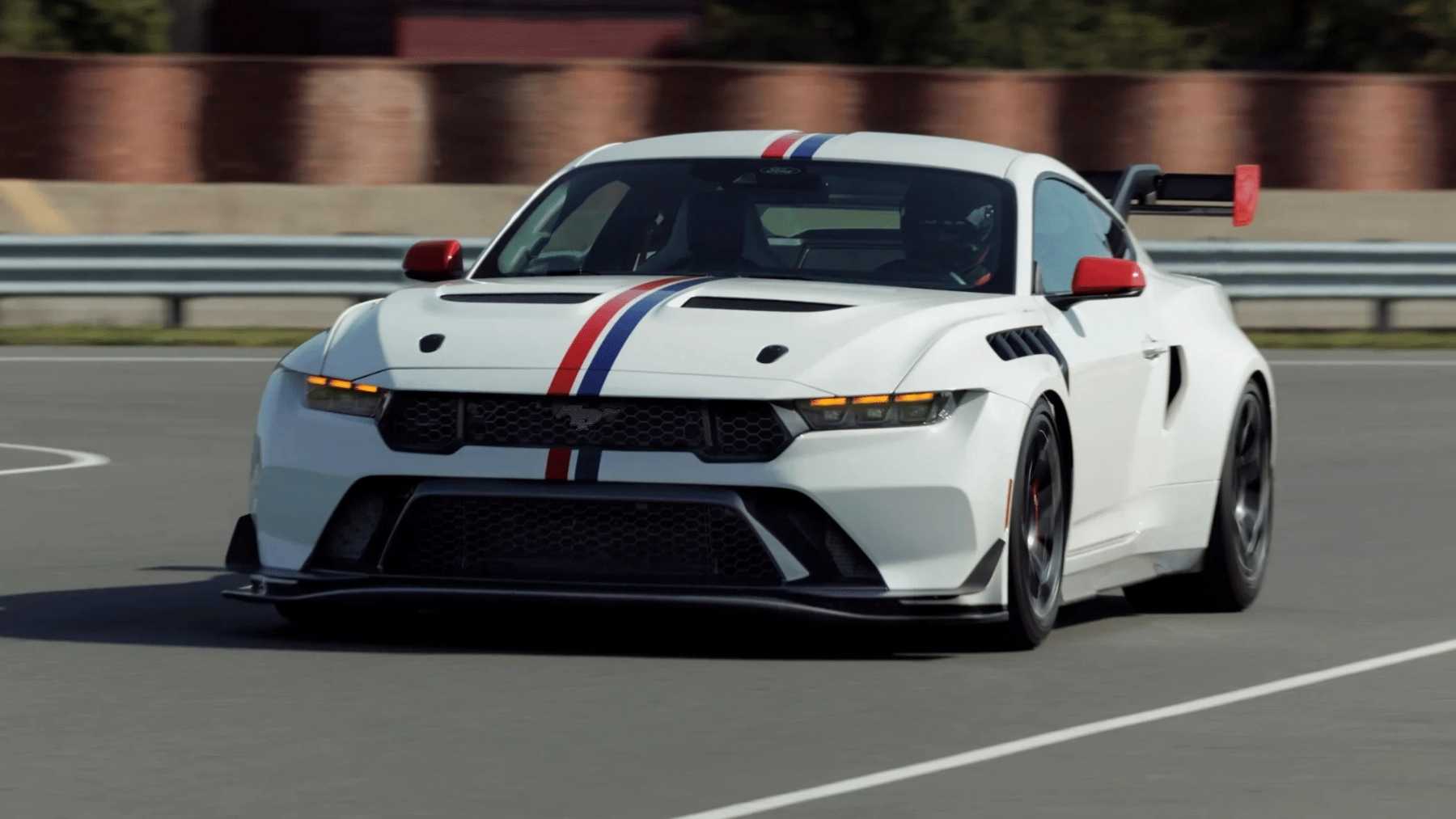
Honda still sells you a Civic Si and Type R with three pedals. Mazda will not let the Miata die. Toyota keeps the GR86 and GR Corolla around. The gym is small, but it’s open.
So the next time someone asks why you still drive stick, you officially have a doctor’s note. Rev-matching is brain training now, and I’d like to see a crossword puzzle do that.
The real question is whether America wants the workout or the cupholder. Actually, never mind. We already know the answer, don’t we?