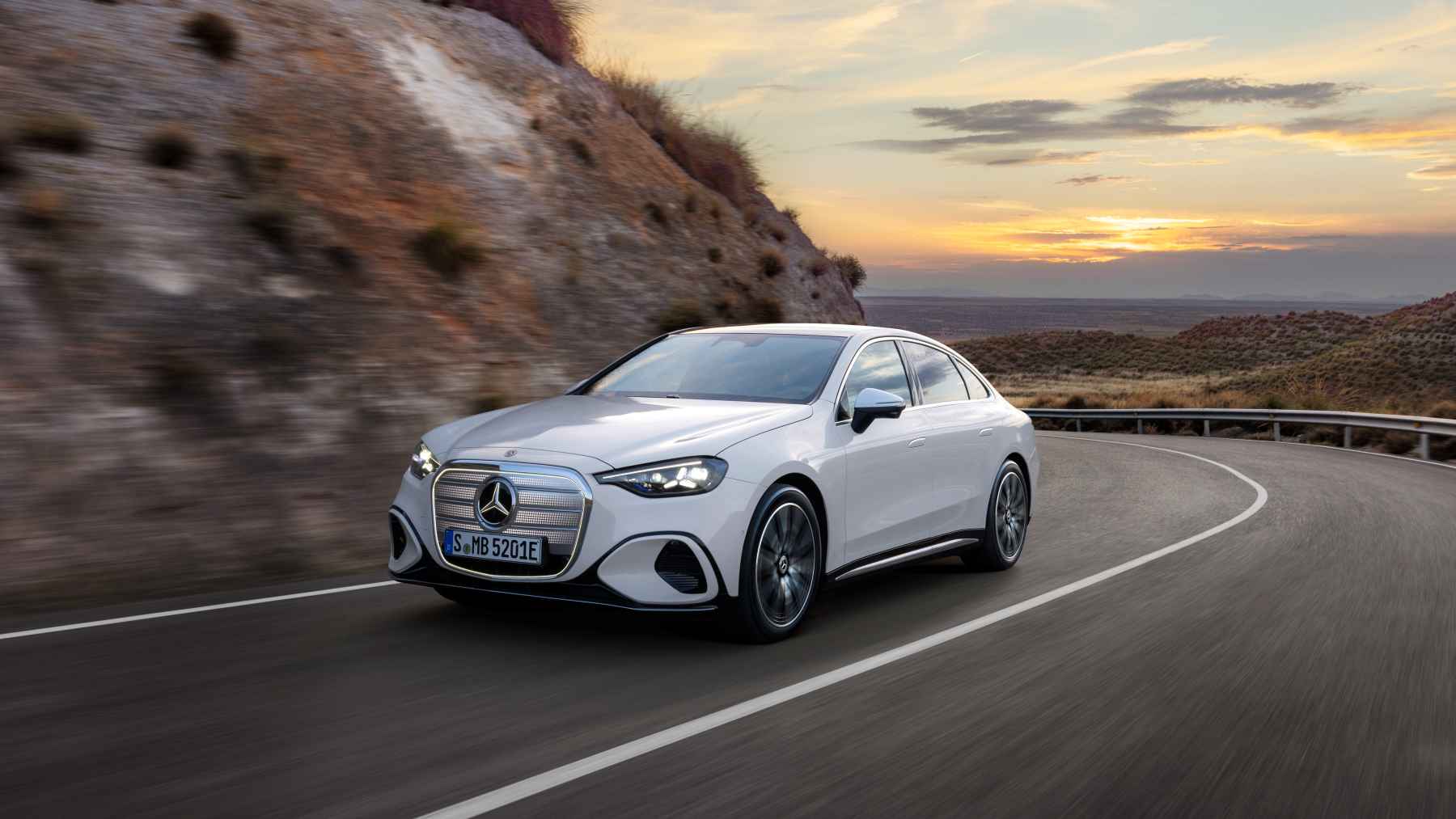

Mercedes has just announced its upcoming all-electric C-Class. The new EV looks absolutely fantastic and comes with a spec sheet capable of backing up the looks. But it has a pretty obvious rival that’s due to go into production.
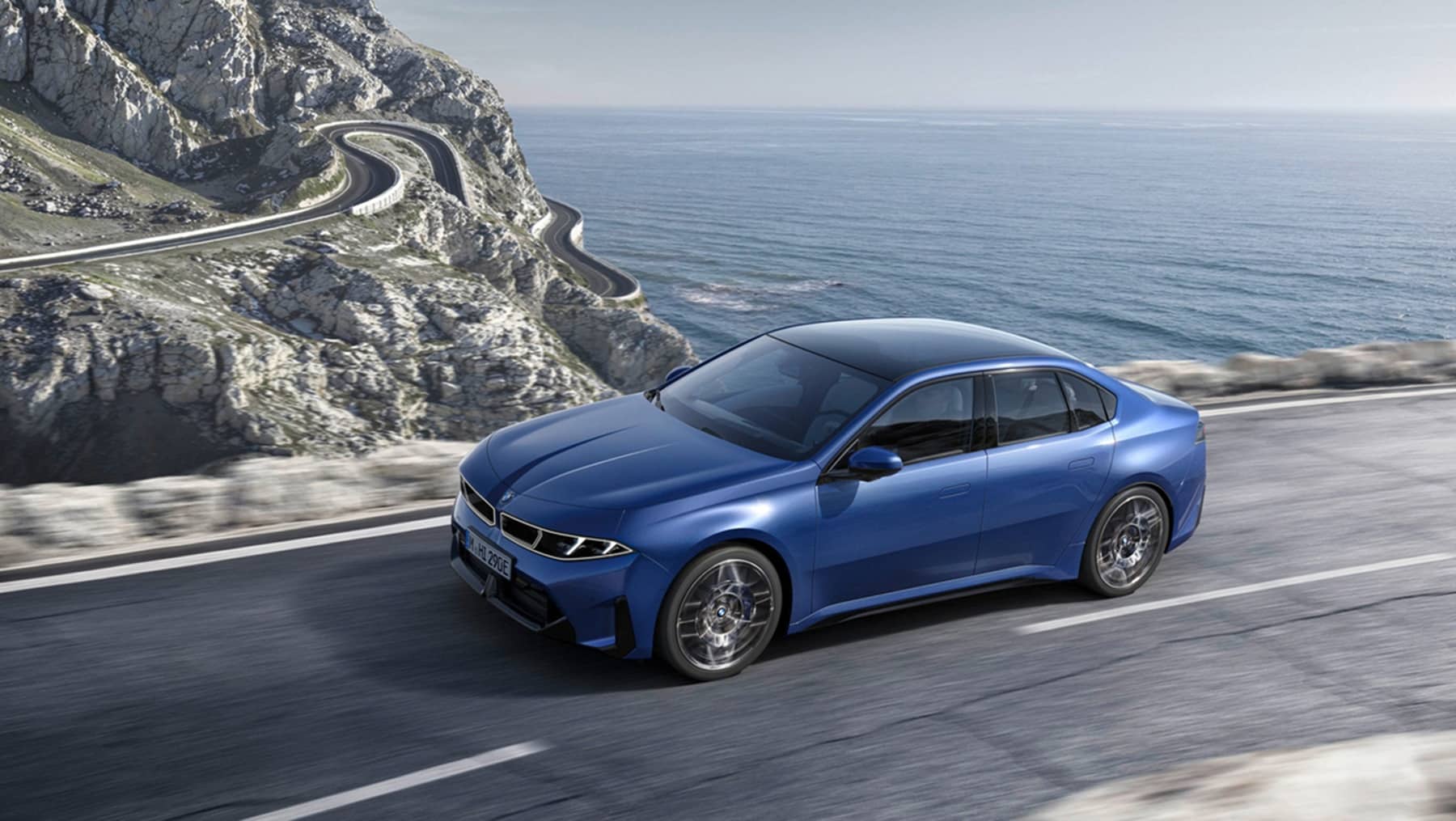
BMW announced the upcoming i3 back in March 2026. Unlike the original i3, which was a strange little hatchback with a range extender, the new model is an electric, Neue Klasse spin on the 3-series. So a full-fledged sedan. It also looks great, and it also boasts impressive specs.
But which is better? Well, we won’t know until both vehicles are out and people have driven them. But we can compare the specs and speculate.
As things stand, both vehicles boast similar stats, with BMW winning in certain areas and Mercedes in others. The i3’s dual motor configuration puts out a reported 469 horsepower, while the C-Class, which also operates a dual-motor setup, has slightly more with 482. Mercedes also claims the C-Class will produce 590 lb-ft of torque, while BMW has not released that specific spec for the i3. With the horsepower and weight of both vehicles relatively close, performance might be determined by overall vehicle weight and torque. So this is a space to watch going forward.
BMW does have a clear lead in both range and charging. Both vehicles are built on an 800-volt architecture, but BMW offers 400kW charging while the Mercedes caps out at 330 kW. That means you can get 249 miles into the BMW in as little as 20 minutes, while the Merc will only add 202 miles of range in that time.
In terms of overall range, there is a clear gap. Mercedes is claiming up to 473 miles, which is pretty amazing for an EV. But BMW outguns it, with a staggering 559 miles of predicted range on the upcoming i3. While multiple factors go into range, including aerodynamics and software, the gap suggests BMW is packing more batteries. Which would make it heavier than the C-Class and factor into that performance battle we mentioned earlier.
Both vehicles will have all wheel drive as an option, and other performance specs are yet to emerge.
How do the vehicles compare on the inside?
Luxury sedans aren’t just about performance. They’re also supposed to be comfortable. When it comes to the i3 vs the C-Class here, it’s probably going to come down to personal preference.
BMW i3 vs Mercedes C-Class
The Electric Luxury Sedan Battle
Two of Germany’s most anticipated electric sedans go head to head. One arrives this summer, the other in 2027. Here’s how the specs compare.
BMW’s new panoramic screen is pretty incredible. It’s very easy to customize with your choice of widgets, it’s shielded from the sun, and it just livens up the car’s dashboard. It’s also paired with a more traditional 17.9-inch central display, which will be very familiar to many vehicle owners.
Mercedes’ MBUX infotainment system, with its massive 39.1-inch screen, is an incredible thing to experience. You can just sit and comfortably watch movies in your vehicle.
Both vehicles will have virtual assistants too. Mercedes uses a number of commercial AIs to get by, including ChatGPT, Bing, and Gemini. BMW was developed in conjunction with Amazon. I haven’t had much experience with Mercedes’ system, but I can say BMW’s AI assistant is probably the best I’ve experienced in a vehicle.
We’re going to see the BMW i3 first, with production scheduled to start in mid-2026 and deliveries beginning shortly afterward. The electric Mercedes C-Class is due to hit dealerships in the first half of 2027. Oh, and yeah, the Mercedes has a star logo in its headlights.