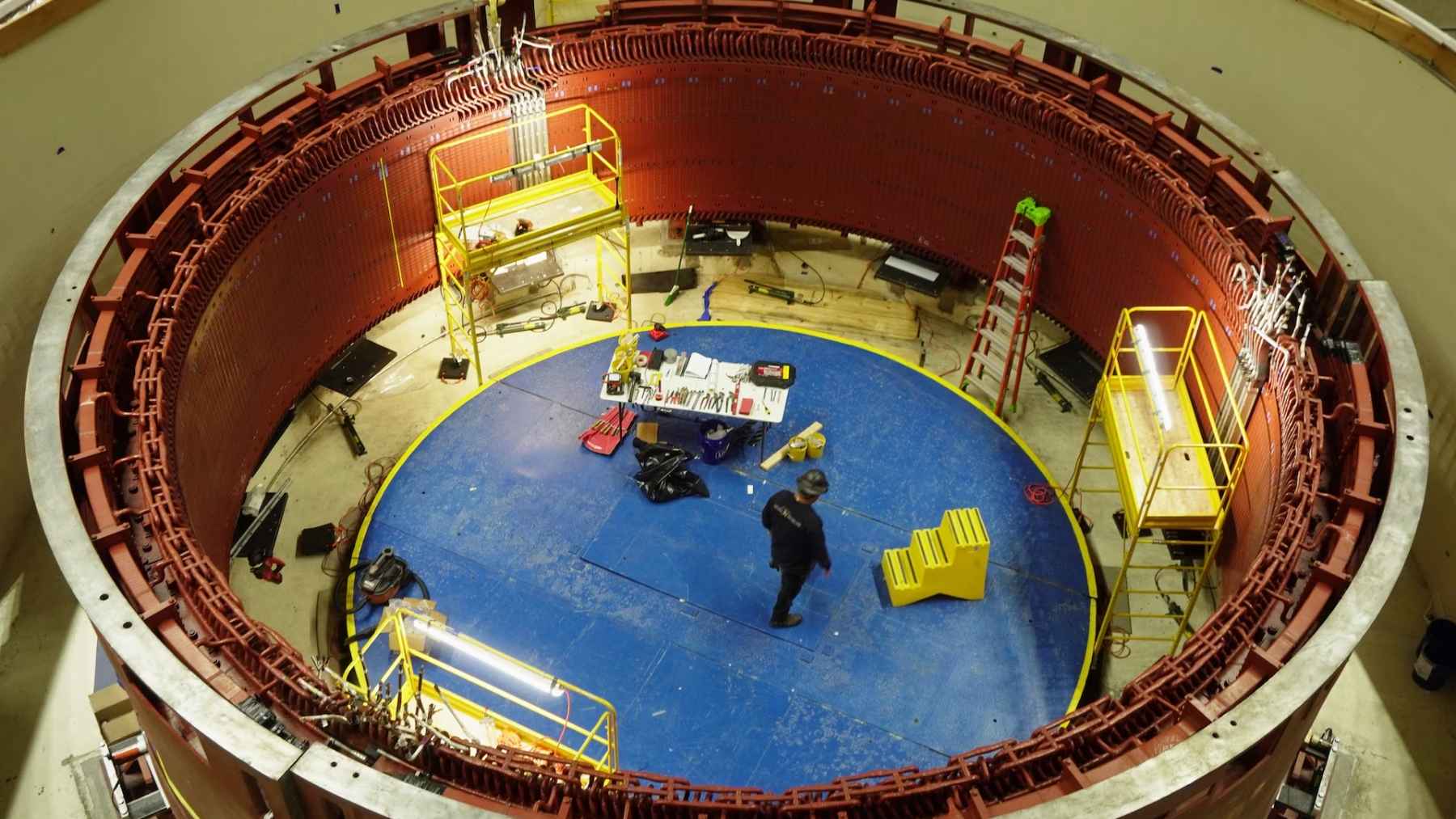

If you’ve ever siphoned the last of the gas out of a lawnmower to put it in your car, you’ve done a crude version of what a British nuclear cleanup team spent most of 2026 doing. The difference is that their liquid heats itself, it had been sitting in the same tanks since the 1950s, and they had to move it 10.6 gallons at a time, 2,250 times over.
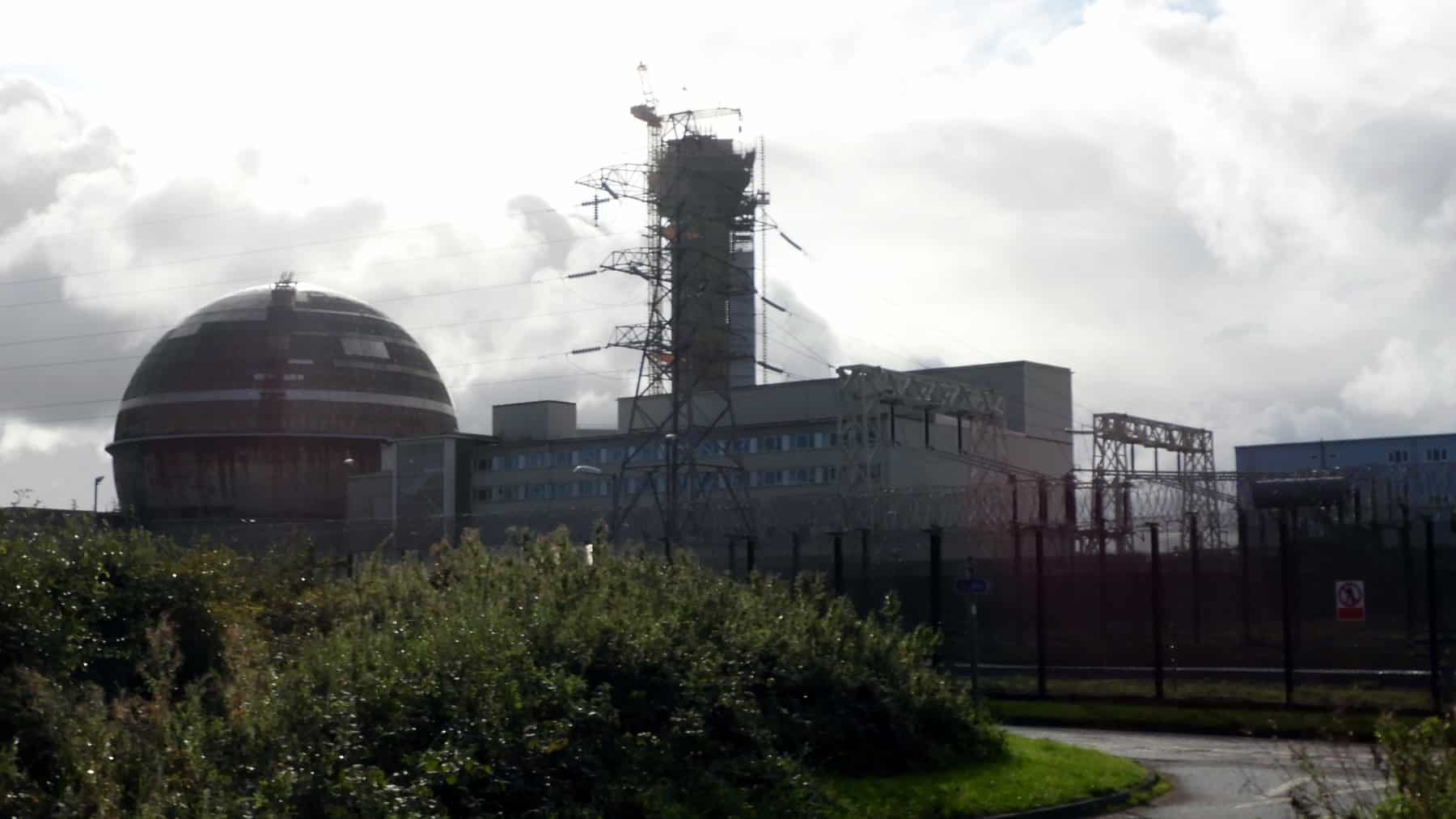
Sellafield Ltd, the company that runs Britain’s biggest and most hazardous nuclear site on behalf of the government’s Nuclear Decommissioning Authority, announced on October 8 that the job is done. The old tanks in a building called HALES are empty, the liquid is parked in newer ones inside the same facility, and the work wrapped up in months rather than the year-plus the planners had budgeted.
So what was in there, and why did nobody move it sooner?
Radioactive liquid that keeps itself warm
HALES stands for Highly Active Liquor Evaporation and Storage, which is the nuclear industry’s way of saying “the building where the nastiest liquid waste on site gets boiled down and parked.” When you reprocess used reactor fuel to pull the uranium and plutonium back out, what’s left is a nitric acid soup loaded with fission products. That soup is the liquor. The evaporators cook it down to a smaller volume, and the storage tanks hold it until it can be turned into glass.
The “self-heating” part isn’t marketing. Those fission products are still decaying, and radioactive decay throws off heat, so a tank full of this stuff warms itself up without anyone lighting a burner. That’s why the tanks are cooled and watched around the clock, and it’s why getting the liquid out of a tank built in the 1950s and into a modern one counts as a real safety improvement rather than a tidy-up.
The batch in question is called BUTEX liquor, after the solvent process Britain used in its very first reprocessing plant. The liquid came out of those 1950s runs and, per Sellafield, has been sitting in the oldest HALES tanks ever since. The original plan was to leave it there until the whole facility shut down. The site is crowded, nobody had a spare tank handy, and the stuff wasn’t going anywhere on its own.
Apparently that plan changed, and I’d argue it should have changed sooner.
Why 10.6 gallons at a time?
Here’s what I find most interesting. The oldest tanks hadn’t had a transfer run through them in almost 20 years, which means the valves, lines and controls needed to move the liquid had been idle for two decades inside a building you can’t exactly walk into with a wrench. Sellafield says there were real concerns the equipment wouldn’t work at all.
So the team didn’t start with the big pour. They updated the ventilation system, got sign-off from the Office for Nuclear Regulation and the Environment Agency, and then used the existing valves to shift a few gallons from an old tank into a newer one, basically to see if anything leaked, stuck or surprised them. What they learned from those first trickles went into the method for the main event.
That main event was 2,250 operating cycles at 10.6 gallons apiece. A compact car’s gas tank holds a bit more than that. You can see why the original estimate ran past a year.
Here’s one thing I can’t square, though. Sellafield’s own release says around 29,000 gallons needed moving, but 2,250 cycles of 10.6 gallons comes to roughly 23,800. The release describes what it finished as the “bulk removal” of the inventory and doesn’t explain the gap, so I’m not going to guess at a reason for you. Reporters elsewhere have noticed the same math.
Months instead of more than a year
Sellafield had penciled in more than a year for the work. The shift teams got through it in months, and they did it while HALES kept handling its normal daily load from the rest of the site, which is a bit like rewiring your kitchen without ever turning off the stove.
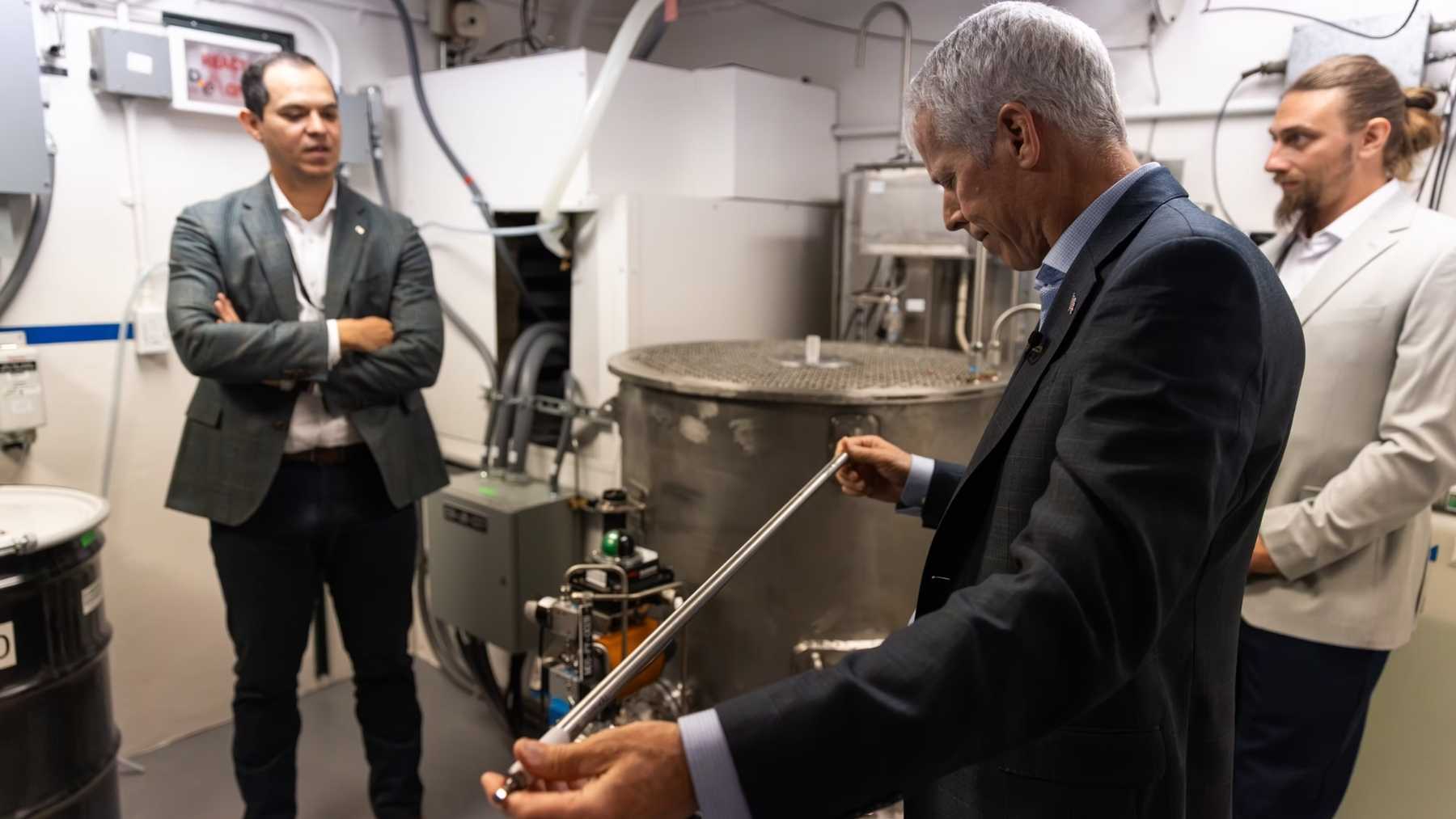
Chris Bone, HALES head of operations, said in the release that “a few years ago, there was real uncertainty about whether this could be done,” and credited the teams for working through it. The hard part was 20-year-old plumbing nobody had tried, and frankly that would make me nervous too.
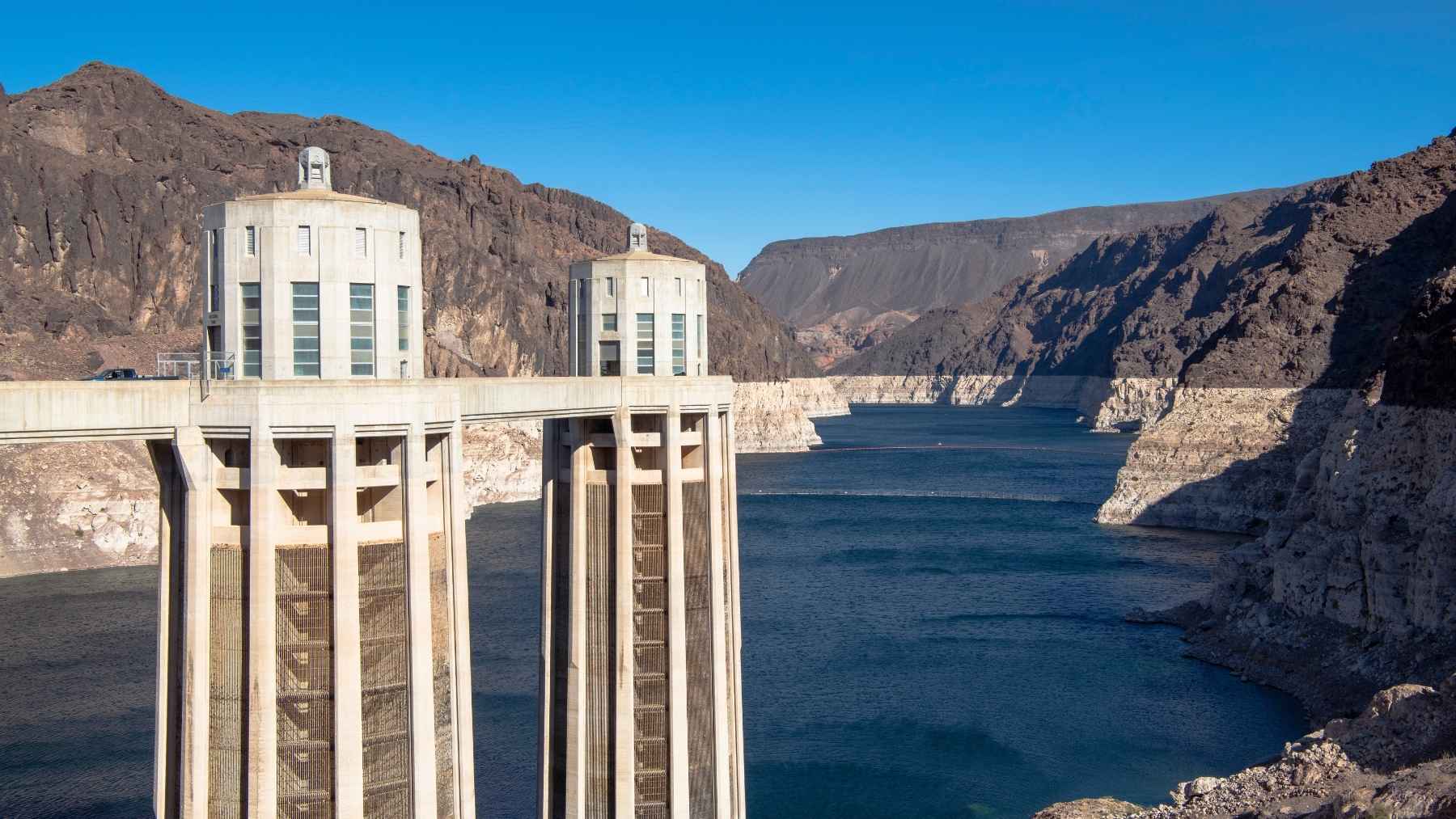
I’d also point out that this is the second piece of good news from the same site in a couple of months. Back in August, Sellafield reported that the replacement for its 41-year-old water filter, which runs on crushed rock from the Mojave Desert, was three quarters built. The place has a reputation for schedules that slip, so two jobs landing early or on time in one season is arguably a decent run for the place.
So is the waste gone?
No, and the release is careful about this. The liquid has moved from tanks built in the 1950s into newer tanks within the same facility, which takes the heat load off the oldest equipment in HALES. It’s still highly active liquor. Sellafield says the next step is vitrification, and the BUTEX liquor will sit in the newer tanks until that can happen.
Vitrification is basically turning a hot liquid you have to babysit into a solid block you can stack. The liquor gets mixed with glass, poured into stainless steel canisters and left to cool, and the NDA’s waste inventory notes that the finished glass takes up roughly a third of the volume of the liquor it came from. That’s a decent trade when storage space on the site was the problem in the first place.
Could they have moved it faster? Maybe. But everything in a facility like this happens behind thick walls with remote handling, the way America cuts open its own used fuel rods inside an argon-filled hot cell in Idaho, and a valve that fails in there is a very different problem from a valve that fails in your garage. From the looks of things, 10.6 gallons at a time was the price of not finding out the hard way.
Sellafield Ltd posted the completion notice on October 8, 2026, and the BUTEX liquor is now sitting in HALES’ newer tanks, waiting for its turn in the glass line.