
Desalination’s real bill is the electricity. Forcing seawater through a reverse osmosis membrane means holding it at high pressure, high pressure means pumps, and pumps mean a grid connection and a power bill that never stops.
That is most of the reason coastal cities keep pricing out ocean desalination and deciding they cannot afford it.
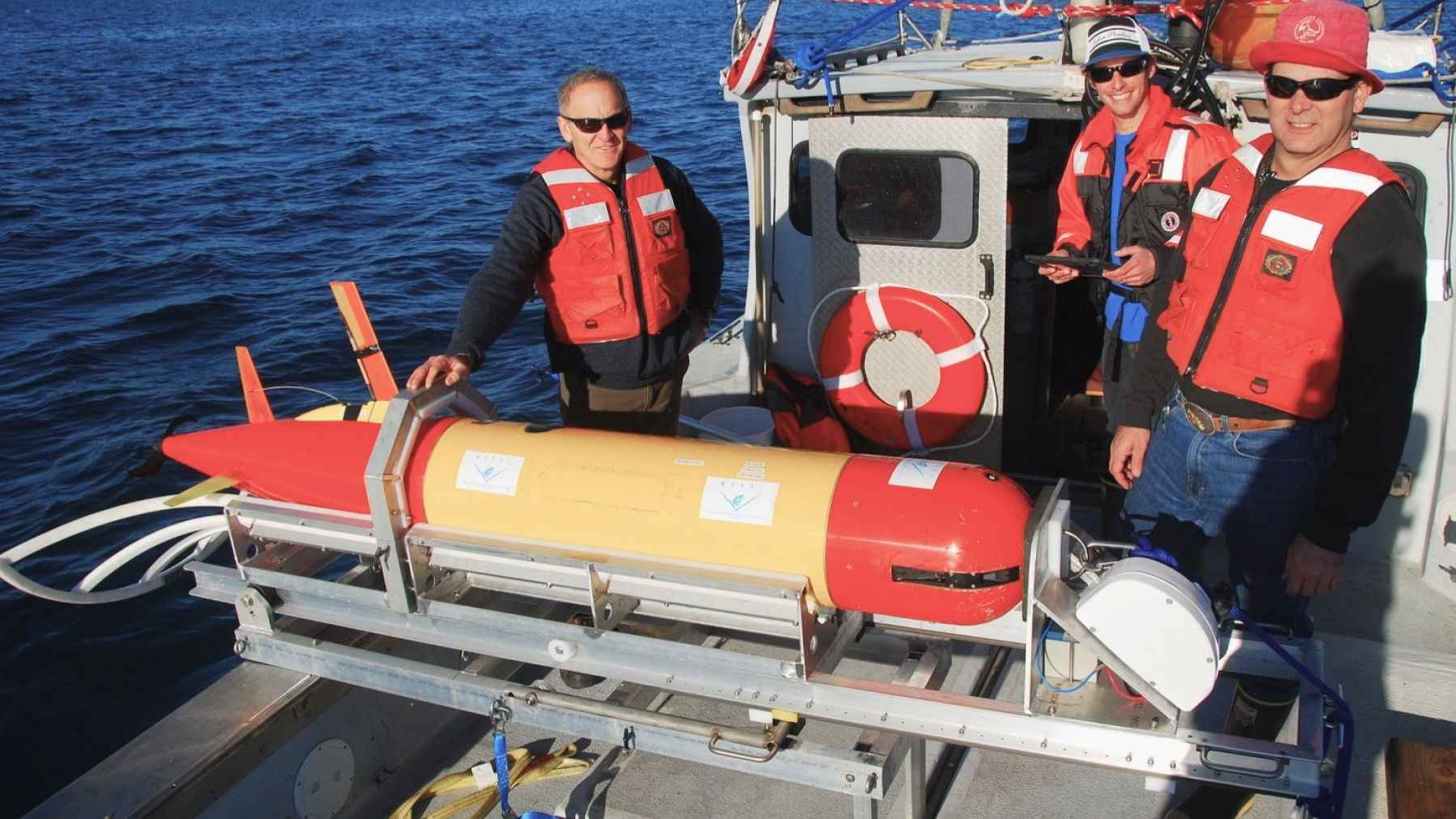
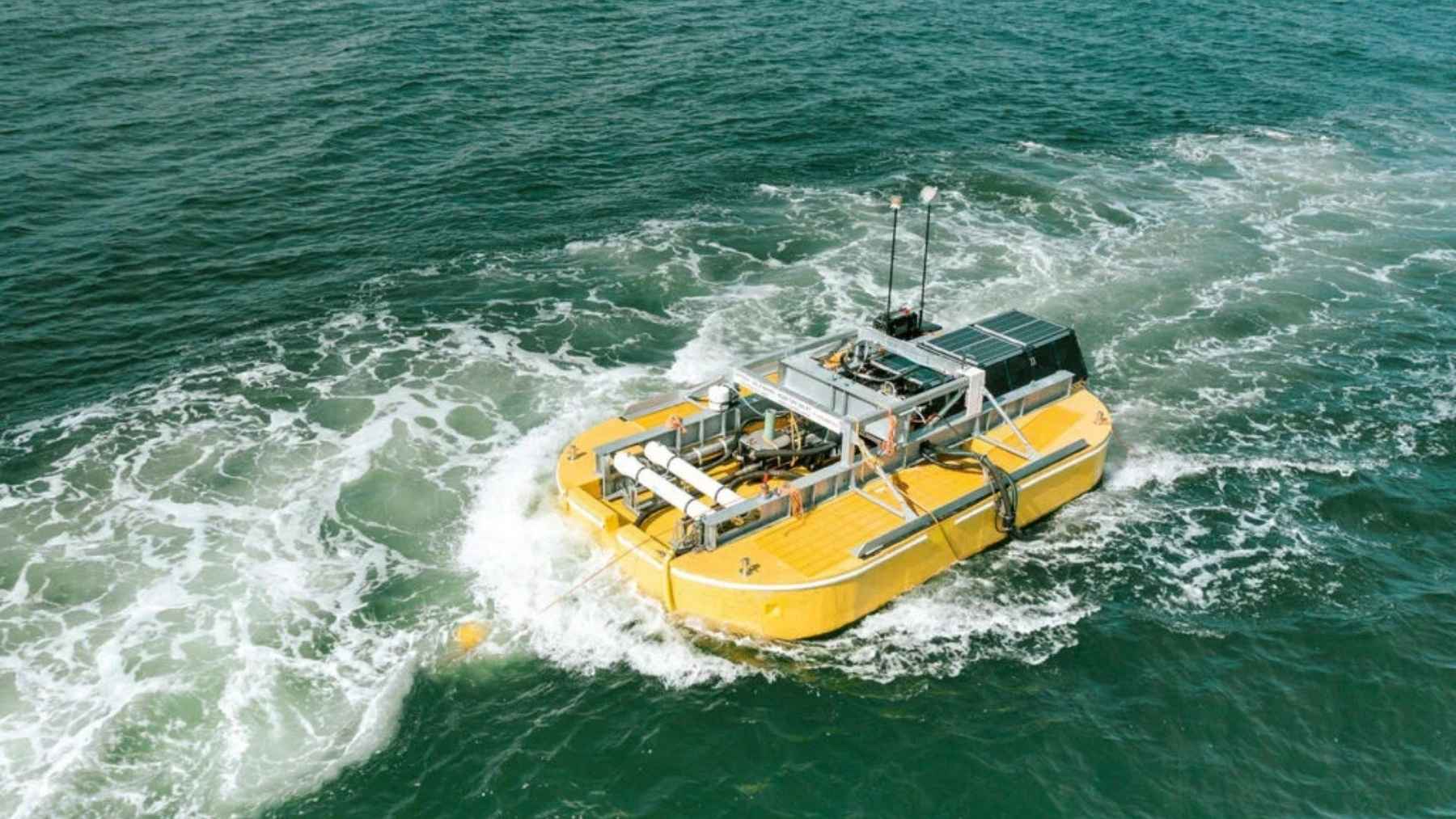
There is a 22-ton yellow machine parked in Fort Bragg, California, with no motor, no battery and nothing to plug into. It arrived from Quebec last November, sat through the winter, cleared its last regulatory hurdle at the end of April, and at the start of August it is still on land.
When it finally goes in, half a mile off the Mendocino coast, it is supposed to produce 13,200 gallons of fresh water a day from nothing but the rise and fall of the swell.
The plan was to have it moored and running by this summer. Summer is most of the way through.
The buoy is the pump
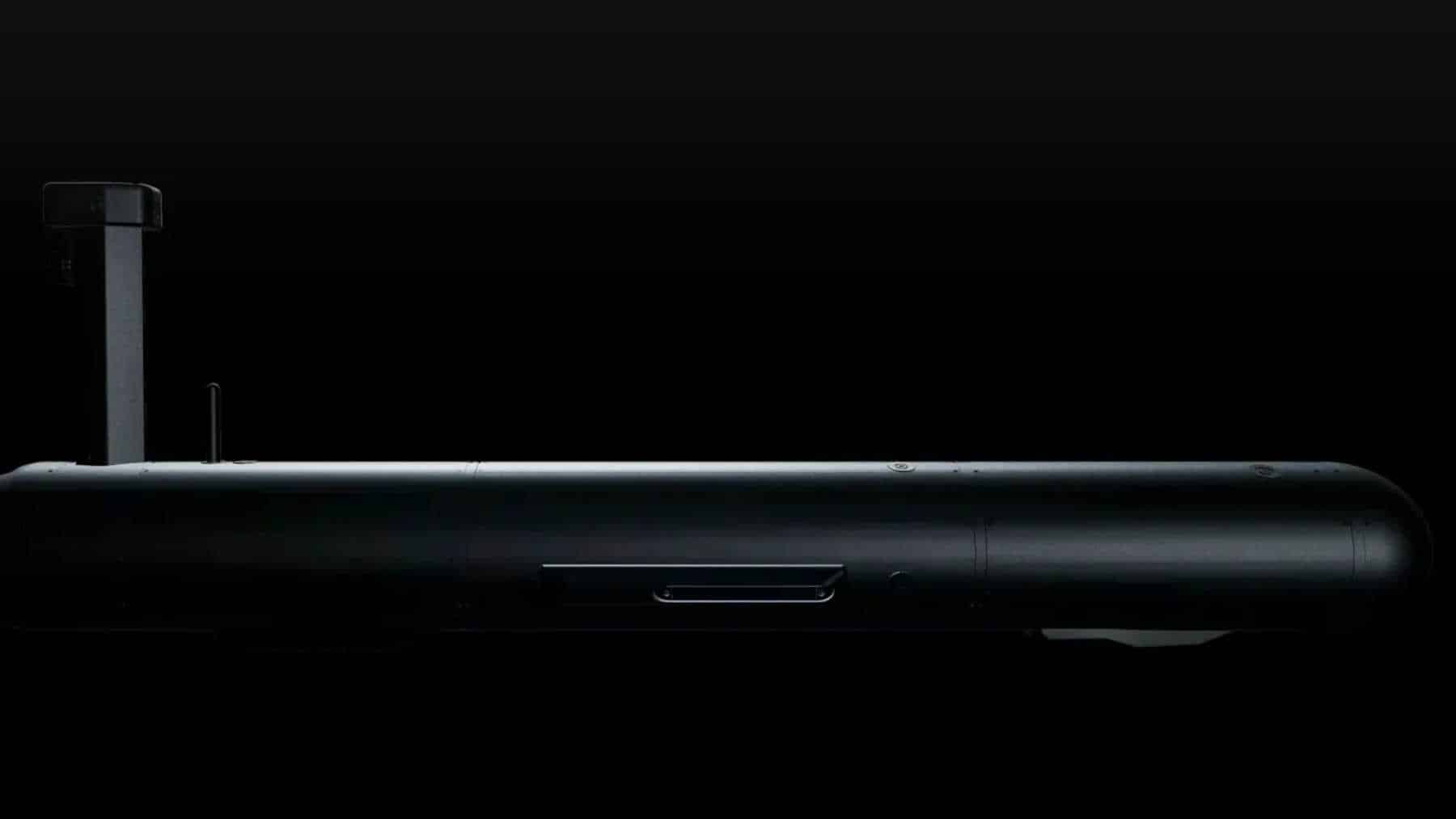
The machine is an Iceberg-class unit built by Oneka Technologies, out of Sherbrooke, Quebec. Fort Bragg Public Works Director John Smith has described the unit as roughly 26 feet by 16 feet. The city calls it the ninth generation of a design refined over seven years in open water.
Nothing aboard converts waves into electricity, and that is the part that throws people. There is no generator anywhere in the loop.
The buoy is tethered to anchors on the seafloor, and every time a wave lifts it, the mooring line pulls back down. Oneka engineer Vincent Blanchard, standing on top of the thing during a walkthrough for Northern California Public Media last November, put it plainly: “the buoyancy of the buoy kind of pulls on a rope.”
That pull drives a piston, and a single stroke does two jobs. It draws seawater in on one side and pressurizes it on the other.
After that it reads like any reverse osmosis plant, only smaller and floating. Water enters through a self-cleaning 60-micron screen about four feet below the surface, runs through 5-micron cartridge filters, then hits the membranes.
The fresh water leaves for shore in a three-inch plastic pipe, still carrying whatever pressure the wave gave it. The only electricity on board runs the sensors, off a small solar pack.
The ocean has to cooperate. Oneka says Iceberg units start producing at wave heights of about 3.2 feet and reach full output around five feet. The company has always pointed at California for exactly that reason, 840 miles of coastline with waves year round.
They are built to ride out 20-footers with nobody touching them. Past a preset load limit the unit shuts itself down, stays moored on a deliberately slack line, and can be restarted in under an hour.
The brine is the part California argues about
Ocean desalination in this state rarely dies over money. It dies over what the intake sucks in and what the discharge puts back.
That is the fight that has trailed every proposed plant on this coast for two decades, and the one OceanWell has been trying to engineer around with a sealed pod down in Santa Monica Bay.
Oneka’s answer is a trade, and the company is upfront about what it costs. Its buoys turn 20 to 35 percent of the seawater they take in into fresh water, against 45 to 52 percent for a conventional seawater RO plant. That is a worse recovery rate on purpose.
Weaker recovery means weaker brine. What goes back out is roughly 30 to 50 percent saltier than the surrounding ocean rather than double it, and it is released high in the water column so it mixes as it sinks.
Fort Bragg’s engineering documents put it back to near-ambient salinity within 50 feet of the discharge point. Oneka’s own published claim is tighter, no detectable salinity two meters out. The 50-foot figure is the one that went into the permit file.
The intake side leans on that 60-micron screen, finer than a human hair, plus a low velocity through it, a shallow draw point and a small total volume. Before the brine leaves, its pressure gets recycled through an energy recovery device, because on a machine with no power supply you do not throw pressure away.
13,200 gallons a day is not a water supply
Fort Bragg uses somewhere between 700,000 and a million gallons on a normal day. In the drought summer of 2021, with the town conserving hard, that fell to around 637,000.
Run those against 13,200 and one Iceberg covers something in the range of one to two percent of what the city gets through daily.
Nobody involved is claiming otherwise. The pilot exists to produce twelve months of empirical data inside California waters, on water quality and on what the machine does to the marine environment, so a future array can be permitted without starting the science from scratch. It sits in the same category as the off-grid solar rigs being tested on remote coastlines, useful precisely where a pipe or a power line is not coming.
It also explains the odd shape of the thing. A single unit, half a mile out, sitting on the 80-foot isobath in a patch of soft-bottom seabed called Mill Bay, directly off the city’s wastewater treatment plant. The pipeline route follows ground already disturbed years ago when the plant’s ocean outfall went in.
The permits are finished and the calendar is not
The paperwork genuinely is done, and it took years. The Planning Commission cleared the environmental document in May 2025. The State Lands Commission granted a two-year lease that August. The Coastal Commission approved the coastal development permit in December.
On April 30 of this year, Oneka said it had everything it needed from every agency involved.
The lease is the number worth writing down. It runs to August 21, 2027, and the pilot is designed to run twelve continuous months. Every week the buoy spends in a garage comes off the far end.
There is no public confirmation yet that it has been towed out of Noyo Harbor. The Department of Energy’s marine energy projects database still describes Oneka as preparing the unit for Fort Bragg rather than operating it, and the company’s own newsroom has posted nothing about the site since spring.
Oneka and OceanWell are in the same bracket
On May 12, XPRIZE named 37 semifinalists in its $119 million Water Scarcity competition. Twenty of them sit in Track A, the system-level desalination track, cut down from 93 teams that had to run real hardware in the field and ship water samples to an independent lab.
Oneka made it, and the slot came with $250,000. “It’s confirmation that our technology works, not on paper, but in the field,” said Dragan Tutic, CEO and founder of Oneka Technologies, in the company’s announcement.
So did OceanWell. The two are now competing in the same track with opposite answers to the same problem. OceanWell’s pod sits 1,300 feet down and borrows its pressure from the weight of the ocean overhead. Oneka’s buoy floats on top and borrows its pressure from the swell hitting it.
One goes deep to find free force. The other stays where the force already is, which puts it in the same family as the wave energy machines bolted into breakwaters and moored off Oregon, except this one skips the turbine and the cable entirely.
Track A’s finals will ask for more than a million liters of potable water a day. An Iceberg makes about 50,000. That is roughly twenty of these buoys working as a farm, which is exactly the configuration the Fort Bragg data is meant to make permittable.
The money has kept moving while the buoy has not. In March, Canada’s Ocean Supercluster announced a $4.1 million project led by Oneka to put AI-driven acoustic and sensor monitoring on the buoys, $1.6 million of it from the cluster. The DOE’s database puts Oneka’s total public funding to date at roughly $25 million.
Which brings up the last detail, and it comes straight from Fort Bragg’s own project page. The fresh water this buoy sends ashore during the pilot is not going into anybody’s tap.
It reaches the fence line of the wastewater treatment plant, gets sampled against California drinking water standards, and then goes into the plant’s ocean outfall as part of the city’s normal discharge. The city’s phrasing is that the permeate has multiple potential uses, “none of them potable at this time.”
So for twelve months, whenever those months start, a machine built to turn the Pacific into drinking water will be quietly pumping drinking water back into the Pacific. That is what a first-of-its-kind permit in California buys you, and it is why the twelve months of data are worth more right now than the water is.
 @byronwelch ROOKIE2 months ago