
Toyota and Subaru have four cars that are basically the same. They have a partnership where they share development costs, platforms, and manufacturing to save money. When it comes to sales, Toyota’s models are clearly in the lead, but does that reflect which vehicles are actually the best?
Between the C-HR, GR86, and Toyota bZ models, Toyota has sold over 40,400 units this year (so far). Subaru’s Solterra, Trailseeker, and Uncharted models sold only a little over 16,800 units. Americans are generally going with Toyota, although that doesn’t mean it’s the right choice.
Toyota has become a lot more popular in the United States than Subaru, likely due to its reputation for being extremely reliable and affordable. Is it earned?
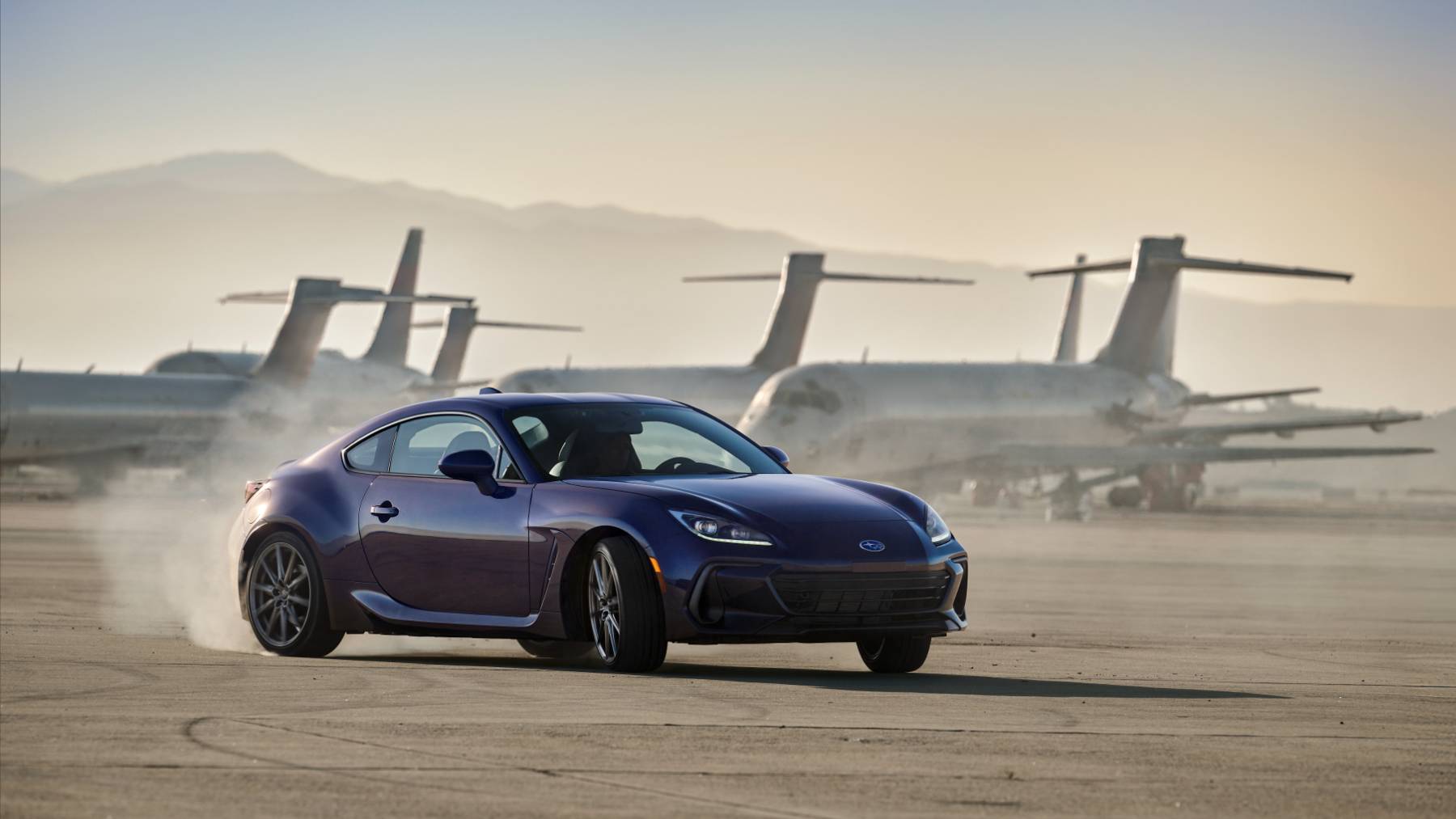
Toyota GR86 vs. Subaru BRZ
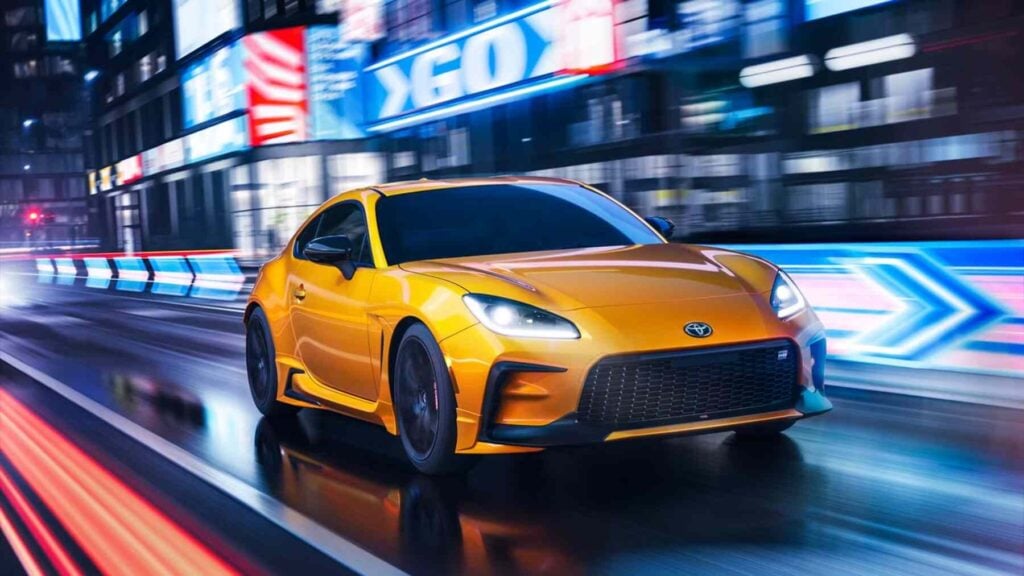
These two sporty cars are mechanical twins that share a platform, layout, and engine. However, they have some key differences.
Okay, the two share a 2.4L naturally aspirated engine that makes 228 horsepower and 184 lb-ft of torque. of torque. However, both of these cars use that engine in entirely different ways.
The GR86 has stiffer suspension in the rear and softer suspension in the front, with dampers on all corners, resulting in a more playful driving experience. The BRZ has the opposite suspension setup, as well as front dampers, to make the drive feel more stable and planted. The GR86 is more fun on the track, but the BRZ is more confident on canyon drives.
Both look the same at first glance, but have a few styling differences. The GR86 looks a bit more aggressive thanks to its angrier face and sharper angles. The BRZ is considered friendlier, with a more smiley expression and refined.
The Toyota GR86 is usually cheaper than the Subaru BRZ. The entry points differ by about $5,000.
Winner: Toyota GR86. In the end, it’s a matter of taste. But I think the GR86 offers a more exhilarating drive at a lower price point. However, newer drivers may have a bit more confidence in the BRZ.
Toyota bZ4X vs. Subaru Solterra
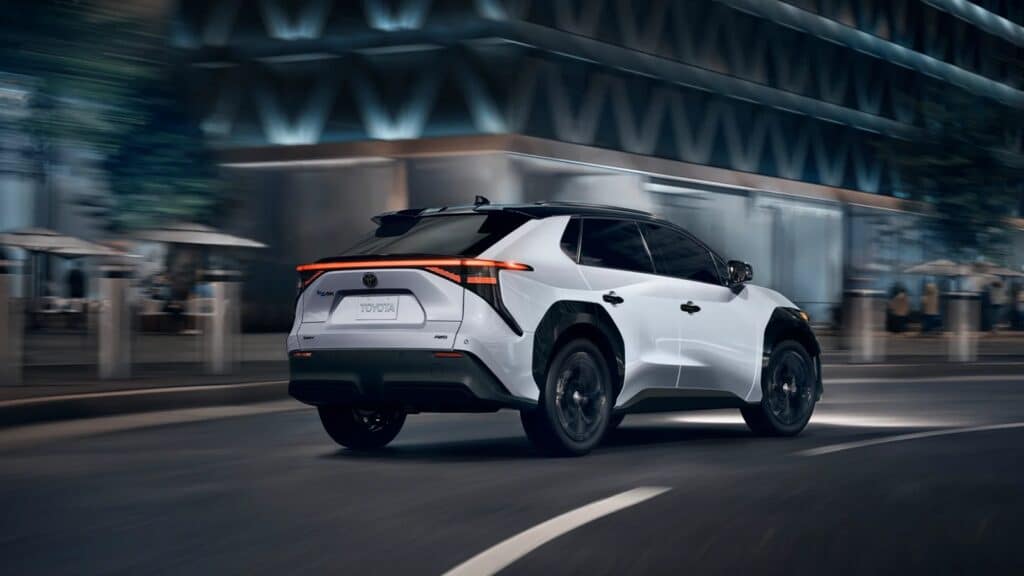
These electric SUVs are practically twins, sharing the same platform, but beneath the sorta-boring surface, there are a lot of big differences.
The Toyota bZ4X is a bit cheaper if you go for a base model, starting at around $35,000 compared to the Soltera’s $38,400 starting price. However, the prices are pretty similar when you compare all-wheel-drive versions specifically. But what do you get for that cost?
If you want better urban driving, you may favor the bZ4X, which has a more comfortable ride. Solterra has a more off-roading focus, with higher ground clearance and an X-Mode for rough terrain.
However, the Solterra falls a bit short when it comes to off-roading, as most electric vehicles do. The EPA range rating is 288 miles, but it’s lower in real life, which doesn’t give too much confidence for long road trips into the wilderness. It also has a smaller trunk than the bZ4X, which is not ideal for packing camping gear.
Winner: Toyota bZ4X. It’s sorta hard to say the Solterra is better when they are practically the same, yet the Solterra doesn’t really sell itself as a good off-roader compared to other options. Might as well go with a cheaper bZ4X.
Toyota bZ Woodland vs. Subaru Trailseeker
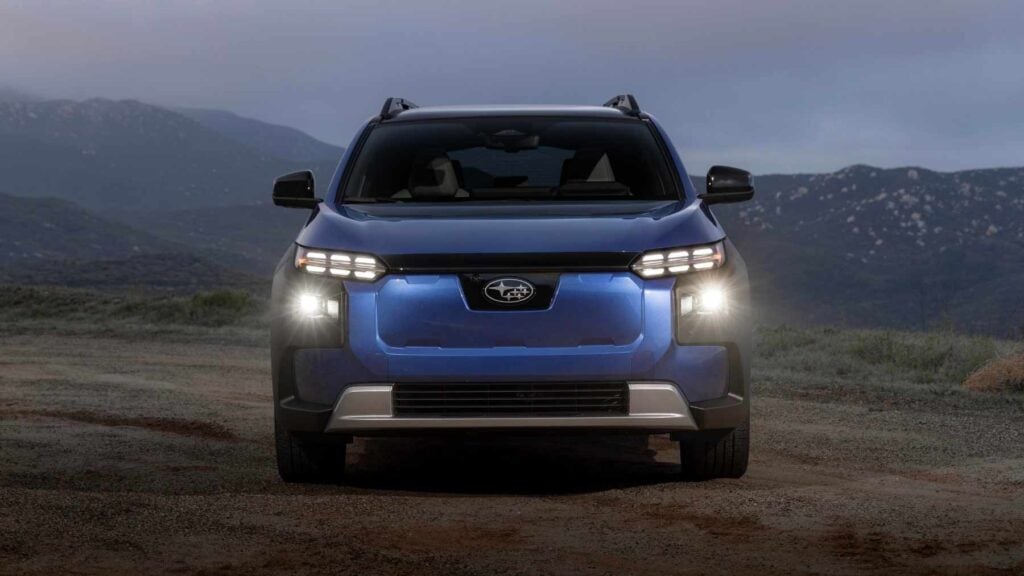
These vehicles, once again, share the same electric platform. They have dual-motor all-wheel drive, make 375 horsepower, and can tow up to 3,500 pounds.
However, the Subaru Trailseeker is much cheaper than the Toyota bZ Woodland. It starts at just under $40,000 compared to the bZ Woodland’s $45,300 starting price.
Despite being cheaper, the Trailseeker is a bit better at off-road driving, which is what it was designed for. It has a teeny bit better ground clearance and better range. It’s firmer and more responsive, making it great at control on tougher trails. The bZ Woodland’s ride is a bit softer.
To capitalize on this off-roading persona, the Trialseeker has a pretty rugged style thanks to its bumper armor and other plastic cladding. The bZ Woodland is lot sleeker and cleaner in its appearance.
Winner: Subaru Trailseeker. This one is a bit of a no-brainer. The Trailseeker is generally better at off-roading at a lower price. It also has a bit more personality.
Toyota C-HR vs. Subaru Uncharted
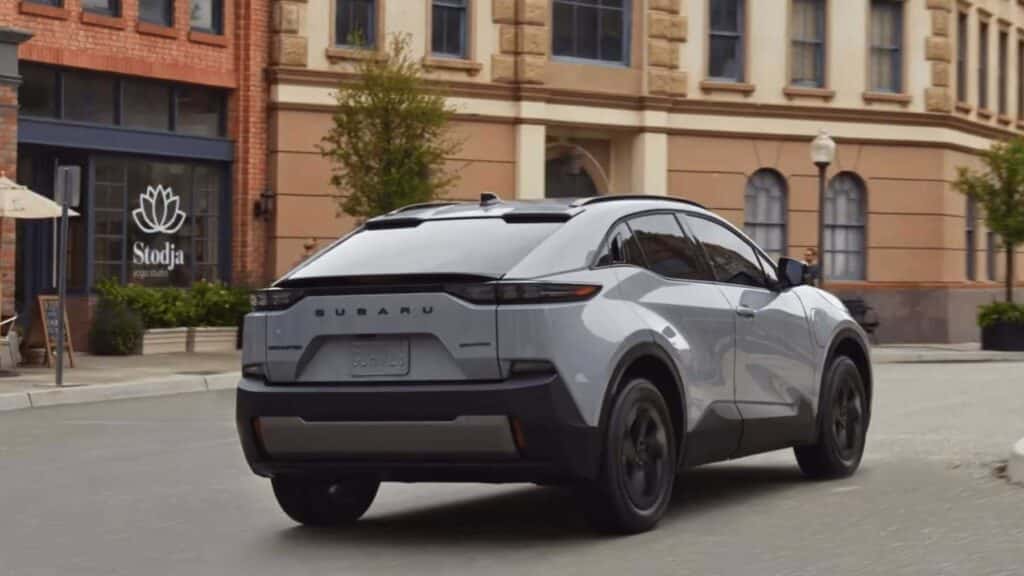
These two electric subcompact SUVs are co-developed on the same platform, with shared batteries and interiors. However, there are a few small differences that will add up for buyers.
The C-HR’s standard powertrain is all-wheel drive, while the Uncharted’s standard powertrain is front-wheel drive. The C-HR is meant to be more urban in its appeal, thanks to its sportier styling and traditional, rounded steering wheel. Meanwhile, the Uncharted has rugged exterior cladding and a squared-off steering wheel.
What further sets these two apart is that the Uncharted has slightly higher ground clearance and X-Mode, which are not offered on the C-HR. X-Mode helps the Uncharted handle rough weather or off-road conditions.
Winner: Subaru Uncharted. The Uncharted is a few thousand bucks cheaper, but you’ll get basically all the same features. However, you also get some off-roading styling and features that give it an edge.
In conclusion? It was 2-2, a tie. I think the Toyota and Subaru models are pretty much similar. Toyota probably doesn’t deserve to have that many more sales compared to Subaru, but that’s what brand loyalty does.