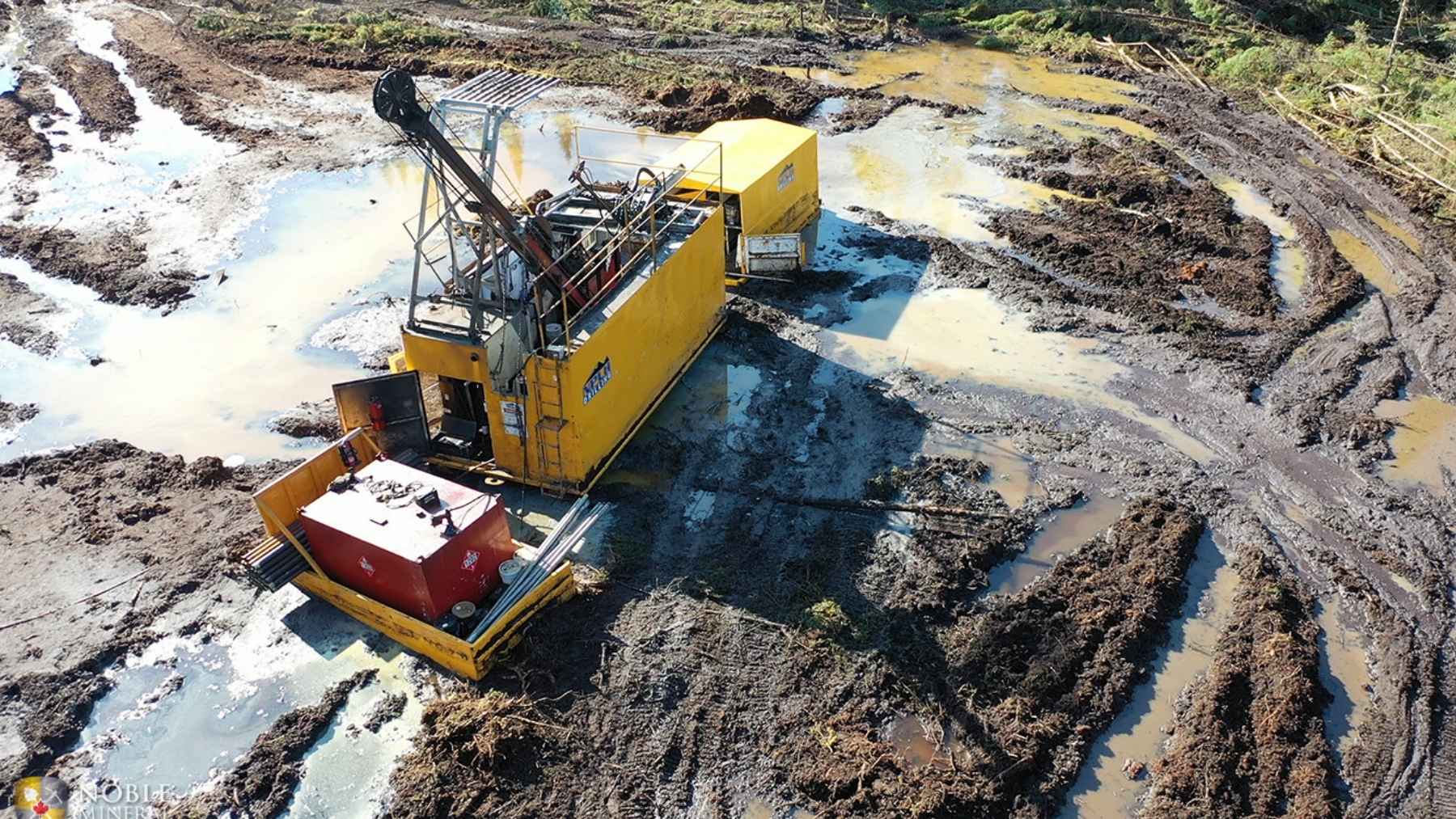

If you’ve ever had a basement dug or a pool put in, you probably don’t think of the hole as the exciting stage of the job. An excavator shows up, your yard turns into a mud pit for a while, and the real work starts after that.
Nuclear plants don’t work quite like that. Under Nuclear Regulatory Commission rules, a company can clear, grade and dig a site before it has a license, for the most part. But the moment it starts leaving permanent structures in that hole, the NRC counts it as construction, and construction needs federal sign-off.
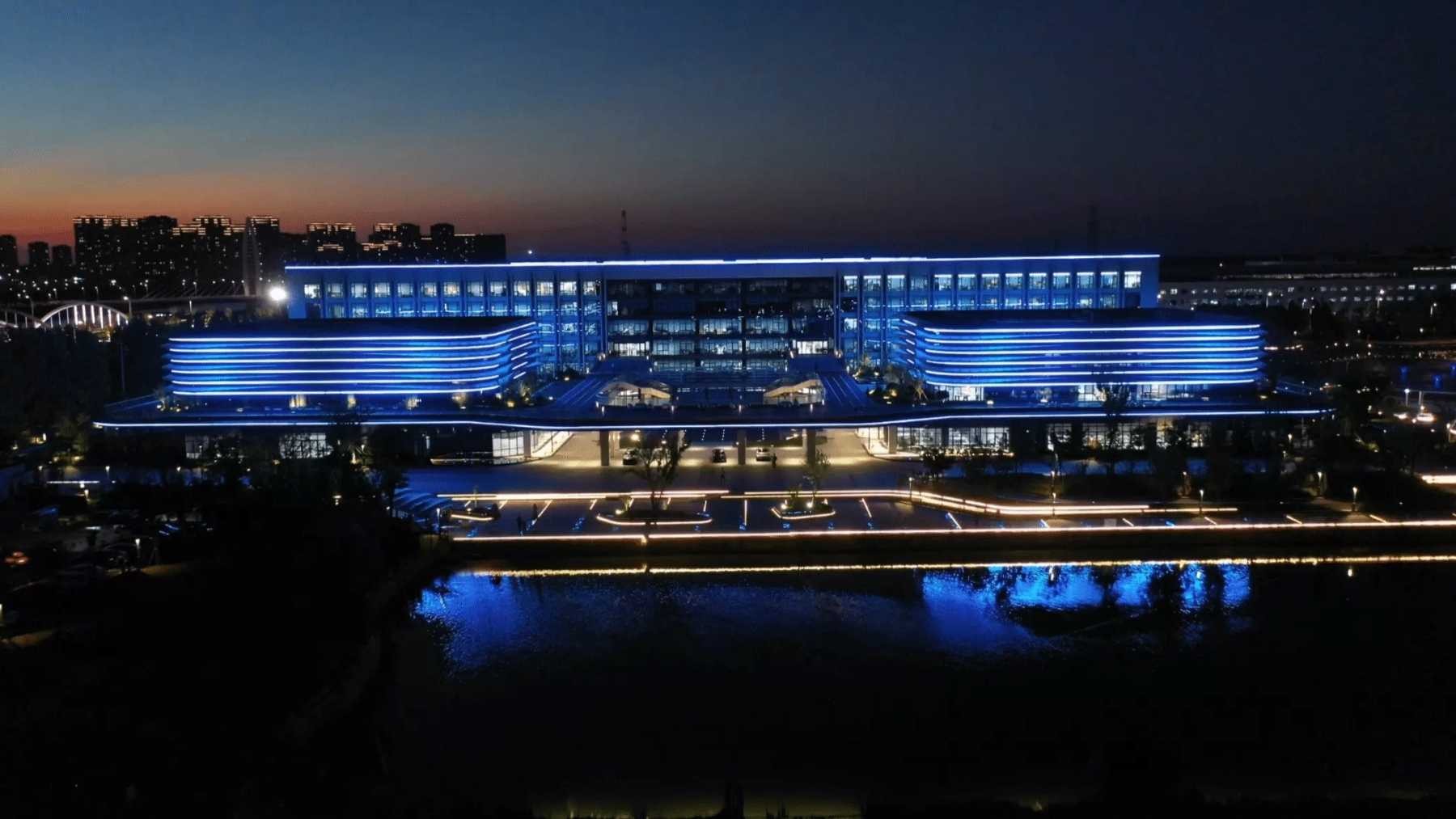
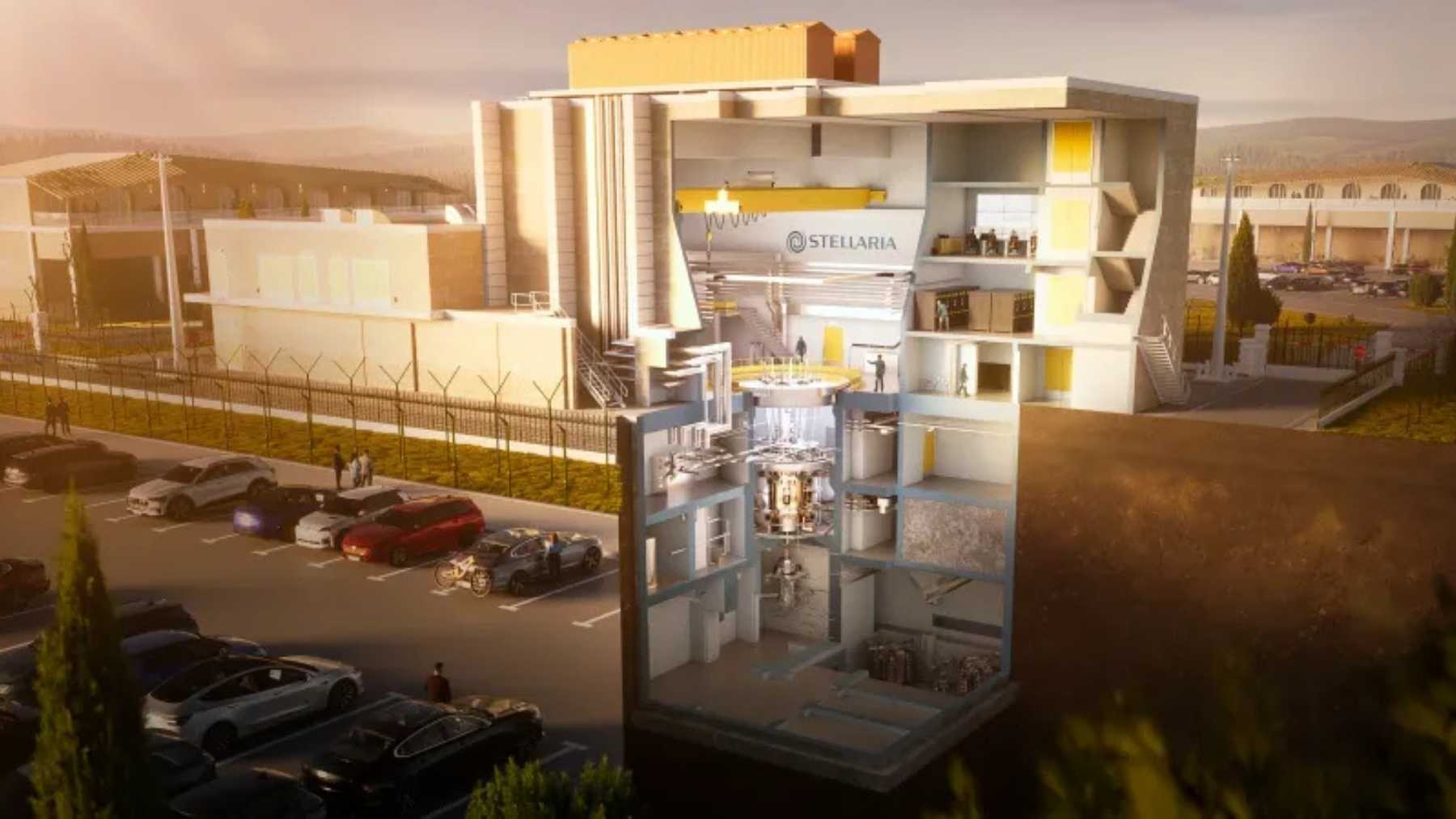
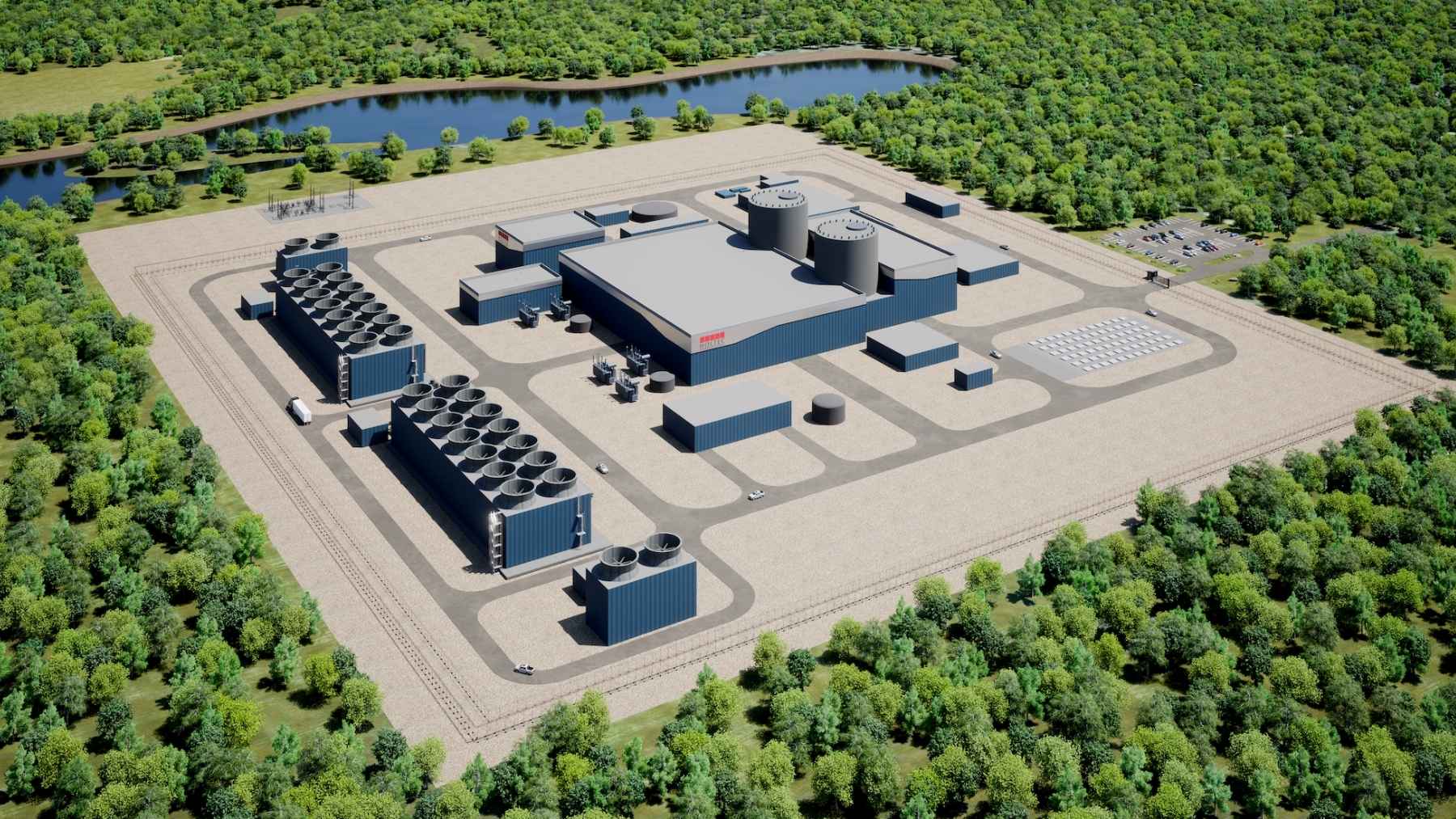
Which brings us to the Palisades Energy Center in Covert, Michigan. On August 28, the NRC gave Holtec an exemption published in the Federal Register that lets it build permanent excavation walls for two planned small modular reactors, Pioneer Units 1 and 2. It can do that before the agency has approved even a limited work authorization, and Holtec announced the approval on September 15.
If “limited work authorization” sounds like the paperwork you’d need to repaint a garage, you’re not that far off. It’s basically an NRC permission slip that lets a builder start certain foundation work before the full construction permit comes through. Holtec asked for one in its application, and the NRC is still reviewing it.
So what exactly got approved?
Three kinds of wall. The exemption covers diaphragm walls, soldier-pile soil-mix walls and perimeter cutoff walls, with tieback anchors or struts wherever the ground needs extra bracing.
That’s a lot of jargon for “stuff that stops a hole from caving in,” so here’s the short version. A diaphragm wall is typically built by cutting a narrow, deep trench and filling it with reinforced concrete, one panel at a time. A soil-mix wall blends cement into the dirt that’s already there and sets steel beams inside it, while a cutoff wall’s main job is keeping groundwater out of the pit.
Groundwater is a pretty big deal on this site. Palisades sits on Lake Michigan’s eastern shore, and when NRC staff checked Holtec’s wall design, they specifically looked at how it handles water pressure below the water table.
The dig will be wired up, too. Holtec plans to use inclinometers, piezometers, load cells and extensometers while it excavates. Basically, those tell you whether a wall is leaning, how much water pressure is building up behind it, how hard the braces are being pushed and whether the ground is starting to move.
So why not pull the walls out afterward?
You’d think the easy fix would be to use temporary walls and yank them before the plant is finished. The NRC’s rules actually allow for that. Retaining walls don’t count as construction if they’re temporary and come out of the excavation before fuel is loaded.
Holtec told the NRC that removing them would add a lot of unnecessary cost and delay. The agency agreed. So the plan is to leave the walls “retired in place,” as Holtec puts it, backfill the space between them and the actual plant structures, and bring everything back up to grade. Once the reactors are built, those walls won’t do anything at all. They’ll just stay down there.
Frankly, that seems like a sensible call. Concrete panels that are already in the ground aren’t going to get any cheaper to dig out once there’s a reactor building next to them.
NRC staff also checked that the leftover walls won’t interfere with the reactors. They found that once the area is backfilled, the walls stay structurally isolated from the safety-related buildings. Holtec also has to account for them in future soil-structure interaction analyses, which is engineer-speak for modeling how the ground and the buildings move together when something like an earthquake shakes them.
The walls go in at Holtec’s own risk
Here’s where it gets a little odd. The exemption doesn’t promise Holtec anything. The NRC says plainly that granting it isn’t a commitment to issue a limited work authorization or a construction permit, and that Holtec is building the walls knowing those could still be denied.
So, in theory, you could end up with a very well-engineered hole on the Lake Michigan shore and no reactors to put in it. If that happened, the redress plan says the walls would stay where they are, get backfilled and be graded to match the land around them.
I don’t think anyone’s seriously planning for that outcome. Pioneer already has a $400 million Department of Energy award behind it, and the NRC’s own balancing of the factors said a significant delay could hold up 680 megawatts of new power for Michigan. Still, it’s a risk Holtec is apparently happy to carry if it means the slow, muddy digging gets done while the paperwork catches up.
Somebody has to look at the rock first
The exemption also comes with a condition about rock. Once the walls go in, they’ll cover the sides and the floor of the excavation, and you won’t be able to map the foundation rock directly anymore.
So how does the NRC still get to see the rock?
Holtec has to map the geology of every layer as it’s exposed, lift by lift and again at final grade, and let the NRC know whenever the excavation’s open so its inspectors can come take a look. If it skips that, the NRC warns it may not be able to make the safety findings it needs to issue the later permits. That’s a pretty strong incentive to keep the geologists on site.
What I haven’t been able to find in any of the public documents is how deep the excavation goes or how long the walls run. Holtec’s announcement also doesn’t say when the excavators actually arrive.
There’s still a lot of paperwork left
Pioneer 1 and 2 are both SMR-300s, a pressurized water reactor that Holtec rates at 340 megawatts of electricity per unit. They’re meant to sit right next to the Palisades plant, the reactor Holtec is trying to bring back from decommissioning, where crews started loading fuel back into the core on August 30. As far as I can tell, Holtec still hasn’t named a restart date for that one.
Holtec’s schedules have slipped before. The Palisades restart was originally supposed to happen by the end of last year, so I’d take any Pioneer timeline with a grain of salt. But the wall exemption is arguably the smartest thing on that calendar, because it moves the dirt work in parallel with a review that’s still got a long way to go.
If you live around Covert and want a say on two new reactors down the road, you won’t have to wait long. In its August 25 notice in the Federal Register, the NRC said it plans to put out the draft environmental impact statement for Pioneer Units 1 and 2 for public comment this fall.