
Sacramento was built where two rivers meet, the American and the Sacramento. That’s great if you like a waterfront, and a lot less great when California gets one of its really wet winters. The Bureau of Reclamation, which operates Folsom Dam, describes the whole valley as a floodplain that’s gone underwater again and again over the centuries.
Folsom Dam sits upstream on the American River, it’s about 70 years old, and Reclamation calls it “the area’s key flood control structure.” For the last few years the Army Corps of Engineers has been upgrading it so it can hold back more water during the worst storms. But according to state flood officials, the Corps now plans to stop that work in January, because the extra federal money it was counting on hasn’t shown up.
CBS Sacramento reported the warning on November 24. The project costs nearly $500 million, and so far only one of the dam’s eight big steel gates has been modified. The new parts for the other seven are already built and waiting at the dam.
So why would anyone stop a job when the parts are already there?
Short answer: money. Todd Bernardy, a flood projects branch manager at the California Department of Water Resources, told CBS the Corps had to have more funding by late August and didn’t get it. State flood officials flagged the problem at a hearing in October, once they learned the federal money they’d expected wasn’t available anymore.
I haven’t been able to find a figure for how big the shortfall is, and the reporting doesn’t name an exact day in January either. The Corps itself wasn’t quoted in the CBS story, so everything we know about the January plan comes from state officials.
So what’s being done to the gates?
A spillway gate is basically a giant steel door at the top of a dam. When the lake gets too high, operators open it to let water out at a rate the river downstream can handle. Folsom has eight of them across its main concrete dam, which Reclamation lists at 340 feet tall, and each gate measures 42 by 50 feet. They’re the curved, pivoting kind engineers call Tainter gates, named after the guy who came up with the design. Dams this size are full of details you’d never spot from the road, like the 582 miles of steel pipe buried in Hoover Dam’s concrete.
The bulkhead is the new bit. In this case it’s a steel piece fitted to the top of each gate, so the lake can sit higher behind the gate without water spilling over it. The Corps’ contract paperwork describes the job as adding “top seals” to all eight gates, strengthening them, and raising the concrete piers between them. Once a gate’s done, CBS reports, it can keep an extra three feet of water behind it when heavy rain hits.
That’s only half of it. According to the Corps’ project page, the dikes and wing dams around Folsom Lake are also going up by about 3.5 feet, so the rest of the lake’s rim can handle that higher water too.
Engineers call the extra room surcharge storage. It’s the space above the lake’s normal full line that the reservoir can borrow during a big storm, then let go of slowly once the worst has passed. Frankly, it’s a pretty efficient way to squeeze more flood protection out of a dam that’s already standing. Folsom basically gets a taller lid.
Where did the money go?
About $300 million has already been spent, according to Joseph Countryman, a member of the Central Valley Flood Protection Board. That’s the state body that sponsors the project alongside the Sacramento Area Flood Control Agency, or SAFCA. Countryman didn’t mince words. “It’s outrageous,” he told CBS, and his point was that stopping now leaves the region without the payoff for money that’s already gone out the door. Fellow board member Keeley Bosler was just as unhappy about it.
The gate work itself is part of a $114.4 million contract the Corps’ Sacramento District awarded for the main dam, the wing dams and all eight gates, per the state flood board.
I’m not an accountant, but stopping a job when the bulkheads for seven of the eight gates are already built seems like a pretty expensive way to save money. Flood officials told CBS the delay could add millions of dollars to the bill. They haven’t put a firmer number on that, and since there’s no end date for the pause, I’m not sure anyone could yet.
If you’ve ever had a contractor walk off a kitchen remodel halfway through, you’ve got the basic idea. Crews and equipment move on to other jobs, and getting them back later usually costs more than keeping them there would have.
What happens this winter?
If you live downstream, you’re probably wondering what this means for the rainy season. One of the eight gates is out of service while it’s being worked on, but the flood officials CBS spoke to don’t expect the construction to change how the dam handles floods this winter.
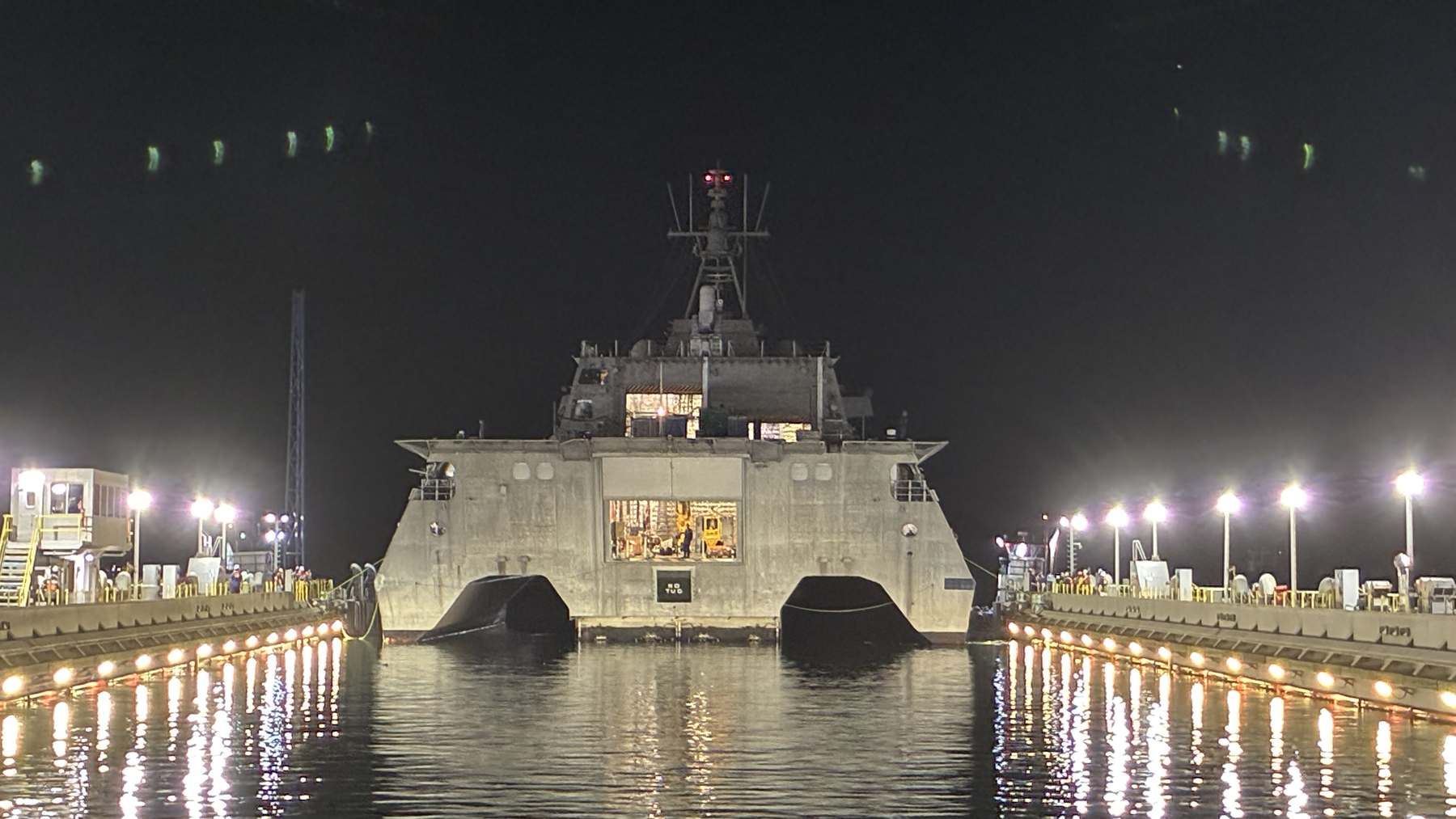
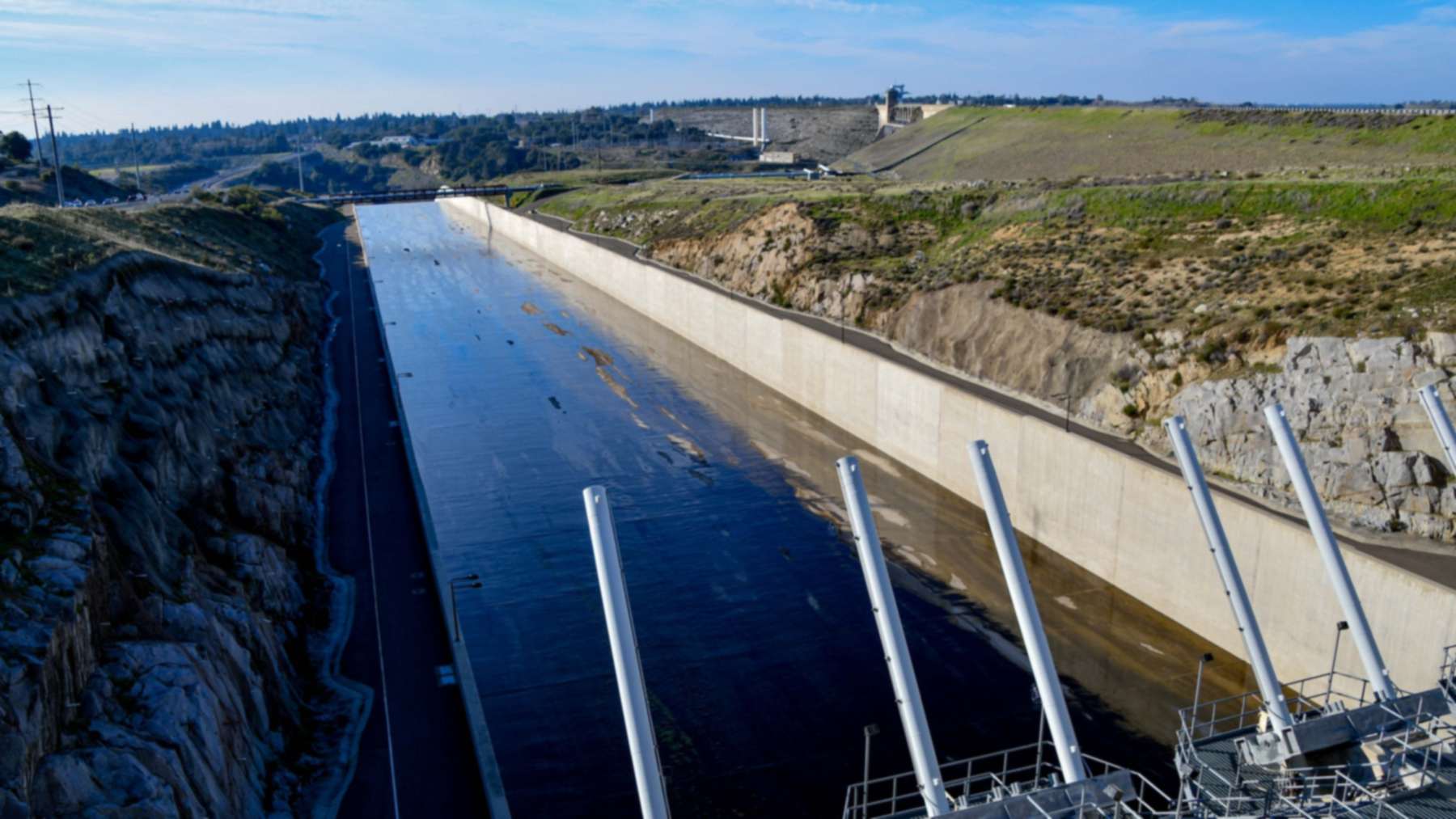
Folsom also has a second spillway these days. The Corps and Reclamation built an auxiliary spillway next to the main dam, and Reclamation says its six gates sit 50 feet lower than the main ones, which lets operators start releasing water earlier in a big storm.
So the January pause is arguably more of a long-term problem than a this-winter problem. The Corps has pitched the raise as protection against rare, extreme floods, and it’s safe to assume the dam can’t make full use of the extra three feet until the other seven gates get their bulkheads. More than half a million people around Sacramento sit behind it, according to CBS, and the state flood board puts the property downstream at $58 billion.
California’s flood gear has had a busy fall, admittedly for some slightly odd reasons. Last month we covered a 50-foot flood gate in Stockton that couldn’t close until divers scraped golden mussels off it.
SAFCA is working on federal officials and members of Congress to find the money, and its executive director, Jason Campbell, told CBS the agency is advocating in D.C. to get the project finished. As of the November 24 report, state officials still expect the Corps to stop work in January unless more federal funding comes through.