
Every argument about EV batteries seems to orbit the same short list of metals. Lithium, nickel, cobalt, manganese, the cathode ingredients that show up in every supply-chain headline and every nervous earnings call. The anode, which is the other half of the cell, almost never gets a turn, even though it is built mostly from a single material that comes overwhelmingly from a single country.
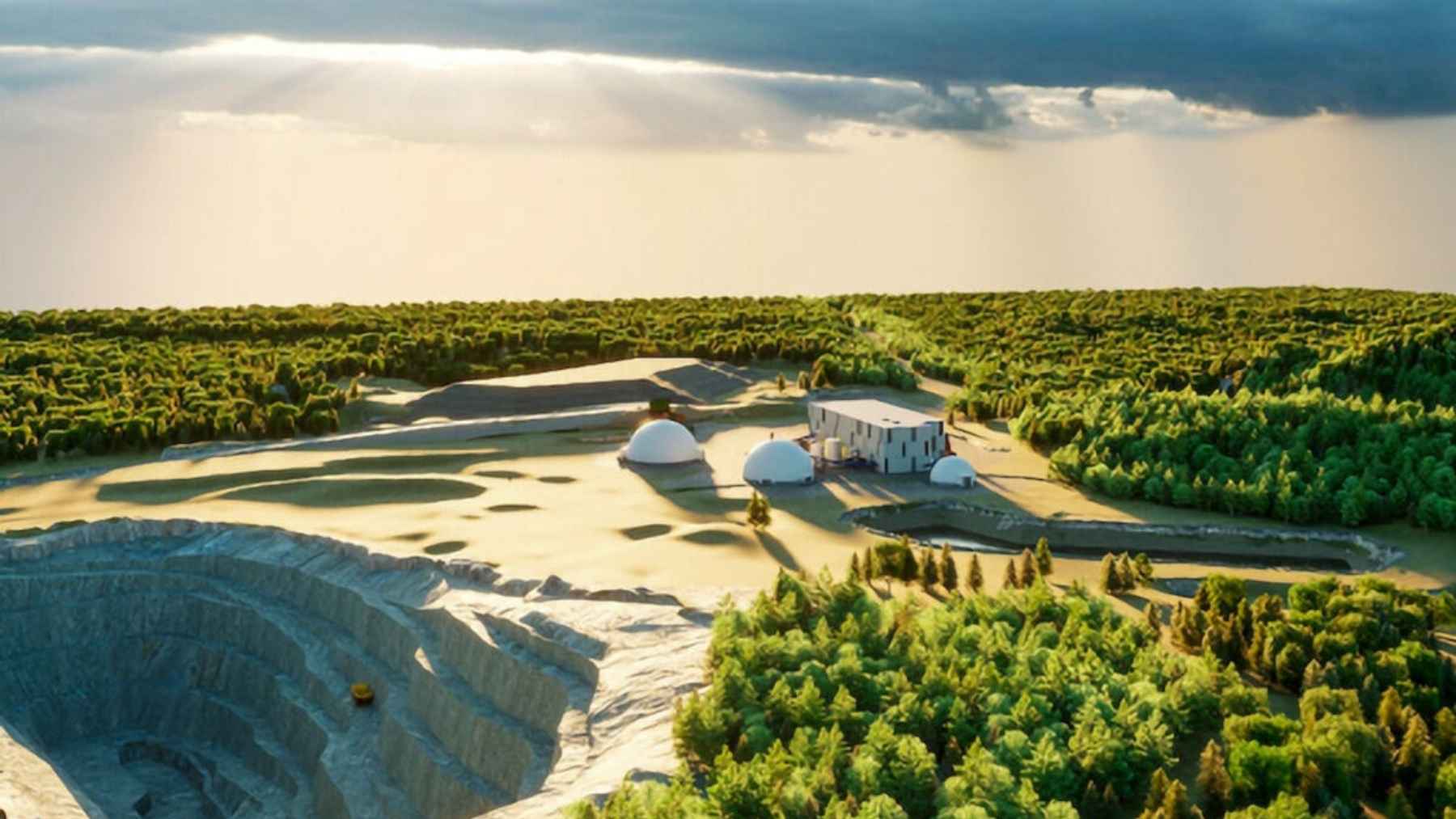
That material is graphite, and China produces 79.4% of the world’s mined supply, according to Natural Resources Canada. On May 19, Canada decided to stop watching from the sidelines. Prime Minister Mark Carney put a shovel in the ground at a mine north of Montreal that his government is billing as the largest graphite mine in the G7, and the genuinely new part is not the size. It is that the whole operation is designed to run without diesel.
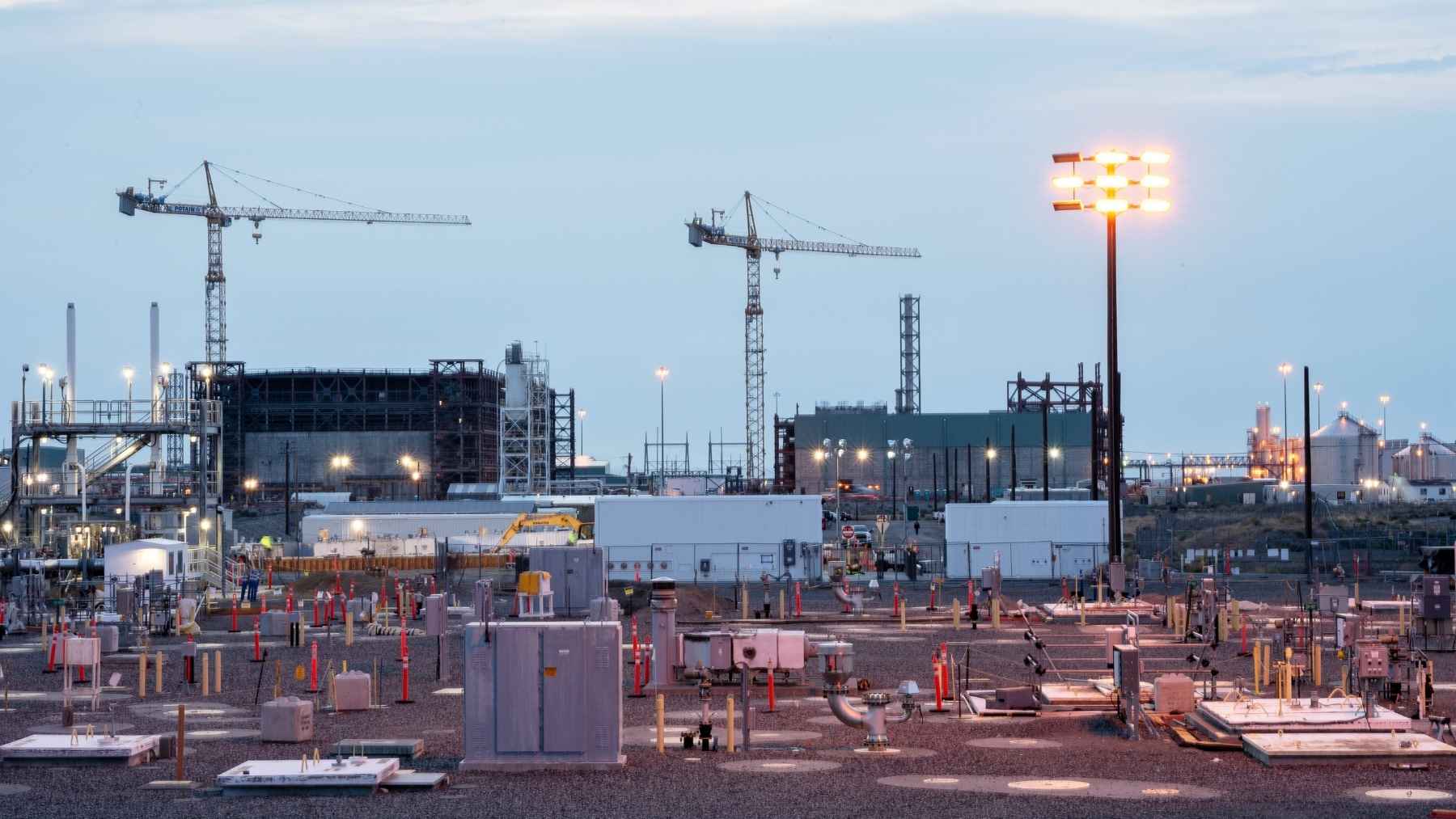
The mine is called Matawinie, it belongs to Nouveau Monde Graphite (NYSE: NMG), and once it reaches full output it is expected to produce about 106,000 metric tons of graphite a year. Carney put that number in perspective at the groundbreaking, according to BNN Bloomberg, telling the crowd it amounts to eight times Canada’s total graphite production right now
. Canada currently mines roughly 12,000 metric tons a year, which works out to about 0.7% of the global total. So the jump is real, even if the timeline behind it is longer than a ribbon-cutting makes it sound.
Graphite is the half of the battery nobody argues about
The anode in a lithium-ion cell is the electrode that holds lithium ions while the battery is charged and releases them as it discharges. In almost every EV on the road, that anode is built from graphite, either mined natural graphite or a synthetic version cooked out of petroleum coke. It is not a trace ingredient, and there is currently no mass-market battery chemistry that does without it.
Which is why the production map matters so much. China’s 79.4% share is not a narrow lead. The next-largest producer, Madagascar, sits at 5.6%, and Canada ranks eighth in the world. For the United States, the dependency runs straight through its northern neighbor: in 2024, 78% of Canada’s natural graphite exports and 56% of its synthetic graphite headed south across the border. Every North American battery plant counting on a non-Chinese anode is, in practice, counting on mines like this one getting built. It is the same vulnerability that has Washington signing billion-dollar checks for rare-earth magnet plants and chasing tungsten it stopped mining a decade ago.
The mine is built to run without diesel
Here is the part that separates Matawinie from a generic “a mine opened” story. NMG has designed the operation around an all-electric production model, with both the mine and its planned processing running primarily on Quebec’s hydroelectricity, which is abundant and cheap by North American standards. The argument is that a graphite mine powered by hydro produces its material with a fraction of the emissions tied to conventional supply chains, most of which lean on coal-heavy grids overseas.
The headline machine is a Caterpillar 950GC wheel loader, except this one runs on batteries instead of diesel. Ottawa is putting C$4.4 million through Natural Resources Canada’s Energy Innovation Program toward deploying it at the site to replace diesel-powered heavy equipment. One electric loader does not decarbonize a mine on its own, but it is a concrete piece of hardware rather than a sustainability slide, and it points at where the operation is trying to go.
The longer-term plan is bigger than the pit itself. NMG intends to pair the mine with a battery-material plant in Bécancour, Quebec, that would turn raw concentrate into the spherical, coated graphite that actually goes into an anode. If both halves get built, NMG would hold Canada’s first fully integrated graphite operation, from ore to refined material, on a single hydro-powered chain. That second plant is not a done deal yet. The company says it is targeting a final investment decision on the 13,000-metric-ton Bécancour plant in the second half of 2026, with that output earmarked for Panasonic Energy.
Carney’s six-month groundbreaking, and the fight over who gets credit
The story Ottawa is telling is about speed. The project was referred to Canada’s new Major Projects Office in November 2025, and the government’s line is that shovels went in the ground six months later, which is fast for a mine of this scale. Nouveau Monde Graphite confirmed a final investment decision on May 15, four days before the ceremony, after closing roughly US$645 million in combined financing, including a US$335 million senior debt package from federal lenders.
The public money layered on top is substantial. Export Development Canada and the Canada Infrastructure Bank are providing a C$459 million financing package, and the Canadian government has signed a seven-year offtake agreement to buy 30,000 metric tons of graphite concentrate a year on a take-or-pay basis, which guarantees NMG a buyer through the stretch when prices could swing hardest. The government also estimates the project will bring nearly C$2 billion into the economy.
Not everyone is handing the win to Carney. Conservatives have argued the mine was already well advanced before the Major Projects Office got involved, and that it reflects the resilience of Canada’s mining sector rather than any new federal magic touch. Conservative MP Shannon Stubbs cast Matawinie as proof the industry can deliver despite government red tape, not because it found a new champion in the prime minister. The mine has, in fairness, been in planning and permitting for years, including an impact-benefit agreement signed with the Atikamekw Council of Manawan back in 2024.
What actually gets built, and when
The numbers that matter most are the ones on the calendar. NMG expects construction and commissioning to take about 31 months, which puts full commercial production at the end of 2028, not next year. Until then the mine produces nothing, and the supply chain it is meant to fix stays exactly as dependent on China as it is today.
When it does run, the output is largely spoken for. Commercial agreements with Panasonic Energy, the Government of Canada, and the trading house Traxys North America already cover more than 70% of expected production, which is the kind of locked-in demand that makes a mine financeable in the first place. On jobs, the figure depends on who is counting. The government points to more than 1,000 positions across engineering and the skilled trades; NMG’s own framing is more modest, citing several hundred jobs during construction and more than 300 permanent ones once the mine is fully running.
The shovel is the easy part
For a U.S. reader, the honest way to file Matawinie is next to the other reshoring stories stacking up this year, the rare-earth magnet plants and the tungsten scrambles, all chasing the same problem and all shipping product somewhere around 2028. The groundbreaking itself is mostly a photo op. What sets this one apart is the engineering underneath it: a graphite mine designed to run on hydropower and electric machinery, on a continent where most mines still burn diesel. Whether that design holds up rests on two things that have not happened yet, the Bécancour plant getting funded and the 2028 timeline surviving contact with reality. Putting a shovel in the ground was the easy part.