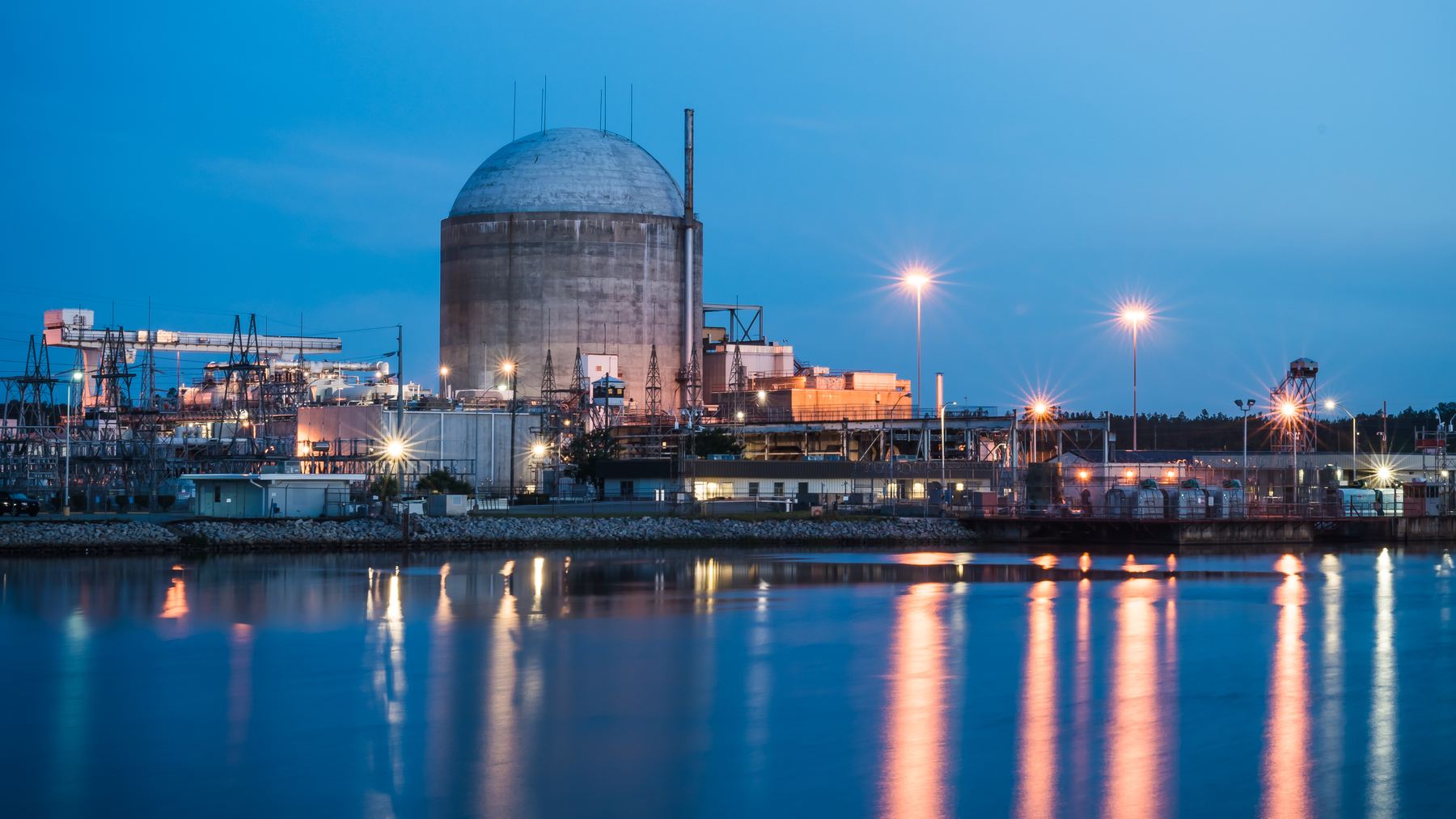

Anyone who’s dropped a car off for an oil change knows how this goes. You bring it in for one simple job, the shop gets it up on the lift, and half an hour later your phone rings because the mechanic spotted something else while he was under there. That’s more or less the call Duke Energy got at its Robinson nuclear plant in South Carolina this month. The lift, in this case, is a refueling outage. The mechanic is a technician with an ultrasound probe.
According to the event report Duke filed with the Nuclear Regulatory Commission, the plant determined at 1:05 p.m. Eastern on October 15 that part of the reactor coolant system’s pressure boundary didn’t meet the acceptance standards in the inspection code nuclear plants work to. The flaw sits at a pipe elbow between the reactor’s pressurizer and its “A” pressurizer safety valve, and it turned up during ultrasonic testing. Duke phoned it in at 4:56 p.m. as an eight-hour, non-emergency notification and told the agency the condition “will be resolved prior to plant startup.”
The reactor wasn’t running when they found it. It wasn’t even fueled. The NRC logged Robinson Unit 2 as defueled at zero percent power, which means every fuel assembly had already been lifted out of the core and set aside for the outage.
For a sense of what’s sitting empty, that core normally holds 157 fuel assemblies, each one carrying a 12-foot column of uranium fuel, inside a steel vessel that’s just under 13 feet across on the inside, according to a benchmark study Oak Ridge National Laboratory put together for the NRC. At full power, the reactor is licensed to put out 2,339 megawatts of heat.
So what is a pressurizer?
Robinson is a pressurized water reactor, and the name tells you most of what you need to know. The water flowing through the core gets far hotter than the 212°F it’d boil at on your stove, and the only thing keeping it from flashing to steam is pressure. Robinson’s own filings put the normal operating pressure at about 2,235 pounds per square inch. The pressurizer is the tall tank that holds that pressure steady, with a bubble of steam at the top and electric heaters at the bottom.
Then you have the safety valves. If pressure ever climbs past what the system’s built for, these spring-loaded valves on top of the pressurizer pop open and vent steam into a relief tank, a bit like the jiggler on an old pressure cooker, just rated for a whole lot more. Robinson has three of them. The flaw is in the pipe leading up to the one labeled “A,” right where it bends.
The standard Duke cited, ASME Section XI, IWB-3514, is basically the rulebook for how big a flaw in a pressure-retaining weld is allowed to get before someone has to repair it or prove with engineering math that it can stay. Section XI covers plants that are already in service. Those inspections run on a schedule, with a set of welds checked every outage so that the whole system gets covered over a ten-year interval. That’s why a technician was running ultrasound over this particular elbow in the first place. From the way the report reads, nobody was chasing a leak, and the filing doesn’t mention one.
What I can’t tell you is how big the flaw is. The NRC summary doesn’t give its length, its depth, which direction it runs or whether it’s a crack, and it doesn’t give the diameter of the pipe either. Duke hasn’t said how it plans to fix it. You’ll usually find those details in the licensee event report a plant has to file within 60 days of a finding like this, which should put Robinson’s in by December 14.
Frankly, an empty reactor in the middle of a planned outage is about the best time you could hope to find something like this.
The crews are already on site. The system’s already shut down and cooled off, the fuel’s out of the vessel, and the plant can’t come back online until the work’s done anyway. The usual ways out are repairing the weld, replacing the section of pipe, or running an engineering evaluation that shows the flaw is acceptable as it sits. Duke hasn’t said which one it’s going with. I’d guess the answer depends a lot on what the ultrasound actually measured, and we don’t have that number yet.
Robinson is about as old as the Ford Pinto
This isn’t just any reactor. The NRC issued its operating license about six weeks before Ford started selling the Pinto, and Duke says Robinson was the first nuclear plant in the Southeast to go into commercial service. It’s been doing that for 55 years now. One of those two machines is still at work, making 759 megawatts, which Duke says is enough for more than 569,000 homes.
US reactors were originally licensed for 40 years, and the NRC can extend that 20 years at a time. Robinson already used up one of those renewals, which took it to 60. Then in April, the NRC issued a second one, which the agency calls a subsequent renewal, that lets Duke run the plant until 2050, when it’ll be 80 years old. Duke’s Oconee plant, also in South Carolina, got the same treatment shortly before Duke applied for Robinson’s.
I’d argue that’s exactly why a routine ultrasound result like this deserves a bit of attention. If you’re going to keep a plant running into its eighties, the whole arrangement rests on inspections catching aging steel before it turns into a problem. From the looks of things, this is that system doing its job. The flaw showed up on a scheduled check, with the fuel out, and the plant can’t restart until it’s dealt with.
This one’s a lot quieter than the last few
If you’ve been following the NRC event reports with us, you’ll know they’ve kept us pretty busy this fall. In September, a bad instrument at Dresden 2 in Illinois convinced half of the protection system that the control rods were moving when they weren’t. And on October 16, the day after Robinson’s finding, Waterford 3 in Louisiana tripped the night before its own refueling outage was due to start.
Robinson’s report is a different animal. Both of those happened with reactors running and equipment reacting in real time. This one’s a measurement on a piece of pipe at a plant that was already shut down and empty, and the NRC filed it as a degraded condition, not as anything the reactor did. Duke says nobody’s health or safety was affected, inside the plant or out, and that it told the NRC’s resident inspector, the agency staffer who works at the site full time.
So does the flaw push back the restart? Honestly, nobody outside the plant knows yet. The outage started in early October, according to industry outage trackers, and was scheduled to run roughly a month. Duke hasn’t put a restart date out publicly, and the event report doesn’t say whether the repair fits inside the original plan.
The NRC’s power reactor status report for October 23 still listed Robinson 2 at zero percent, and Duke’s licensee event report, the one that should finally say how big this flaw is, is due by December 14.