
Lowering a lake sounds like the easy half of fixing a dam. You open the drain, wait for the water to leave, and get on with the concrete work. Cowan Lake in southwest Ohio is going through exactly that right now, and it turns out the easy half takes a lot of patience and a fair amount of mud.
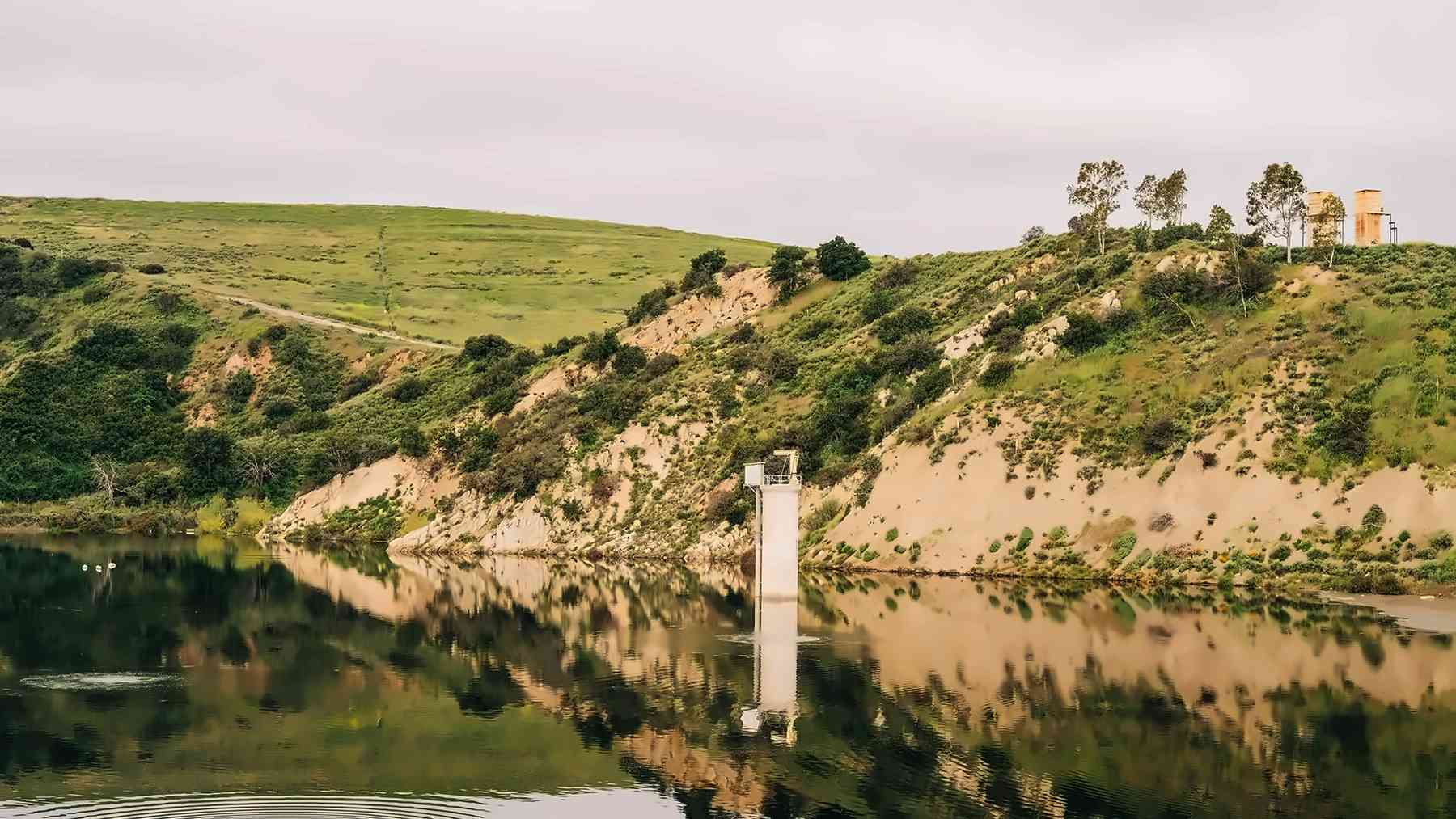
The Ohio Department of Natural Resources is taking about 13.5 feet off the 692-acre lake, at no more than 2 feet a week, so it can rebuild the spillway on the 62-foot earthen dam that holds it back. And while the water slowly backs away from the shore, a few dozen volunteers have been out in the cold looking for protected mussels before they’re left high and dry, Local 12 reported on November 24.
If you don’t know the place, Cowan Lake is in Clinton County, about 7 miles southwest of Wilmington. ODNR puts it 35 miles from Dayton and 40 from Cincinnati, so it’s a pretty easy drive from either city, which probably explains why anglers, kayakers and sailing clubs treat it as their home water.
It’s also a state park lake, not an Army Corps of Engineers reservoir. ODNR apparently gets asked that often enough that it answers it in its own project FAQ. The dam is owned and run by the department’s Division of Parks and Watercraft, and State Route 730 runs right across the top of it.
So what’s wrong with the dam?
Mostly, it’s 1947 engineering being held to modern rules. ODNR says the dam has held up reliably for decades, but it no longer meets the state’s current dam safety regulations, and recent engineering evaluations turned up a few specific problems.
The concrete spillway is deteriorating, and its sidewalls can’t safely carry the water from an extreme flood. The embankments are eroding on both the lake side and the downstream side. And water has been scouring out the ground around the lake drain.
If you’ve never thought much about spillways, here’s the short version. A spillway is basically the dam’s overflow channel, so when the lake rises too high, the extra water goes over it in a controlled way instead of pouring over the top of the dirt embankment. Earthen dams really don’t like being overtopped, which makes a spillway that can’t keep up with a big flood a pretty serious item on an inspection report.
Cowan is also a Class I dam, the top tier of Ohio’s four-class system. Under state rules, a dam lands in Class I if it’s taller than 60 feet, holds more than 5,000 acre-feet of water, or could put lives at risk downstream if it failed suddenly. At 62 feet, Cowan clears the height cutoff by 2 feet all on its own. The class describes size and what sits downstream, so it isn’t a grade on the dam’s condition.
ODNR’s fix list reads like a fairly thorough overhaul of everything at the dam that handles water:
- Tearing out part of the concrete spillway and rebuilding it.
- Replacing the drainage that runs underneath the spillway.
- Adding more scour protection below the spillway, so fast-moving water can’t chew away the ground at its end.
- Rehabbing the riprap, the layer of heavy rock that armors the embankment against erosion.
- Installing an extra toe drain system on the downstream side.
That last one probably needs a translation. Every earthen dam lets a little water seep through it, and that’s normal. Toe drains are pipes buried along the bottom edge of the downstream face that collect the seepage and carry it away cleanly, so it doesn’t drag soil out of the dam with it.
Why not just drain it all at once?
Because the dam itself would object. The soil in the lake-facing slope of an earthen dam is soaked through, and the lake is leaning against it the whole time. Drop the lake too fast and the water in that soil can’t get out in time, so pressure builds inside a slope that suddenly has nothing pushing back on it. ODNR’s dam safety fact sheet on lake drains warns that this can make the slope fail, and that going slow gives the pressure time to ease off.
ODNR’s project FAQ says Cowan’s slow pace is on purpose for a couple of other reasons as well. It gives people time to relocate mussels safely, and it keeps stress down on the fish and everything else living in the lake.
Part of this drop is actually routine. ODNR lowers Cowan 3 to 5 feet to its winter pool every year starting November 15, so the first few feet of this drawdown look a lot like any other winter. Everything below that is new.
So far, it’s moving slower than the 2-foot cap. ODNR started letting water out at the beginning of November, a few inches a day, and the lake was only down about 2 feet when Local 12 visited on November 24. That’s less than Cowan drops in a normal winter.
Local 12 also says officials expect to hit the bottom of the drawdown by mid-December. I’ll admit the math on that looks tight to me. At 2 feet a week, the remaining 11.5 feet would take closer to six weeks from that report, which lands in early January. ODNR hangs the whole thing on rainfall and weather, so I’d treat any date for the bottom of the drawdown as a rough one.
Why are volunteers picking up mussels?
So why would anyone spend a cold November afternoon on a muddy shoreline collecting clams?
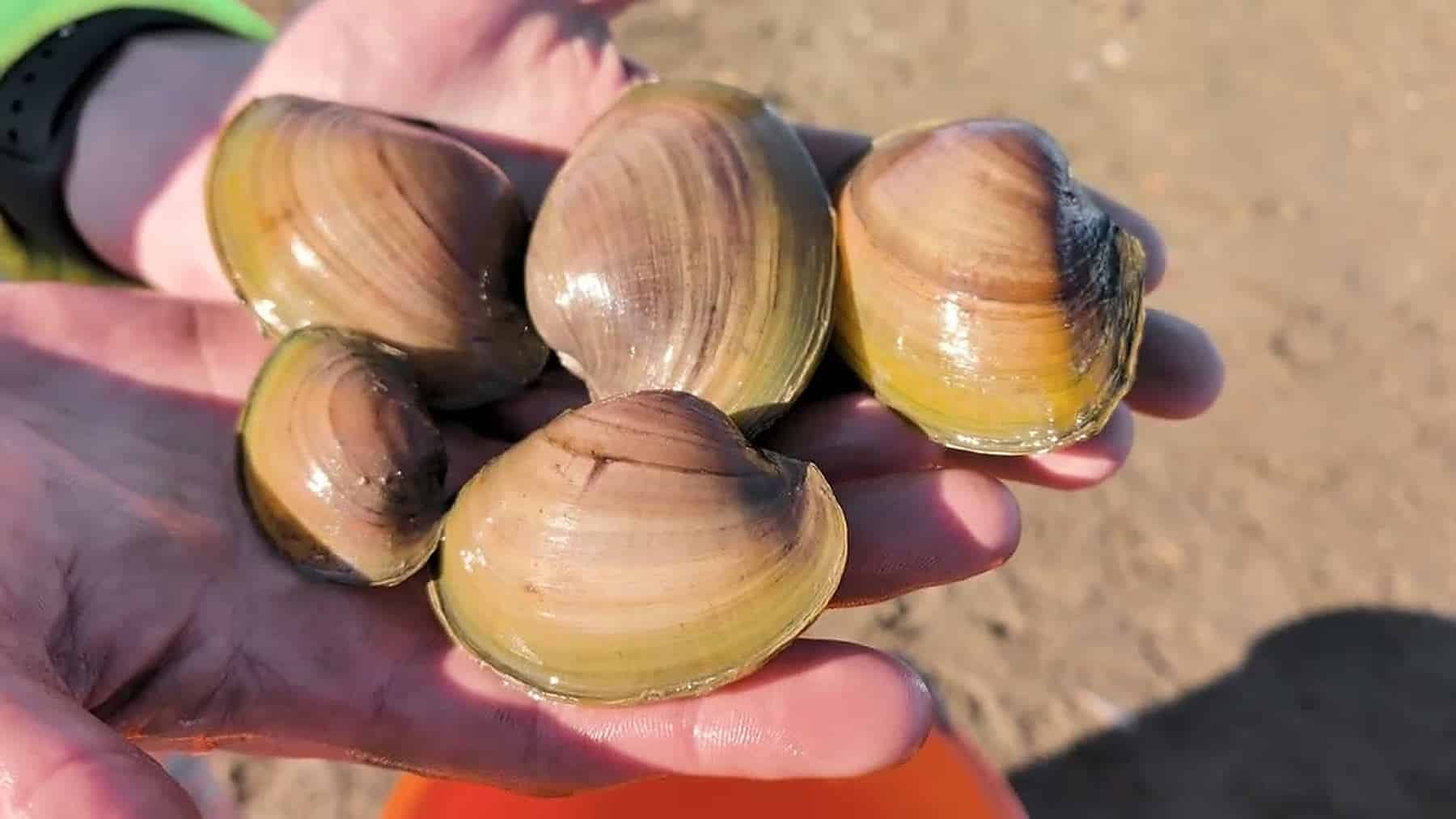
Well, that’s pretty much what freshwater mussels are. They’re clams that live in lakes and rivers, mostly buried in the bottom, pulling water through to feed. They can move, but slowly, and when the water drops faster than they can follow it, they end up stranded in the mud to dry out or freeze.
In Ohio, every native mussel species is protected under state law, according to ODNR’s mussel survey protocol, so you can’t just scoop them up and take them home. They can also live a really long time. ODNR’s Division of Wildlife says freshwater mussel lifespans run anywhere from 4 years to more than 180, and their larvae have to spend time hitching a ride on a host fish before they can grow into juveniles.
Kelsea Downs, an aquatic habitat biologist who spoke to Local 12, said a single mussel can push somewhere between 8 and 20 gallons through itself every day, with size and species making the difference. Which is a lot of cleaning for an animal that doesn’t have a head. She also told the station that mussels rank among the most endangered animals in the world.
As for where they’re going, Cowan Lake State Park manager Stephanie Oberlin told Local 12 that “some of them will stay within the lake.” Those get moved out to deeper water. The smaller ones are being sent to a fishery in Lebanon to be kept safe, though the station didn’t name the facility.
What I can’t tell you is how many mussels have turned up so far, which species they are, or which group the volunteers came from, because Local 12 didn’t report any of that.
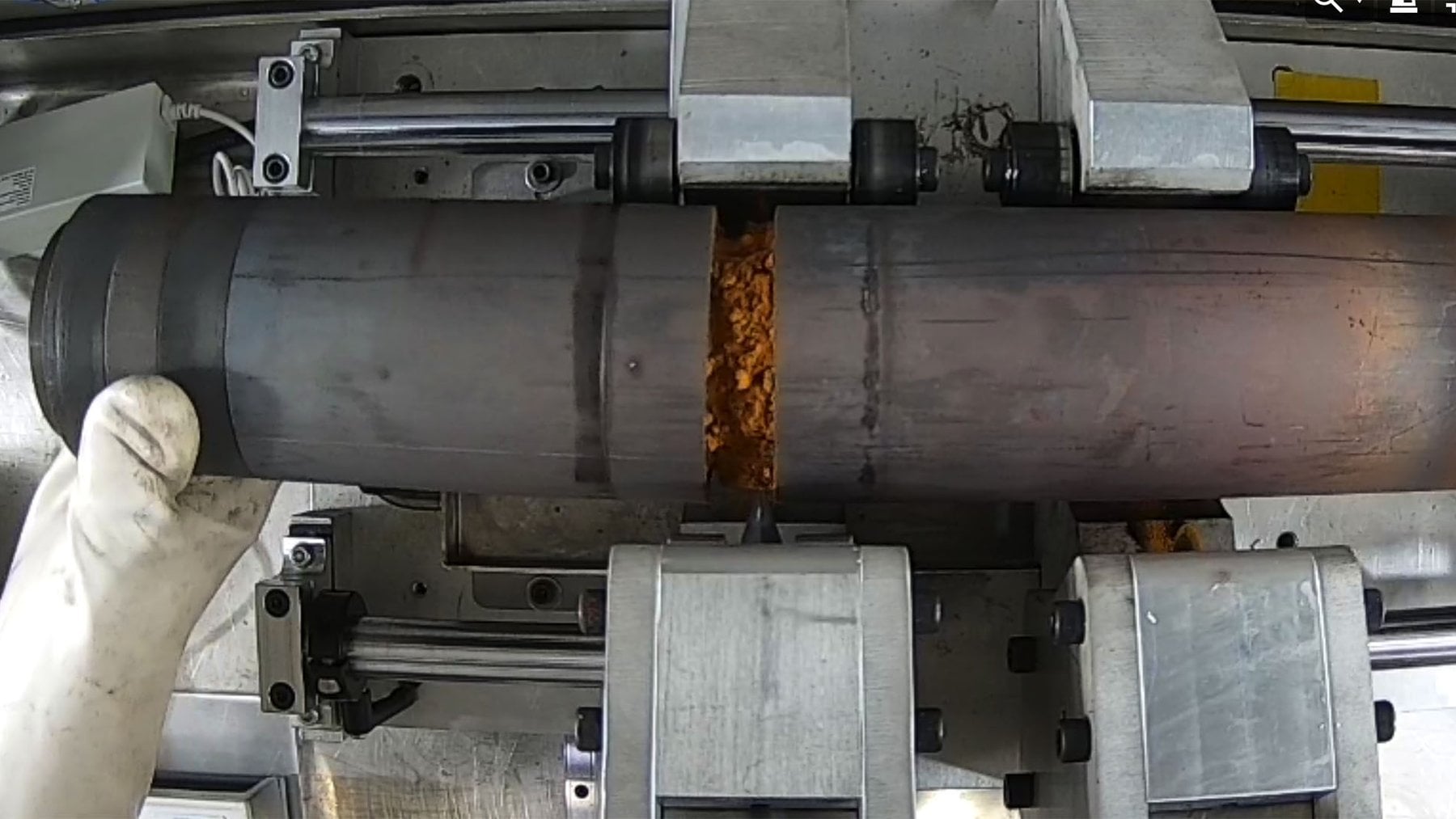
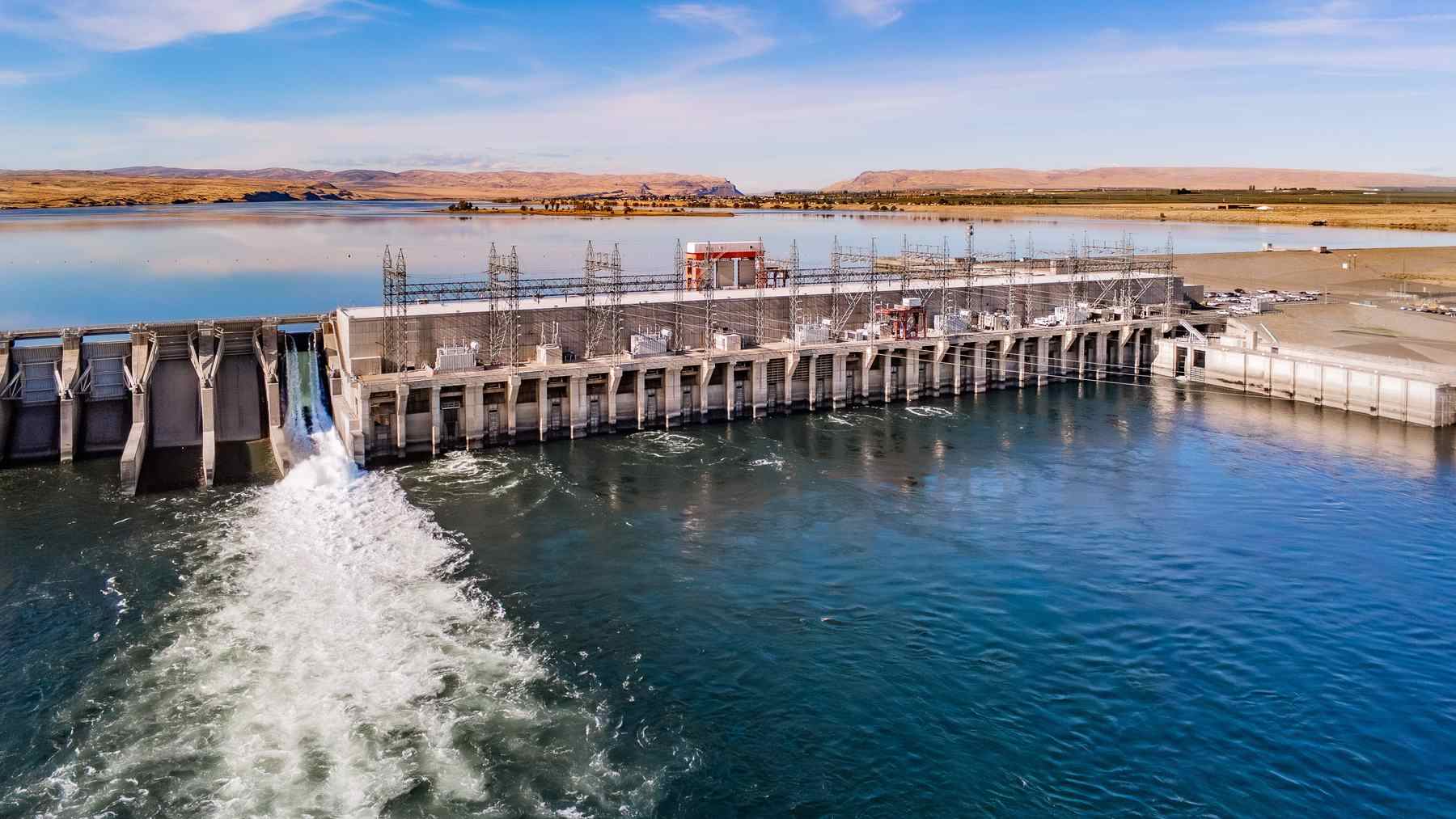
It’s a nice change from the usual mussel news, too. Out in California, divers had to scrape invasive golden mussels off a 50-foot flood gate in Stockton before it could close. Cowan’s mussels are the native kind, and keeping them alive is one of the main reasons the drawdown is going slow. Drawdowns built around wildlife aren’t unusual, either. Oregon’s Detroit Dam is lowering its reservoir this fall to help young salmon get past it.
ODNR’s FAQ also covers the rest of the lake’s residents. Some fish will move into the deeper pools that are left, some may get stranded, and the Division of Wildlife is working on a plan to restock the lake afterward. Some of the American lotus that grows in the shallows will die back, though ODNR says it can regrow from rhizomes and seeds already sitting in the sediment. There’s even an answer about the eagles, which must have come up enough to earn its own question. According to ODNR, adult eagles in breeding season regularly cover 10 to 15 miles looking for something to eat. So they should be fine.
Can you still use the park?
Yes, mostly. Cowan Lake State Park stays open, including the campground, cabins, shelters, trails, the archery range and the disc golf course. ODNR says the drawdown only affects getting on the water.
That part’s a bigger deal. Every dock and fishing pier in the park is coming out and going into storage on land until the lake gets back to its normal summer level. The boat ramps probably won’t be much use once the water drops, because it’ll get too shallow to launch anything off a trailer.
If you’ve got a kayak or a canoe, ODNR says you might still get to what’s left of the lake. You’ll just have to carry it across exposed lakebed to get there, and stay away from the spillway work. I’d wear boots I don’t love.
The marina’s in limbo too. Its concession contract runs out on December 31, 2026, and ODNR won’t put it back out to bid until the lake is at normal operating level again. The department says it’s secured money in the 2027-28 capital budget to improve the marina, and it sounds like the plan is to get that done while the water’s down.
And then there’s the paddle dock. A local group called Friends Caring for Cowan spent months raising money for a new paddle dock and parking area, and it went in before either the group or park staff knew the drawdown’s schedule or depth. That’s a pretty rough bit of timing. ODNR says the dock gets pulled and stored during construction and goes back in when the lake is full again.
State Route 730, the road across the top of the dam, will be affected during parts of the work too. ODNR says it’ll share the details with the Ohio Department of Transportation and the public once there’s a schedule.
When does Cowan Lake come back?
ODNR expects to give the contractor the official go-ahead, known as a notice to proceed, in December, with construction starting in winter 2027. The spillway work is supposed to wrap up in spring 2028, which is also when the lake starts refilling.
Getting back to normal pool is penciled in for summer 2028, and ODNR is careful to say that depends on rainfall. Refilling a 692-acre lake basically means waiting for rain, so that date could move. Site restoration is due to be finished that fall.
If the schedule holds, Local 12 reports visitors should only lose one summer season on the water. ODNR’s project page lists the expected completion date as September 18, 2028.
Credit: local12.com