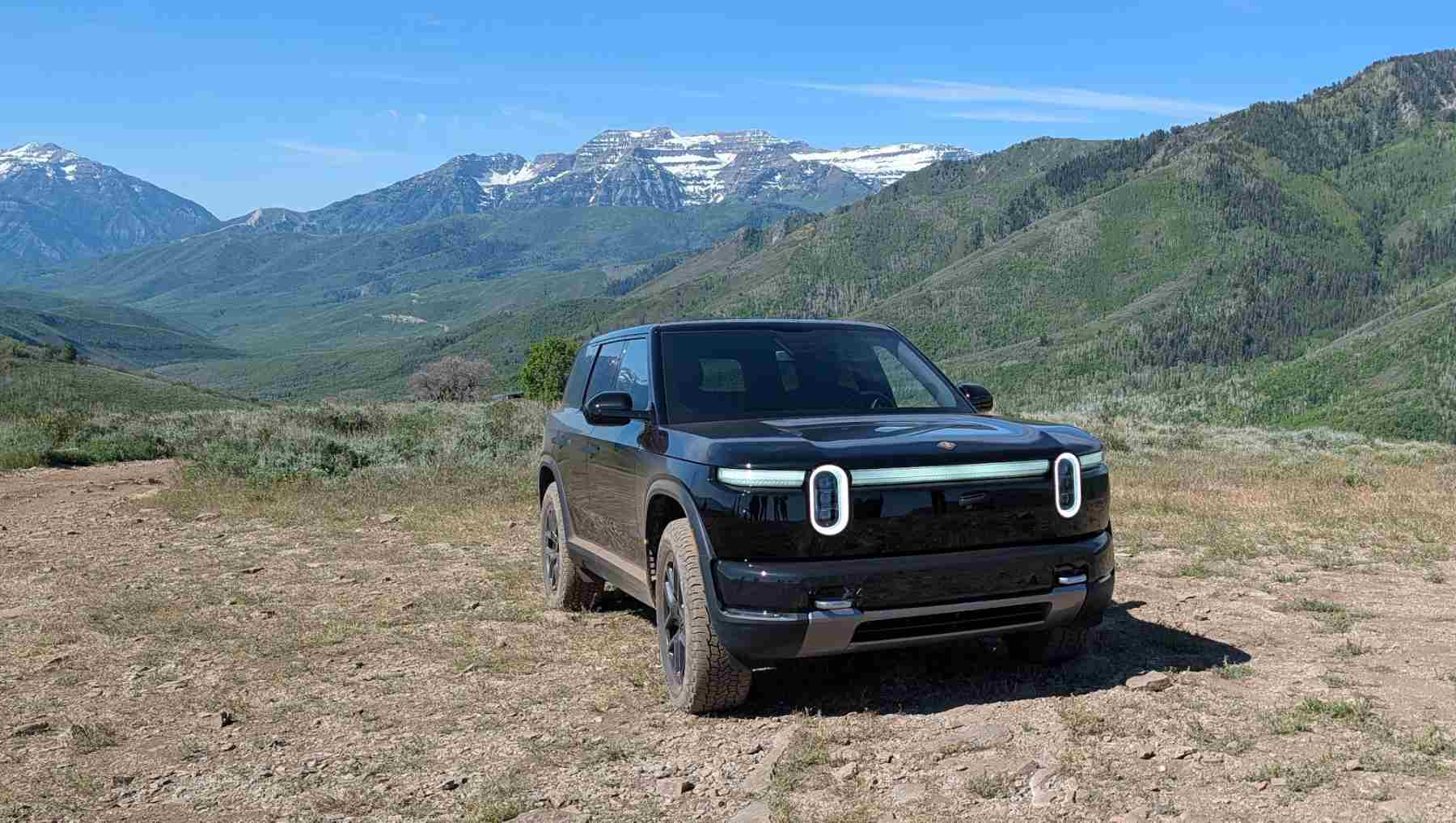

Rivian feels it has a weakness that it must address. It’s not its pricing. It’s not sales numbers. According to Rivian CEO RJ Scaringe, it’s service centers.
The R2 launch is make-or-break for Rivian. The electric vehicle startup can’t escape potential bankruptcy rumors due to its multi-billion-dollar net loss. Even Rivian’s own CEO felt the launch of the R1T and R1S was a bit of a disaster, but the R2 is being handled with a lot more care and restraint. However, the Tesla Model Y competitor won’t ever have enough off-roading options and styling to combat bad service.
That’s why service is a huge focus this time around.
Rivian to improve service ahead of R2 launch
Ahead of the R2 launch, many Rivian enthusiasts noted the issues they were having with the automaker’s service. Said one Reddit post: “We’re all excited with all the news about R2, but we should all be seriously concerned about Rivian’s capability and capacity to handle issues with growing scale. Waiting weeks, months, or even YEARS for parts is still happening.”
The R1S owner said they’ve been waiting for a key fob for over a year. Every time they attempt to get an update, they just get “misinformation” and “excuses.” With no way to escalate complaints, they feel stuck without the part with no way to fix the issue. They added: “I truly hope Rivian gets better because right now, I’m struggling to keep my excitement up, or be the passionate evangelist for their brand I once was.”
Added another: “Service is why I didn’t get the G2 Quad to replace my G1 Launch Edition. Also in Seattle, and even with three locations, it’s at least a month minimum, usually longer. I love the vehicle itself, and the service people are great folks too, but they don’t have the logistics sorted well enough to scale.”
At the R2 media event in Utah last week, Scaringe spoke to Edmunds about its service center issue. When the R1T and R1S were launched, the EV community couldn’t help but notice the lack of service centers. It became a huge issue along with all the other pandemic-related complications at the time.
“[The] Pacific Northwest area was one that we were really under capacity,” he noted. “There were times where for a noncritical service action, so not something that was grounding the vehicle, but let’s say a rattle, it would take 50 days to get a service appointment.”
Frankly, ain’t nobody got time for that. The last thing anyone wants to do is pay $45,000 for a new EV and then spend a miserable two months trying to get its issues resolved. Rivian is aware of this: the company lowered the wait time to one or two days in most locations, but that’s just the beginning. Scaringe is hoping to get the wait time down to a couple days max at every single location. It’s a bit of a challenge, since the R2 is expected to sell a lot better than previous models.
“We have now over a hundred different service locations that’s going to grow to roughly double that through 2027,” Scaringe said. “And we’re becoming much more efficient running and scaling our service centers as well.”
In addition to adding new locations, Rivian has service center updates that will make everything run faster. He didn’t share this just yet, but it includes “really helpful AI” that will help technicians diagnose problems more quickly and provide Rivian product knowledge.
AI is definitely part of many automakers’ plans. Even independent mechanics are considering adding AI diagnostic tools.
 @jameskang ROOKIE3 weeks ago