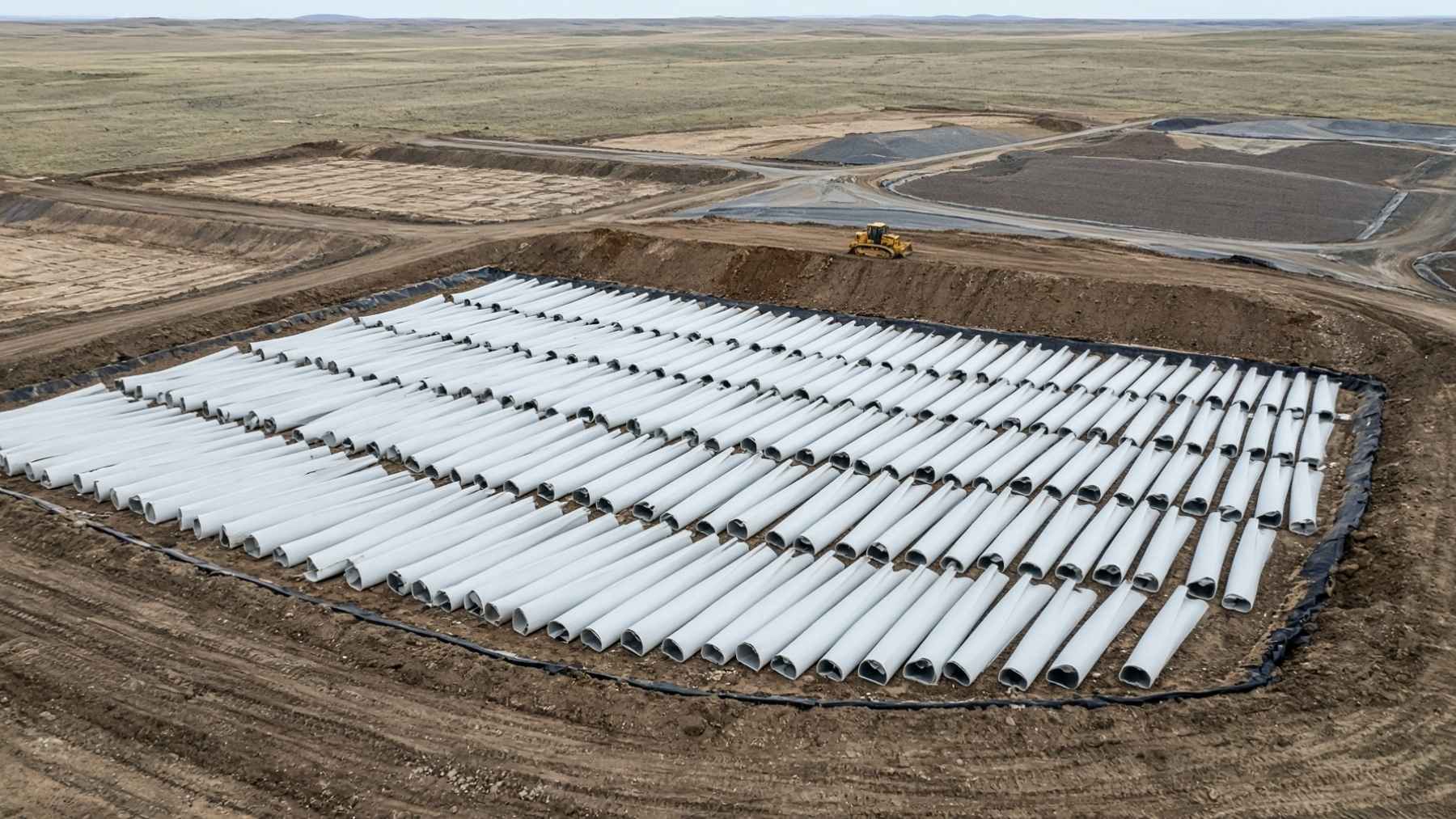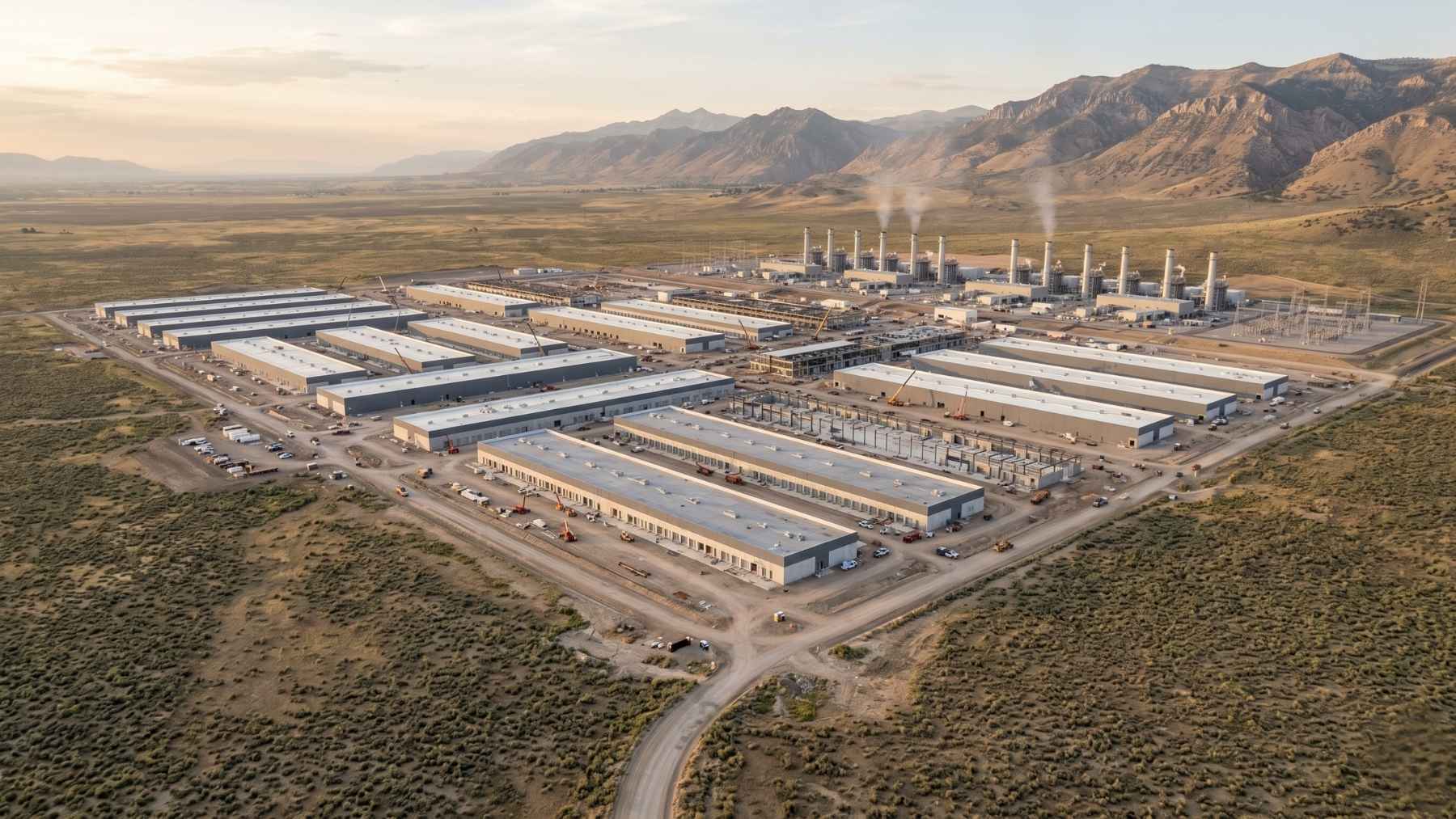

On Monday, May 4, 2026, the Box Elder County Commission in northern Utah voted unanimously to approve what is now the largest data center campus in the world. The project covers 40,000 acres of private land in Hansel Valley, plus an additional 1,200 acres of state and military property. The total footprint is roughly 60 square miles. Manhattan is 22.83 square miles. The campus is more than two and a half times the size of Manhattan.
The development is called Stratos. The marketing name is “Wonder Valley,” chosen as a nod to Kevin O’Leary’s “Mr. Wonderful” television persona on Shark Tank. O’Leary is the developer through his infrastructure company, O’Leary Digital. He made the case to the Box Elder County Commission, partly on video, that the project was a matter of national security. “China built 400 gigawatts of new power over the last 24 months, and much of it is powering AI data centers.”
The Box Elder hearing room was full of protesters when the vote happened. Hundreds had driven in from Tremonton, Brigham City and Logan. The chant of “Shame! Shame! Shame!” got loud enough that one commissioner told the audience to grow up. The commissioners then retreated to a private room and announced the unanimous approval via livestream to a screen in front of the crowd. Box Elder County had received more than 2,500 public comments on the project. Roughly 300 of those came from Box Elder County residents.
What 9 gigawatts actually means
The numbers on Stratos are the kind that get rounded down in headlines because the full version sounds made up. Here is the full version.
At full buildout, the campus will consume 9 gigawatts of electrical power. The first phase alone is rated at 3 gigawatts. The state of Utah currently uses an average of 4 gigawatts across all residential, commercial and industrial demand combined. Stratos is designed to consume more than twice as much electricity at full buildout as the entire state of Utah uses today.
Robert Davies, a physics professor at Utah State University, did the math in front of the Box Elder Commission. Once waste heat is factored in, the data center becomes a 16-gigawatt thermal load. Davies translated that for the commissioners. “It is the equivalent of powering 2,000 Walmart stores and about 23 atom bombs’ worth of energy dumped into this local environment every single day.”
| Footprint | 60 sq mi (2.5x Manhattan) |
| Thermal load with waste heat | 16 GW |
| Per Utah State physicist Davies | ~23 atom bombs of heat / day |
| First phase capacity | 3 GW |
| Permanent jobs at full buildout | 2,000 |
| Utah carbon footprint increase | +50% |
Why the existing power grid is irrelevant
Stratos will not draw a single electron from the existing Utah power grid. Paul Morris, executive director of Utah’s Military Installation Development Authority, told the commission on April 22 that the facility “will not take one electron” from the state grid. All 9 gigawatts will be generated on site, on natural gas, through a connection to the Ruby Pipeline. The Ruby is a 680-mile interstate gas line that crosses northern Utah on its way from Wyoming to Oregon.
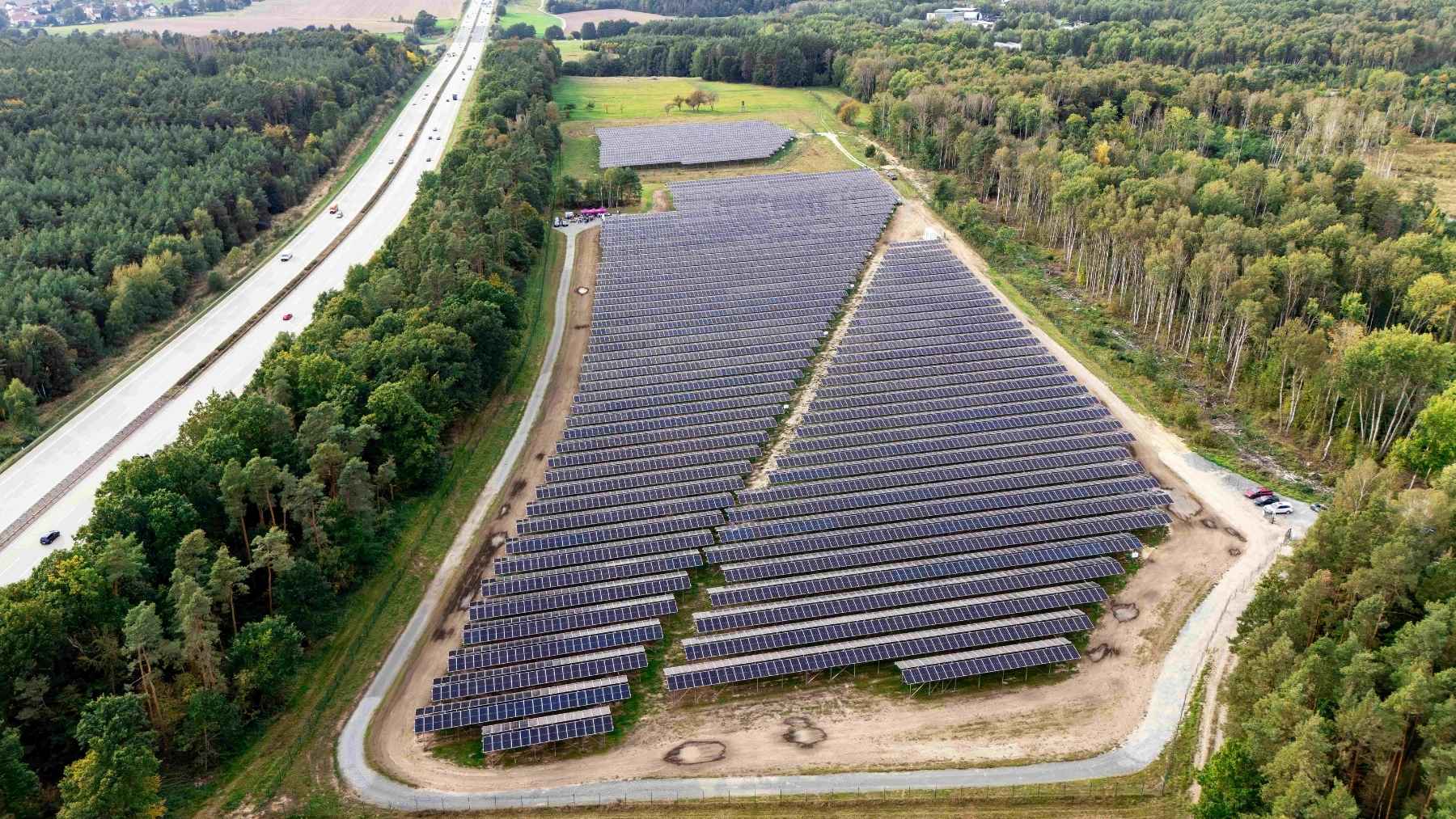
In a video response posted after the vote, O’Leary told critics that the facility would actually be powered “by solar, wind, and batteries.” That is not what the MIDA filings say. The MIDA filings say 100 percent natural gas. O’Leary’s video also claimed that he was “the only developer of data centers on Earth that graduated from environmental studies.”
That puts Stratos in the same operational category as two other recent megaprojects. SoftBank’s planned Ohio campus targets 10 gigawatts from a fleet of on-site gas turbines. Meta committed in late 2025 to fund seven new natural gas plants to feed a 7-gigawatt Louisiana site. Stratos sits between them in raw capacity. All three are off-grid.
The off-grid framing was central to how MIDA sold the project. Morris argued repeatedly that Stratos would actually benefit the state grid because surplus power could eventually flow back. The Box Elder Accountability Referendum, a citizens’ group, has filed paperwork to put the approval to a public vote in November. They need more than 5,000 signatures within 45 days. Of the 2,500 public comments the county received before the vote, the county said 300 came from Box Elder residents.
The tax break MIDA approved ten days earlier
To get O’Leary to commit, the Military Installation Development Authority approved an energy tax cut for Stratos on April 24, 2026, ten days before the Box Elder vote. MIDA is statutorily authorized to charge a 6 percent energy tax. Stratos will pay 0.5 percent. Morris’s explanation to his own board was direct. “It’s a competition. That’s also why we’ve been rushing it so fast.”
MIDA pushed the Box Elder vote forward before the environmental review or the traffic study was complete. Local broadcaster CBS 2 KUTV referred to the project as “the biggest thing in the region since the completion of the first transcontinental railroad.” Box Elder County commissioners had originally planned to vote a week earlier. One commissioner asked for a delay, complaining the project had been brought to the board “at the last hour” and the commission was “expected to just run with this.”
The carbon footprint of Utah will increase by 50 percent once Stratos is operational. Water for cooling will come from sources that have not been fully disclosed. The Great Salt Lake, immediately to the south of the project area, is in the seventh consecutive year of severe drought. Rhonda Lauritzen, whose family owns land adjacent to the watershed Stratos plans to use, told reporters that nearby Locomotive Springs, named more than a century ago for the sound of its rushing water, is now producing a fraction of historic flows.
The May 4 approval is not the final permit. The Utah Division of Air Quality still has to review air permits. Water rights are still under adjudication. The state environmental review is in motion. The Box Elder approval established the project area under MIDA’s enabling authority. Everything else comes later.
What this does to drivers crossing Utah
This is the part of the Stratos story that has not appeared in any of the data center coverage. Three of the most important EV charging corridors in the continental United States run through Utah. Interstate 15 is the Tesla Supercharger corridor between Salt Lake City and Los Angeles. Interstate 80 is the primary cross-country route from San Francisco to New York. Interstate 70 is the southern leg from Denver to LA via central Utah. A Tesla, Rivian, Ford, GM or Lucid EV driving coast to coast almost certainly passes through Utah twice, once each way.
The Supercharger network on those three interstates does not draw from Stratos. Stratos generates its own electricity from gas and keeps it. The Superchargers draw from the existing PacifiCorp and Rocky Mountain Power grid. That grid is rated at the 4-gigawatt state average Stratos is doubling on its own. PacifiCorp recently removed all new wind and solar from its long-term resource plan for Wyoming, the upstream state in the same regional grid.
The economic case for Stratos rests on 2,000 permanent jobs and 10,000 construction positions, plus tax revenue to Box Elder County and the state. Casey Hill, a spokesperson for O’Leary Digital, told reporters after the meeting that the total project investment will exceed $1 billion in initial phases, with full buildout estimated at over $100 billion. Box Elder County is projected to collect $30 million annually in new revenues during initial operation and $108 million annually at full buildout.
Utah Governor Spencer Cox told a press conference last week that data centers are “important” but “not the number one source of economic development for our state.” Cox added that the development was a national security priority.
The November referendum is the next decision point. If the Box Elder Accountability Referendum collects its signatures, the project goes to the voters. If it does not, construction begins this fall.