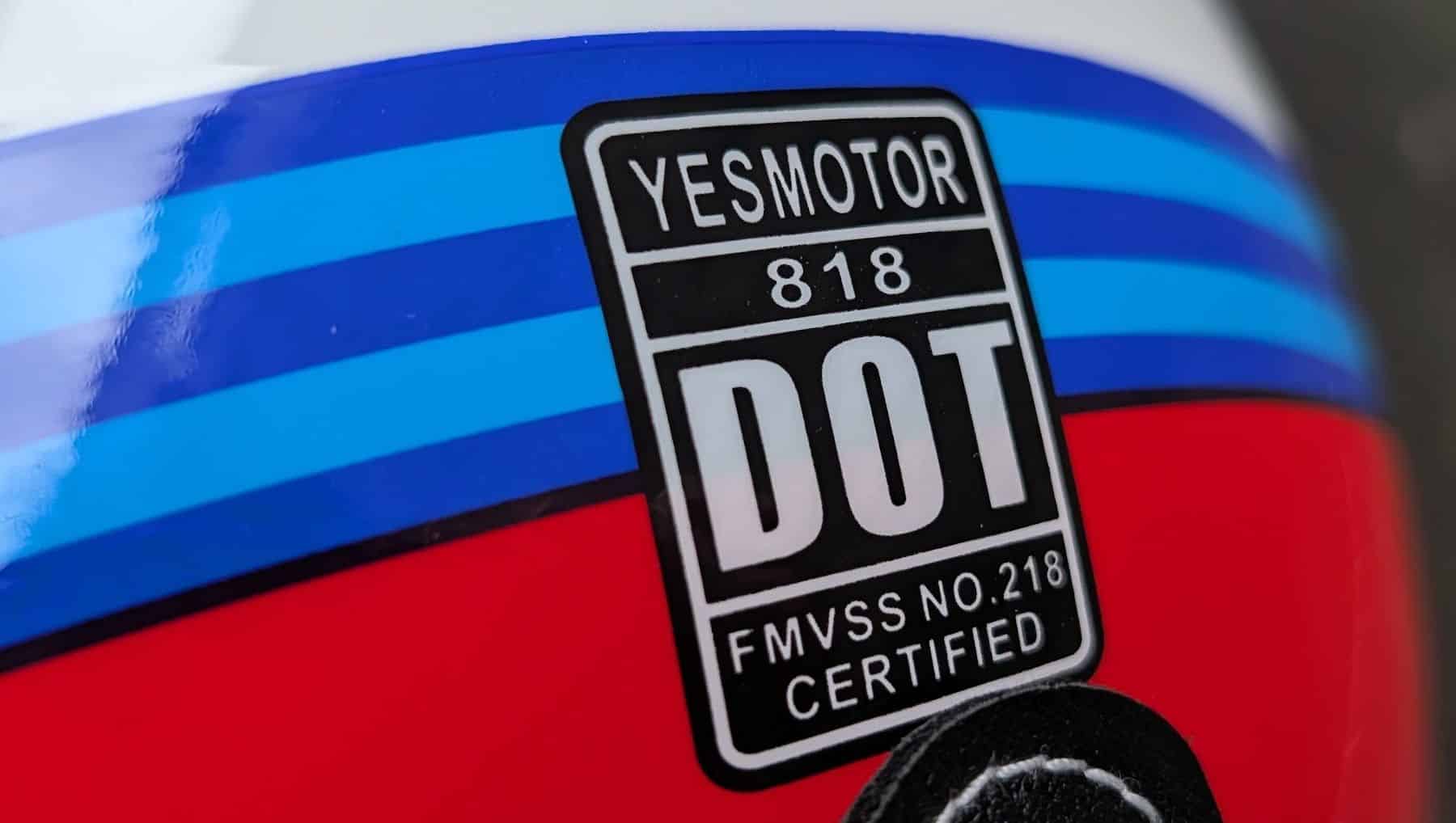

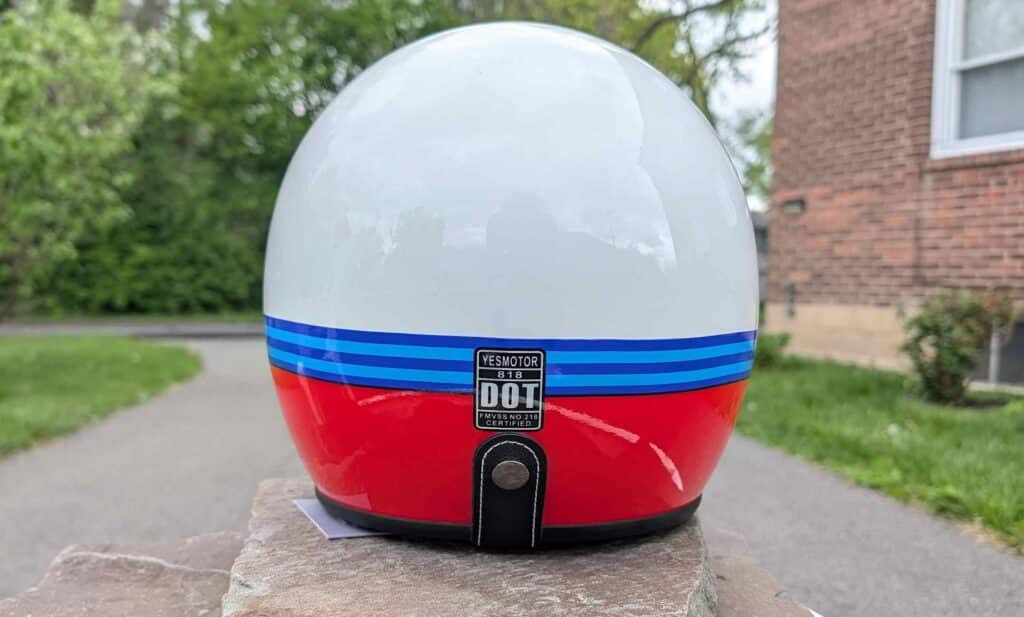
I just spent $60 on a motorcycle helmet from Amazon. I opened the shopping site, popped the words “DOT certified motorcycle helmet” in the search bar and saw a pretty stylish piece of headgear from Yesmotor sitting alongside $400 options from more established brands like Bell.
So what’s the problem? Both the Bell helmet and the one from the random Chinese company no one has ever heard of have a “DOT Certified” sticker on them. Bell and higher-end brands might have some slightly more advanced technology that I could place between my skull and the pavement if it all goes wrong on a bike, but regulatory approval means going for the cheaper option probably won’t get me killed, right?
Unfortunately it turns out those DOT stickers actually mean very little. It’s almost based on an honor system in an age where those systems don’t really work. And hospital bills are expensive, so the cheaper helmet might actually be a far more expensive option in the long run. Here’s what you should actually look for when buying a motorcycle helmet in the United States.
DOT Approval is borderline meaningless
You would think the Department of Transport wouldn’t give its approval to anything that doesn’t meet strict standards. But this is America, the food’s poison and most of the safety gear on sites like Amazon is plastic trash.
The DOT approval process basically involves a company being trusted to test its own products before applying the sticker. The NHTSA (the organization that also issues vehicle recalls amongst other things) then pulls random products that are being sold with the DOT sticker on them and has them tested in an independent lab. The problem is, they don’t test many and those tests don’t tend to go well.
Between 2014 and 2019, the NHTSA only tested 167 helmets. A fraction of the thousands that were on sale in that time. Of those 167 helmets, 72 (over 43%) failed performance testing. 105, or 63%, failed the administrative labeling requirements. 2018 was a particularly bad year, with over 60% of the helmets tested not meeting physical performance standards.
If you’re wondering why we’re using data from six to ten years ago, it’s because that’s the last time the DOT published helmet testing data in any meaningful quantity. They are still testing helmets, but the number is so low that the results are apparently not worth publishing in a meaningful block.
Of the data that is released, most involve pulling specific units from major brands like Bell instead of trying to delve into the thousands of cheap helmets currently on the market. Basically, even the NHTSA has de facto given up on all of this.
Even if testing was increased, enforcement is difficult
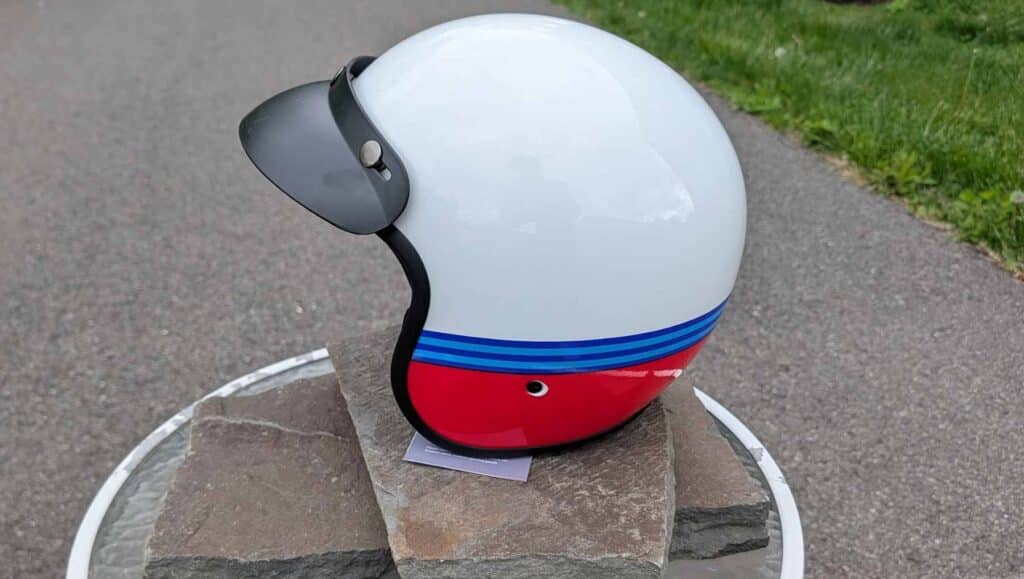
So the DOT and NHTSA are both failing spectacularly when it comes to helmet testing. Unfortunately, that may not actually matter. While 72 helmets failed during the testing period we have the most data from, only 12 safety recall notices were issued. The rest of the helmets just continued to be sold as if nothing had happened, with their DOT stickers intact.
But even if the government did decide to do its job. Cracking down under the current rules is pretty much impossible. This is something you’ve likely noticed, but a good chunk of products are just generics with a particular company logo or design on them. A lot of these companies just pop up and disappear every few months.
So say I start a company called “BonceBuffer” and order 10,000 cheap Chinese helmets in various colors with my logo on them. I fill in some paperwork, tell the DOT I’ve tested those helmets, and I’m now free to sell those cheap helmets as DOT compliant on websites like Amazon.
If, by some miracle, the DOT does decide to test one of my helmets and discovers they’re as much use as taping a colander to your head, my company just disappears. I pop a different logo on the remaining helmets, file some new paperwork, and all of a sudden I’m back in business with a new company selling the same old useless helmets with a fresh DOT sticker on the back.
I can’t find any evidence that the Yesmotor helmet I purchased has been independently tested and verified by the DOT or NHTSA. And it may well pass that testing, I don’t have a lab and a stack of these helmets so I can’t independently test it to those standards myself. But even if it did, those standards were set back in the 70s. If you really care about protecting your head, you want to look for something a little more modern and well regulated.
So what helmet should you buy?
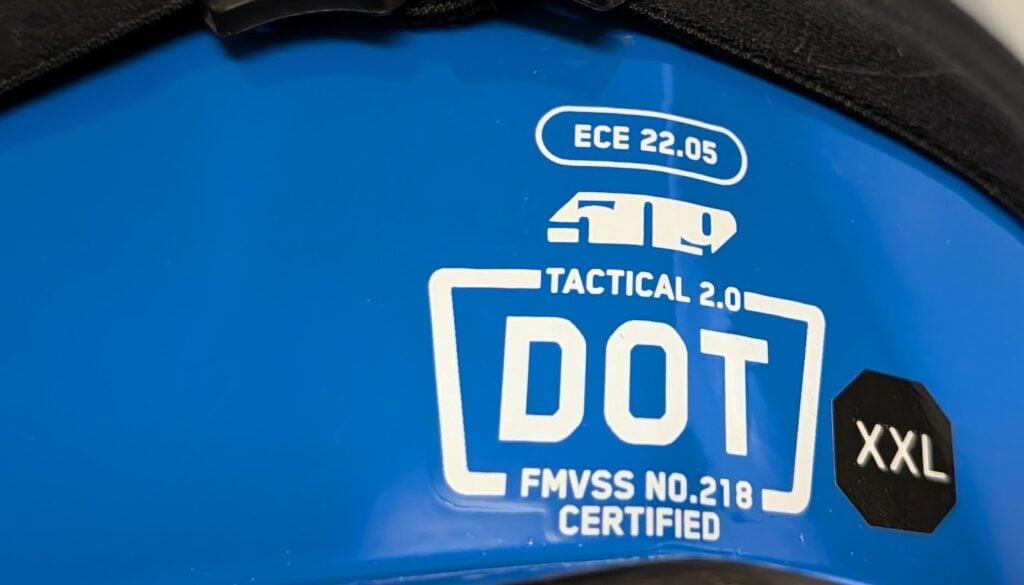
I get it, a lot of people don’t even want to wear a helmet and in some states you don’t have to. That’s your choice. If you live in a state where you’re forced to wear one, you may not care if it’s any good or not you just want something stylish and cheap that at least seems compliant.
But if you do actually care about protecting your head in the event of an accident, you may be wondering what to look for since the DOT standard isn’t worth the plastic it’s printed on.
Luckily, there are a few organizations that do test things properly. ECE 22.06 (or ECE 22.05 for slightly older stock) is the current gold standard, and requires helmets to be independently tested in an approved lab before they hit the market. The standard is managed by The Economic Commission for Europe and is recognized in over 50 countries. It specifically tests for things like rotational and oblique impacts, along with impacts at high, medium, and low speed. Basically, if you’re looking for something to keep you safe on the roads, go with this one.
The newer Snell M2020 is also very solid. As its roots are in motorcycle racing (the organization was established after the death of racer Pete Snell) it tests for higher impacts than both the DOT and ECE. They conduct pre-testing, but also regularly pull approved helmets off the shelf to ensure standards are being maintained.
Similarly the FIM is geared towards racing. Managed by the Fédération Internationale de Motocyclisme, this is arguably the most stringent motorcycle testing standard on the planet. Compliance with FIM standards is mandatory for equipment used in both MotoGP and World Superbike racing. So while it may be overkill, nothing will keep your head safer in a high-speed accident than an FIM-approved helmet.
So if you want a high-quality helmet that will protect your head and stop you doing something as silly as dumping $60 on a piece of plastic trash so you can snag some pics for an article, ignore the DOT standard altogether. Instead, look for something tested by an organization that hasn’t thrown the towel in.