
Electric vehicle makers, from Rivian to Tesla, have been fighting United States laws that prevent them from selling directly to drivers, bypassing the need for a dealership. But legacy brands are fighting back out of fear of one EV maker in particular: Scout.
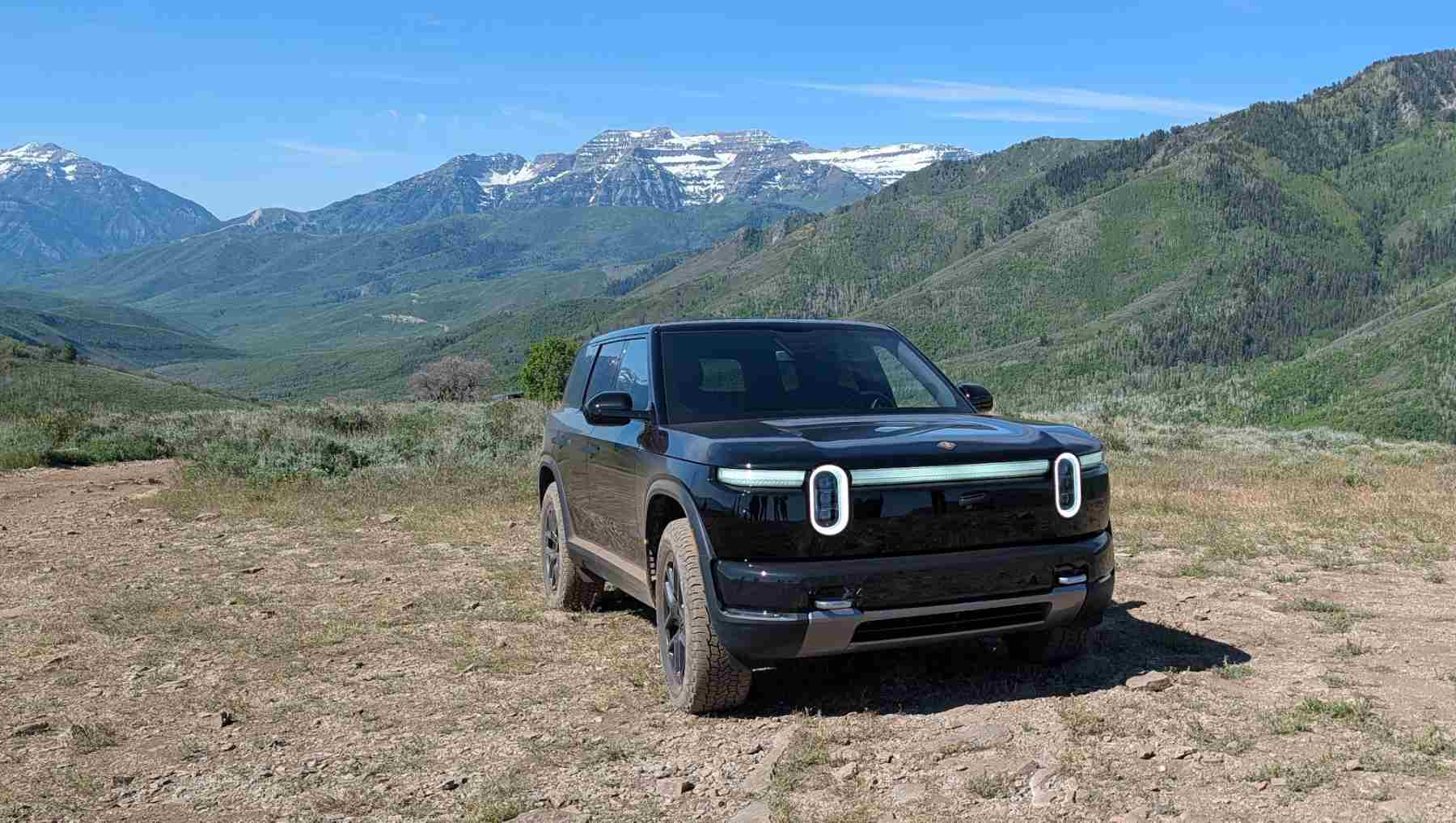
Recently, Rivian won a dealer license in Washington after reaching a compromise with state dealers. This is the first step in Rivian’s push to eliminate dealerships entirely and offer an alternative way for customers to purchase the new R2. However, most automakers are not scared of Rivian. It’s not like there are customers out there heavily contemplating between a Ford F-150 and a Rivian R2. Those are completely different consumers. And, to be real, Rivian’s sales are not extremely high.
However, an attorney representing the auto retailers fighting private EV sales, Leonard Bellavia, said Rivian isn’t the reason they are resisting. It’s Scout.
“There is a better path”: Scout Motors wants to bypass dealerships, and there are lawsuits
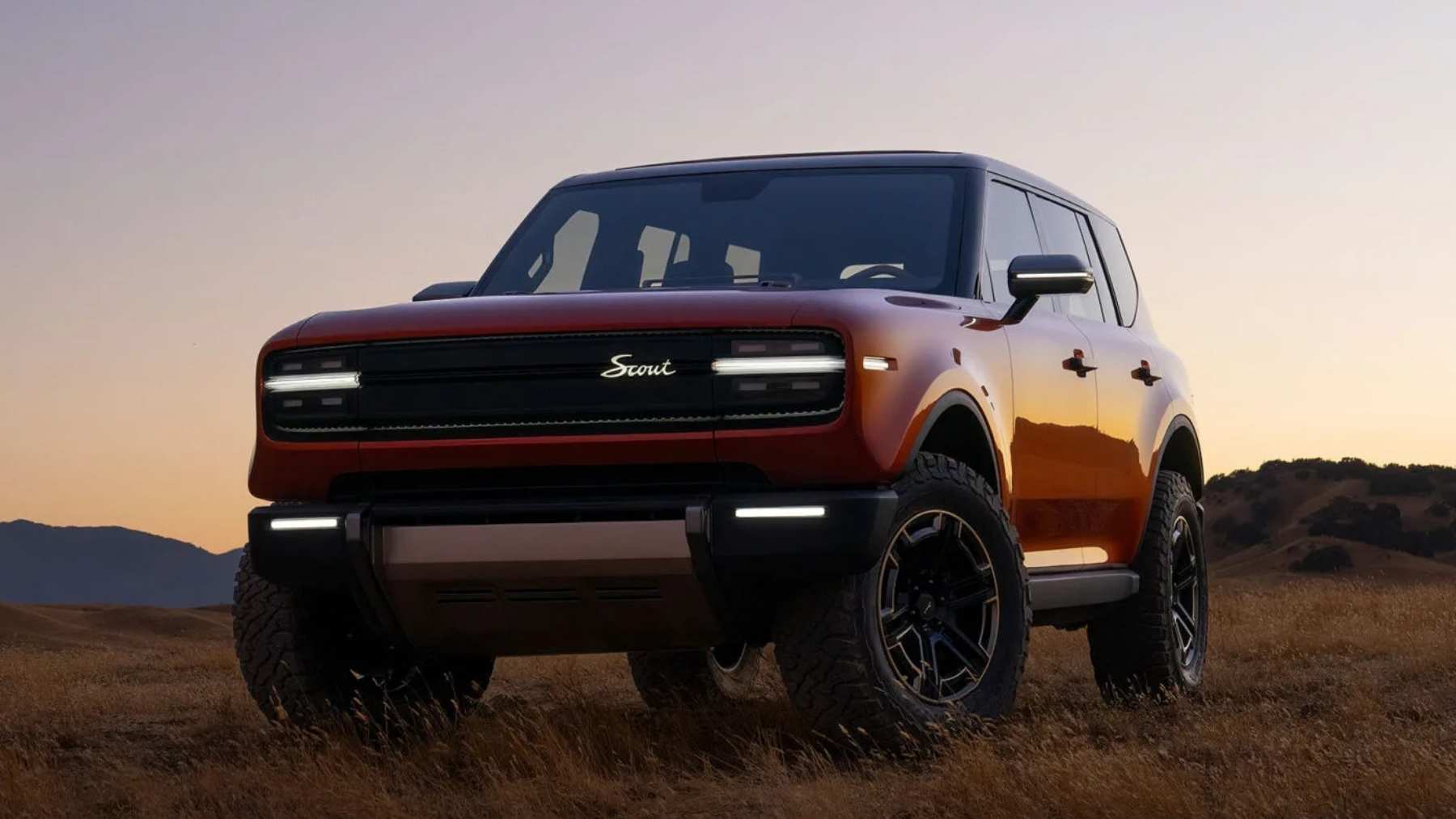
Scout Motors is positioning itself as an independent brand to bypass dealerships, according to a report from Automotive News. But it’s actually backed by Volkswagen Group. Allowing Scout to sell directly to consumers could have major consequences for legacy automakers using the franchise model.
Right now, 96% of new vehicles are purchased through dealerships. EV-only automakers are banned from selling directly in 28 states. You can still purchase directly in those states, but the brand will process the sale as out-of-state and then deliver it. However, polls have shown that drivers largely want more choices in how they can purchase a car. They’d love a direct-to-consumer option. Not surprising, seeing as most Americans have a pretty negative view of dealerships due to the hidden fees and pushy salespeople.
“Consumers should have the choice to buy a car from either a dealer or an American EV manufacturer like Rivian,” Alan Hoffman, Rivian’s Chief Policy Officer, told Auto News. “Direct sales save consumers money, are more convenient, and provide for more transparent pricing.”
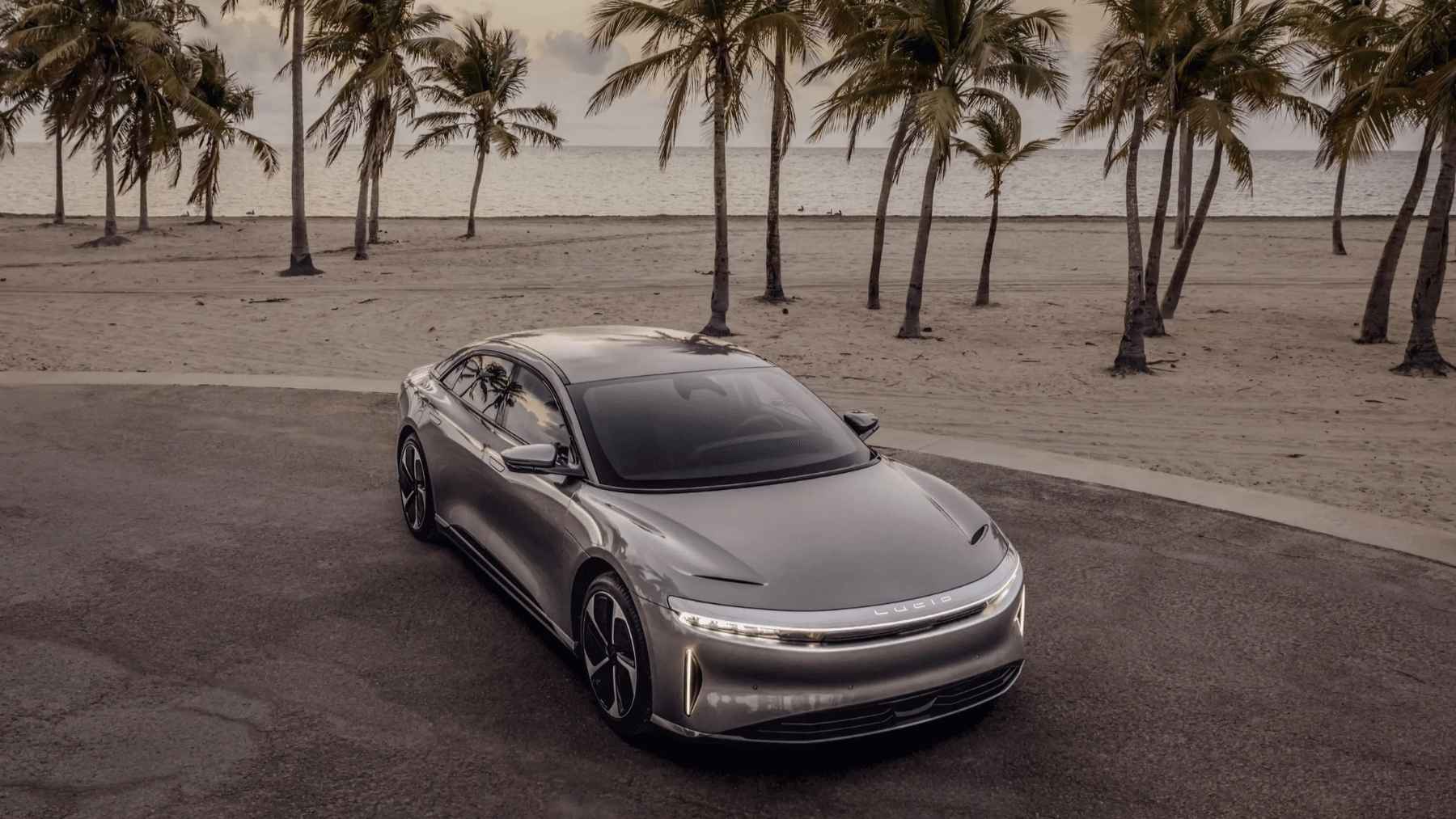
While Tesla, Rivian, and Lucid make up only 4% of the U.S. light-vehicle market, dealer associations are concerned that the limited direct-sales opportunities for EV automakers could grow even larger, possibly circumventing franchised dealers entirely. Legacy automakers — including Honda, Ford, General Motors, and Toyota — argued it would give EV competitors an edge. CEO John Bozella called it a “discriminatory law” that would undermine the existing retail system for automotive sales. It could also potentially allow Chinese automakers to sell directly to the United States.
The lawsuits from EV brands are still coming. But the fight to keep the status quo will likely be more aggressive than ever as Scout draws near. Unlike brands like Rivian and Tesla, Scout is connected to a legacy brand, the VW Group, which poses an even bigger threat to the status quo. This could dismantle the way vehicles are sold in the United States.
Scout has made it clear that direct-to-consumer sales are part of its strategy in the United States. CEO Scott Keogh said in 2024: “I don’t disagree with the dealer model, but there is a better path, and that’s exactly why we want to do it.”
After that interview with Bloomberg, dealers filed a bunch of lawsuits. VW dealers said that Keogh was dismissing their role. In 2025, Keogh applauded VW dealerships but still spoke of an “alternative” for Scout buyers.
The compliments didn’t help.
“Most VW dealers would love to sell a pickup truck, but VW has decided that it will sell those vehicles through the Scout brand at the expense of supporting its business partner dealers,” said Brian Maas, President of the California New Car Dealers Association. The CNCDA is actively suing Scout.
You probably know what I think: Bring it on! I’d love to have more direct-to-consumer options. I got excited when Amazon announced it was selling cars, but I quickly found out you still had to buy them through a dealer and pick them up from a local one. At least there were no interactions with salespeople. It’s been quite refreshing sticking to older cars and just picking them up in random parking lots.
 mb ROOKIE5 months ago