
Toyota and Subaru may be entering a price war as tariff-related pressure increases and the EV market continues to stall. Toyota and Subaru have traditionally kept things peaceful. With Subaru generally offering more affordable vehicles on a Toyota platform and Toyota charging a premium for nicer interiors and a more prestigious brand reputation.
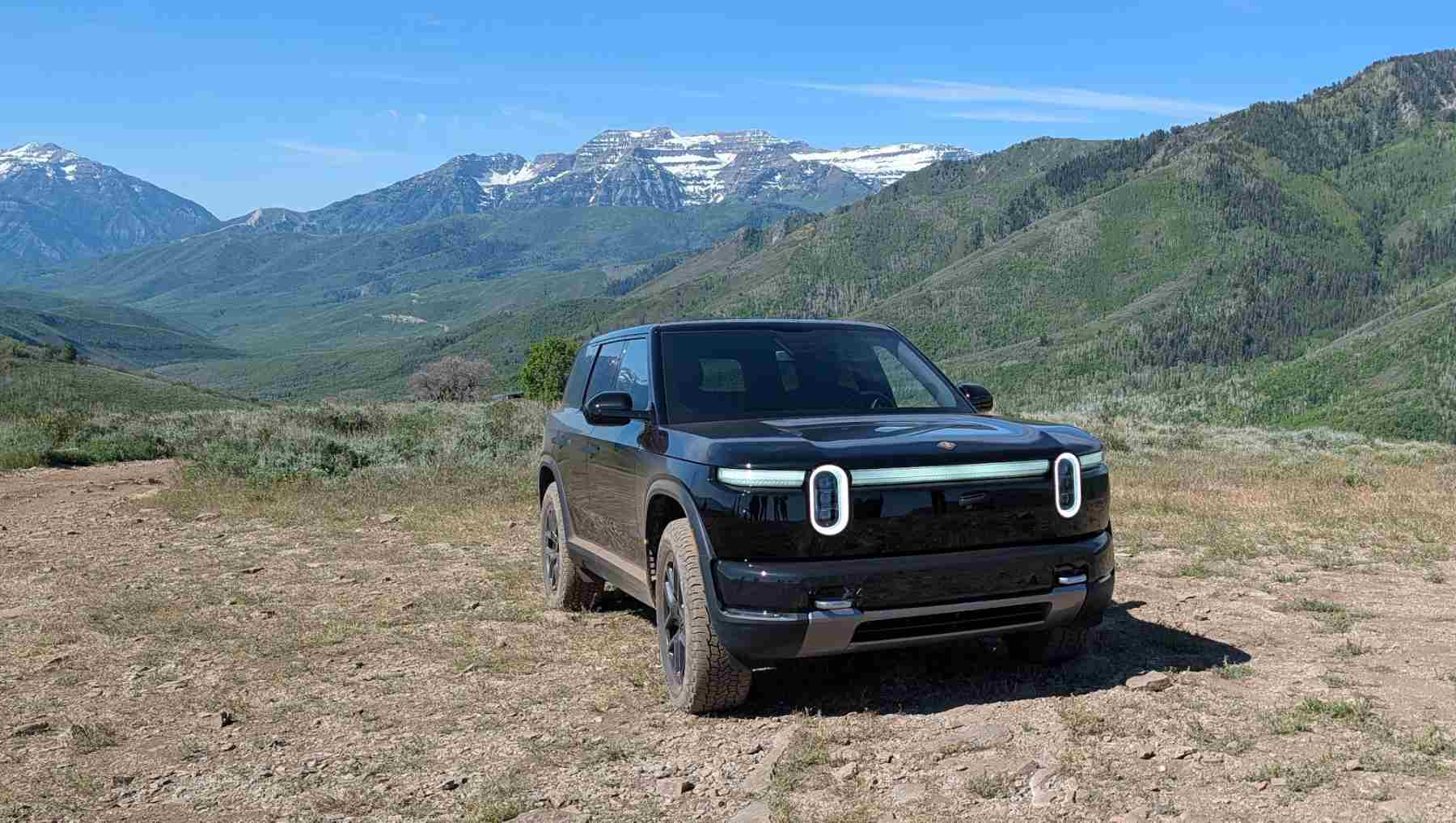
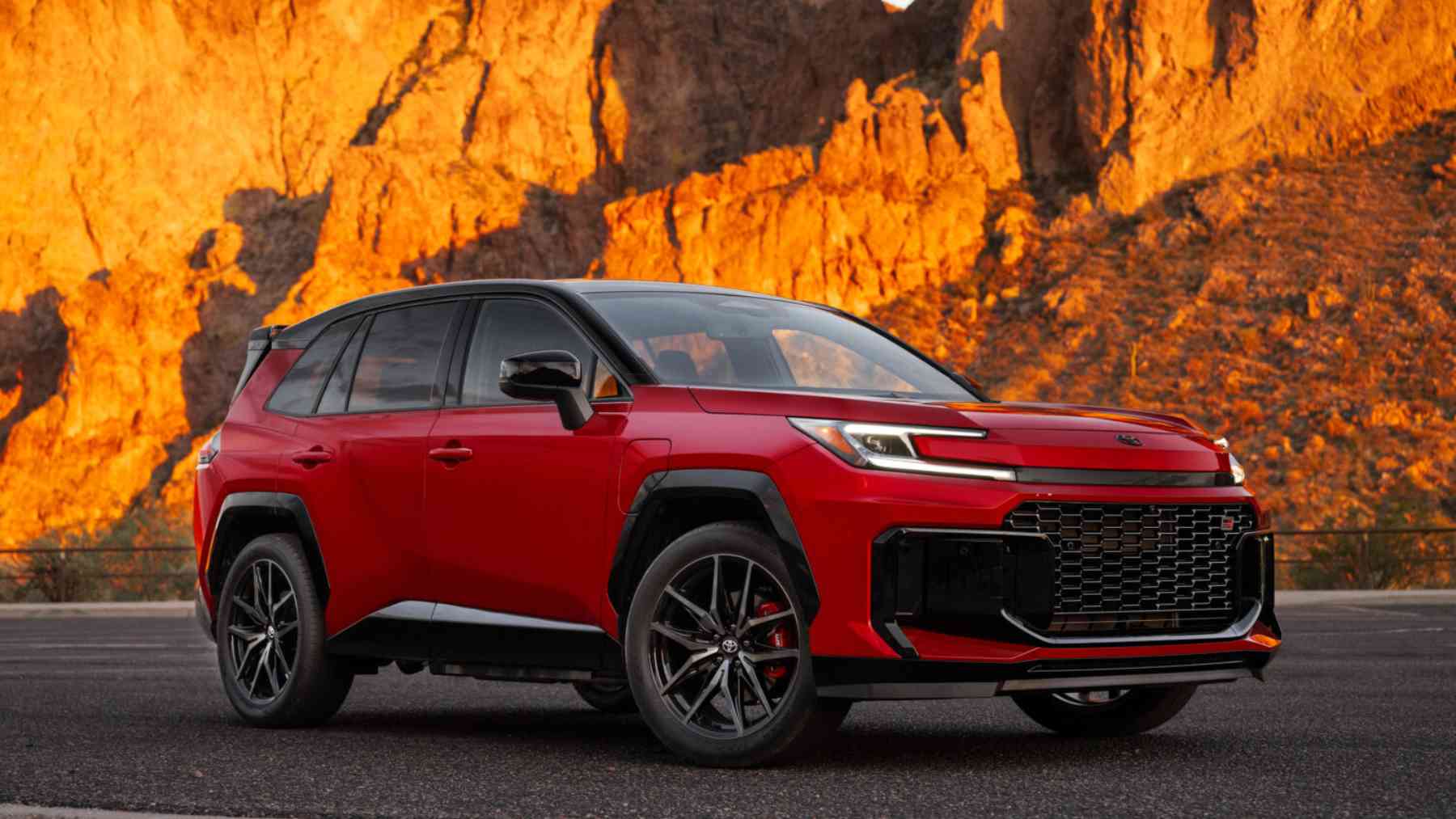
That now seems to have changed. Toyota has recently dropped the price of the new RAV4 PHEV by around $3,000, and is throwing both $7,000 in lease cash and 0% financing at vehicles in its EV lineup in an attempt to clear dealer lots. Which is good news if you’re looking at a bZ or bZ Woodland but may worry Subaru dealers hoping to shift more Solterras and Trailseekers.
Subaru may have also messed up by dropping the base trim of the BRZ. This essentially brought the BRZ’s starting MSRP up to $37,055 while Toyota kept the base trim of the essentially identical GR86. You can now essentially snag a GR86 for $5,000 less than the Subaru.
However, it’s not a war if only one side is fighting. As you may expect, Subaru has hit Toyota back hard in an attempt to maintain sales volume. The response to Toyota’s EV offer seems to be a hefty price cut on the Solterra and the Subaru Trailseeker, with both vehicles seeing cuts of between $2,000 and $4,000. You should also keep in mind that the Solterra saw its price slashed by a hefty $6,000 in 2025.
Subaru’s core lineup, including the Forester and WRX, are also seeing discounts. Some trims have seen prices slashed by as much as $1,900. Subarus have unique selling points too, while the RAV-4 is hybrid-only now Subaru still offers an ICE option on vehicles like the Forester and Outback. AWD as standard, and a very good AWD system at that, is also a pretty big bonus at Subaru’s current entry-level price points.
Aren’t Subaru and Toyota the same company?
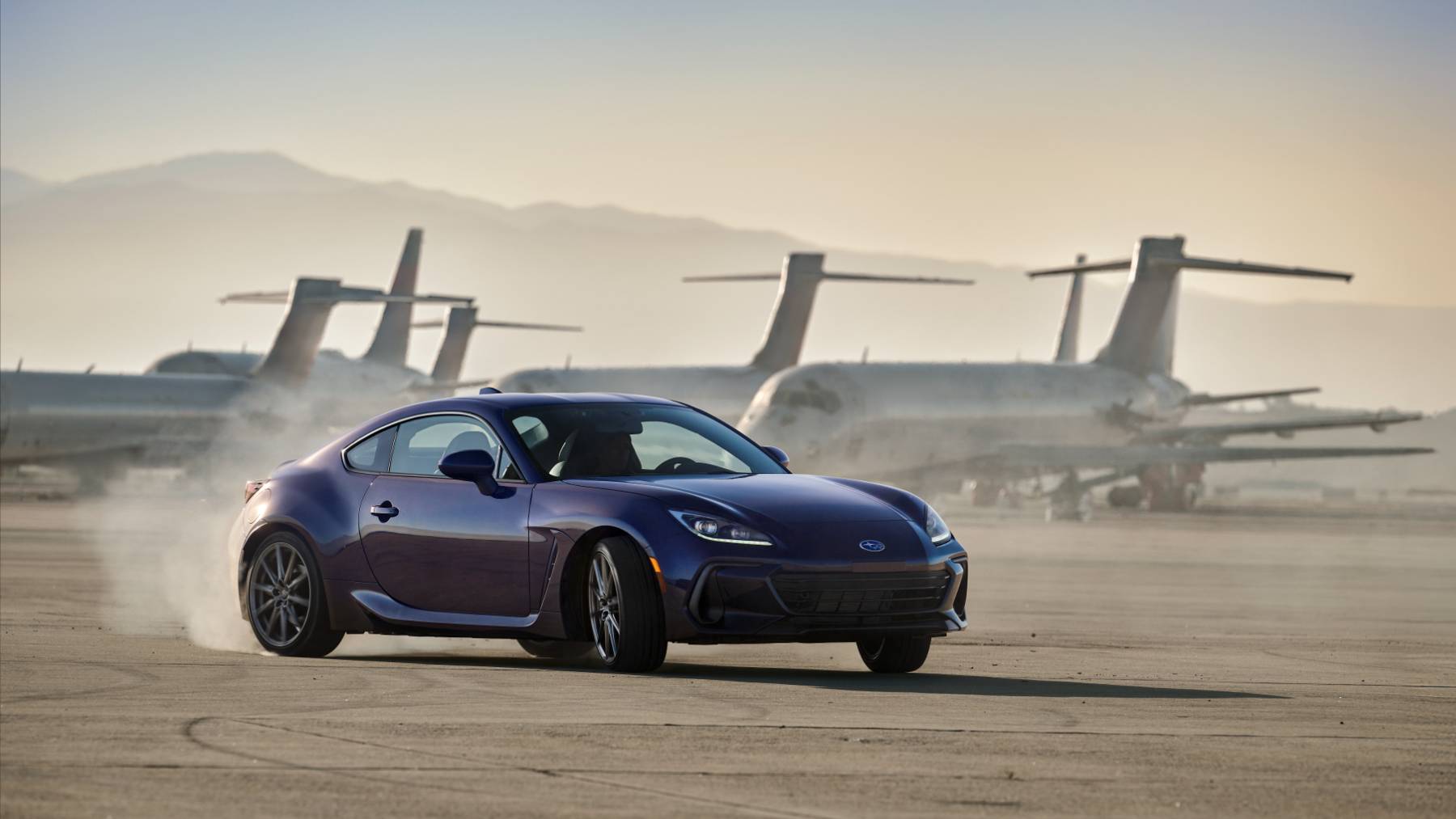
Subaru and Toyota share a lot of vehicles, the GR86 is essentially the BRZ with Subaru and Toyota collaborating heavily on the design and engineering (even if Subaru supplies the powertrain and assembles the vehicle). The Subaru Solterra is essentially a bZ, while the bZ Woodland is a Trailseeker. The Toyota C-HR is the Subaru Uncharted, and the upcoming Highlander EV is near identical to the Subaru Getaway.
Beyond that, Toyota owns around 20% of Subaru, but this isn’t too uncommon in the automotive world. Hyundai owns over 30% of Kia, which is why pretty much every Kia shares a platform with a Hyundai vehicle. Nissan owns 24% of Mitsubishi, which is why the Rogue and Outlander PHEVs are essentially the same vehicle. Renault also owns around 15% of Nissan, though the French automaker is still looking to reduce this stake. Honda has had on-off talks about potentially acquiring a chunk of its Japanese rival over the past couple of years.
This isn’t just an Asian phenomenon too. US car makers acquire each other all the time. Which is how mammoth brands like Stellantis and GM end up collecting more badges than the average boy scout (and strategically killing historic companies like Pontiac when necessary.
While these relationships often involve collaboration, Kia’s the slightly cheaper more fun version of Hyundai for example, they’re still technically competing in the same market. Which is why Kia was drastically slashing prices on things like the EV6 last year, much to Hyundai’s chagrin.
Subaru and Toyota have, for the most part, avoided any price clashes since Toyota acquired its stake back in 2005. But tariff-related pressure and a stalling EV market apparently means the gloves are coming off.