
I wrote a while ago about how there are so many pointless studies out there that tell us common-sense things we already inherently know. Well, another one of those studies has come to my attention.
iSeeCars data has confirmed what we already know: American drivers prefer boring car colors. Despite this already being very obvious just by looking at a garage or out your car window, iSeeCars gathered data from over 22 million used cars sold between January 2025 to May 2026 from model years 1996 to 2026 to find out exactly what boring colors drivers prefer. And, surprise, that’s no shocker either.
Here are the mind-blowing results:
- White: 25.7%
- Black: 23.4%
- Blue: 9.1%
- Silver: 8.4%
- Red: 7%
- Green: 2.2%
- Brown: 0.4%
- Beige: 0.4%
- Orange: 0.3%
While the results are basically what you’d expect, especially near the top, there was still some interesting insight. White was the top color, but it was only 21.1% in 1996 (though it was still the most popular back then). Gray was an even bigger jump, going from 3.6% of purchased cars in 1996 to 22.9% in 2025. Meanwhile, the most popular non-boring color, blue, has dropped in popularity. It actually took up 10.2% of the market share in 1996. Green went from 13.4% in 1996 to 2.2%. Red, which is now only 7% of purchased used cars, was at 20.1% in 1996.
Now we can come to a more interesting headline: Americans hate color even more now than they did 30 years ago. This is actually a bit more shocking. If you think about it quickly, you’d probably assume colors would become more popular and normalized over time. At first I wondered if it was due to America’s love of SUVs. Over 79% of used SUV purchases from the past 1.5 years were white, black, or other grayscale colors, with white being the most popular. However, passenger cars went from 3.8% gray in 1996 to 28% in 2025. Back follows, then white.
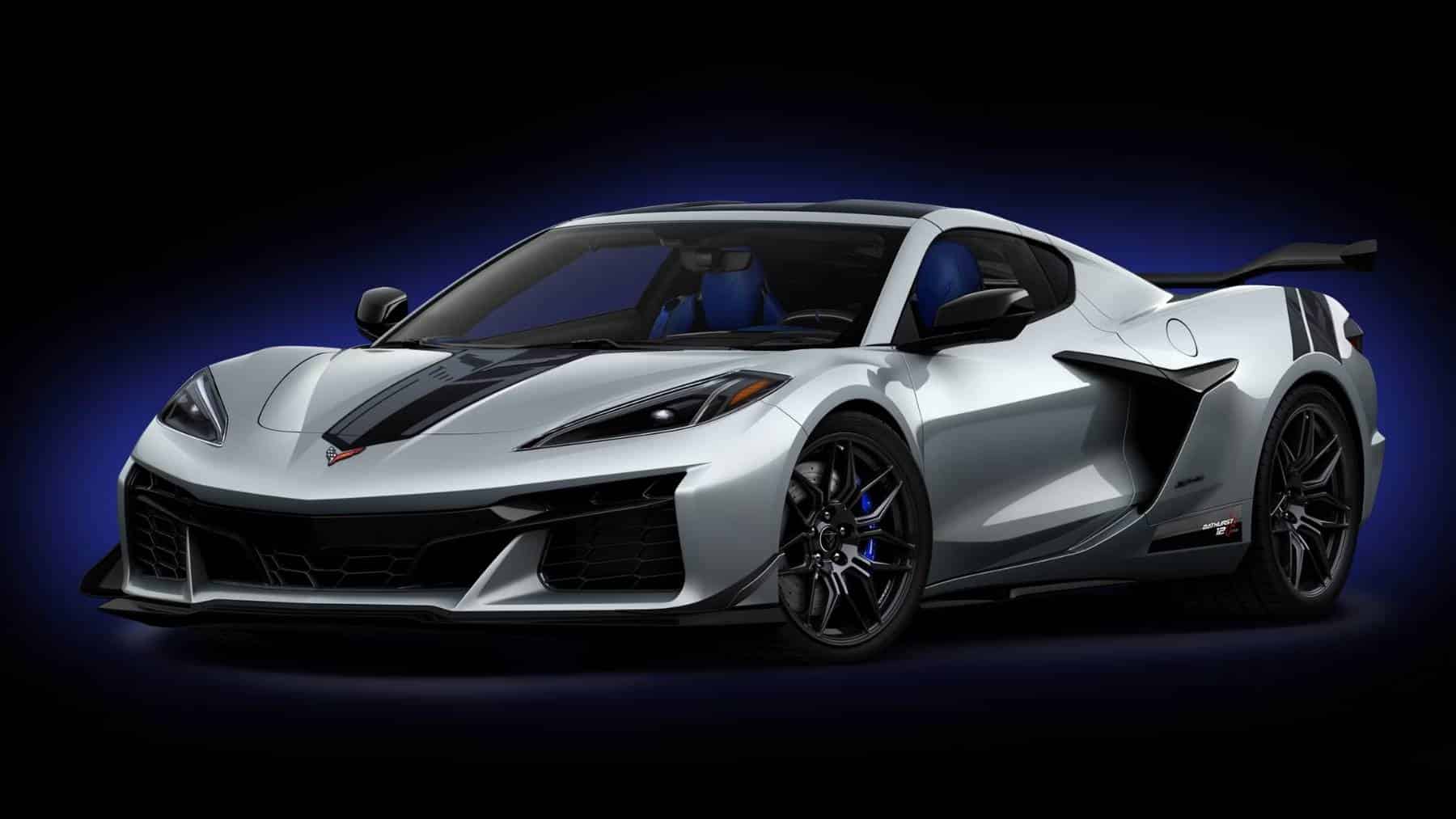
Even worse, it’s not just commuter vehicles purchased by families that have given up on fun. The most popular sports car color is not red, green, or even blue. It’s gray! Now, 21.2% of used sports cars purchased are gray.
Why are all the cars so boring now?
When you think of the “old days,” you probably envision black and white vehicles. But those are old images playing tricks on you. Back in the day, cars were full of color. In the 1920s, cars came in all different shades, sometimes even multiple shades. The fun colors did disappear a bit in 1929, however, following the Great Depression. Cars turned from colorful celebrations to dim and depressing. Most were green and gray. Luckily, color returned in the 1940s.
Going into the 1950s, cars were flashy as can be, with American spending increasing. The 1960s saw colorful cars all over popular culture, inspired by hippie culture. Then, the 1970s brought the gas crisis. Americans became frugal and calculating once again, and the industry followed suit. Earth tones started taking over, especially brown. Blech.
Seeing a pattern? From the 2000s onward, we’ve gone up and down in the economy. Many people are unable to purchase new cars as prices continue to skyrocket. For many Americans, new cars are only attainable at the lowest possible trim. And oftentimes, white is the cheapest color. Getting a fun color often costs extra for certain models, which many families are not willing to bother with. Used cars can sometimes echo this pattern, charging more for fun colors. And again, Americans are not willing to pay more for a red car when they can barely afford gas and eggs.
Another reason for the boring cars of the 2000s is the rise of technology. Phones, iPads, consoles, and their accessories are often white and black. It’s sorta seen as sleek, stylish, and futuristic for a car to be white now. Unfortunately, when they’re all white that mystique is gone and it appears boring. SUVs and other safe vehicles often stick to those boring colors anyway because they’re, well, safe. If customers are buying them, why stop making them?
“Certain colors are appropriate for certain vehicles,” Ford’s Designer Manager, Barb Whalen, said. “For example, the Green Envy you would see on a Mustang, you would never put that on an F150. It would just be kind of comical, I think. But a Mustang customer loves that bright green on that vehicle, and it’s appropriate, it’s inspired, and it’s sporty, and there’s a customer out there that wants that attention, that wants to say, ‘Hey, look at me and look at my car.'”
 @simonrockman DRIVER2 months ago