
You’ve probably seen the rumors swirling around. I have. All over social media, I was seeing tweets about a “kill switch” that would allow government officials to remotely deactivate your car. How dystopian! I couldn’t really find any proof of this, so I didn’t bother reporting. However, it seems this is an exaggeration of an actual law that could go into effect sometime in 2027, requiring automakers to implement technology that prevents you from driving drunk.
The HALT Drunk Driving Act was passed in 2021,requiring the National Highway Traffic Safety Administration (NHTSA) to create a new Federal Motor Vehicle Safety Standard (FMVSS) that would require vehicles “to be equipped with advanced drunk and impaired driving prevention technology.” Essentially, this would be a “kill switch” in the cabin that would not allow the car to be operated if you were drunk. Maybe it would monitor your behavior with in-cabin cameras, analyze your eye movements, or detect your blood alcohol content.
The NHTSA was supposed to outline this back in 2024, but that deadline was missed — and extended. As of February 2026, the NHTSA “continues to evaluate and analyze the information contained in the more than 3,000 unique comments received in response and to conduct the research and other activities described.” Right now, it feels most reviewed technologies were in early stages of development or wouldn’t work in a car. It’s currently unclear how automakers would implement this kind of technology — not just the monitoring and detection, but also the ability to limit the vehicle’s functions or completely shut it down.
Drunk driving is a problem, but so is having your eye movement monitored, say opponents
I think nobody would argue that drunk driving is a problem in the United States. According to the NHTSA, 11,904 people died in alcohol-impaired driving traffic deaths in 2024. Being intoxicated can negatively impact muscle coordination, slow down reaction time, slow thinking, and significantly impair judgment. This is what caused Mothers Against Drunk Driving (MADD) to design the HALT Drunk Driving Act, which was within the Biden Administration’s 2021 Infrastructure Act.
Drunk driving is a clear problem. The issue is that nobody knows how to address this ongoing problem. General Motors began developing a system that could detect whether someone is impaired using cameras and sensors that analyze a person walking up to the driver’s side door. Ford plans to scan irises, track facial expressions, and monitor heart rates with “machine learning” to see if the driver is impaired. Toyota is working on a system that will prevent a car from starting if sensors in the steering wheel detect high levels of alcohol in your sweat.
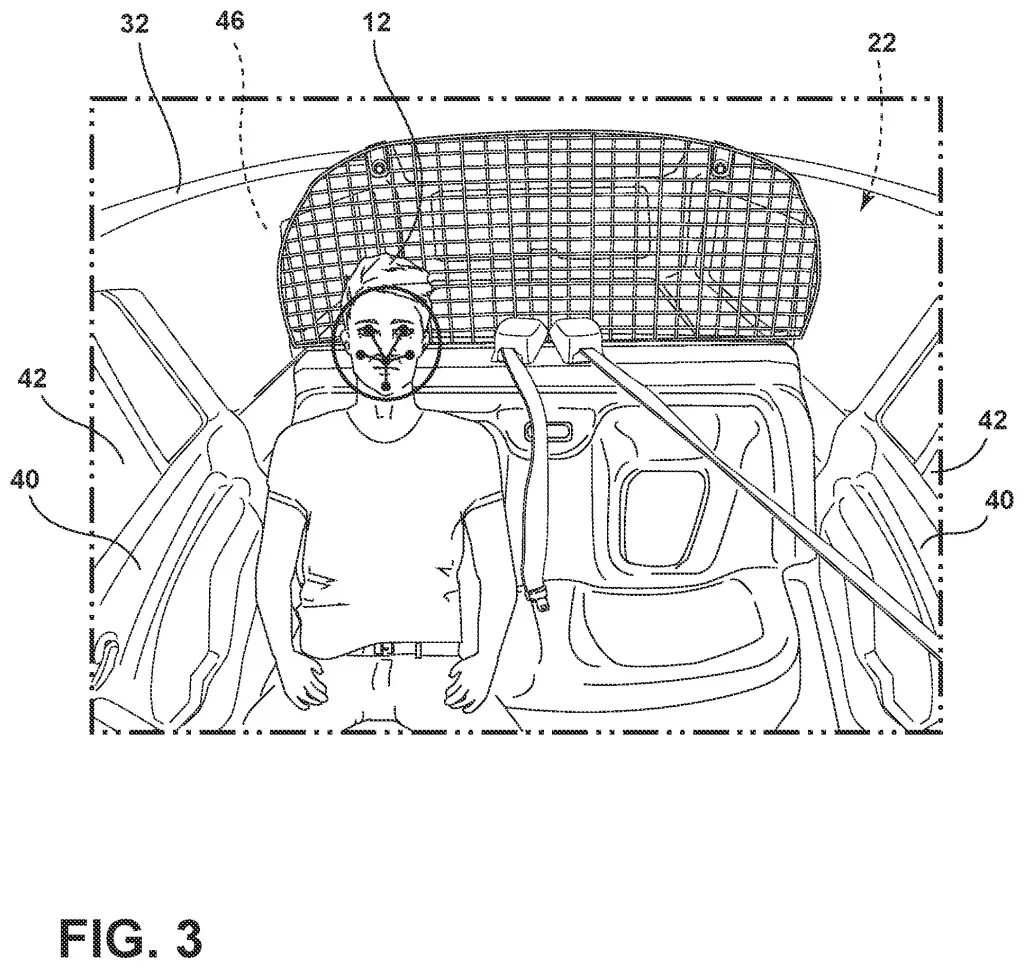
- Image Credit: Ford
Many are fighting back against the concept of in-car surveillance. Being monitored by an infrared camera that checks pupil size, head movement, and other behavior feels quite invasive. And would the captured footage be sent anywhere? Harry Maugans, CEO of Privacy Bee, said that the information gathered in your car “is definitely not going to stay in the vehicle,” claiming it would end up in some “automotive cloud” somewhere.
Said a Reddit user in the “f***cars” sub: “This s*** is just more insane invasion of privacy by big tech to sell to insurance companies, surveillance agencies, and advertisers to squeeze every last penny out of our miserable car-dependent existence.” Keep in mind the name of this sub. Another noted: “They should focus on s*** like speed limiters in residential/city areas first. That would save more lives, but of course, they’re not interested in that, and this data will be used nefariously.”
A car not starting up could become detrimental in some scenarios. Car Coach Reports’ Lauren Fix said there are “a million scenarios” that could make the vehicle believe you’re intoxicated when you’re actually just under duress. “Maybe your mother fell and she needs your help. Your house is on fire. Your wife is about to give birth and needs to be rushed to the hospital. Maybe you’re just stressed. And your car refuses to start? That’s where the problem lies,” she said to California Post, a conservative tabloid that called the whole thing “sinister.” This was echoed by the NHTSA in a report sent to Congress in February. The current technology could generate “millions of false positives” each year, since nothing can be 100% accurate.
Another issue? The car industry could see a painful decline in sales. New car prices could increase due to the added technology automakers are required to install. And anyone paranoid about the in-cabin cameras and sensors may just avoid new cars fitted with this technology, keeping their older cars even longer. With Americans already unable to afford new-car prices, this could prove detrimental to automakers already struggling to keep costs down.
Honestly, I think this whole “kill switch” thing brought out all the crazies. All the most paranoid people have come out of hiding to discuss this one. I’m not in favor of this much surveillance myself, largely because the idea of having to run all these tests just to start my car seems extremely tedious. Especially as someone who doesn’t drink. I am a fan of that sweat one Toyota is working on, which doesn’t seem really all that invasive or inconvenient. And maybe even more accurate. Either way, I don’t think this will end up happening, since most of the technology doesn’t seem ready.
 @tobyfalcon ROOKIE5 months ago