
2026 Chevrolet Traverse
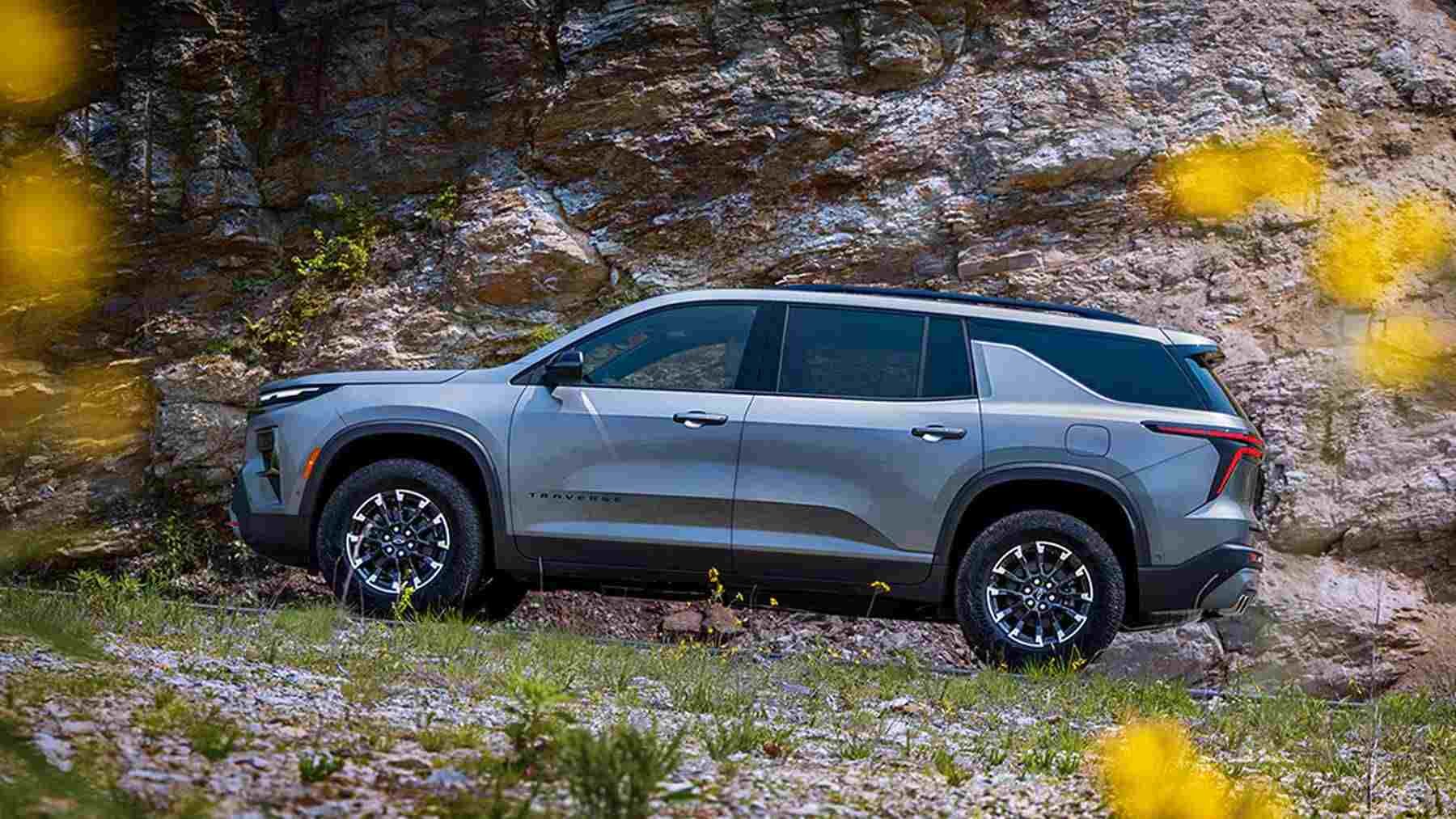
Overview
What's New for 2026
The 2026 Chevrolet Traverse enters its fourth model year since the comprehensive 2024 redesign, which fundamentally reshaped this three-row family hauler from the ground up. This generation shed the previous truck-derived architecture in favor of a refined sedan-like platform, resulting in a noticeably more car-like driving experience without sacrificing the practical utility that three-row SUV buyers demand. For 2026, Chevrolet has refined the lineup with careful attention to what families actually need: straightforward powertrains, more intuitive infotainment, and consistent availability of essential safety technology across all trim levels.
The 2026 model brings stability to the offering after establishing the redesigned generation's foundation. Chevrolet has resisted the temptation to over-complicate the trim structure, maintaining four core levels while strategically enhancing content at each step. The turbo engine lineup remains unchanged—a single 2.5-liter turbocharged four-cylinder powers the entire range—but Chevrolet has improved transmission response calibration and added more refined noise isolation throughout the cabin. Updated infotainment software brings faster responsiveness and cleaner menu structures, addressing real-world complaints from previous model owners.
For buyers shopping this segment, the redesigned Traverse competes directly with the Ford Explorer, Honda Pilot, Toyota Grand Highlander, Kia Telluride, and Hyundai Palisade. Positioned at the value end of this competitive set, the Traverse offers compelling specification and pricing advantages, though it trades some perceived prestige for accessibility. The Z71 off-road trim and High Country luxury variant provide clear differentiation for buyers who want either ruggedness or upscale comfort.
Overview
The 2026 Chevrolet Traverse is a midsize, three-row SUV that seats up to eight passengers across its 112.5-inch wheelbase. The complete model lineup stretches from the base LT at $40,800 (FWD) through the premium High Country at $57,100 (AWD), with the sportier RS trim occupying the midrange at $55,400. The 2.5-liter turbocharged four-cylinder engine produces 328 horsepower and 326 pound-feet of torque—respectable figures for a SUV focused on family needs rather than performance. An eight-speed automatic transmission pairs with this engine exclusively, handling power delivery with measured smoothness rather than aggressive vigor. All-wheel drive is available for $2,000 across most trims and is standard on the Z71, with fuel economy dropping from 20/27/23 city/highway/combined on FWD models to 19/24/21 on AWD versions.
Dimensional competency is where the redesigned Traverse shines. Cargo capacity totals 97.6 cubic feet maximum, with a practical 22.9 cubic feet available behind the third row for everyday items, groceries, and weekend luggage. This expansive architecture translates into genuine three-row usability—the third row isn't merely an emergency jump seat but a legitimate accommodation for smaller passengers or cargo overflow. The Traverse can tow 5,000 pounds when properly equipped with the available trailering package, making it suitable for small to mid-size boat trailers or modest equipment hauling. The 112.5-inch wheelbase provides a 65-foot turning radius, easier to navigate than larger competitors despite the three-row footprint.
The MSRP range reflects disciplined market positioning. Base LT FWD at $40,800 provides entry-level access with comprehensive standard equipment. The LT AWD ($42,800) adds all-weather capability at a reasonable premium. The Z71 4WD ($48,900) targets buyers wanting off-road-adjacent styling and enhanced traction. The High Country trim represents the luxury choice, starting at $55,100 FWD and reaching $57,100 with AWD, directly competing with Telluride SX pricing while undercutting Grand Highlander Platinum. The RS trim ($55,400-$57,400) bridges sport styling with mainstream comfort, appealing to buyers wanting visual distinction without the Z71's off-road positioning.
Driving Experience
The 2026 Traverse delivers competent, confidence-inspiring dynamics that prioritize comfort and composure over sportiness. The 2.5-liter turbo four-cylinder feels adequately powered for typical driving, with 328 horses providing brisk highway merging and reasonable overtaking capability. The engine lacks the effortless refinement of the Honda Pilot's V-6 or the Toyota Grand Highlander's hybrid powertrain, but the turbo four proves efficient and straightforward. Turbo lag is minimal thanks to a small displacement turbocharger, and the engine maintains linear power delivery across the RPM band without the soft spots common in naturally aspirated fours. The eight-speed automatic shifts transparently during gentle driving, though selecting Sport mode can feel slightly artificial in its responsiveness.
Suspension tuning reflects the Traverse's intended mission: family transportation over all-American roads rather than challenging terrain. The independent double-wishbone front and multi-link independent rear suspension absorb highway imperfections with admirable competence. Body motion is well-controlled in cornering, with minimal lean through sweeping curves at reasonable speeds. Steering feel is light and effortless around town, with adequate weight at highway speeds but without the tactile feedback that sport-minded drivers crave. The Z71 variant raises suspension ride height by 0.8 inches and adds all-terrain tires and skid plate protection, genuinely enhancing off-road capability despite the Traverse's car-like architecture. For genuine off-roading, the Z71 remains limited compared to body-on-frame competitors like the 4Runner or GX, but it handles unpaved surfaces and light trails with surprising poise.
Ride quality stands as a genuine strength. The Traverse isolates occupants from road texture with considerable sophistication, absorbing bumps and road imperfections without the choppy harshness that plagues some competitor SUVs. Wind and road noise control is respectable, though not exceptional—the redesigned platform brings tangible improvements over previous generations, but the Honda Pilot and Palisade maintain slight acoustic advantages. The three-row configuration provides genuine isolation between front and rear passengers, with little wind whistle or cabin echo during highway driving. The independently controlled climate zones on higher trims provide genuine temperature stratification between rows, a major comfort factor for mixed passenger loads.
Interior, Comfort & Technology
The 2026 Traverse cabin represents a major departure from the previous generation's design language. The horizontal dashboard layout feels wider and more open than before, with improved storage organization and intuitive control placement. High-quality soft-touch materials dominate the upper dashboard and door panels on LT and above, while the base LT still impresses with straightforward, durable trim materials that prioritize longevity over perceived luxury. The standard 11.6-inch touchscreen infotainment system (larger than most competitors' standard units) runs Chevrolet's latest MyLink software with improved responsiveness, cleaner menu architecture, and wireless Apple CarPlay/Android Auto integration on most trims. Wireless phone charging is available on higher trims, though base LT provides a standard USB-C charging port in the center console.
Seating comfort improves significantly across all three rows. The front row provides 10-way power adjustability with available heating and cooling on RS, Z71, and High Country trims. The second-row buckets offer genuine contour and support, with dedicated climate controls on all but the base LT. A critical differentiator: the second-row seats slide and recline independently, a feature that competing models like the Explorer and Grand Highlander also offer but that the Traverse makes exceptionally intuitive. The third-row seating accommodates legitimate passengers up to about 5'8" in height comfortably, with better headroom and legroom than the outgoing generation. Entry and exit to the third row is straightforward thanks to the second-row seats' easy recline and slide mechanism—this practical design detail matters enormously in real-world family usage.
Technology integration progresses logically across the lineup. The base LT includes standard safety features like automatic emergency braking, forward-collision warning, and lane-departure warning. RS trims add a surround-view camera system, making parking and maneuvering considerably easier. Z71 models include off-road-specific technologies like a terrain response system and all-terrain traction management. The High Country represents the technology flagship, adding a fully configurable digital gauge cluster, advanced navigation with real-time traffic, and a premium Bose audio system with ten speakers. Remote start, wireless charging, heated second-row seats, and ventilated front seats round out comfort amenities on higher trims. The climate control system on all models maintains temperature with impressive consistency, with independently controlled zones on all trims except base LT.
Trim Levels & Pricing
The 2026 Chevrolet Traverse lineup offers four primary trim levels, each targeting distinct buyer priorities. Here's the authoritative breakdown:
| Trim | Starting MSRP | Key Additions vs. Base |
|---|---|---|
| LT (FWD) | $40,800 | Automatic emergency braking, forward-collision warning, 11.6" touchscreen, standard Apple CarPlay/Android Auto, 8 seats |
| LT (AWD) | $42,800 | All-wheel drive capability, enhanced traction systems |
| Z71 (4WD) | $48,900 | 0.8" raised suspension, all-terrain tires, skid plates, terrain response system, all-terrain traction management, high-capacity air filter |
| RS (FWD) | $55,400 | Surround-view camera, unique styling, heated front seats, power rear liftgate, dual-pane sunroof (available), sport appearance package |
| RS (AWD) | $57,400 | RS FWD features plus all-wheel drive |
| High Country (FWD) | $55,100 | Premium soft-touch interior materials, fully configurable digital gauge cluster, navigation, Bose premium audio, power adjustable pedals, heated/cooled front seats, power sunroof standard |
| High Country (AWD) | $57,100 | High Country FWD features plus all-wheel drive |
The base LT represents exceptional value, starting at $40,800 for a complete three-row SUV with comprehensive safety tech and a modern infotainment system. The $2,000 AWD premium is reasonable for buyers in snow climates or those desiring enhanced traction. The Z71's $48,900 entry point justifies itself for buyers genuinely using the off-road features or wanting the elevated stance and all-terrain capability. The RS and High Country represent lifestyle choices, with RS appealing to buyers wanting sport styling and High Country targeting luxury-minded families willing to invest in upscale interiors and complete technology packages. The price gap between RS and High Country ($55,400 vs. $55,100) positions these as distinct customer segments rather than strict trim hierarchy.
Safety
The 2026 Chevrolet Traverse incorporates modern safety technology throughout its lineup, beginning with standard automatic emergency braking, forward-collision warning, and lane-departure warning on all trims. These foundational systems provide genuine protection against common accident scenarios. Higher trims add additional capability: lane-keeping assist, adaptive cruise control, and blind-spot monitoring with rear cross-traffic alert. The RS trim's surround-view camera system dramatically improves visibility when parking and maneuvering, reducing the likelihood of parking lot incidents and minor damage. The High Country adds a fully configurable digital gauge cluster that can prioritize safety information displays for individual driver preferences.
The Traverse's structure reflects modern safety engineering principles. The rigid steel unibody provides excellent occupant protection, with multiple airbags strategically positioned throughout the cabin. The modular design separates the crumple zones from the passenger compartment, absorbing collision energy rather than transmitting it to occupants. The robust side-impact protection beams are integrated into all doors, providing lateral crash protection that rivals competitors. Rollover protection is inherent in the low center of gravity enabled by the car-like platform, with excellent tire contact and suspension geometry minimizing tipping risk during evasive maneuvers.
Practical safety features enhance real-world protection beyond formal crash testing. The power rear liftgate option prevents accidental closure on passengers, with touch-open convenience reducing hands-full fumbling when loading cargo. The surround-view camera on RS and higher trims essentially eliminates blind spots during parking, preventing the sort of preventable low-speed collisions that plague three-row SUV owners. Heated mirror defrosting on winter trims ensures drivers maintain critical visibility in snow and ice conditions. For the latest crash test ratings and comprehensive safety assessments, visit nhtsa.gov and iihs.org to review official evaluations.
Warranty & Ownership Costs
Chevrolet's warranty structure for the 2026 Traverse provides solid protection during the critical early ownership period, with extensions available for those keeping vehicles longer.
| Coverage | Duration |
|---|---|
| Basic Warranty | 3 years / 36,000 miles |
| Powertrain Warranty | 5 years / 60,000 miles |
| Corrosion Perforation | 6 years / 100,000 miles |
| Roadside Assistance | 5 years / 60,000 miles |
Ownership costs for the Traverse prove reasonable relative to the segment. The EPA fuel economy ratings of 20/27/23 city/highway/combined (FWD) translate to roughly $1,400-$1,600 in annual fuel costs at current prices, assuming 12,000 annual miles and $3.50/gallon gasoline. Insurance rates tend to track 10-15 percent below luxury competitors like Telluride and Palisade, despite comparable features and capabilities, reflecting the Traverse's mainstream market positioning. Maintenance costs are competitive, with routine oil changes running $65-$85 and scheduled maintenance intervals following Chevrolet's straightforward guidelines. Parts availability is excellent given GM's vast dealer network and robust aftermarket support. The turbocharged four-cylinder engine has proven reliable in real-world usage, with no widespread issues reported affecting ownership costs or long-term durability.
The Bottom Line
The Verdict: The 2026 Chevrolet Traverse delivers a compelling blend of practical three-row capacity, modern technology, and accessible pricing that few competitors match at the value end of this segment. The redesigned platform brings genuine improvements in driving dynamics and interior quality while maintaining the utility that families demand.
Who Should Buy: The Traverse appeals directly to budget-conscious families needing three-row seating without premium price tags. Buyers prioritizing value, practicality, and straightforward feature sets will find the Traverse's offerings compelling, particularly at the base LT trim where content-to-price ratio is exceptional. Fleet buyers and corporate transportation departments appreciate the Traverse's reliability and sensible design.
Who Should Look Elsewhere: Luxury-minded shoppers willing to invest significantly more for perceived prestige should explore the Telluride or Palisade. Buyers prioritizing off-road capability beyond light trail usage should consider the body-on-frame 4Runner or GX. Those demanding maximum performance and sport handling will find the Traverse's dynamics adequate but uninspiring compared to the more agile Explorer or Palisade.
Frequently Asked Questions
How many seats does the 2026 Traverse have and can all three rows be used?
The 2026 Traverse seats up to eight passengers in standard configuration, with the second row typically as buckets and the third row as a bench. All three rows are legitimate seating, with the third row accommodating passengers up to approximately 5'8" comfortably. The sliding and reclining second-row buckets make third-row entry and exit straightforward. Most families with children appreciate the genuine usability of all three rows, unlike some competitors where the third row feels cramped or difficult to access.
Is the 2026 Traverse good for towing?
The Traverse is capable of towing 5,000 pounds when properly equipped with the available trailering package, suitable for small boat trailers, jet skis, or modest equipment hauling. This falls short of the Ford Explorer's 5,600-pound capacity and well below full-size SUVs like the Tahoe or Expedition, but proves adequate for many family towing needs. The turbo four-cylinder engine provides adequate power for highway towing, though heavier loads might reveal the powertrain's limitations during mountain driving or in sustained high-altitude environments.
What is the cargo space in the 2026 Traverse?
Maximum cargo capacity reaches 97.6 cubic feet, with 56.6 cubic feet available behind the second row and 22.9 cubic feet behind the third row. This compares favorably to the Honda Pilot (87.8 cubic feet maximum) and exceeds the Kia Telluride (94.1 cubic feet), making the Traverse one of the segment's most spacious offerings for family cargo. Practical real-world usage reveals that the floor-to-ceiling height accommodates tall items like skis or furniture better than competitors.
How much does a 2026 Traverse cost and what's the best value trim?
The 2026 Traverse starts at $40,800 for the base LT FWD and ranges up to $57,100 for the High Country AWD. The best value for most buyers lies in the LT FWD at $40,800, which includes automatic emergency braking, lane-departure warning, and modern infotainment—essentials that competitors charge thousands more to include. The $2,000 AWD upgrade is worthwhile for snow-climate buyers. The Z71 at $48,900 offers excellent value for those wanting off-road styling and capability, while the High Country targets luxury-minded buyers willing to invest in premium materials and advanced technology.
How does the 2026 Traverse compare to competitors like the Honda Pilot and Toyota Grand Highlander?
The Traverse undercuts both competitors on price by $5,000-$8,000 at comparable trim levels, making it an exceptional value proposition. The Honda Pilot offers a stronger V-6 powertrain and superior driving dynamics but commands a significant price premium. The Toyota Grand Highlander delivers hybrid efficiency and Toyota's legendary reliability reputation, but costs considerably more and limits third-row usability. The Traverse's strength lies in balanced capability across practicality, technology, and pricing rather than excelling in any single dimension like the Pilot's driving dynamics or the Grand Highlander's efficiency.
What engine powers the 2026 Traverse and is it reliable?
All 2026 Traverse models use a 2.5-liter turbocharged four-cylinder engine producing 328 horsepower and 326 pound-feet of torque paired exclusively with an eight-speed automatic transmission. This engine has proven reliable in real-world ownership with no widespread issues affecting reliability or longevity. The turbo design provides efficiency advantages over naturally aspirated engines while maintaining straightforward powertrain architecture. Real-world owner reports indicate typical durability, with many Traverse owners reporting 150,000+ miles without major powertrain issues.
Key Highlights
- All-new redesign with 2.5L TurboMax I4 producing 328 hpnThree-row seating for up to eight passengersnUp to 98 cu ft maximum cargo with all seats foldednAvailable AWD with twin-clutch rear differentialnUp to 5,000 lbs towing capacitynStandard 17.7-inch diagonal infotainment display
Powertrain Options
| Engine | Horsepower | Torque | Fuel | MPG |
|---|---|---|---|---|
| 2.5L TurboMax I4 | 328 hp | 326 lb-ft | Gasoline | 20 city / 26 hwy / 22 combined |
Transmission: 8-speed automatic
0-60 mph: 6.5 seconds
Specifications
Pros & Cons
✓ Pros
- Powerful 2.5L turbo delivers 328 hp from a four-cylindernSpacious three-row interior with genuine third-row usabilitynUp to 98 cu ft cargo is among best in classnModern technology with 17.7-inch touchscreennCompetitive pricing versus Honda Pilot and Toyota Grand HighlandernComposed highway ride with good sound insulation
✗ Cons
- No V6 option may disappoint traditionalistsnSingle engine choice limits powertrain flexibilitynThird-row access can be challenging for adultsnFuel economy modest for four-cylinder at 22 combinednSome interior materials feel economy-grade on LS