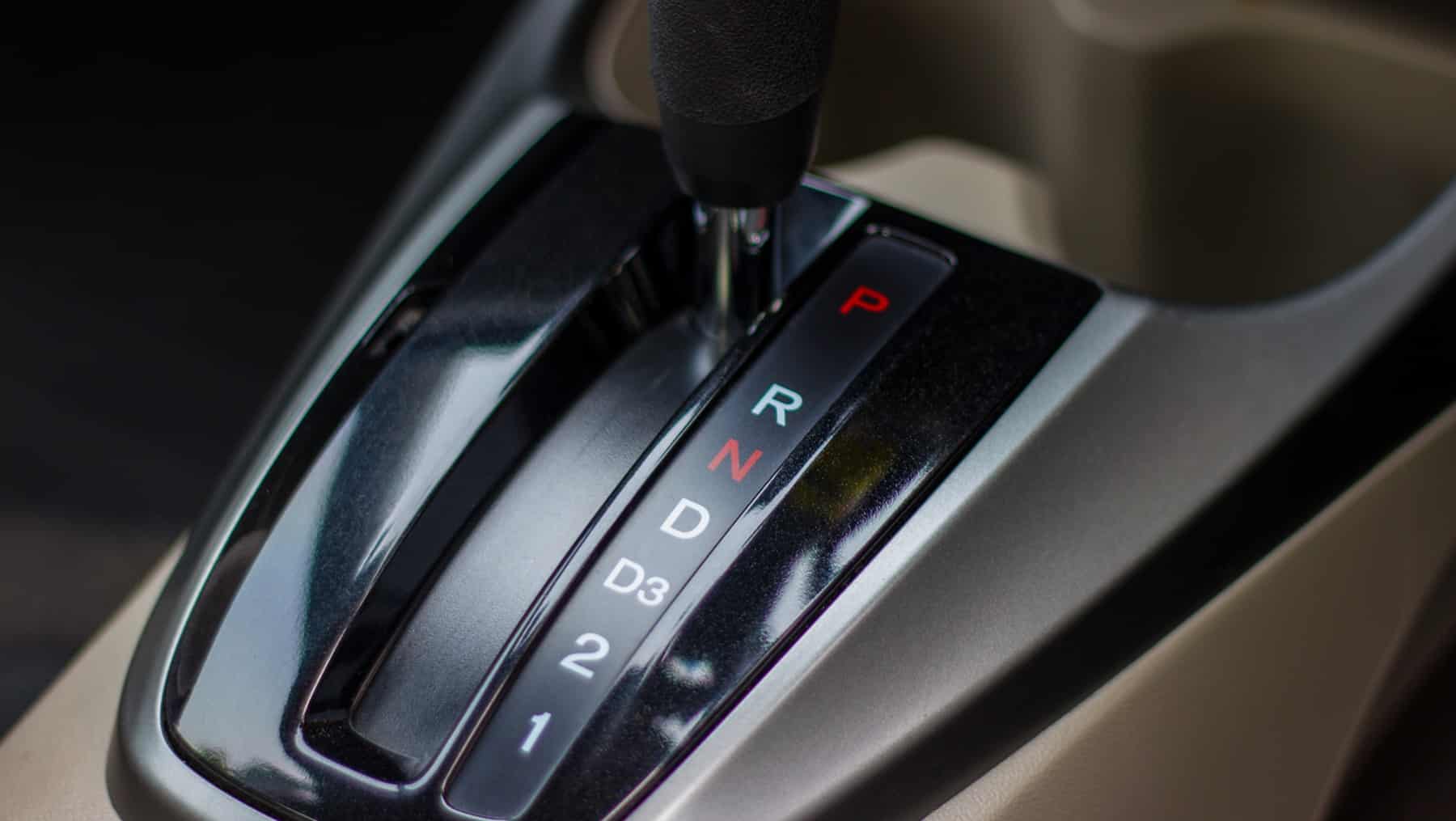

Automatic transmissions are pretty simple by design. If you want to go forwards, put it in drive. Want to go backwards? Select reverse. If you want your vehicle to stay still, choose “Park.”
But some gear shifters come with a few more options, namely “D1, D2, and D3.” If you’ve ever wondered what these selections actually do, it’s also pretty simple.
Although an automatic transmission is designed to select the right gear at the right time, it doesn’t always get it right. There are conditions where the gearbox isn’t really qualified to make the right decision for you, and that’s why options like D1, D2, and D3 exist.
If you haven’t guessed yet, these selections cap the gearbox at a particular gear, with the number indicating what gear you want your vehicle to max out at. So if you want to keep it in first, select D1. If you think you don’t want to go beyond second, D2. And so on. Many gearboxes will also start in whatever gear you have selected, so D2 will skip first, and start in second for example.
Most of the time, you don’t really need to use anything beyond drive. Modern automatic gearboxes are pretty good, and not everywhere has particularly adverse roads and driving conditions. But there are a few circumstances when these options will come in handy.
For reference, if your automatic has a “manual” option, you can use that in a similar way. Just pop it in manual, then use the manual selector to pick the particular gear you need. D1 is also labeled as “L” or “Low” on some shifters.
When to use D1, D2, and D3 on your shifter
First gear has the lowest top speed, but provides the highest torque multiplication ratio to the wheels. Which means D1 is handy if your vehicle is struggling to get up a hill, or you want to roll it downhill without going too fast.
Similarly, when towing heavy loads, you’ll find it easier to get going or keep going on a difficult hill in a lower gear. It’s often a good idea to stick to D3 when towing on hilly roads, or locking out overdrive if that’s an option. This will stop the transmission from “hunting” for the correct gear, and can avoid unnecessary damage to the expensive component.
D2 and D3 are both pretty handy in snow and ice. A little less torque can help you get going in slick conditions. So while the automatic will try to get things rolling in first when left to its own devices, setting off in D2 or D3 will probably be easier if you find your wheels spinning in the snow.
Then there’s engine braking. Since speed is usually capped by the gear, shifting to a lower gear will slow the vehicle without requiring you to press the brakes. Again, this is handy in icy or slick conditions, where hard braking can cause a skid. It’s also handy on descents as it prevents brake fade.
Modern brakes are better equipped to deal with this, but it’s still possible to overheat most vehicle’s braking systems when putting the anchors on hard down hill. This can “glaze” the brake pads (causing the surface to become hard and glassy), warp brake disks, and boil the brake fluid. At best, you’re damaging your braking system, at worst, your brakes could fail and you might end up in an accident.
With that being said, you shouldn’t just drop a vehicle into D1 without knowing what you’re doing. If you force your transmission into far too low a gear for the speed you’re traveling at, you’re likely to put a tremendous amount of strain on the gearbox and you can cause the engine to immediately redline as well.
Modern transmissions should have an automatic lockout in place to stop you doing this. Either way, for most vehicles, you should try to get to 25 before you drop it into second. You should avoid going into first if you’re traveling at over 15 mph. As for third, that varies by gearbox. Your vehicle should indicate what gear it’s in at any given time, so get to know your car. Find out what its limits are. And try to keep your engine below 3,000-4,000 RPM when you drop down.