
Tesla and other companies operating autonomous vehicles in the state of California will be getting ticketed every time one of their vehicles breaks traffic laws. The new rules, which come into force on July 1st, will see manufacturers hit with a “Notice of AV Noncompliance” if an autonomous vehicle runs a red light, fails to stop for a school bus, or commits any other traffic violation.
However, it won’t be a case of Elon Musk getting a $200 fine every time one of his vehicles breaks the law. But they do sort of act like the points you get on your license, which makes sense. A company like Tesla can eat $200 fines all day, but multiple “Notices of AV Noncompliance” can result in sanctions being issued against the offending company.
This can include a cap on fleet size, a ban on operating in certain areas, mandated lower speeds, or even a total ban on the vehicles altogether.
First responders can also create digital “do not enter” zones around emergency sites. Autonomous vehicles within the zones have two minutes to leave. Those who fail to comply or attempt to enter an established zone are severely punished, facing immediate permit restrictions.
But if you own a “self-driving” car, and your license has more points than someone listing reasons not to buy a Cybertruck, don’t start celebrating just yet. As California pointed out, those things aren’t actually on autopilot.
Tesla owners are still on the hook for their own tickets
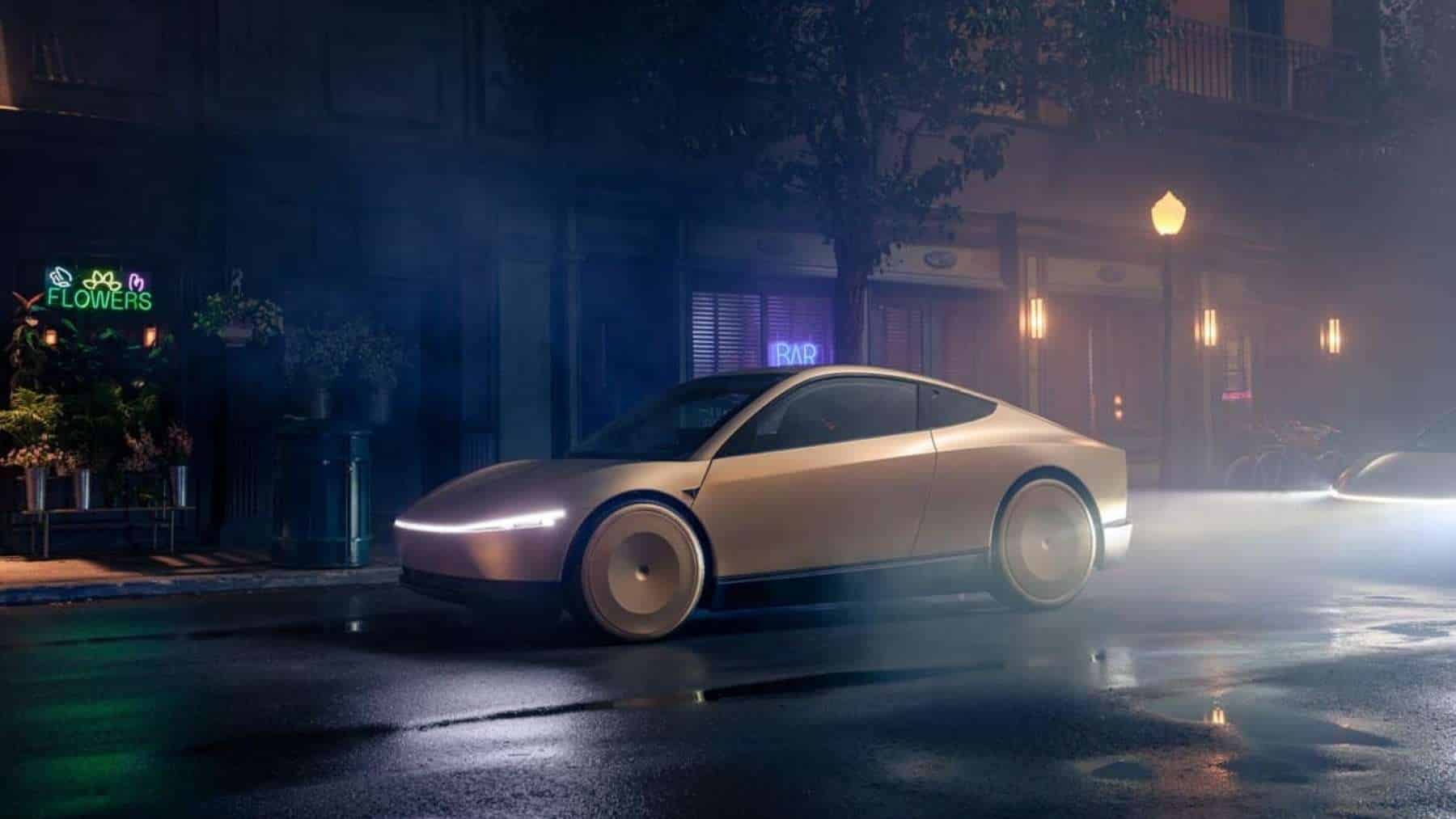
While the new rules could see Tesla sanctioned should its upcoming Cybercab break a few traffic laws, regular Tesla owners are still responsible for their own vehicles. This is because the system Tesla offers on vehicles like the Model 3 and Model Y is classed as “Level 2 Autonomous driving.”
This means that, while the vehicle is capable of taking you a long way on its own, a person must be sitting in the driver’s seat while it’s operating. That person is expected to take control of the vehicle if it seems like the self-driving system is about to do something dangerous or break the law. As a result, the “driver” is also legally responsible for anything that their “self-driving” Tesla does.
So the tickets are your responsibility, any damage caused in a crash is on you, and you definitely can’t let your Tesla drive you home from the bar after a bit of a heavy session. This may all change in the future, though.
While only one company (Mercedes) currently offers Level 3 self-driving capabilities in passenger cars, and that’s in very limited circumstances, many manufacturers have Level 3 and 4 self-driving on their roadmaps. For example, Lucid plans to have Level 4 “full autonomy” in its vehicles by 2029.
When that happens, you may no longer be responsible for what your car does. At least, not in California.