
2026 Honda Prologue
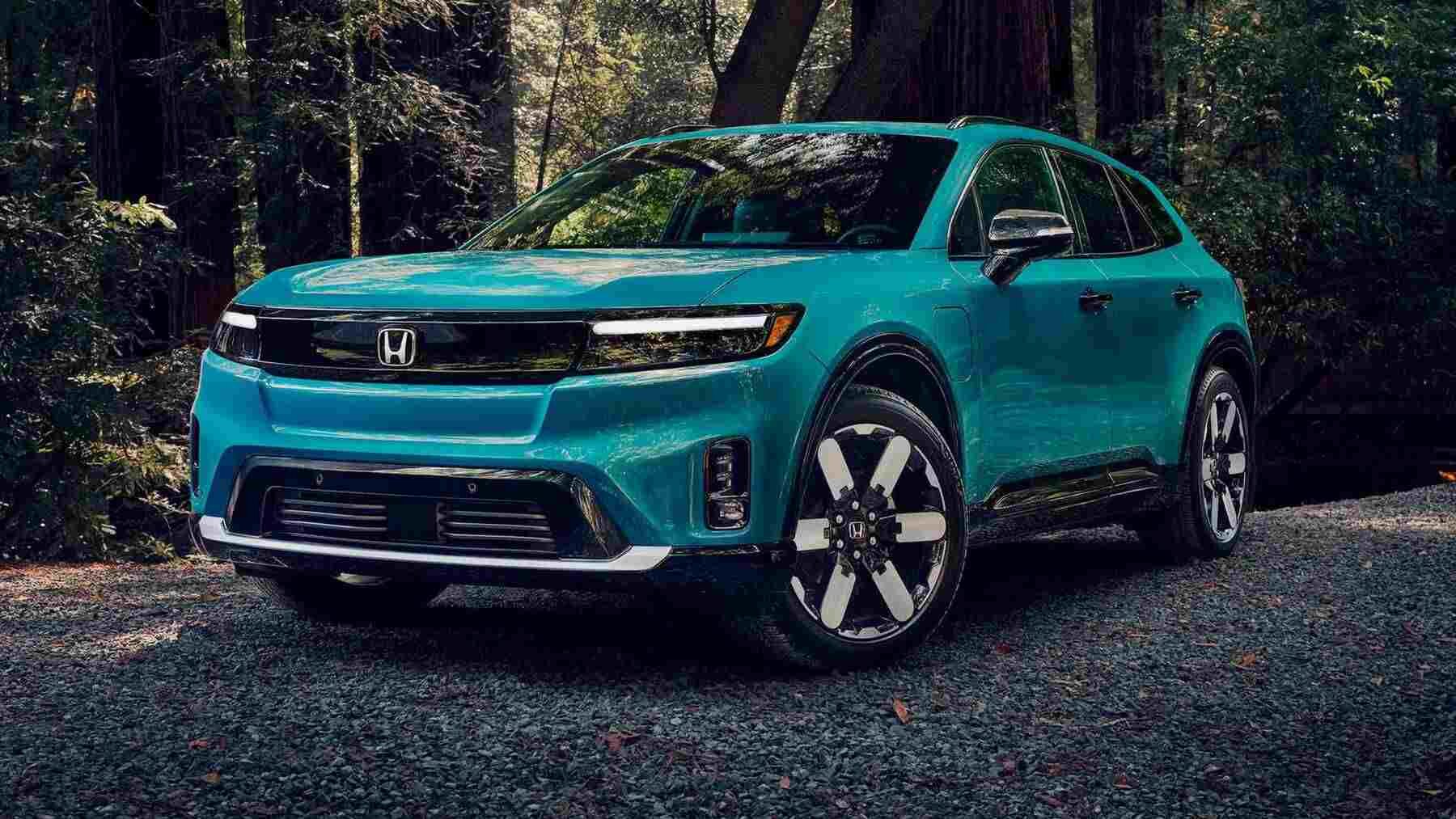
Overview
What's New for 2026
The 2026 Honda Prologue enters its second model year with refinements that build on the all-electric SUV's strong debut. The lineup continues with three trim levels—EX, Touring, and Elite—each available with front-wheel drive or all-wheel drive, except the Elite which comes exclusively with AWD. Honda has improved the Google built-in infotainment integration and expanded the standard feature set across all trims. The 85-kWh battery pack carries over, delivering up to 308 miles of EPA-estimated range in front-wheel-drive configuration. Starting price is $47,400 for the EX with single-motor front-wheel drive.
Overview
The 2026 Honda Prologue represents Honda's most significant step into the electric vehicle market, offering a midsize SUV that competes directly with the Chevrolet Equinox EV, Ford Mustang Mach-E, and Hyundai Ioniq 5. Built on GM's Ultium platform at a facility in Mexico, the Prologue pairs Honda's design and interior expertise with proven EV architecture. Pricing spans from $47,400 for the base EX to $57,900 for the fully loaded Elite AWD, positioning it competitively against both mainstream and premium electric SUVs.
Two powertrain configurations are available: a single-motor front-wheel-drive setup producing 220 horsepower and 243 lb-ft of torque, and a dual-motor all-wheel-drive system generating 300 horsepower and 355 lb-ft of torque. Both draw from the same 85-kWh battery pack, with EPA-estimated range of 308 miles for the FWD models and up to 294 miles with all-wheel drive. The Elite AWD is rated at 273 miles of range. Energy efficiency ratings from the EPA are 113 city / 94 highway / 104 combined MPGe for front-wheel-drive models and 108/90/99 MPGe for all-wheel-drive variants.
At 192.0 inches long on a 121.8-inch wheelbase, the Prologue offers generous interior space for five passengers. Cargo capacity measures 23.7 cubic feet behind the rear seats, expanding to 54.5 cubic feet with the rear seats folded. Curb weight is approximately 5,053 pounds for the front-wheel-drive Touring. Ground clearance measures 7.9 inches, and towing capacity is rated at 1,500 pounds across all configurations. Competitors include the Chevrolet Equinox EV (from approximately $34,000), Ford Mustang Mach-E (from around $37,000), and Hyundai Ioniq 5 (from roughly $44,000).
Driving Experience
The Prologue's electric powertrain delivers the instant torque response that characterizes the best EVs, though the driving experience varies meaningfully between the two configurations. The single-motor front-wheel-drive setup with 220 horsepower feels adequate for daily driving and highway merging, but the dual-motor AWD version with 300 horsepower and 355 lb-ft of torque transforms the Prologue into a genuinely quick SUV. The additional rear motor not only improves traction but provides noticeably stronger acceleration from a standstill and during passing maneuvers.
The four-wheel independent suspension delivers a composed, comfortable ride that absorbs road imperfections without the jarring impacts that plague some EV competitors carrying heavy battery packs. The Prologue's tuning leans toward comfort rather than sportiness, which suits its family-oriented mission. Highway cruising is remarkably quiet—without an internal combustion engine, only tire and wind noise intrude at speed, and Honda has done a commendable job insulating the cabin from both. Steering feel is light and direct, appropriate for a vehicle of this size, and the 39.4-foot turning diameter keeps parking lot maneuvers manageable.
One-pedal driving is available through the regenerative braking system, and drivers can adjust the regeneration level using the steering wheel paddles. DC fast charging capability is standard, with 20% to 80% charging accomplished in approximately 35 minutes. Under optimal conditions, the Prologue can add roughly 65 miles of range in just 10 minutes of DC fast charging (FWD models). Level 2 home charging at 240V takes approximately 9.5 hours for a full charge, making overnight charging entirely practical for most owners.
Interior, Comfort & Technology
The Prologue's cabin benefits from Honda's decades of interior design experience, presenting a clean, modern layout that feels more refined than many competitors built on dedicated EV platforms. The dashboard centers on an 11.3-inch touchscreen running Google built-in with Google Maps, Google Assistant, and Google Play Store access, complemented by wireless Apple CarPlay and Android Auto. An available 11-inch digital instrument cluster provides configurable displays for range, efficiency, and navigation information.
Five passengers are accommodated across two rows, with front occupants enjoying heated seats as standard equipment across all trims. The Touring adds leather seating surfaces and a power-adjustable driver's seat with memory, while the Elite tops the range with ventilated front seats, a heated steering wheel, and premium leather throughout. The panoramic moonroof available on Touring and Elite trims floods the cabin with natural light, enhancing the sense of spaciousness.
Cargo capacity of 23.7 cubic feet behind the rear seats is competitive for the segment, expanding to 54.5 cubic feet with the rear seats folded. Practical touches include dual-zone automatic climate control standard across the lineup, a wireless phone charger (Touring and above), multiple USB-C ports, a 110V power outlet on the Elite, and SiriusXM satellite radio. Wi-Fi hotspot capability is standard, powered by the HondaLink connected by OnStar system.
Trim Levels & Pricing
| Trim | MSRP | Key Features |
|---|---|---|
| EX FWD | $47,400 | 220 hp single motor, 308 mi range, Honda Sensing, Google built-in, 11.3" touchscreen, heated front seats, wireless CarPlay/Android Auto, 19" wheels |
| EX AWD | $49,500 | Adds: dual-motor AWD (300 hp/355 lb-ft), 281 mi range |
| Touring FWD | $51,700 | Adds: leather seats, driver's seat memory, panoramic moonroof, wireless charger, power tailgate with hands-free access, roof rails, LED foglights |
| Touring AWD | $54,500 | Adds: dual-motor AWD (300 hp/355 lb-ft), 281 mi range |
| Elite AWD | $57,900 | Adds: ventilated front seats, heated steering wheel, power folding mirrors, auto-dimming mirrors, heated wiper zone, rear pedestrian alert, 110V outlet, 273 mi range |
All prices listed are MSRP before destination charges. Front-wheel drive is available on EX and Touring trims, while the Elite comes exclusively with all-wheel drive. All models share the same 85-kWh battery pack and DC fast charging capability with 35-minute 20-80% charge times.
Safety
Every 2026 Prologue comes standard with Honda Sensing, which includes collision mitigation braking, forward collision warning, lane keeping assist, adaptive cruise control, side blind zone alert, lane change alert, rear cross traffic alert, and traffic sign recognition. Reverse automatic braking is also standard across the lineup. The Touring and Elite add front and rear park assist sensors, while the Elite exclusively receives rear pedestrian alert capability.
The structural design incorporates advanced crumple zones and a comprehensive airbag system including driver and passenger front airbags, knee airbags, front side airbags, and side curtain airbags. The battery pack is positioned low in the floor structure, which not only lowers the center of gravity for improved handling but also provides inherent protection for the high-voltage components in the event of a collision.
For comprehensive crash test ratings, visit nhtsa.gov and iihs.org.
Warranty & Ownership Costs
| Coverage | Duration |
|---|---|
| Basic (Bumper-to-Bumper) | 3 years / 36,000 miles |
| Powertrain | 5 years / 60,000 miles |
| EV Battery | 8 years / 100,000 miles |
| Corrosion Perforation | 5 years / unlimited miles |
| Roadside Assistance | 3 years / 36,000 miles |
Ownership costs for the Prologue are significantly lower than comparable gasoline-powered SUVs. Annual electricity costs run approximately $700–$900 depending on local rates and driving patterns, compared to $2,000+ for a gasoline three-row SUV. The Prologue may qualify for federal EV tax credits of up to $7,500, depending on buyer eligibility and lease vs. purchase structure—check with your dealer and the IRS for current eligibility. Maintenance costs are inherently lower than ICE vehicles, with no oil changes, fewer brake replacements thanks to regenerative braking, and no transmission fluid services. Insurance costs typically range from $1,400–$2,200 annually. The 8-year/100,000-mile battery warranty provides peace of mind for long-term ownership.
The Bottom Line
The 2026 Honda Prologue delivers a compelling electric SUV package that combines Honda's trademark interior quality and user-friendly technology with GM's proven Ultium platform. With up to 308 miles of range in front-wheel-drive form, standard DC fast charging, and a well-appointed cabin with Google built-in and wireless smartphone integration, the Prologue makes a strong case in the rapidly expanding electric SUV segment. The dual-motor AWD option with 300 horsepower and 355 lb-ft of torque adds genuine performance capability, and the 1,500-pound towing capacity—while modest—covers light-duty needs.
Who should buy it: Buyers seeking a practical, well-built electric SUV from a trusted brand, families who want the space and comfort of a midsize SUV without the compromises of early EVs, and anyone whose daily driving falls well within the 270–308-mile range window and has access to home or workplace charging.
Who should look elsewhere: Shoppers who need more than 1,500 pounds of towing capacity (consider a Chevrolet Blazer EV or Tesla Model Y), buyers who want a sportier driving experience (the Ford Mustang Mach-E GT offers sharper dynamics), or budget-conscious shoppers who find the $47,400 starting price steep when the Chevrolet Equinox EV starts significantly lower.
Frequently Asked Questions
How far can the 2026 Honda Prologue go on a single charge?
The 2026 Prologue offers up to 308 miles of EPA-estimated range with front-wheel drive on the EX and Touring trims. All-wheel-drive versions of the EX and Touring are rated at up to 294 miles, while the top Elite AWD achieves 273 miles. Real-world range will vary based on driving conditions, climate, speed, and use of climate control systems. The 85-kWh battery pack is shared across all trims regardless of drivetrain configuration.
How long does it take to charge the 2026 Honda Prologue?
DC fast charging can replenish the battery from 20% to 80% in approximately 35 minutes, and the Prologue can add roughly 65 miles of range in just 10 minutes of fast charging. Level 2 home charging at 240V takes approximately 9.5 hours for a full charge, making overnight charging practical for most owners. A standard 120V household outlet can also charge the vehicle but at a much slower rate suitable only for minimal daily top-ups.
Is the Honda Prologue built on the same platform as a Chevrolet?
Yes, the Prologue is built on General Motors' Ultium platform as part of a partnership between Honda and GM. This means it shares its battery architecture and electric drive components with vehicles like the Chevrolet Equinox EV and Blazer EV. However, Honda designed the exterior, interior, and driving dynamics independently, resulting in a distinctly Honda character in terms of cabin quality, ride comfort, and technology integration. The vehicle is assembled in Mexico.
Does the 2026 Prologue qualify for the federal EV tax credit?
The Prologue may qualify for a federal EV tax credit of up to $7,500, but eligibility depends on several factors including the buyer's income, whether the vehicle is purchased or leased, and current battery sourcing requirements. Lease customers may benefit from the commercial vehicle credit passed through as a lease incentive. Check with your Honda dealer and review the latest IRS guidelines at fueleconomy.gov for the most current eligibility information, as these requirements can change.
How does the Prologue compare to the Chevrolet Equinox EV?
Both the Prologue and Equinox EV are built on GM's Ultium platform, but they target different segments. The Equinox EV starts significantly lower (around $34,000) and is slightly smaller, while the Prologue offers a more premium interior, more standard features, and the Honda brand's reputation for reliability. The Prologue's 308-mile maximum range is competitive with the Equinox EV's best figures, and both offer DC fast charging. The Prologue's dual-motor AWD system produces 300 hp versus the Equinox EV AWD's 300 hp, making them closely matched on paper, though the Prologue's larger size and heavier curb weight affect its overall efficiency.
Key Highlights
- All-electric SUV with up to 308 miles EPA range
- 85 kWh battery with 35-min DC fast charge (20-80%)
- FWD 220 hp or AWD 300 hp dual-motor options
- Google built-in with wireless CarPlay/Android Auto
- 5 passengers, 23.7 cu ft cargo (54.5 max)
- 1,500 lbs towing capacity
- Built on GM Ultium platform
Powertrain Options
| Engine | Horsepower | Torque | Fuel | MPG |
|---|---|---|---|---|
| Single Motor FWD | 220 hp | 243 lb-ft | Electric | 308 mi range (EPA est.) |
| Dual Motor AWD | 300 hp | 355 lb-ft | Electric | 294 mi range (EPA est.) |
Transmission: Single-speed
0-60 mph: 5.7 seconds
Specifications
Pros & Cons
✓ Pros
- Up to 308 miles of EPA-estimated range
- Dual-motor AWD delivers 300 hp and 355 lb-ft
- 35-minute DC fast charge (20-80%)
- Honda interior quality and build refinement
- Competitive pricing in the electric SUV segment
✗ Cons
- Modest 1,500-lb towing capacity
- FWD model has only 220 hp
- Cargo space trails some competitors
- Not built on Honda's own EV platform