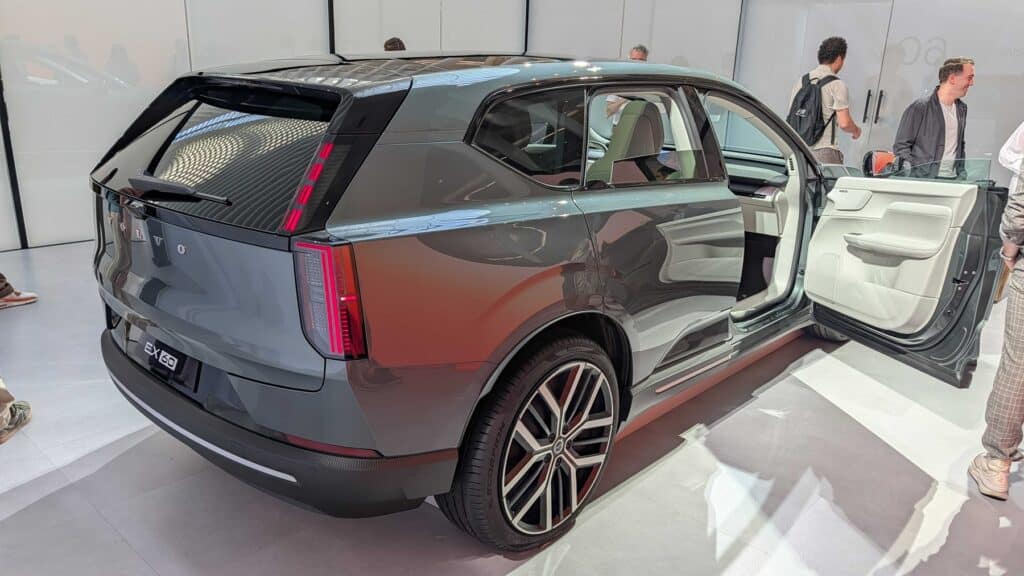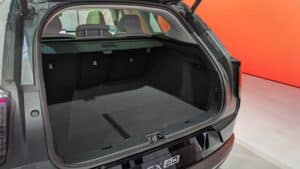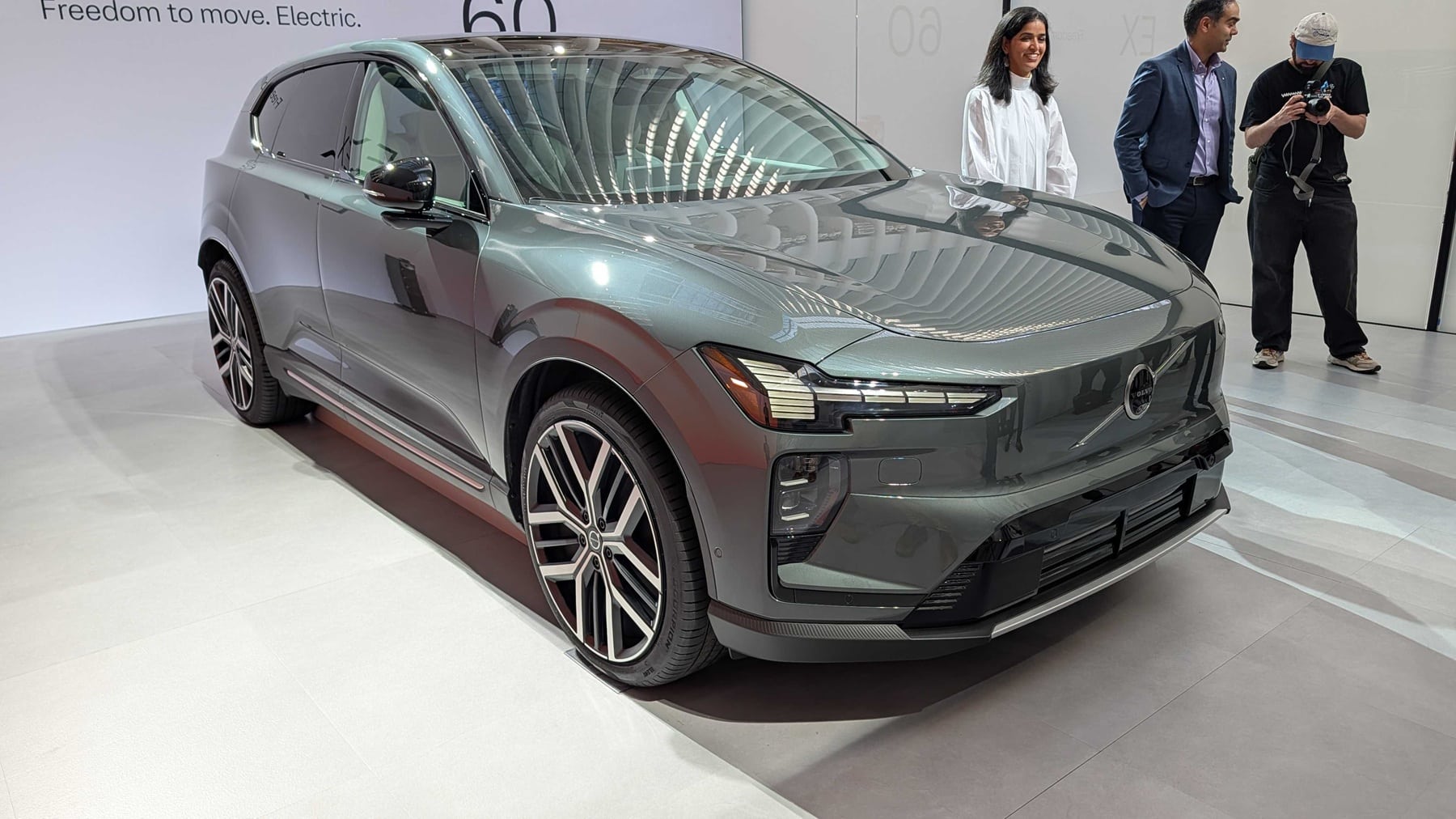

Volvo is bringing the all-electric EX60 to the US, giving North American drivers yet another midsized luxury SUV with trims costing less than $60,000. In addition to pulling the covers off in NYC, Volvo also unveiled pricing for most of the lineup.
The EX60 comes in four trims, with the EX60 P6 Plus starting at $58,400, the EX60 P10 AWD Plus coming in at $60,750, the EX60 P6 Ultra listed for $65,000, and the EX60 P10 AWD Ultra priced at $67,350. The P6 variants promise up to 307 miles of range, while the P10s can get you around 322 miles between charges.
In terms of charging, Volvo has adopted the NACS charging port (the one Tesla pioneered) and uses the 800-volt SPA3 platform. This means it can add up to 173 miles of range in as little as 10 minutes, and go from 10% to 80% in as little as 16 minutes if you want to shell out for fast charging.
In terms of safety features (because it’s a Volvo, not a 240 mph carbon fiber death trap), you have a boron-steel safety cage installed to protect occupants. There’s also a “multi-adaptive safety belt” which is designed to give people seated in the front row “smarter” and “more personalized” protection.
However, it is worth noting that if you do live in New York and are excited about taking an EV all the way up I-87 to Montreal, you have a bit of a wait ahead. The P12 AWD (the one with the 400-mile range) is launching further down the line. At this time, you can only snag the 307 and 322-mile range variants of the vehicle.
The EX60 is pretty software-defined, but still very much a Volvo
Oddly enough, both vehicles aren’t really competing in terms of range, charging speed, or 0-60 times. Instead, both the EX60 and Neue Klasse SUV feature a huge rethink when it comes to electrical layouts and the software backing them. Lucid is also going very software-forward with its upcoming midsize vehicles, which reinforces the argument that the next automotive battlefield is more about software than it is speed.
Volvo’s central computer system does have a different, and very Volvo, purpose, though. While BMW’s “superbrain” is all about performance and can process data up to 10-times faster than traditional setups, Volvo’s HuginCore is all about safety. It processes the environment in real time to allow for advanced collision detection, fleet-learning data processing, and gives complex systems like the new multi-adaptive safety belts the backing they need to work properly.
It was created in conjunction with computer hardware giant NVIDIA and uses a chip with 254 TOPS for processing. Said chip works the drive side exclusively, with the infotainment needs being served by Qualcomm’s Snapdragon Cockpit platform. Volvo is offering AI too, though it is letting Google take the lead on that one, as opposed to Lucid and BMW, which are developing their own in conjunction with major LLM providers.
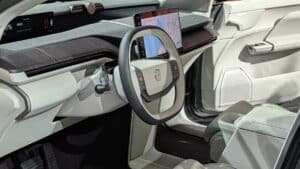
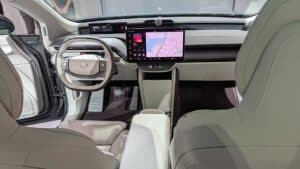
The “Plus” infotainment package includes 15-inch OLED touchscreen, Pilot Assist, and a 21-speaker Bose system. The “Ultra” vehicles come with a 28-speaker Bowers & Wilkins system along with luxury touches like an electrochromic panoramic roof and Nappa leather seats.
Again, the safety focus is very much Volvo being Volvo. Its older vehicles had a reputation for being “tanks,” which seemed very safe at the time. The company originated the seatbelt, then just gave the patent to the world. And now Sweden is trying to keep us safe and sound via reams of code.
The Volvo EX60 is expected to hit the road this summer. If you want a preview, and you’re in NYC, one is currently on display near the World Trade Center.
Gallery
GALLERY
· 5 photos
View all