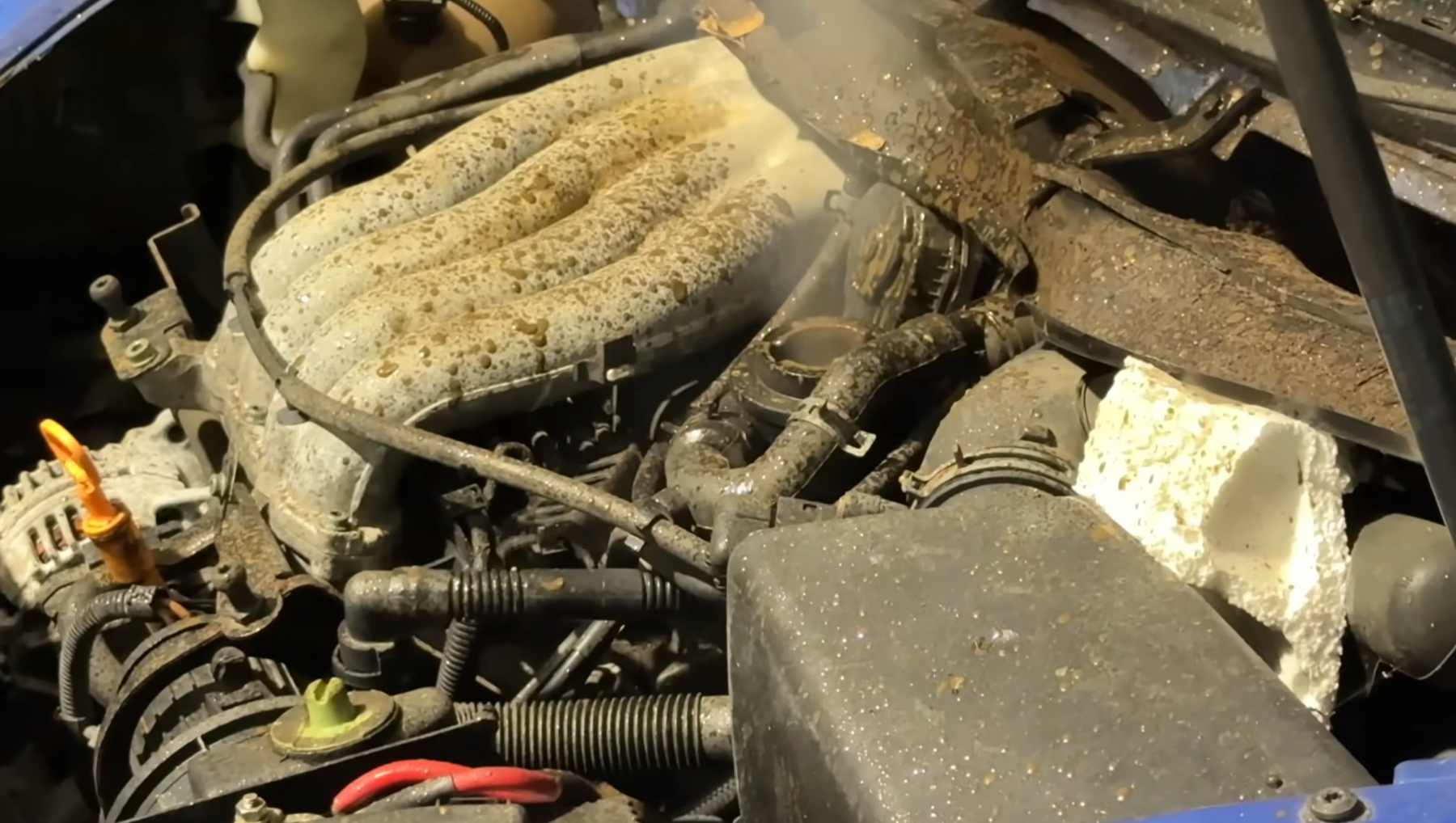

Using the right engine oil and changing it regularly is pretty important if you want to keep your vehicle in good condition. Putting anything that isn’t oil in there instead is generally a good way to absolutely wreck your car’s engine.
So as you can imagine, nacho cheese is one of the last substances you want to lubricate your engine with. There’s a fair argument that you shouldn’t even be eating the stuff as it’ll likely wreck your internals just as badly long term.
Despite this the folks behind Garbage Time, a channel that had previously attempted to use vegemite as engine lubricant, decided to see how well the nacho topping would do after acquiring several cans of the stuff on sale.
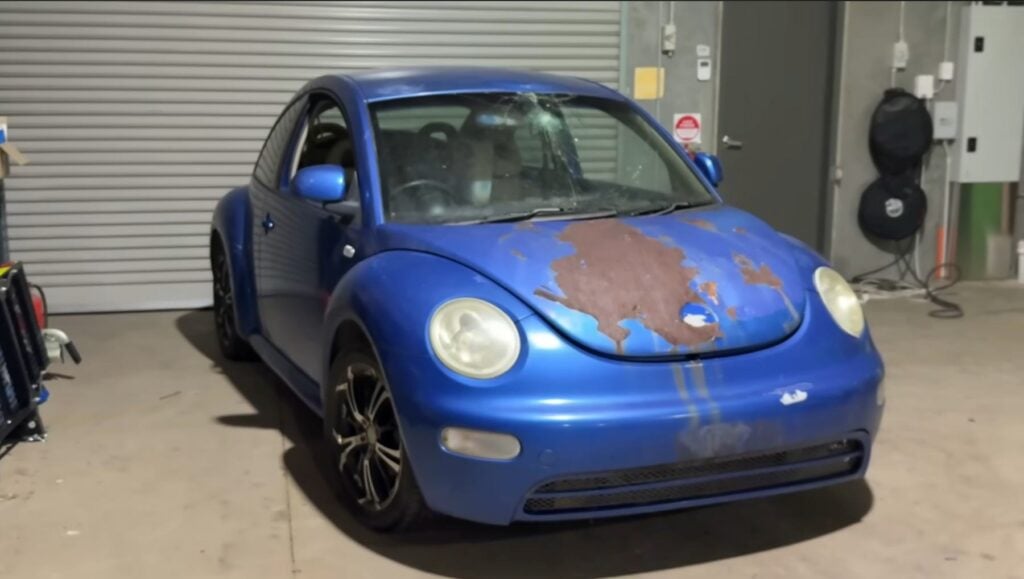
The victim the Australians behind the channel had in mind was a Volkswagen New Beetle, which seems to be rocking the naturally aspirated 2.0 liter number which that particular model was specifically panned for.
While destroying a New Beetle is a reasonable thing to do in any case, this particular number was already on its way to the junkyard after an unfortunate encounter with a tree. It also seems to have a blown head gasket, a busted radiator, and was subject to some sledgehammer-based adjustment in an attempt to ease the cheese insertion.
How long can a cheese-lubricated engine run for?
You could reasonably expect the cheese-loaded four-cylinder to instantly seize or even destroy itself once any attempt to start it is made. But shockingly, that wasn’t the case. It actually settled and performed pretty well for a pretty long time. The check oil light wasn’t on, and oil pressure was maintained. Cheese even appeared on the vehicle’s dipstick once things were up to temperature.
Admittedly there was some residual oil. And like most American junk food, a good chunk of nacho cheese is soybean oil. Again, not ideal for industrial use but slipperier than most things.
The main issue seemed to be heat. In addition to lubrication, engine oil is pretty important if you want to keep temperatures within normal operating range. The heat did eventually ruin what’s left of the head gasket, and turn the motor into a sort of cheese volcano after a bit of hard revving.
Eventually, and let’s be honest inevitably, at least one of the engine’s pistons decided to turn itself into a bit of shrapnel and one of the connecting rods ended up punching its way through the bottom of the oil pan. A sledgehammer-based autopsy was performed, showing the cams were still in shockingly good condition and some recognizable cheese was still coating the covers.
So, lesson learned. Don’t run your engine on viscous snack counter liquids. Even if you are driving one of Volkswagen’s most unforgivable mistakes.