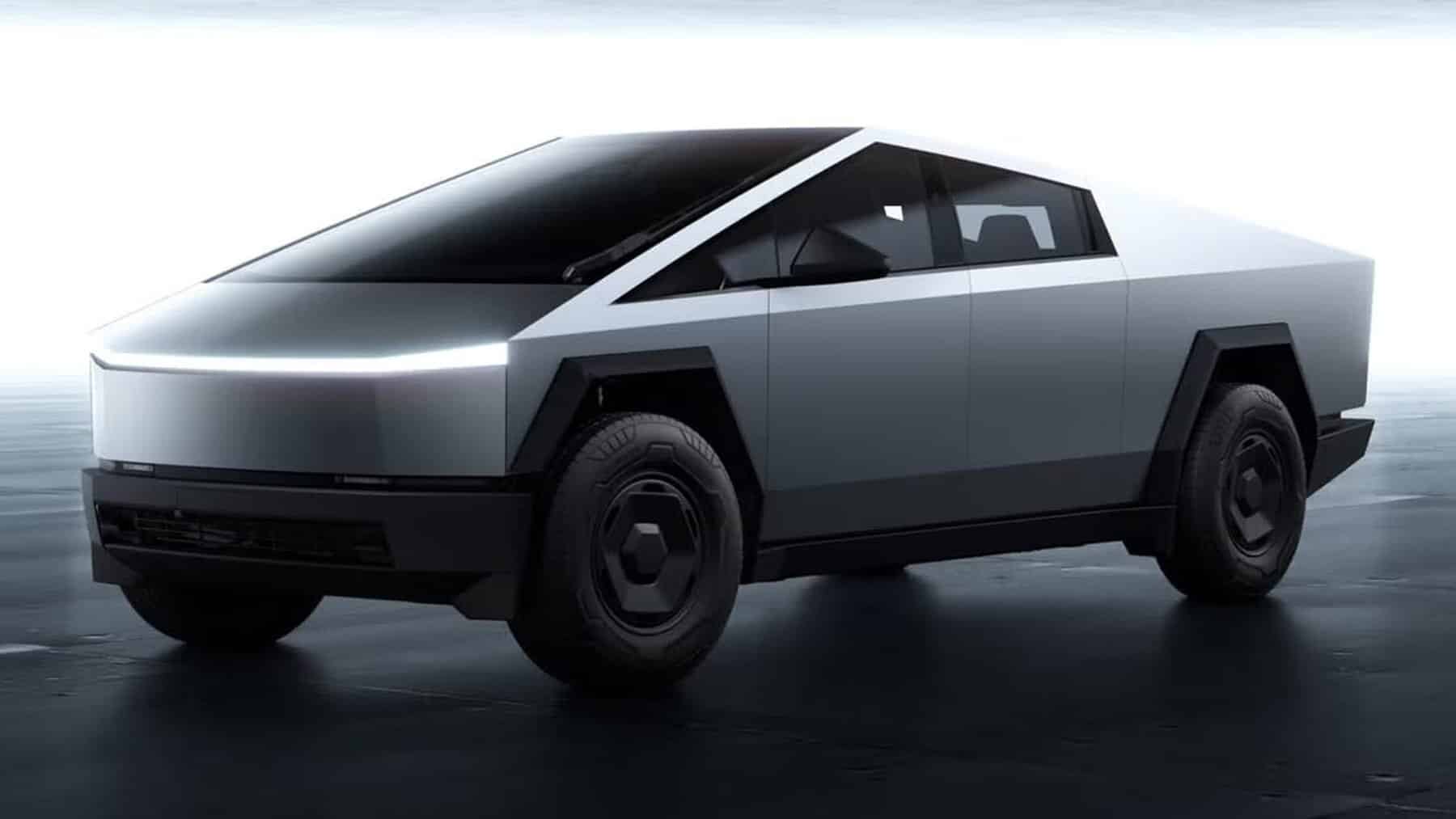

The Tesla Cybertruck is in the news again for less than ideal reasons. Apparently 173 of the controversial, polygonal, EVs have been pulled due to a fault that could make the wheels fly off.
This latest fault affects RWD Cybertrucks that are fitted with the base 18-inch steel wheels. The fix involves adding in new rotors, hubs, and lug nuts. Tesla has blamed the fault on a failure to incorporate planned durability improvements in the vehicle’s brake rotors.
Cracking in the brake rotors during testing initially revealed the fault, then further testing showed that the problem was more serious than Tesla initially thought. Some Cybertrucks have left the factory with the faulty rotors, and some dealers may have also used the faulty brake rotors when fitting replacements for customers.
This isn’t the first time the Cybertruck has had potentially dangerous issues. In 2025, a recall was issued due to a fault with the cantrail. It’s possible for the roof-based trim feature to detach at high speeds, which is obviously a major hazard for other road users.
The cantrail problem was far more wide ranging than the current rotor issue, and over 46,000 trucks were recalled by Tesla. Luckily, no accidents or injuries related to a detached cantrail have been reported so far.
An earlier Cybertruck issue led to the recall of almost 4,000 vehicles in 2004. Tesla described the incident as follows:
“When high force is applied to the pad on the accelerator pedal, the pad may dislodge, which may cause the pedal to become trapped in the interior trim above the pedal.”
What Tesla left out is a report from a customer that claimed his vehicle would lurch forward once the pedal was stuck if he didn’t keep his foot on the brake. Which is an astonishing mix of terrifying and inconvenient.
Self driving has also led to a lot of Tesla recalls
When it comes to dangerous recalls, it’s hard to overlook Tesla’s now renamed Autopilot feature, and other self-driving software. Autopilot was responsible for what remains the largest Tesla recall ever back in December 2023.
The recall was the result of a two-year investigation in which the NHTSA analyzed 956 incidents and 23 fatalities involving autopilot users. Authorities had also investigated a string of events that saw Teslas crashing into stationary emergency vehicles parked at the scene of other accidents.
The recall, which was rolled out to what was essentially every Tesla on the road at the time, upped the Autopilot system’s vigilance when it comes to driver attention. As it’s a level 2 system, drivers are required to pay attention at all times and intervene if it looks like the feature is behaving dangerously or at risk of causing an accident.
After the update, Tesla’s self-driving system now checks drivers are paying attention more often, and will disable the feature if it is being misused. With that being said, this did not stop an allegedly drunk man taking a nap in the driver’s seat as his Tesla drove him around town.
An earlier 2023 recall also saw 363,000 flagged because the FSD Beta feature was violating a lot of traffic laws. This included traveling directly through intersections when in a turn-only lane, ignoring stop signs, and blasting past yellow traffic signals into busy intersections.
Tesla has been involved in plenty of other recalls. Though some were trivial, like an unruly electric window potentially pinching your finger, and others affected most OEMs like the infamous Takata airbag recall. With that being said, at least it isn’t as bad as Ford.