
The race to create the first solid-state battery for production cars is turning the final bend. And, to nobody’s surprise, China has taken the lead.
We recently wrote about Donut Lab’s production car-focused solid-state battery and its seven-minute charging time, but the landscape has changed so quickly that a handful of automakers have not only announced their own but are going to test it in their vehicles very soon. In months.
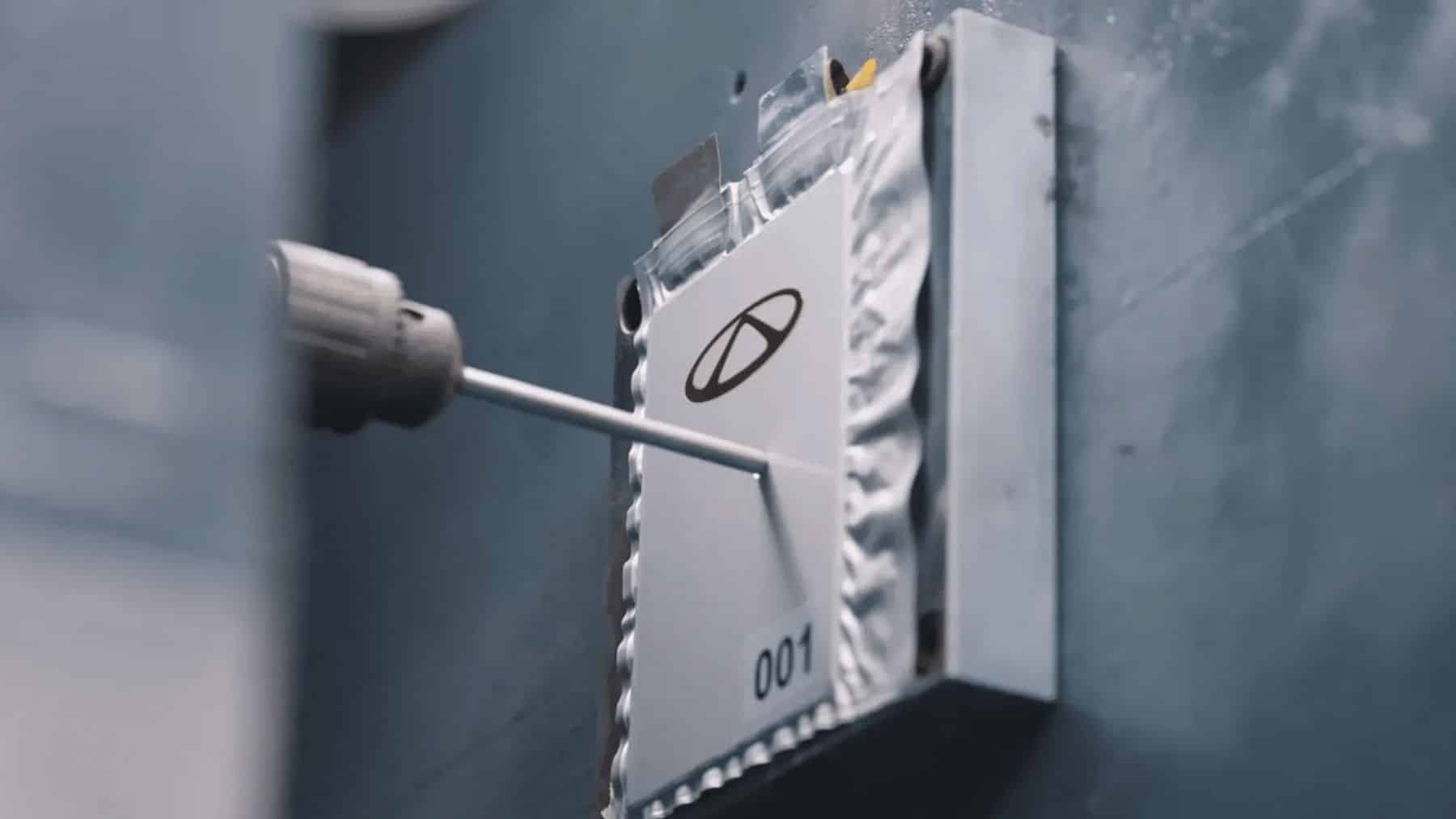
The race for solid-state batteries is a huge one for the electric vehicle industry. Using solid electrolytes rather than liquid electrolytes, solid-state batteries can charge faster, offer a longer range, and withstand extreme temperatures — all while being much safer than conventional lithium-ion batteries. It’s a massive game-changer for EVs, so it only makes sense for China to start racing to the finish line. With China dominating the EV market with its cheap, small, and advanced models, the addition of solid-state batteries would only further its lead. They’d be overlapping the competition, really.
China ramps up solid-state battery technology with faster timeline
A handful of Chinese brands are looking to make solid-state batteries a reality by 2027. Maybe even 2026. That’s a lot sooner than the previous 2030 prediction we heard at the beginning of March.
CATL (Contemporary Amperex Technology Co. Limited) is the largest battery manufacturer in the world. The Chinese brand accounted for over 55% of the world’s EV battery sales in 2025. Now, CATL is hoping to begin small-scale production of solid-state batteries in 2027. BYD, known for its Blade Battery technology, has a similar timeline for the production of EVs with solid-state batteries.
That’s already impressive, but that’s not fast enough for China’s automakers. Dongfeng Motors has already been testing a solid-state battery prototype in extreme conditions. In the freezing cold, its battery prototype still provided 620 miles of range, retaining 72% of its energy in -22 degrees Fahrenheit. Previously, Donfeng’s solid-state EV batteries passed a hot-box test, without burning or exploding at 338 degrees Fahrenheit.
More recently, Changan Automobile said its solid-state batteries offer over 932 miles of range. Trial installations will start this year. Chery also has a solid-state battery that can reach over 932 miles, with testing starting early next year. Chery is also planning to install this solid-state battery, part of its “Rhino” series, in the Exceed ES8.
This doesn’t mean there is no competition from other regions. Last fall, Mercedes used a solid-state battery from Factorial Energy to drive an EQS over 745 miles. Factorial Energy is a U.S.-based company that launched the country’s first commercial solid-state battery program by collaborating with Karma Automotive. These batteries could be used in EVs as early as 2027, offering an energy density 80% higher than that of traditional batteries and a 50% longer range.
No matter where these solid-state batteries come from, it’s clear: offering nearly 1,000 miles of range from a single (short) charge is a game-changer for EVs. As many automakers pivot away from electric vehicles due to dwindling demand, tariff costs, and stiff competition from China, those still pushing for an all-electric lineup could significantly benefit from this new technology. Factorial Energy has already partnered with Mercedes and Stellantis, while Solid Power has partnered with Ford and BMW, so these automakers still believe there are ways to maneuver in the challenging space.
“This demonstration fleet is an important milestone in our partnership with Factorial,” said Ned Curic, Stellantis’ Chief Engineering and Technology Officer. “By integrating Factorial’s innovative battery solution into the STLA Large platform, we are validating its potential to enhance our electric vehicle lineup, ensuring customers benefit from improved performance, longer driving ranges, and faster charging times in the coming years.”
Siyu Huang, Factorial’s CEO and Co-Founder, added that solid-state batteries will “reduce costs” of EVs, which aligns with Ford’s broader game plan. If EVs outside of China can become cheaper while still offering incredible range and performance, that’s a game changer. However, China’s already-cheaper EVs will also benefit from solid-state batteries.
The race continues.