
Volkswagen is looking to the future, by essentially building something James May came up with on Top Gear back in 2009. Most of the “innovations” the legendary car show came up with were a bit useless, but apparently Clarkson, Hammond, and May managed to absolutely nail it at least once.
It wasn’t any of the ads that the Top Gear presenters pitched to Volkswagen in Season 13. So you’re not going to see someone blowing their brains out in front of the Monte Carlo casino or subtle references to what Germany was up to in the late 1930s before your YouTube video loads.
Volkswagen has stolen an idea from peak Top Gear
Instead, VW will be embracing something similar to the “Hammerhead Eagle i-Thrust,” that horrendous EV that Top Gear knocked together way back in 2009. It’s essentially a milk float (small electric vehicles traditionally used to deliver milk in the UK) with a diesel generator attached to it. The idea is the generator keeps the batteries charged and the batteries power the vehicle. In actual practice, an engine tends to be used for this purpose, and will either allow the vehicle to go indefinitely or at the very least extend its range by a significant amount.
This particular configuration is known as an “extended range electric vehicle” (EREV). It basically works as a kind of inverted hybrid, but by using the engine to charge a battery instead of moving the wheels, the system is significantly more efficient.
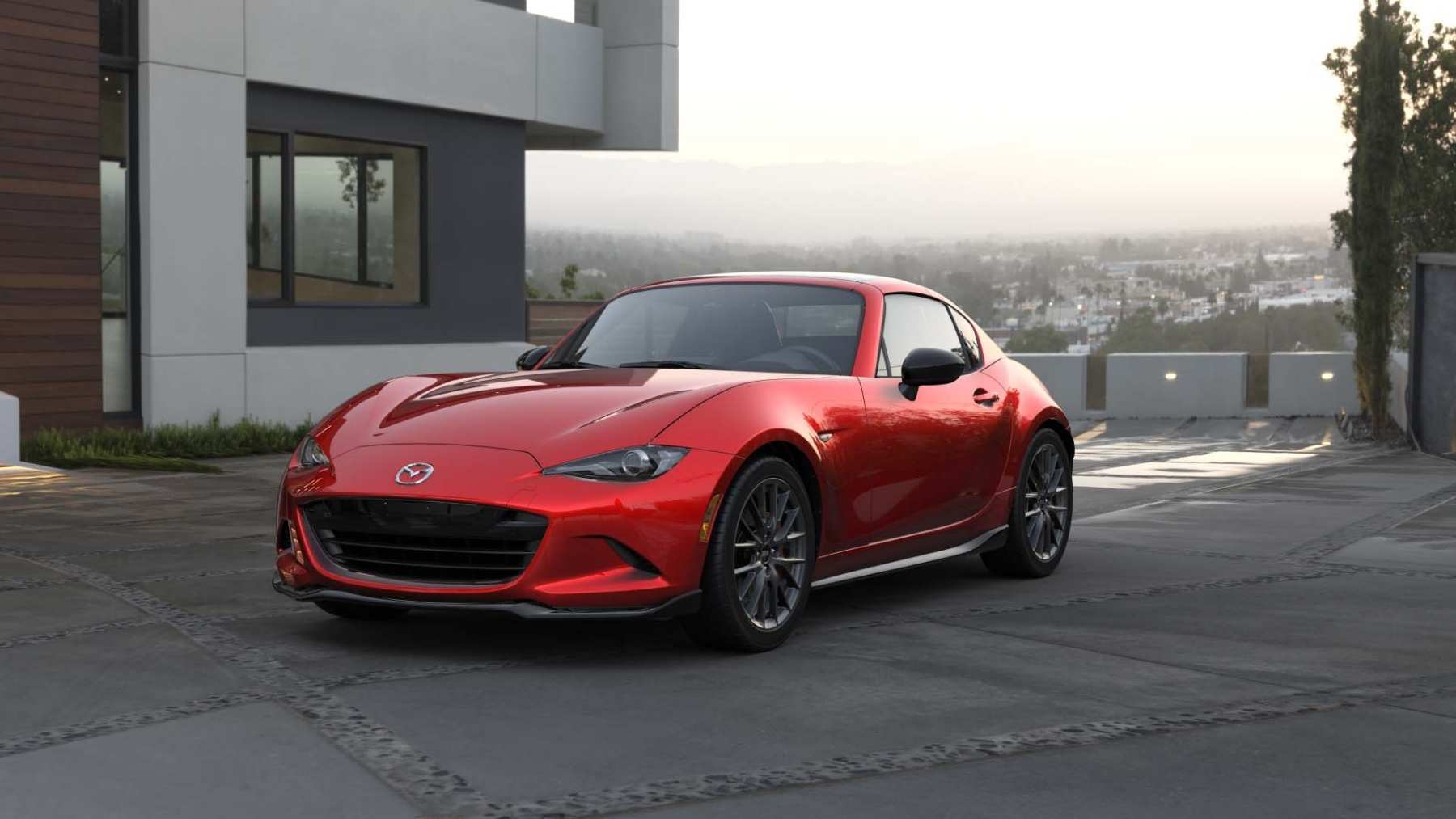
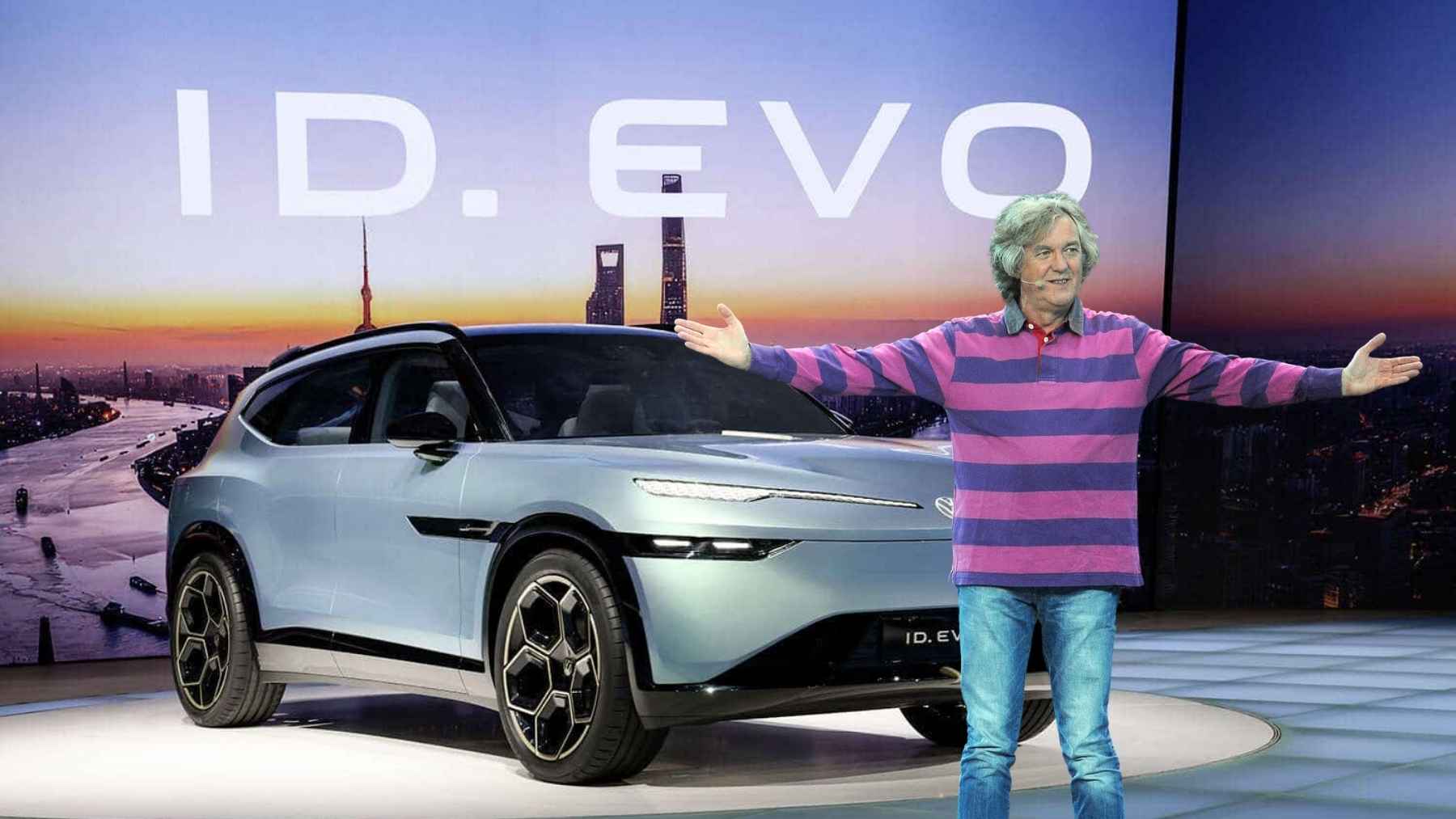
Volkswagen is doing essentially the same thing, though more advanced and less hideous-looking. The Wolfsburg-based automaker has unveiled the Era SUV concept, which was developed alongside the Chinese company SAIC and should hit the road as the ID Era 9X sometime in the near future. VW was not the only company to unveil an EREV at the Shanghai Auto Show. Mazda also rolled out the EZ-60 SUV, which works on a similar concept.
The vehicle type does very well in China, and the companies currently backing it think EREVs will do well in both Europe and the US too. On paper, you can see why the likes of VW believe EREVs could be the next big thing. They pretty much solve two of the biggest issues with electric vehicles: range anxiety and charging times. Keep the engine fueled, and the battery isn’t too much of a worry. But there may be evidence
Top Gear isn’t the only thing to beat Volkswagen to the EREV
Extended-range electric vehicles have not worked out for everyone. The original Fisker Karma was an extended range electric vehicle. It could only manage around 33-miles on battery power before the engine (which was sourced from GM) fired up and started pushing power into the cells. Despite embracing this style of vehicle 15 years ago, things didn’t turn out too well for Fisker.
Other discontinued EREVs include the Chevy Volt (which was not marketed that way but certainly operated like one) and the original BMW i3 (which fended off criticism of its limited range by adding the range extender). Tariffs may also be an issue, as a lot of EREVs are either manufactured in China or in conjunction with Chinese companies. This includes both the production versions of the Mazda and Volkswagen that were just unveiled in Shanghai.
Range extenders also tend to get suggested for certain off-road-focused EVs. Because if you run out of battery in the middle of nowhere, the ability to get yourself moving again with a can of gas is pretty handy. Ineos was going to drop one in the Fusilier, until that got shelved. Scout, which is also owned by Volkswagen, is planning to make its initial run of vehicles EREVs, and numerous other companies are also looking into the concept.
Ford, Jeep, RAM, Nissan, and Hyundai all have some form of EREV in the works. Though Mercedes abandoned its attempts at an EREV, considering the whole thing a waste of time. So, are Volkswagen and the former Top Gear presenters right about the EREV? The majority of the automotive industry seems to think so.