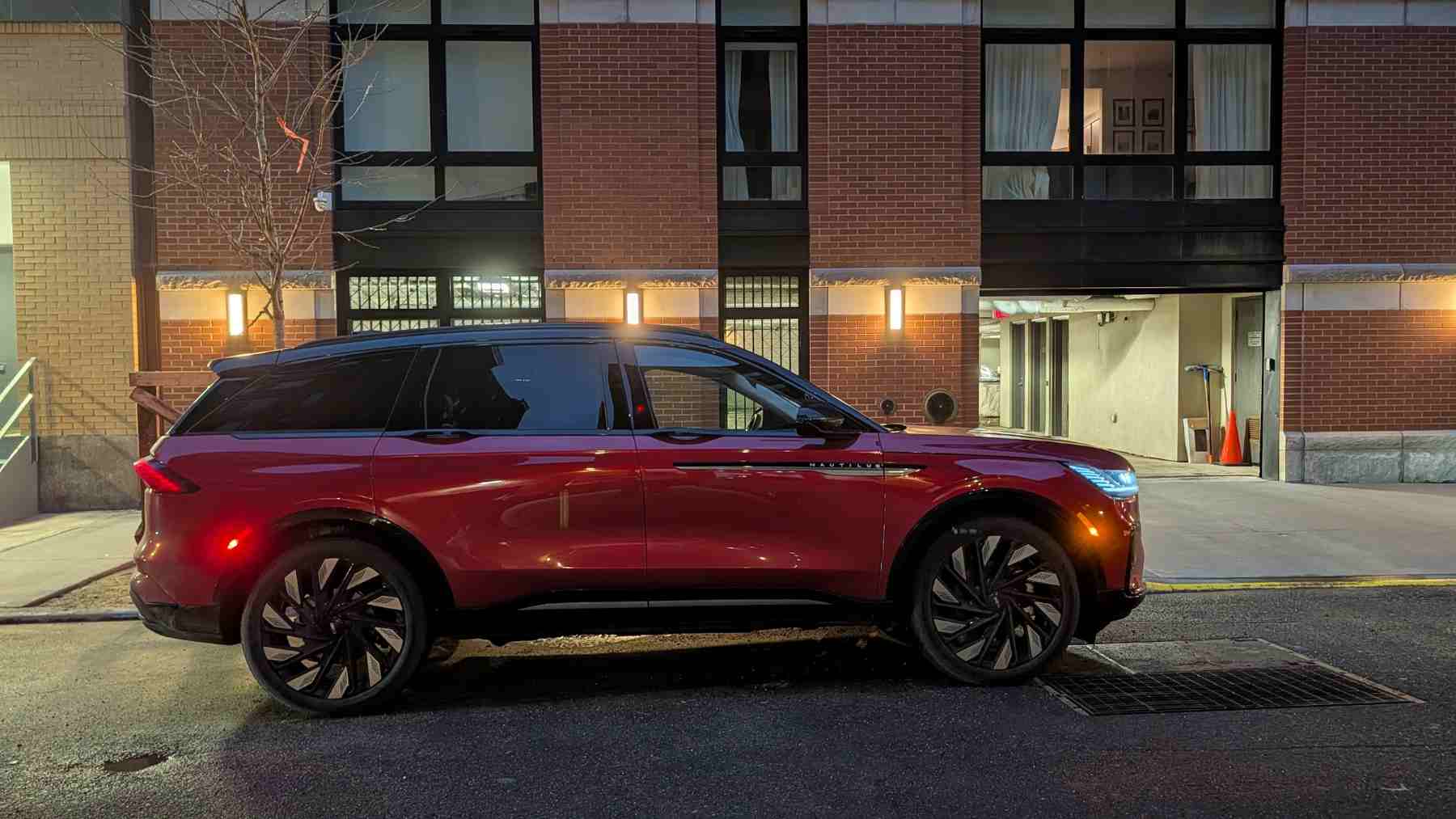

There’s a lot of news about US-efforts to prevent vehicles manufactured in China from being sold in the country. But there is already a pretty popular vehicle that is made in China and sold Stateside: the Lincoln Nautilus.
So, aside from the tariffs Ford pays when importing each Nautilus, does the fact that it is made in China make any difference? And what can it tell us about Ford’s future plans to make more vehicles across the Pacific?
I recently tested out a Nautilus for a week, and here’s what I learned.
The Nautilus is the smallest Lincoln, for now
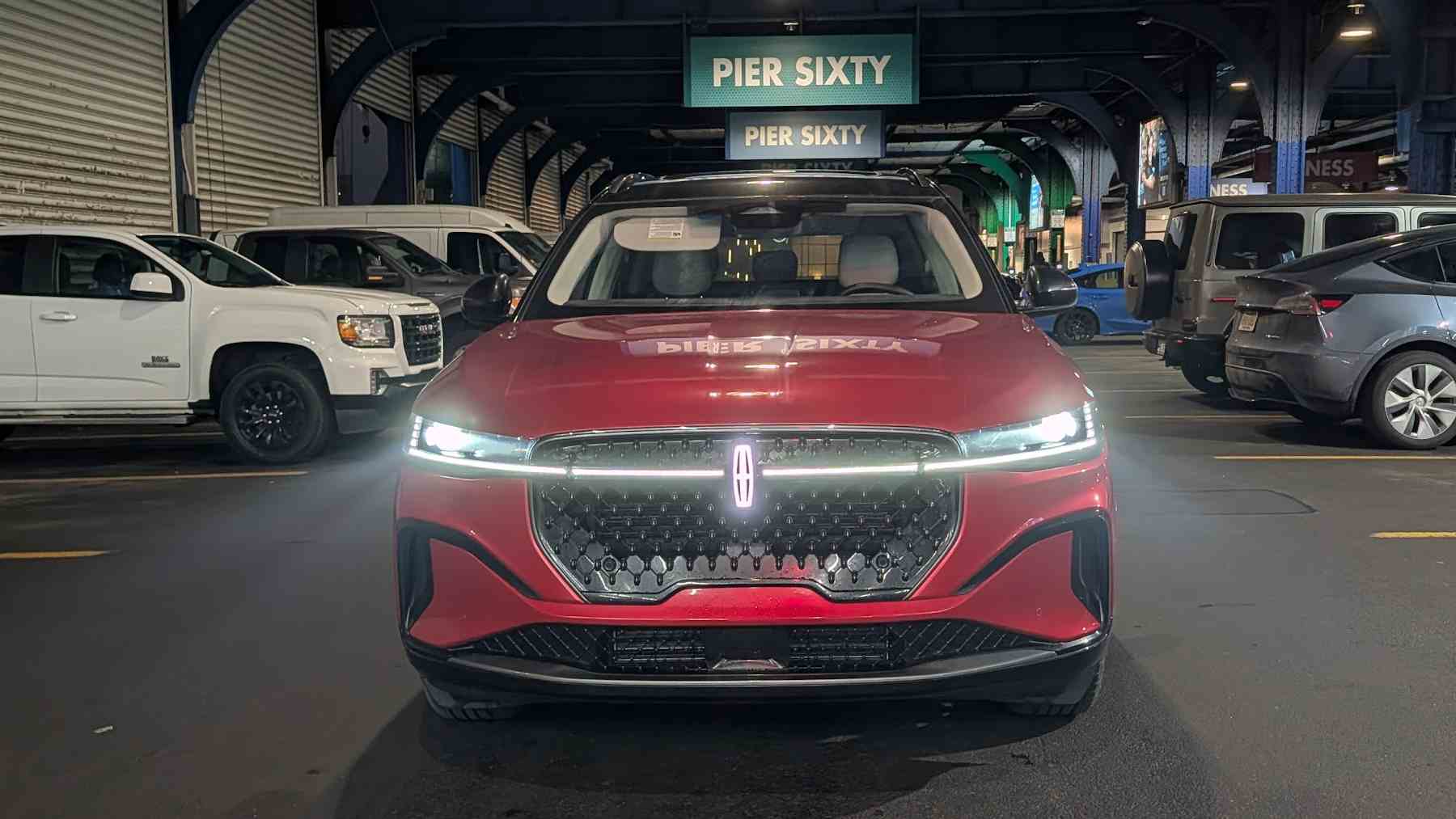
Lincoln killed off the compact Corsair a few months ago, coinciding with Ford’s decision to axe the Edge and Escape and shift its focus to larger SUVs. But reports indicate the Corsair may be coming back, and will be built in China alongside the Nautilus.
But at the time of writing, the Nautilus is the smallest member of the Lincoln family. While that means sacrificing a third row and some cargo space, it does come with a few benefits. Maneuverability and parking are both an absolute breeze. You can effortlessly fit the Nautilus into spots other vehicles would risk some bumper damage in. Factor in the cameras, and it makes Lincoln’s littlest vehicles one of the best options for city driving.
The same applies in overcrowded parking lots. I was in the larger Cadillac Escalade IQ around the same time as I tested the Nautilus. Slipping into a spot at Trader Joe’s without risking the Escalade’s bodywork involved carefully reversing and turning the Cadillac a couple of times until I had a fairly straight run at the spot. The Nautilus, meanwhile, just slid right in with no effort. Couple that with the powertrain, and you have an exceptional vehicle to drive.
The Lincoln Nautilus drives like an EV half the time
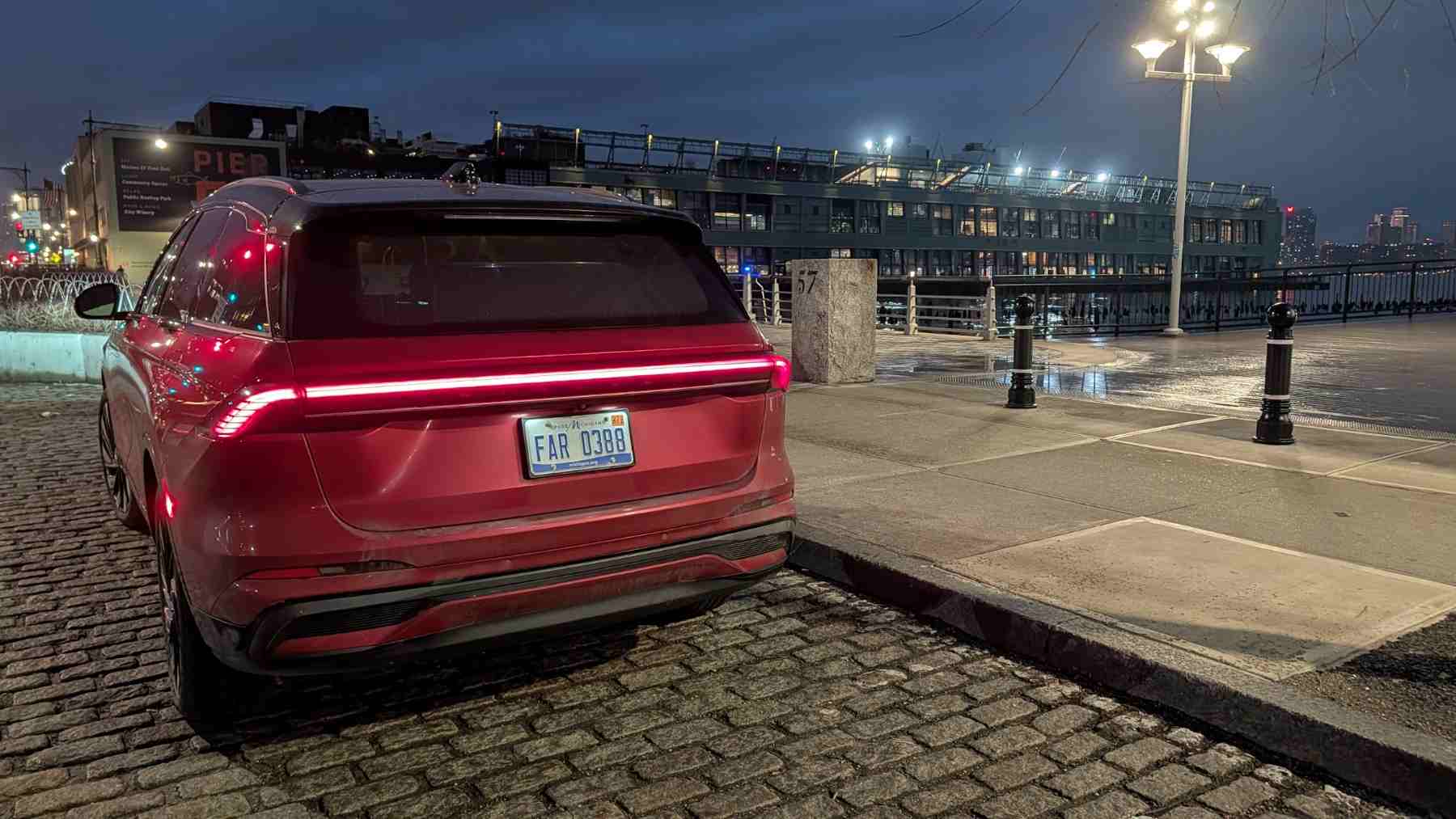
While the Lincoln is packing a 2-liter I-4 engine with over 250 horsepower, that isn’t the meaty bit of its powertrain. The SUV is listed as an FHEV, or a “full-hybrid electric vehicle.” This differs from a “mild hybrid” in a couple of ways. For a start, it has a bigger battery than the “lite” option, and its motors play a bigger part in the vehicle’s operation.
It’s not a plugin; all of the battery’s charging comes from things like regenerative braking. Still, the battery has enough juice to let the motors take over at lower speeds. As a result, lower-speed driving (like you tend to encounter in towns and cities) is pretty much all motor-powered. So you may notice it feels pretty much exactly like an EV at times, because it basically is.
There’s a lot of talk about how to move forward with EVs at the moment, and Ford is putting some of its effort into an EREV configuration. This is where a small engine charges a battery and nothing else, while motors draw on the battery to power the vehicle. It allows for extreme ranges, but honestly, the FHEV setup is a viable alternative. Yes, at around 30 miles per gallon combined, the Nautilus isn’t the most economical hybrid out there. But it’s not exactly a gas-guzzler either. And the ability to just fill a tank with gas when you want to keep going is the perfect counter to range anxiety, obviously.
Lincoln uses the Nautilus as a tech test bed
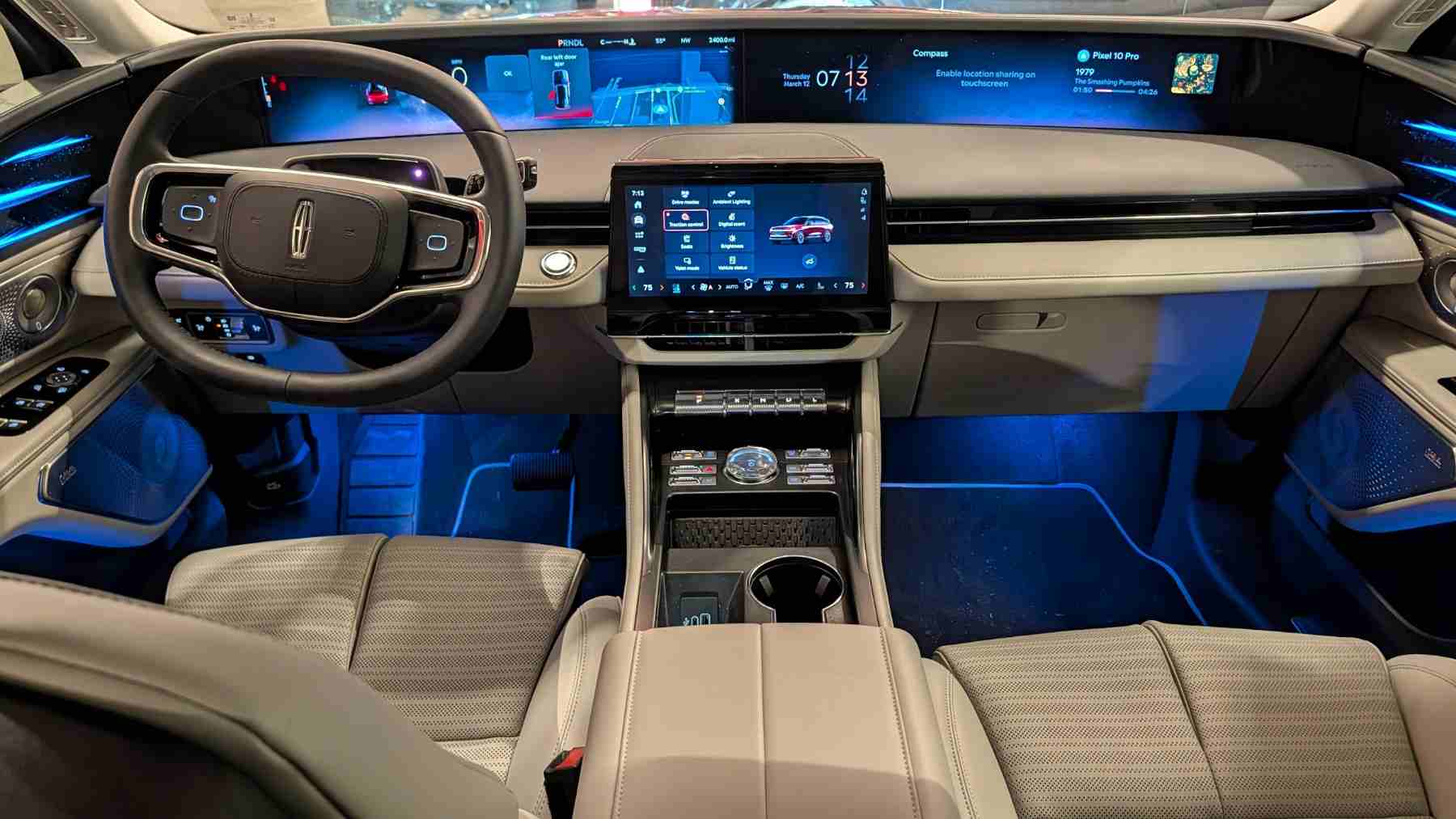
Lincoln has made a fair few technological leaps in the last few years, with the big two being a dash-length infotainment display and a concept called “digital scents.” Both of these things debuted on the Nautilus, and that means if you’re buying one of the crossovers, then you’ll likely have access to Lincoln’s latest tech.
The downside of that is Lincoln tends to make a leap forward and then spend some time rolling that tech out to other vehicles in its lineup. The last vehicle to get all of this is going to be the Aviator, and the flipside of this is you’ve had a fully decked-out Nautilus sitting there for a couple of years now.
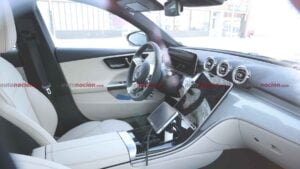
For reference, the dash-length display is absolutely wonderful. It’s easily customizable, as it should be, and allows the driver to pop whatever widgets they want in the place that suits them best. The only downside is there aren’t quite as many widgets as there could be. Yes, I know this kind of display isn’t that unique anymore. Cadillac has one, BMW and Mercedes are both going in with beautiful dash-length displays too. But Lincoln was here first.
What hasn’t been copied by other manufacturers is the “Digital Scents” feature. You may see this as a bit of a novelty, but it’s genuinely nice to have. Instead of a pine-tree shaped bit of felt dangling from the rearview mirror, you load these little sticks into the center console. Then you can have a pleasant smell of your choice pumped through the cabin.
So yes, you can get the best of Lincoln on the Nautilus. But that has been the case for a while, and there isn’t really a lot of difference between the 2026 Nautilus, the vehicle I drove back in 2024. Even the FHEV option we discussed just came in with the 2024 Model Year.
That said, there is one area where the Nautilus has received a major update. And it’s basically included as standard.
BlueCruise is a big bonus on the Lincoln Nautilus
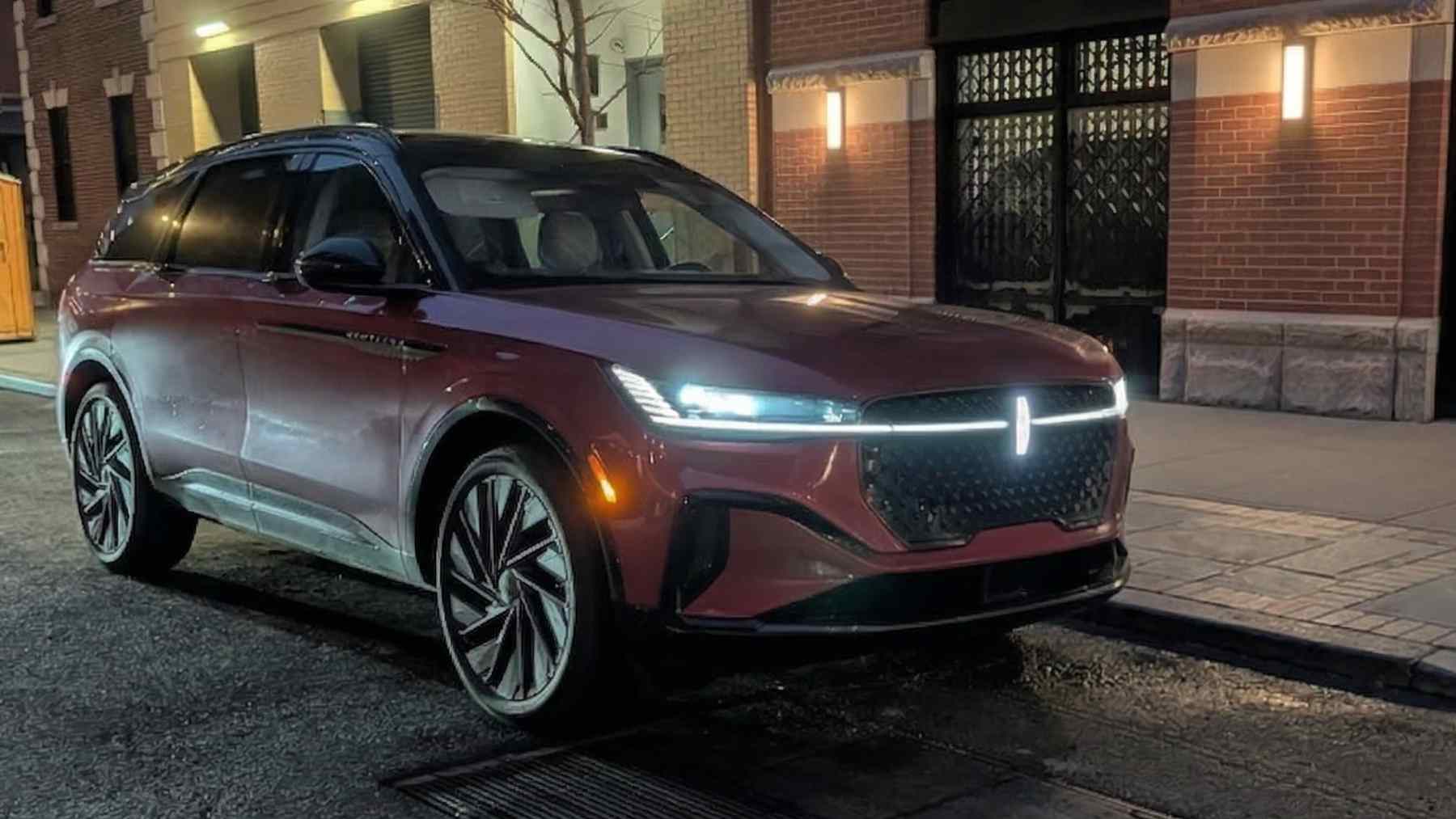
Ford has put a lot of effort into BlueCruise, its Level 2 self-driving system. — and Lincoln has got the best of BlueCruise for a while now. The biggest recent update to the system was BlueCruise 1.5, which adds automatic overtaking in addition to features from earlier versions, such as hands-free driving. This can lead to a situation where you set your speed and barely have to touch the wheel for a few hundred miles on the interstate.
BlueCruise 1.5 required new sensors, which could not be installed retroactively. So it’s something you’ll only really see on the 2026 model year onwards. On the Lincoln, the equipment to make it work comes as standard, and came before Ford slapped it on anything else (bar the Mustang Mach-E).
Lincoln buyers also get a very generous four years of self-driving tech included with their vehicle purchase. Which is more than Ford buyers get and a great deal overall. In fact, many people who buy or lease a new Lincoln will likely sell or upgrade it by the four-year mark, so it will cover a significant number of people’s entire time with the vehicle.
The Lincoln Nautilus is still very much a luxury vehicle
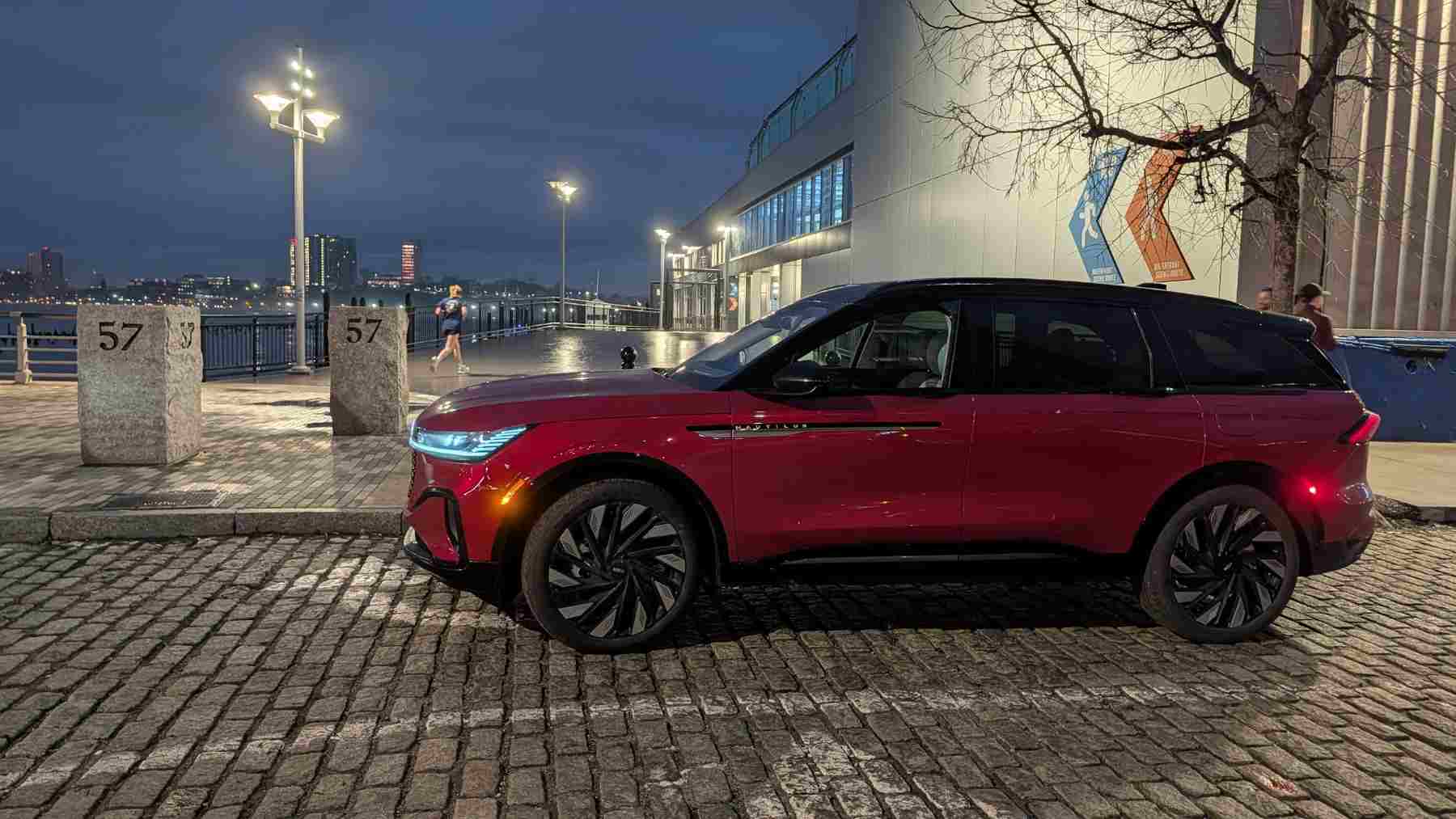
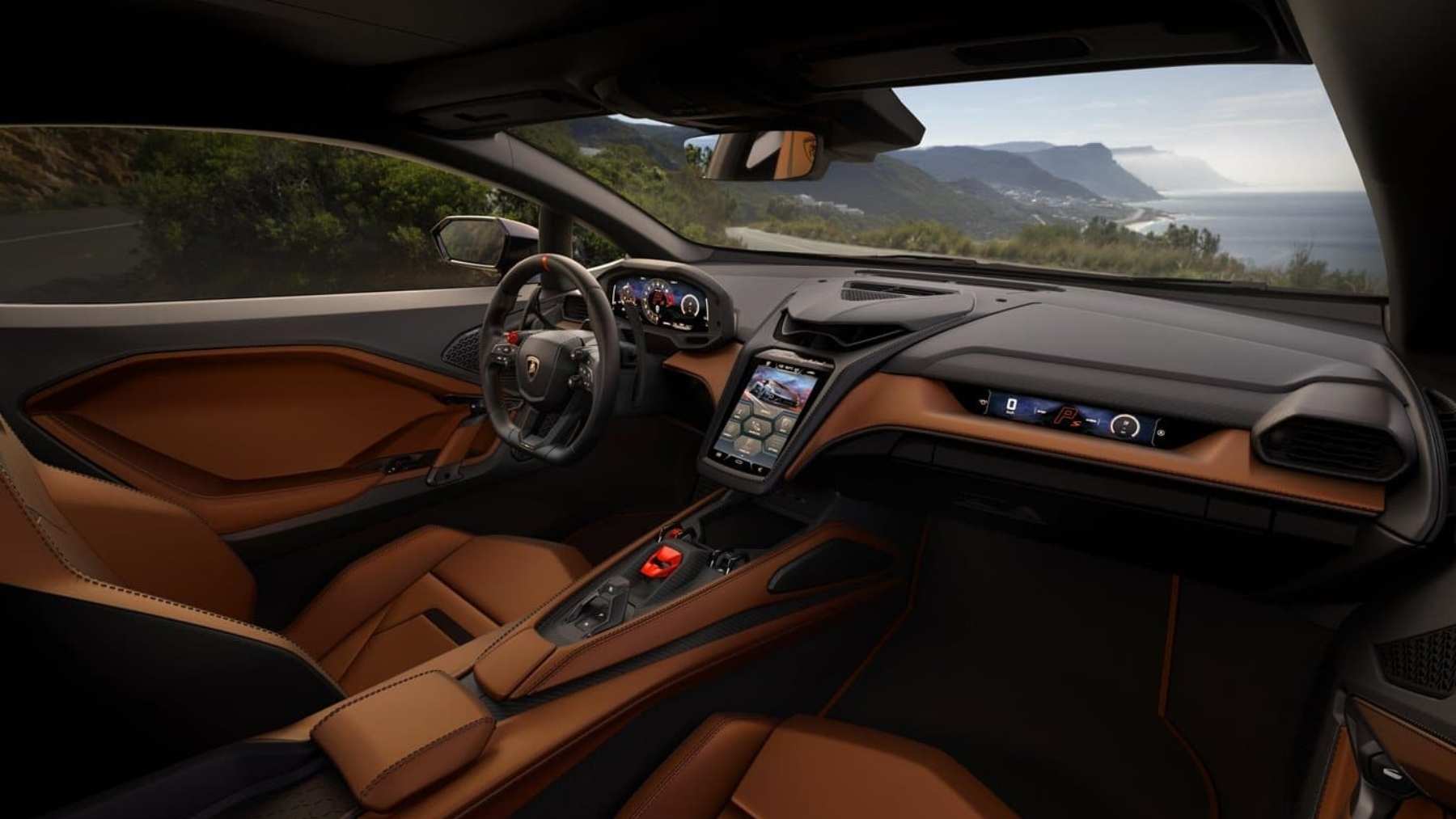
While we’ve touched on the main features of the 2026 Lincoln Nautilus, we’ve overlooked what is arguably the main thing about it. It’s a very good luxury vehicle, with an incredibly pleasant interior and spacious trunk. There’s a fair amount of wood, there’s a generous amount of leather, and while there is plastic, it doesn’t feel cheap or like a corner-cutting measure.
The inside of a 2026 Nautilus is a very pleasant place to be. Especially compared to whatever Lincoln was doing between 2007 and 2012. The finish is also superb. I went over the test vehicle I was sent with a fine-tooth comb and couldn’t even find a loose stitch, let alone a misaligned panel or defective section of leather.
So, despite being “made in China,” the Lincoln Nautilus is on par with the vehicles they sell in the United States. Beyond that, it’s still at the cutting edge when it comes to Ford’s tech offerings. So even if there’s nothing new, there’s nothing you’ll miss out on either. Which is good news for future vehicles that Ford intends to build across the Pacific. Provided the plans don’t get torpedoed by further tariffs.