
- Nissan's bold move to bring the Rogue e-Power stateside could rewrite what Americans expect from a compact SUV, because this isn't a hybrid in any traditional sense — it's an electric vehicle with a gas-powered generator strapped to it.
- The projected 40 MPG figure sounds modest until you realize that's the floor, not the ceiling, achieved in the worst stop-and-go traffic conditions where conventional powertrains bleed efficiency.
- The real story here is bigger than one model: the EREV wave is coming from every direction — Scout, Volkswagen, Ford — and if you're planning your next vehicle purchase in the next two years, understanding this powertrain format isn't optional anymore.
Gas prices are rising and a volatile global political climate means things are unlikely to change any time soon. As a result, many Americans are looking for more economical gas-powered vehicles, or even hybrids that get over 50 miles per gallon.
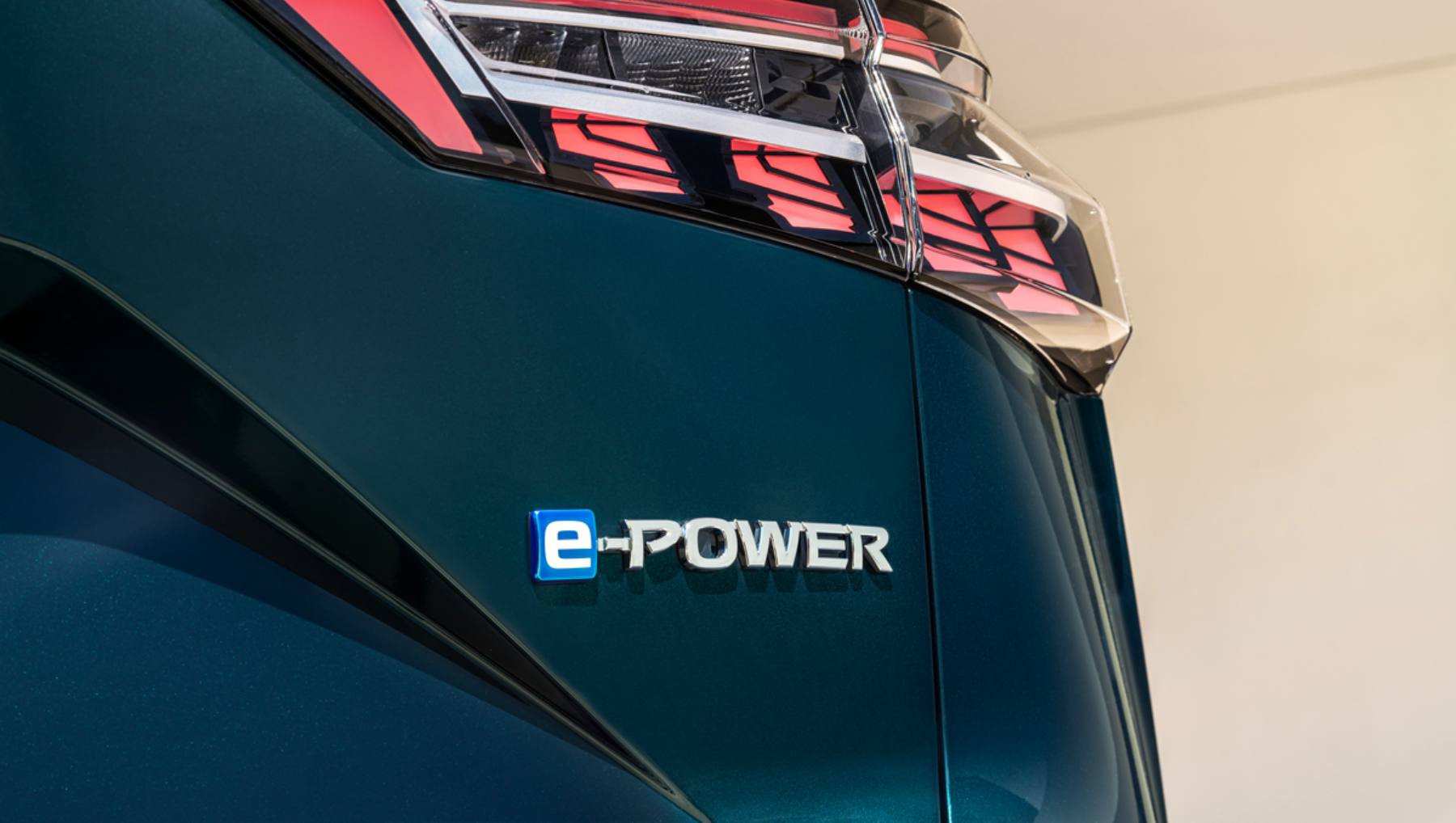
Manufacturers are also responding to consumer demand for less thirsty vehicles. Like Nissan, which has just announced a new version of the Rogue e-Power. Technically, the 2027 model will be the third-gen e-Power Nissan has produced, but it is the first time the configuration has been sold in the United States.
Nissan’s next-gen Rogue isn’t a hybrid in a traditional sense; driving and braking do not power an auxiliary battery, which then provides extra range or power. Instead, the battery is the star of the show, while the engine is just there to act as a generator, keeping that battery powered.
This keeps the engine in its most efficient power band no matter what the driver is doing, saving plenty of gas in the long run. It also means you can use a far smaller engine, with rumors suggesting that Nissan’s e-Power will be packing a relatively tiny turbocharged 1.5-liter, three-cylinder engine. The battery pack also stays small, saving weight (which reduces fuel consumption).
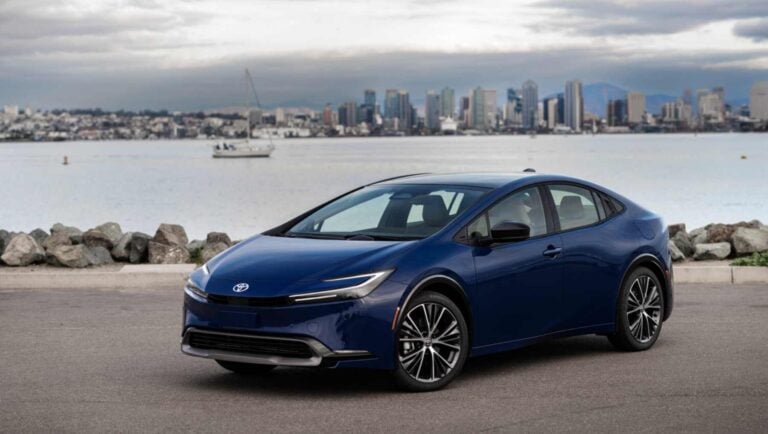

What that means is, you can still hit 40 MPG in some of the worst possible driving conditions, according to certain projections. So if you often find yourself in heavy city traffic, this could be an ideal vehicle. The total range is currently unknown, but you can expect it to exceed 400 miles.
With that being said, there are some things the Rogue e-Power misses out on. Some variants of the 2026 model have received a pretty big refresh, with Nissan essentially splitting the vehicle into two categories. The Rogue’s regular hybrid is now an (admittedly cramped) three-row, while the e-Power is stuck in its two-row configuration.
Nissan isn’t the only company embracing the EREV
Nissan’s powertrain plans are nothing new. It’s actually a configuration that’s commonly called an extended range electric vehicle (EREV) and it’s gaining a lot of traction in the US.
Scout’s initial batch of vehicles is going to be EREVs, Volkswagen is planning to release an EREV, and even the Ford F-150 Lightning is set to re-emerge with that kind of configuration.
It’s easy to see why the concept is taking off. The EREV format essentially eliminates range anxiety while retaining many of the benefits of an electric vehicle. So you get great performance and better efficiency than gas-only cars and traditional hybrids, while swerving one of the biggest drawbacks of an out-and-out EV.
Most Chinese “hybrids” are also EREVs, which is why they tend to post great numbers on paper despite having relatively tiny engines and costing very little.
The entire output comes from the vehicle’s battery, which delivers EV-level acceleration initially. However, when that battery is depleted, the vehicle limits its output until the engine has a chance to refill the battery’s charge.