
- Senator Moreno wants to escalate America's ban on Chinese automakers and pressure allies to follow suit, but he never actually explained the national security reasoning behind calling affordable EVs "cancer." The timing is almost laughably awkward — Canada just opened its doors to Chinese EVs, Europe can't get enough of them, and American automakers like Ford are quietly begging to collaborate with the very companies Washington wants to exile.
- Meanwhile, the existing tariffs are already gutting U.S.
- automaker earnings by over 40%, forcing brands to strip features and abandon import routes, which raises a brutal question: is the real threat Chinese cars, or the policy designed to stop them?
While some Americans are eyeing China’s affordable, advanced electric vehicles, the United States government is still actively opposing them. There is no denying that people want cheap, compact EVs — especially drivers in America facing rising gas prices, a terrible job market, and the loss of economical vehicle options. But Republican Senator Bernie Moreno says no.
On March 31st, Moreno announced that he would introduce legislation this month to toughen the existing ban on Chinese automakers, as well as on hardware, software, and partnerships. And he never really explained why or gave concrete reasoning. He stated a day before the New York International Auto Show: “We don’t allow Huawei to come into our telecommunications infrastructure. We’re not going to allow Chinese automakers into this market. We’re going to prevent the cancer from coming into our market, and we’re going to need the other countries to do chemotherapy.”
Republican Senator pulls a “you can’t sit with us” Mean Girls power move on China
Calling on other countries to shut out China seems a bit comical at this stage, given that Canada recently decided to let Chinese EVs in, as the country’s electric vehicles and plug-in hybrids gain massive popularity in Europe. I’m not sure what incentive these countries would have to suddenly ban Chinese EVs, since they are even selling more than their own automakers’ vehicles. Especially after seeing how much of a struggle this has created for America’s automakers.
Rather than strengthen America’s own brands, the bans and tariffs have started to wreak havoc on the country’s automotive market, including “made in America” vehicles. Automakers are seeing their earnings slashed by more than 40%, forcing them to make very tough decisions. Volkswagen, which largely produces vehicles in Mexico, has stated that it’s no longer viable to import over the border. Mazda has started cutting some of its luxury features to save at least some money. America’s own Ford has repeatedly suggested collaborating with Chinese automakers and battery companies due to the deeply burdensome losses from the Trump Administration’s tariffs.
Still, Moreno stated: “What I’m hoping is that Latin America, Mexico, Canada, and Europe adopt our same standards.”
And end up like us? Yeah, I’m sure it seems really enticing. Let’s see who jumps at the opportunity first! Moreno can call Chinese vehicles “cancer” as much as he wants, but it seems more like the fun uncle that comes to parties and brings neat toys that all the kids end up fighting over. And America is pouting in the corner. Oooh, so now he just wants to make us look like the bad guy that takes away human rights and raises the prices of healthcare while he just comes in with all the cool stuff! Come on, kids, don’t you still want to spend $50,000 for the oversized toy I brought? I’ll even throw in a large destination fee!
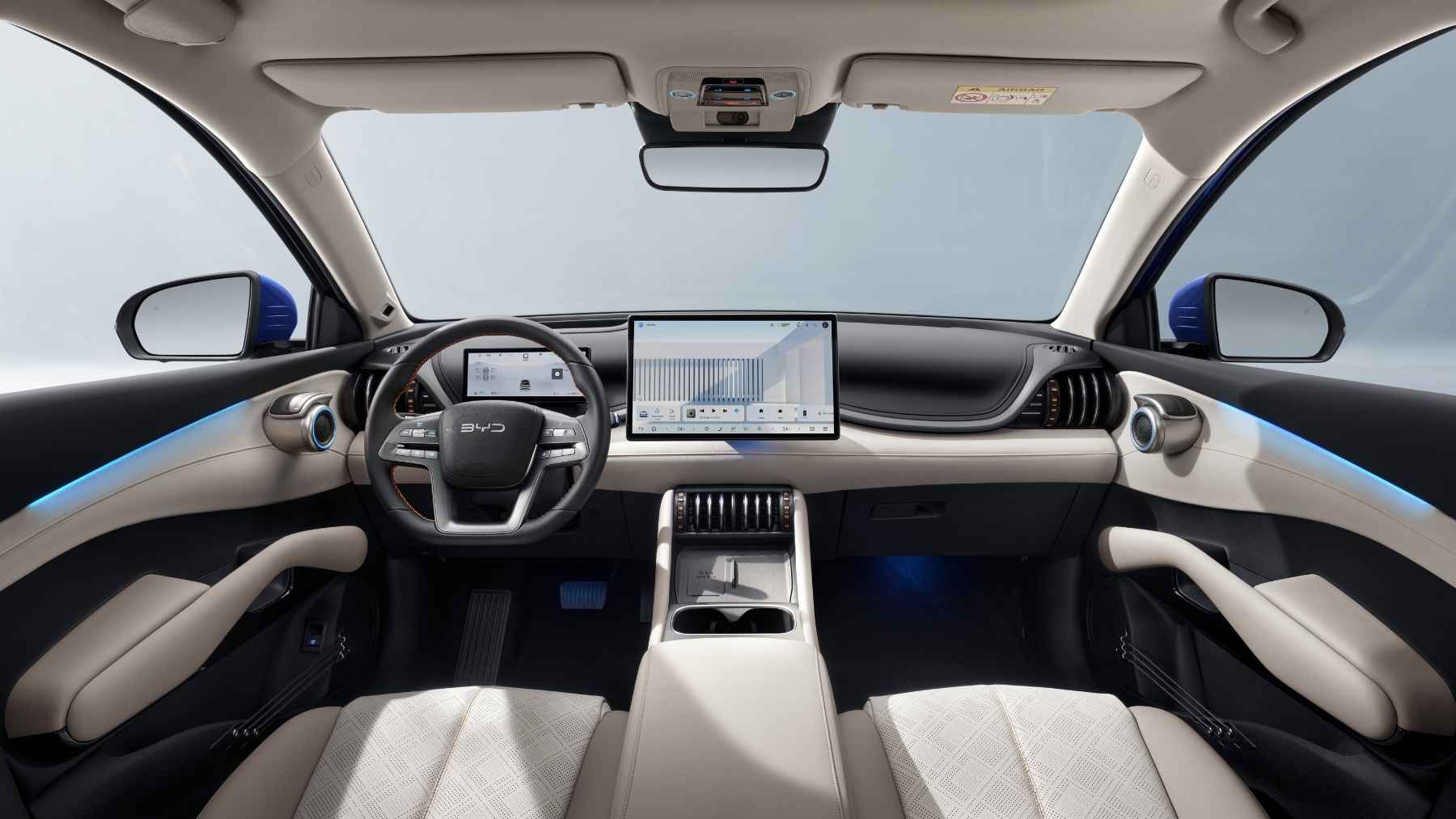
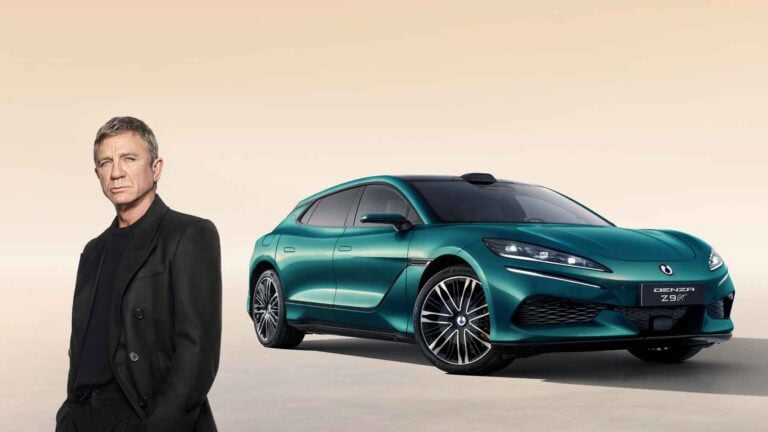
Yeah, we’ll be right over once we’re done with the BYD James Bond toy. I’m getting bored of its advanced efficiency and parallel parking features anyway.
There are conflicting responses to Moreno’s determination to rid the United States of all things China. Some U.S.-based automakers have been advocating for stricter bans on Chinese vehicles and parts to strengthen the domestic market. Especially as Chinese EVs keep getting cheaper and cheaper. I haven’t really seen this working out so far, but I’m not an American automaker. Maybe they’re experiencing something brilliant I haven’t noticed from the outside. On the other hand, the Chinese Embassy has accused the U.S. government of attempting to implement “discriminatory subsidy policies” that no longer support fair competition.
President Donald Trump is set to visit China in May, which could be an interesting turning point for America if he continues to express interest in having Chinese automakers build manufacturing plants in the United States.