
- Tesla is the only robotaxi company that lets remote human operators physically drive its vehicles, and it took a letter to a U.S. senator to get that admission on the record.
- While competitors like Waymo limit human backup to suggestions the software can accept or reject, Tesla's operators can grab the wheel at low speeds — a distinction that raises serious questions about how "autonomous" these rides really are.
- Three senior Tesla leaders have already walked away before Cybercab mass production begins this month, and the reason why should concern anyone sharing the road with these vehicles.
Not that anyone is surprised, but Tesla has now admitted itself that its robotaxis are driven remotely by human operators.
As reported by Wired, Tesla sent a letter to Senator Ed Markey admitting that humans sometimes take control of its robotaxis. In the letter, Tesla stated: “As a redundancy measure in rare cases, … [remote assistance operators] are authorized to temporarily assume direct vehicle control as the final escalation maneuver after all other available intervention actions have been exhausted.” At that point, the operators can take over robotaxis that are driving 2 miles per hour or less, and then drive them up to 10 mph at times.
In the report, Wired found that other autonomous taxi companies, like Waymo, have remote employees who can provide input for the vehicles to take, like a suggestion — but all claimed to never drive the vehicles directly. Tesla was alone in that. Waymo’s software can call on humans for backup, called a “fleet response.” The human will see the vehicle’s environment and answer questions for complex situations to better guide the vehicle. But again, these humans apparently never drive the robotaxi directly. Only Tesla has admitted to this.
Tesla’s robotaxi service is not ready, and this is just one instance
Not to beat a dead horse, but this is not surprising. Tesla’s robotaxi service has never performed up to expectations and never met Elon Musk’s promises. Robotaxis have been operating sparingly in Austin, with a few dozen Model Y vehicles offering supervised rides in a limited area of the city. It’s definitely not the “500 cybercabs” that Musk claimed would be here by December 2025. Instead of improving the existing robotaxi service in Austin, Tesla promised to bring robotaxis to six more cities around the United States.
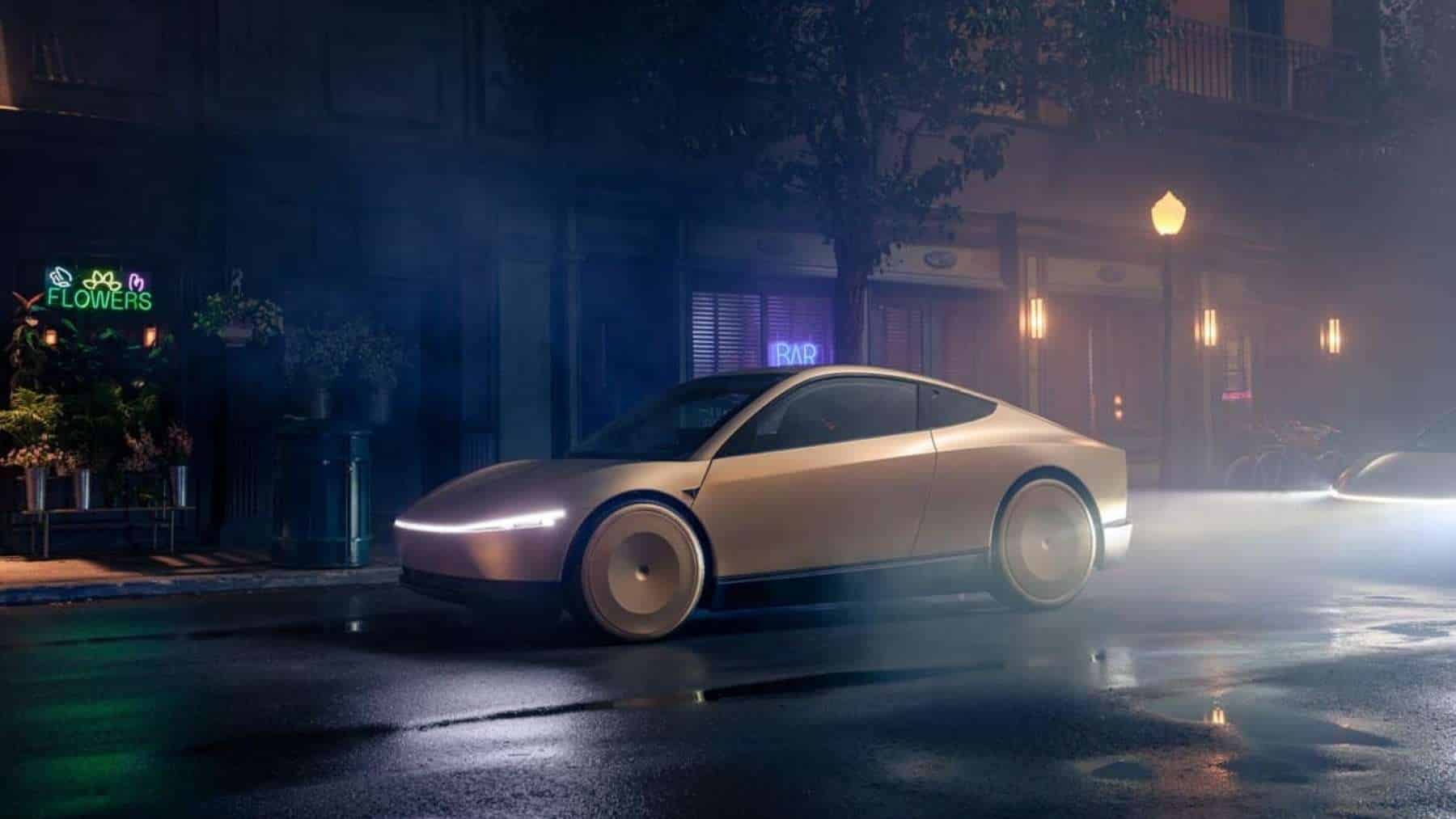
Meanwhile, the designated robotaxi, the Cybercab, was promised back in 2024 and has barely started showing up. And the ones that have appeared look cheap and sparse. As designated robotaxis, the Cybercabs have no steering wheel, pedal, or rear window — which is haunting, since Tesla’s Full Self-Driving system doesn’t work anywhere near as intended. California has even demanded that the name be changed, calling it misleading since you have to be very much alert while using it. There are currently multiple National Highway Traffic Safety Administration investigations into crashes related to FSD.
So… How will it provide unsupervised taxi rides? Not even Tesla’s own leaders want to know, which has led three of them to leave before the Cybercab’s mass production, likely not wanting to be responsible for a disaster. And they should be hitting production this month. Meanwhile, their vehicles need to be taken over by human drivers during test rides, apparently.
If you see a Cybercab on the road, be alert.