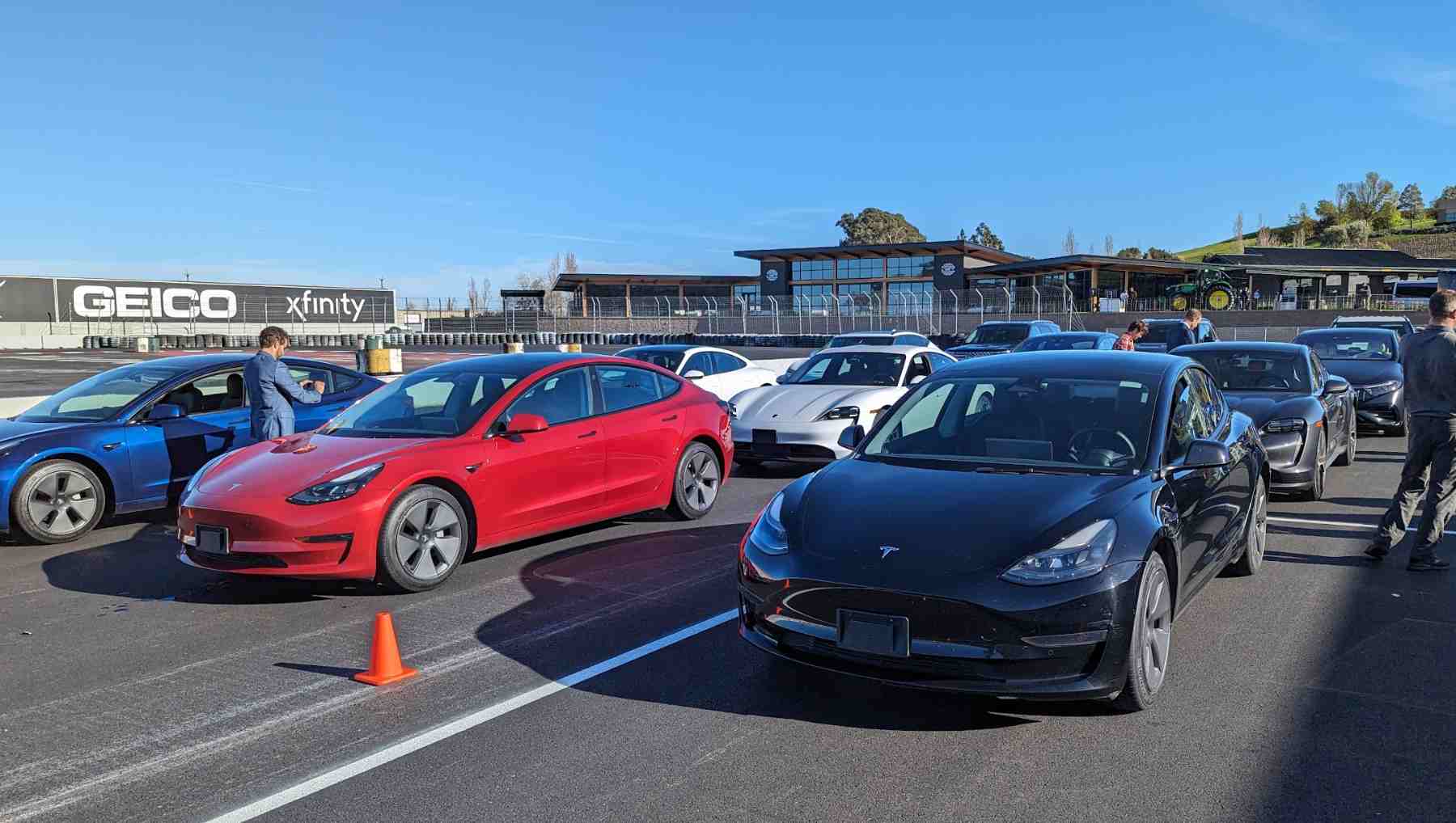

The Tesla Model 3 is the fastest depreciating EV, according to a study that measured the average resale price of the vehicles after six years.
Despite selling for just under $83,000 back in 2020, the Model 3s recorded in the study retained just 23% of their original value, selling for an average of $18,733 in 2026. This means the vehicle lost an average of 12.9% of its value every year.
Audi’s 2019 e-Tron was second on the list, coming in a close second, losing 12.8% of its value every year. Then the Jaguar I-PACE snatched the bronze medal with an average depreciation of 12.3% per year. Which is pretty shocking as I’d have put Jaguar down as the favorites to top the podium, given the I-Pace’s well-documented problems.
The study, commissioned by business-to-business car company eCarsTrade, also found parallels in the percentage of value that both expensive and “cheap” EVs lose over a six-year period. While in pure dollar terms a Porsche Taycan lost significantly more value than a Nissan Leaf, both lost the same “percentage” of their value in the time frame — essentially coming in at 60% less than their original MSRP.

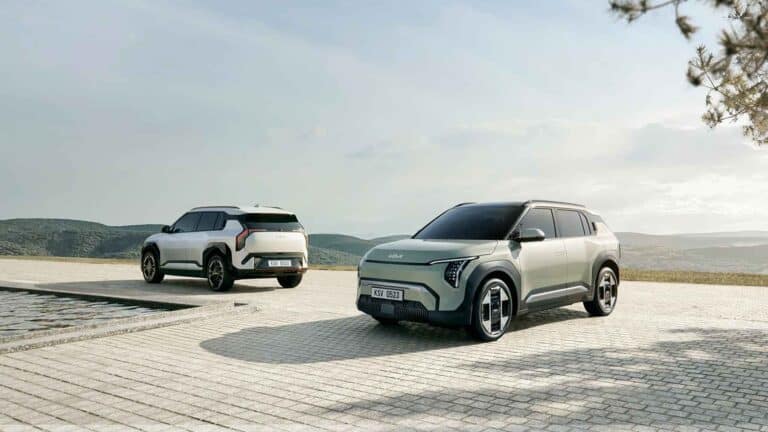
This suggests that the severe depreciation is more of an “EV problem” than an issue with a particular brand or class.
EV’s depreciation statistics contrast with ICE vehicles, which historically depreciated depending on what kind of vehicle they were. Rare and desirable sports cars (think most of Ferrari’s line up, the McLaren F1, a Porsche 911) would traditionally hold their values at worst, and drastically increase in price in a lot of cases. Practical vehicles, like good-quality pickup trucks and other vehicles with commercial applications, tended to hold on to their values quite well. Then the value of luxury (but not limited) vehicles like the Mercedes S Class, BMW 7 Series, Audi A8, et al appeared to drop off a cliff the second they leave the dealer’s lot.
But why are EVs a bit more democratic — and drastic — in their depreciation?
The cause of EV depreciation may not be what you think
I bet you’re sitting there reading this and thinking, “I know why these EVs are so cheap now! It’s the batteries!” and you would be sort of right to an extent. Batteries do degrade over time because of the damage caused by multiple charging cycles, extreme temperatures, and general misuse.
Eventually batteries hit the point where they can only store around 80% of the charge they originally held, which is when manufacturers start recommending a replacement. This tends to happen between the seven and ten year mark, and those replacements are not cheap. Warranties do exist, and can extend up to ten years in some cases. But manufacturers aren’t stupid; the wording and battery life expectations mean the customer will be paying for the swap most of the time.
Now, if you own an EV for a decade, you probably haven’t spent much on maintenance. If you drive them properly, you may never even have to change the brakes on an EV. The money you save here might just offset the cost of a replacement battery. But if you’re buying a used EV a year or two before that replacement is due, then you won’t see any of those savings, and the inevitable battery replacement will hit you hard. But that isn’t the main cause.
There is another cause proposed by the University of Michigan, which may indicate why six-year-old EVs like the ones in the study have depreciated so badly. The study suggests that between five and seven years post-production, an EV’s value will plummet due to “technological obsolescence.” And this does make a good amount of sense.
EV tech has advanced pretty rapidly, and is still pushing forwards at a staggering rate. I remember driving an early model Nissan Leaf back in 2012 or so. It wasn’t particularly fast, it took an age to charge, and had about 60 miles of range. In essence, it was a glorified golf cart. Fast forward 14 years, and you have EVs that have 500 miles of range, can shoot from 0-60 in less than two seconds, and will charge from 10% to 80% in as little as ten minutes.
And we haven’t even hit the stage where solid state batteries are commonplace yet. Then we have the fact EVs are getting “cheap,” which will likely have an impact on both the current used market, and the second hand EV landscape of the future.
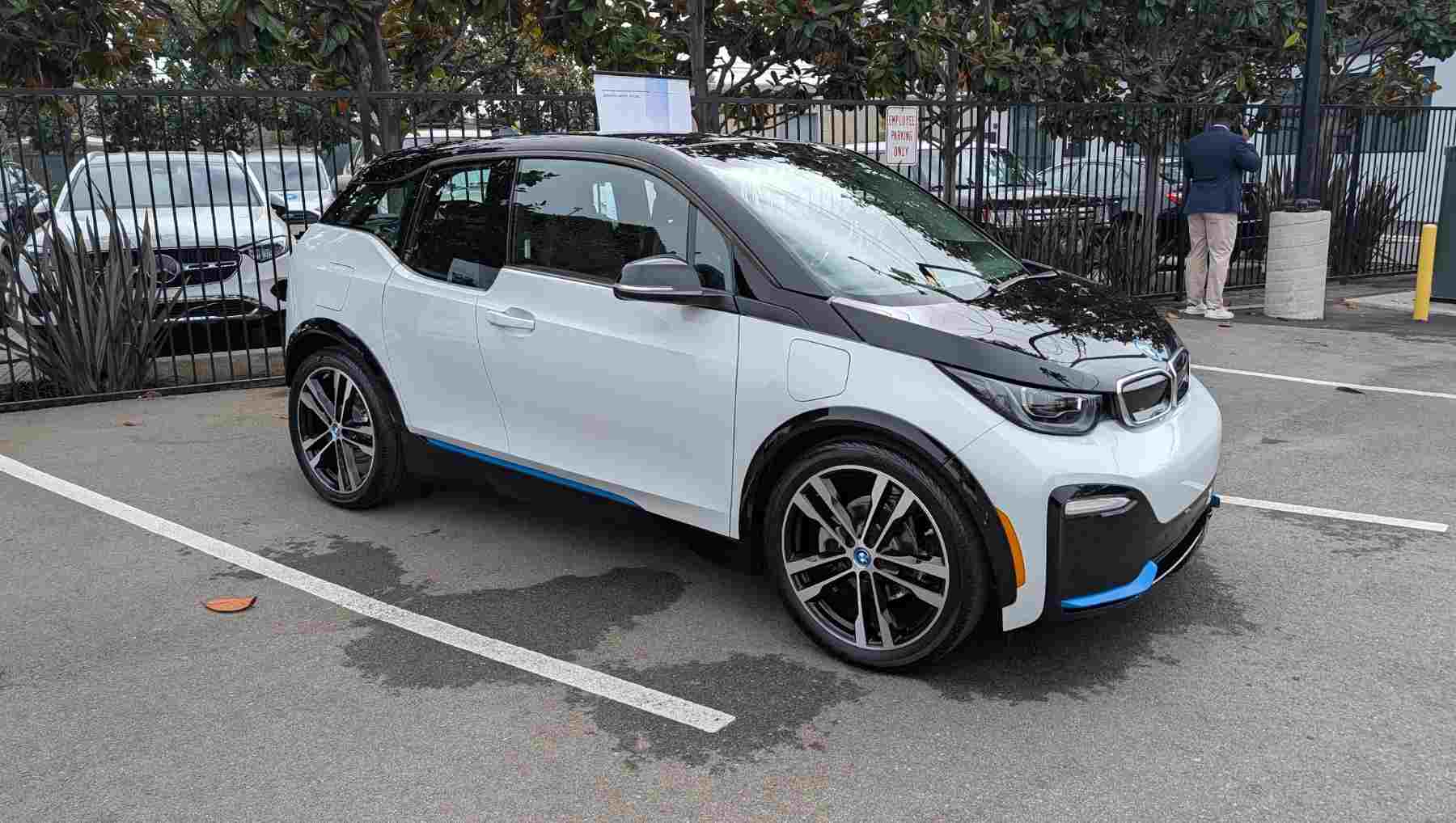
The one exception to the rule is the “modern classic” designation. Some EVs, like certain ICE vehicles before them, have developed a strong cult following. The original BMW i3 is an example of this, with its notable fanbase praising its style and seeing it as a major stage in the evolution of EVs as a concept. While it’s easy to name numerous desirable ICE “classics” from any decade, there are very few EVs that have this distinction. The only other one I can name off the top of my head is the original Tesla Roadster, which is still highly collectable and sells for more than its original market value.
For now, it seems like buying an older EV is a bad deal unless the price is at rock bottom. You’re getting something pretty much obsolete, with a dying power source, that the original owner got a great deal on. So why would you pay more than 23%?