
Tesla has long been the dominant EV seller in the United States and until recently the biggest in the world. In terms of numbers alone, it still is. However, sales are slowing down, and competition is growing. Pressure is mounting.
In October 2025, Tesla revealed stripped-down versions of the Model Y at $39,990 and the Model 3 at $36,990. This was its attempt to grow interest and gain sales. Unfortunately, it hasn’t worked. In April 2026, Tesla said it delivered a little over 358,000 EVs worldwide (it never says how many to the United States specifically). I’m not going to say Tesla is in danger of dying or anything dramatic, but it’s safe to say these sales aren’t what Tesla promised or wanted.
Tesla built 408,386 vehicles in the first three months, even though it expected to sell around 368,000. It fell 10,000 units short, leaving it just 6% above the first-quarter 2025 level. And in Q1 2025, Tesla paused production for a few weeks while it replaced equipment. I’m not sure what Tesla’s excuse is this time, but this makes Q1 2026 its second-worst quarter in years.
Even worse, Tesla claimed it would grow its EV sales by 50% each year. Instead, Tesla is on track for its third year of sales decline.
Tesla needs to make a lot of changes if it wants to see 50% sales increase (or an increase at all)
It’s not all that shocking that Tesla isn’t seeing an explosion in sales. Having a bad reputation really doesn’t help matters, especially when competition is picking up.
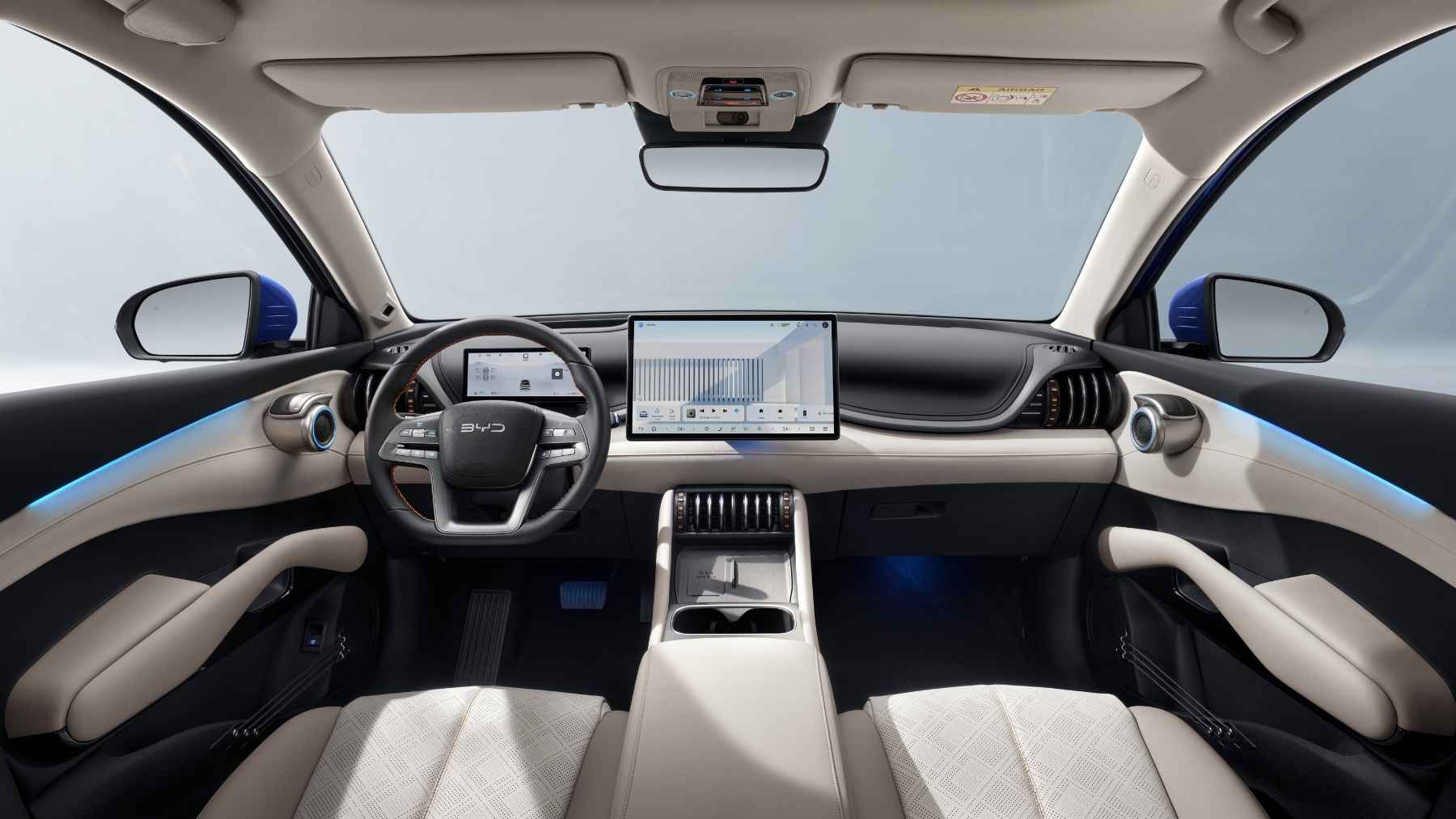
Around the world, China is dominating the EV market. Tesla is at war with one of China’s biggest automakers, BYD, which has caused its sales to plummet in a country where it once dominated. BYD overtook Tesla as the world’s largest EV seller in 2025, with 2.25 million EVs sold compared to Tesla’s 1.64 million. China’s options are often cheaper and more advanced, which means Tesla is relying solely on its strong branding. Tesla just reclaimed its title this week, but most of its Q1 2026 sales volume came from its Chinese-made vehicles.
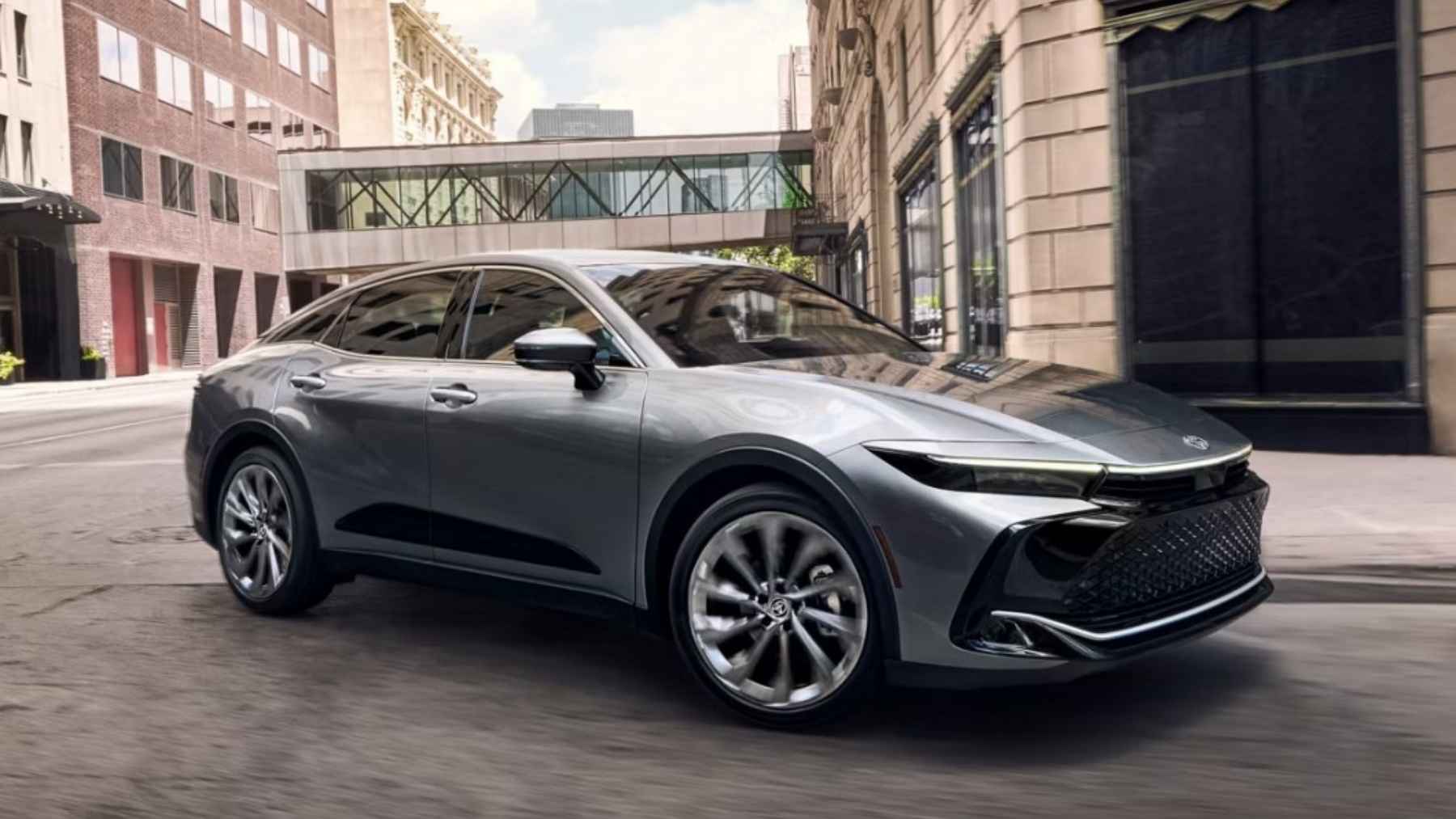
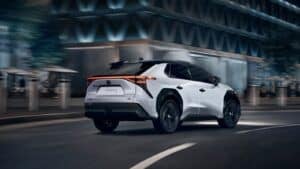
Over in the United States, Tesla isn’t threatened by China. At least not yet. Instead, it’s seeing many American automakers enter the EV space, like Lucid, Rivian, and Polestar. Tesla’s numbers are still far, far ahead — but some of its potential sales have gone to these other brands, reducing its numbers. Americans are also losing interest in EVs altogether, especially expensive ones. Tesla’s promise of “cheaper” options, only to reveal stripped-down versions of its existing models at a still-high price, hasn’t won over those looking for cost-effective options. They are turning to Toyota and other trustworthy brands instead.
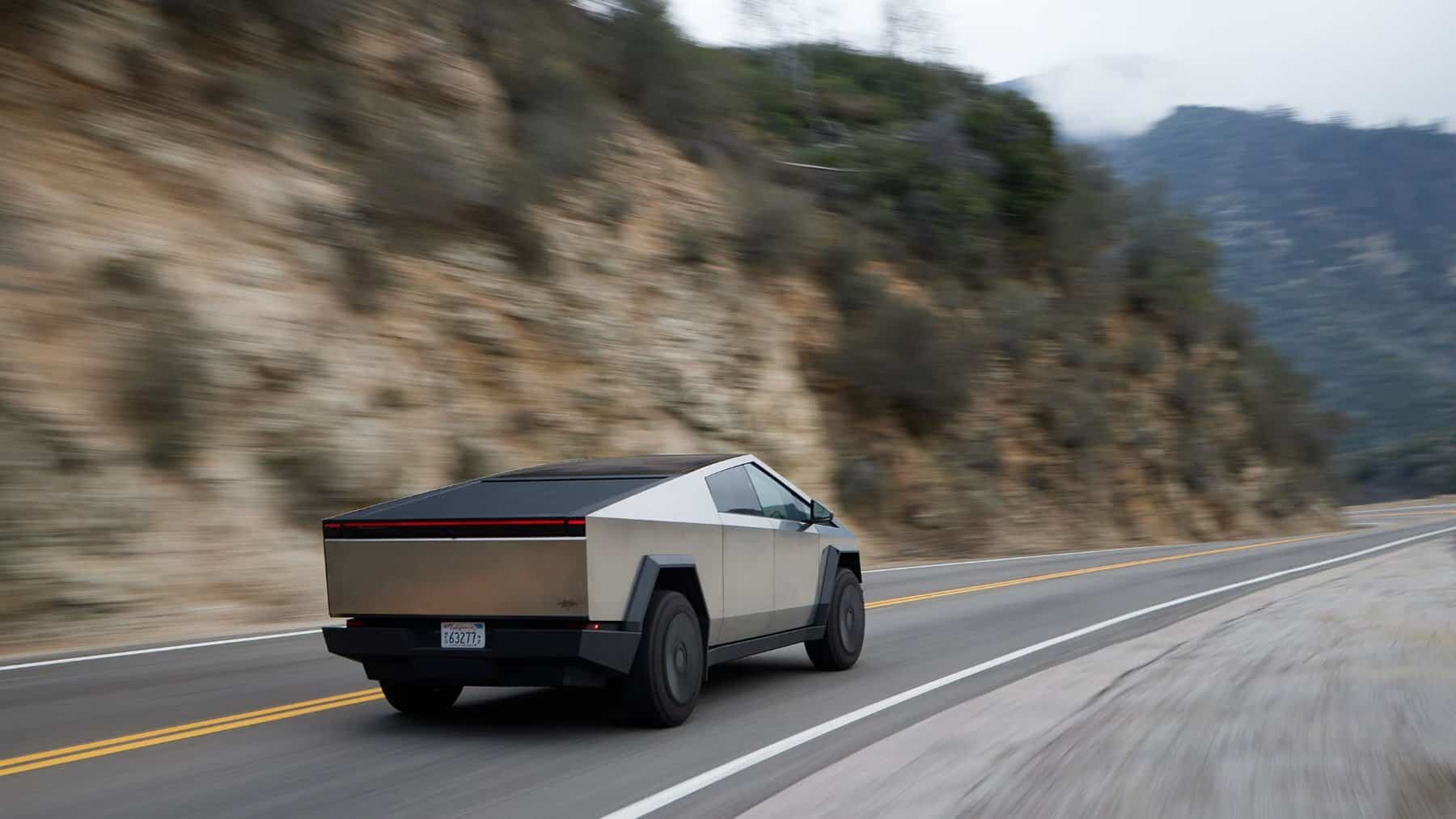
More and more automakers are looking for ways to produce cheaper EVs, but Tesla seems more focused on its robots and robotaxis. It feels like Tesla is losing its focus, leading to even more troublesome products. Its commuter cars have questionable features that lead to safety concerns, its Cybercab service is falling way far behind as other brands advance, and its robots can barely perform any functions at all unless operated by a human behind the scenes. As Americans demand affordable EVs, Tesla keeps hinting at some Cybertruck SUV monstrosity.
If there wasn’t some immense loyalty to Elon Musk from a strange subset of Americans, would Tesla’s products actually stand a chance as the market changes?