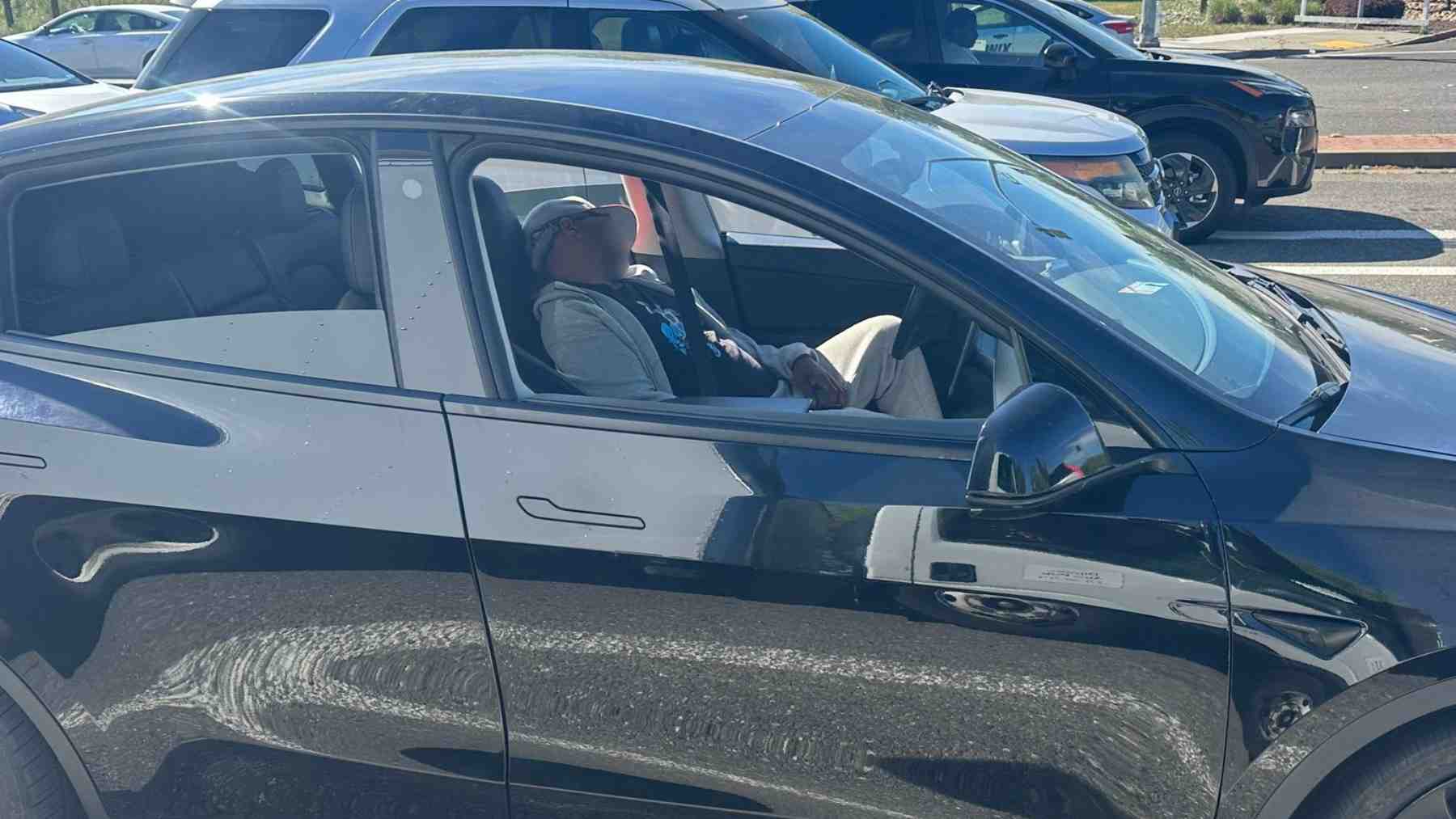

- A California Tesla driver just proved the hard way that "Full Self-driving" won't save you from a DUI — police arrested him unconscious behind the wheel while his car cruised through busy city streets.
- What most EV owners don't realize is that Tesla's FSD legally makes you fully responsible for every red light run, every speed violation, and every wreck, buzzed or not.
- The twist is that true hands-free, no-pedals Level 4 autonomy could eventually make the designated driver obsolete — but that legal threshold is closer than most people think, and understanding the difference could keep you out of jail tonight.
A lot of really great bars aren’t within walking distance of residential areas due to zoning regulations, historical sites, and other factors. Traditionally, cabs or designated drivers were the sensible way home at the end of a drinking session, but now self-driving cars are a thing, you can just have your Tesla take you home, right?
Wrong. As one Tesla driver recently found out in California, you will be arrested and likely charged with a DUI if you’re caught behind the wheel of a self-driving car while over the limit. The Vacaville Police Department managed to stop the vehicle after a member of the public reported it was being driven by an unconscious man behind the wheel.
Initially suspecting the man had suffered an emergency, the Police located the vehicle with the caller’s help and brought it to a stop. In a Facebook post following the incident, the police department claimed that the fact “the vehicle was still moving through busy city streets” was a bigger concern.
Admittedly, the Tesla driver in question did himself no favors by napping at the wheel, but even if you’re fully conscious, you’ll be breaking the law.


Tesla’s “Full Self Driving” isn’t actually full self-driving. In fact, the company has had to rename the “Autopilot” feature in California because it was ruled to be misleading. So if you’re using FSD, you’re still responsible for what that vehicle does. If it runs a red light and t-bones someone, you’re the one at fault. If it whips past a cop at 110 mph, you’re the one getting the ticket. And if you’re absolutely sloshed and caught behind the wheel of your Tesla, you’re going to jail.
Of course, this doesn’t just apply to Tesla. While Elon Musk’s company has made a big song and dance about its self-driving system, other companies have also invested heavily in the tech. It’s great for taking the sting out of road trips, but you’ll fall into the same legal trouble if you try to make it drive you home after an evening on the sauce. Though the technology is advancing pretty rapidly, and things could change in the near future.
We will probably see cars take over from designated drivers soon
While a “self-driving” vehicle won’t save you from a DUI at the moment, the chances are the rules will change over the next few years. At present, most jurisdictions will charge you if you’re deemed to be operating or otherwise in charge of the operation of a vehicle while your blood alcohol level is over that state’s limit. It’s the same reason you can get arrested while in the passenger seat if a learner driver is chauffeuring you around while drunk, or even arrested for trying to sleep it off inside the vehicle with the keys on you in some places.
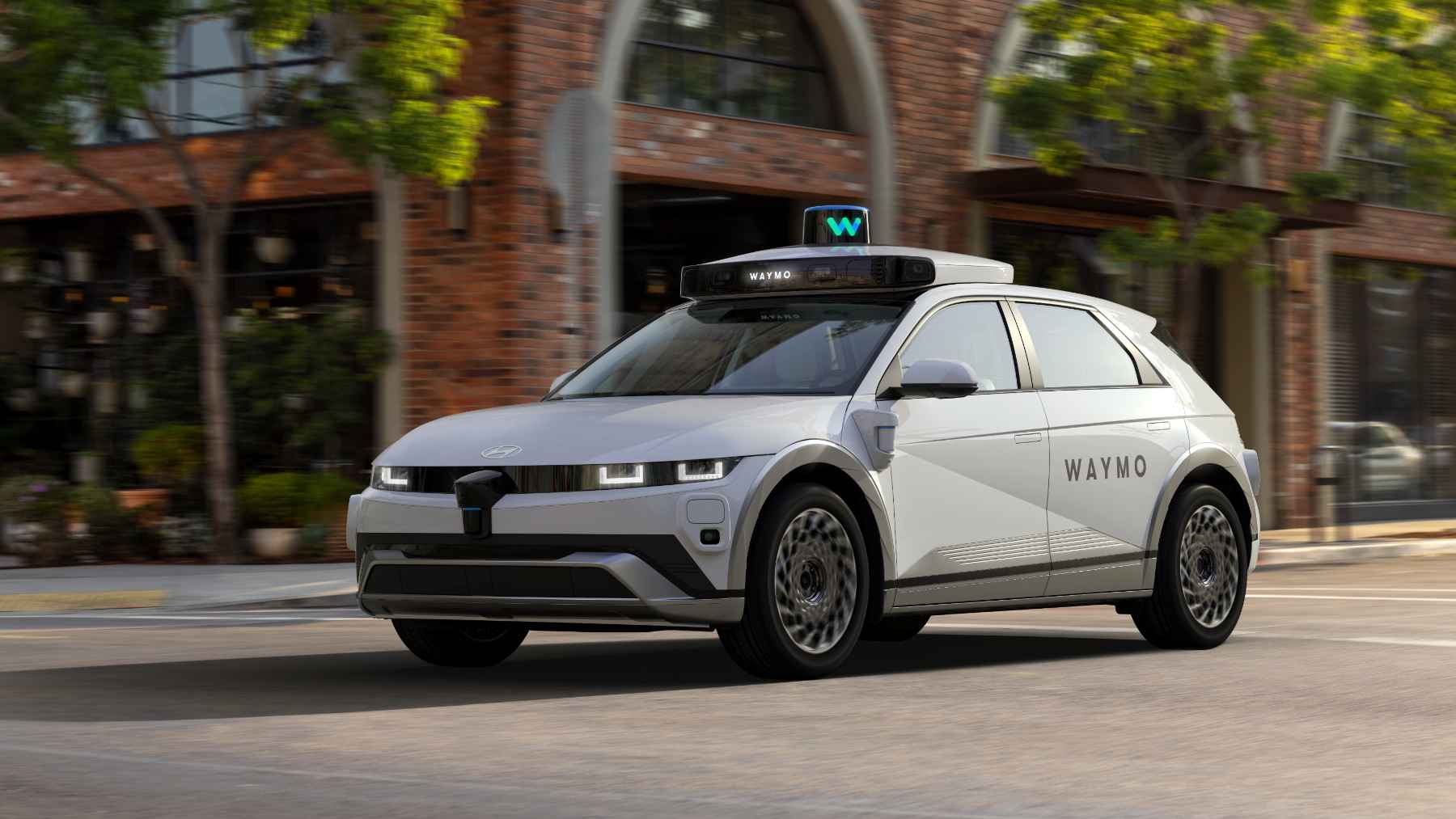
In a “Level 4” autonomous vehicle, the kind that doesn’t have pedals or a steering wheel, you can’t be in charge of the car. Even when you’re sober, you have no way of physically controlling what that vehicle does. So these vehicles will likely be fine to ride in once you’ve had a few. The same goes for self-driving taxis. It’s unlikely Uber or Waymo is going to breathalyze you before you hop in for a ride, and you aren’t the one driving anyway.
With that being said, US laws are a bit of a patchwork, and different jurisdictions will almost certainly see things differently. Both with regard to sitting in a self-driving car while drunk, and with self-driving cars in general. And things get a little blurrier the further you move down the self-driving pyramid.
Level 3 self-driving cars are where things get a little shaky. As they’re capable of operating without driver input, but can also be driven manually, legislators may be less comfortable giving drunk drivers a pass. Especially if they’re sitting in the driver’s seat.
And Level 2 self-driving, which even leading OEMs like Tesla, GM, and Ford use in some form, is definitely out of the question. In both a legal sense and according to the manufacturer, you are responsible for a Level 2 vehicle, whether it’s “driving itself” or not. Just as you’re responsible for a vehicle when riding shotgun with a learner behind the wheel. This is almost certainly not going to change.
Still, hopefully, lawmakers are ready to embrace technology in this kind of legislation. Despite crackdowns, drunk driving is still a major issue and a significant cause of road deaths. Some estimates show up to 30% of fatalities on US roads involve at least one person who is under the influence of drugs or alcohol.
Ubers are expensive, and people are a bit stupid when they’ve had a few. Giving them a safe and easy way to get home will almost certainly reduce incidents and could save hundreds of lives. Then again, when have politicians ever been sensible? Especially when it comes to touchy issues that can easily be spun into soundbites.