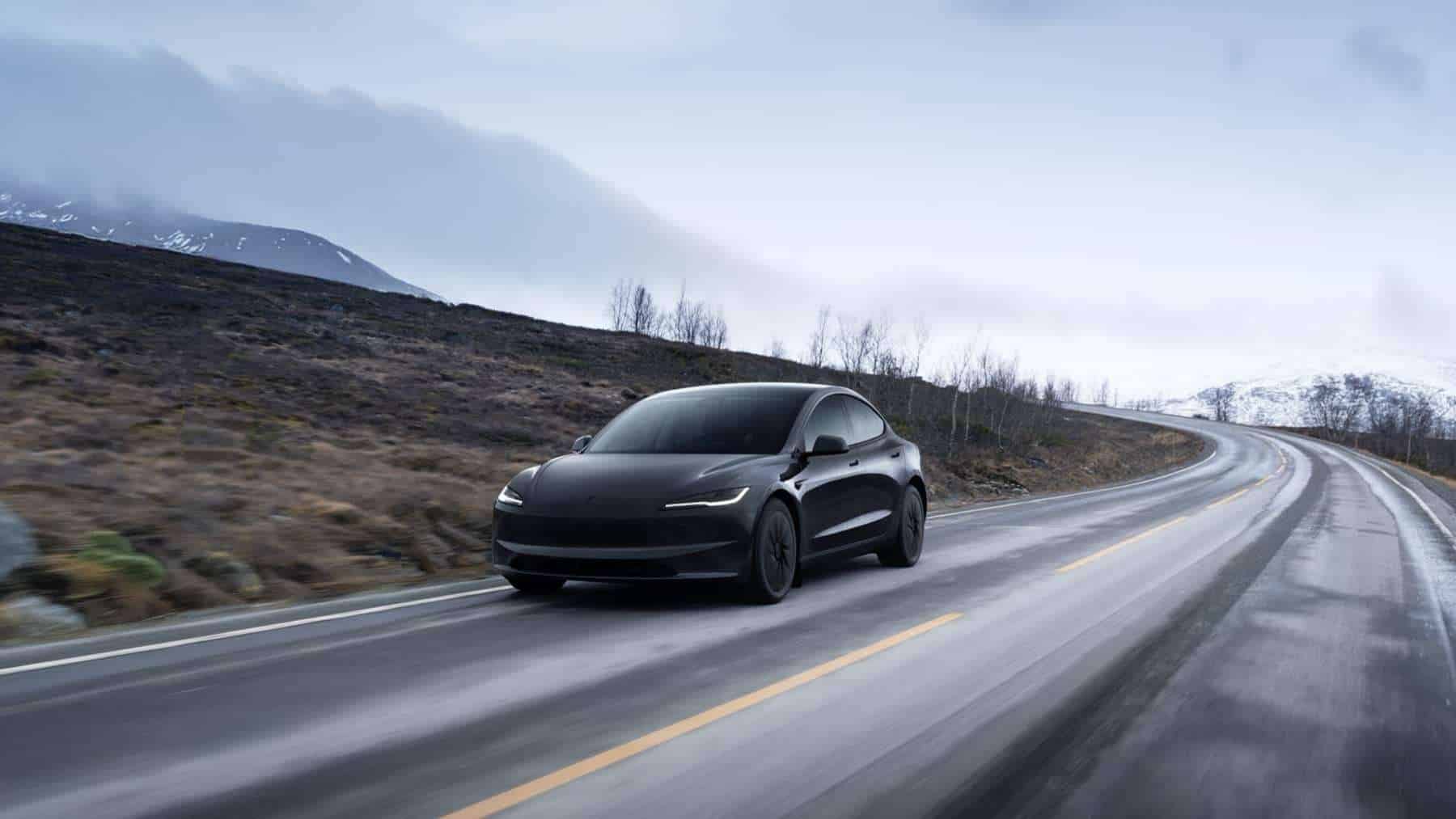

Tesla has started disabling Full Self-Driving mode on vehicles worldwide.
While every Tesla model comes with Full Self-Driving mode hardware, the software can only be activated in compliance with each country’s regulations. Outside of the United States, FSD has not received full approval due to ongoing safety issues, traffic laws, and data privacy requirements. I mean, when FSD is nowhere near the capabilities Elon Musk claims it has, I can see why entire countries would be wary of it. But it hasn’t stopped individual drivers from wanting to test it out for themselves.
Now, Tesla has disabled FSD in vehicles across Europe, the UK, China, Japan, and South Korea.
Should Tesla be allowed to disable vehicle features remotely without permission?
With electric cars pushing the boundaries of tech and connectivity, there is also more room for hacking. Some hackers in Poland and Ukraine started distributing a module that can geo-spoof your EV when it’s plugged into the CAN bus. Drivers would just say they are in the United States, allowing them full access to Full Self-Driving mode. Apparently, over 10,000 drivers in China installed these kinds of mods, which can cost anywhere from $700 to $2,000.
Tesla quickly put together a plan. Drivers received in-car notifications and emails warning them that they were violating the automaker’s terms of service by compromising safety systems and exposing the vehicle to cybersecurity risks. These vehicles would then have the Full Self-Driving capabilities disabled — no refunds.
This is not the first time that Tesla has disabled and restricted features remotely. The company has a history of disabling third-party devices and modules, often framing it as a safety or security concern.
In 2016, Tencen’s Keen Security Lab had researchers remotely controlling a Model S from 12 miles away, which Tesla considered a hack and immediately disabled remote access. Chechen leader Ramzan Kadyrov then claimed in 2024 that his Cybertruck was remotely disabled after Tesla learned it was equipped with a machine gun. In 2025, Tesla faced a class-action lawsuit for remotely draining Powerwall 2 batteries rather than offering a refund following a recall, leaving owners with no power. The complaint read: “Rather than immediately providing full refunds or prompt replacement with non-defective units, Tesla has remotely accessed affected Powerwall 2 systems and discharged or limited their battery charge to near-zero levels to reduce the risk of overheating.”
It raises the question: should Tesla — and other automakers — have access to your vehicle like that? In 2023, Tesla came under fire after employees were exposed for sharing videos captured by owners’ vehicle cameras. A Reuters report said employees could see them doing laundry, playing with their kids, and engaging in other “intimate things.” Electric vehicles with cameras, especially ones with autonomous driving capabilities, have a ton of gathered data that the carmaker has access to. While some weirdos have said that Musk is the most “trustworthy” tech executive (I’d love to see the reasoning for this), others have expressed concern: “I’ve opted out of data sharing, and the camera has black electrical tape over it. Prevents FSD use, but oh well.”
While Tesla is within its rights to fight against software hacks, the ability to remotely disable vehicle features is a concern. Tesla can do all kinds of things from afar, including permanently revoking a paid feature, without the owner’s consent. It can even take full control of a Cybercab mid-drive. That kind of control over a purchased product is concerning as we move further into an electric and connected world.