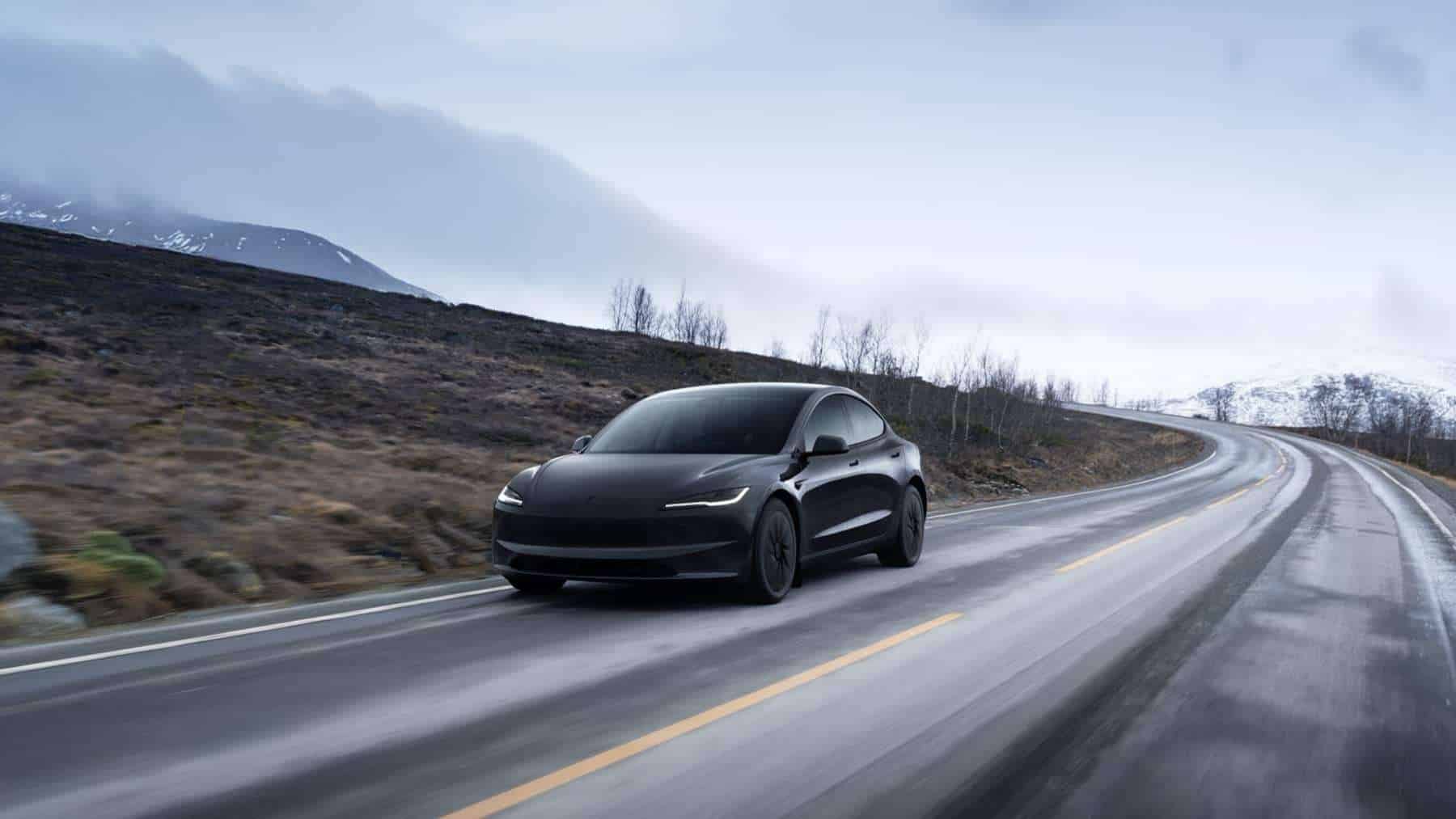

Tesla has just dodged a massive recall after the National Highway Traffic Safety Administration (NHTSA) investigated a petition from drivers that claimed some of the EVs were unsafe. This doesn’t mean Tesla is totally out of the clear, however.
Back in 2023, a petition claimed that Tesla vehicles had a risk of pedal misapplication, potentially leading to unintended acceleration due to features like one-pedal driving. The petition demanded a recall of all Tesla vehicles produced since 2013, arguing that they require safeguards to keep drivers safe.
The NHTSA looked into the claims, with Tesla awaiting word on whether a recall would be needed that would affect 2.26 million vehicles. Now, a few years later, the NHTSA stated that it couldn’t find any evidence of a defect or safety risk. There were not enough incidents to prove Tesla vehicles weren’t working properly. While the petition asked that Tesla vehicles require drivers to press the brake pedal before stopping, the NHTSA pointed out that one-pedal driving is a common feature of electric vehicles, not just Tesla vehicles.
It’s a W for Elon Musk, but it’s not even one of Tesla’s biggest issues right now.
Tesla safe from one lawsuit, but others are ongoing with FSD and door handles
Tesla is currently facing multiple investigations and lawsuits.
California recently demanded that Tesla change the name of its “Full Self-Driving” system since it’s misleading. It’s a Level 2 Self-Driving program, which means humans still need to keep their eyes on the road in case they have to jump in. It’s a system that many other modern vehicle models have, but other automakers call it things like “SuperCruise.” It’s part of a bigger issue that NHTSA has been looking into — an investigation that escalated in the last few days. Since FSD can’t handle reduced visibility conditions too well, there could be a recall on over 3.2 million vehicles with this system.
NHTSA recently found that Full Self-Driving’s degradation detection system often fails to warn drivers when its cameras are blinded by conditions like sun glare, dust, and fog — conditions you’ll encounter quite often. In these instances, the NHTSA found that Tesla vehicles lost track or completely missed other cars, essentially going blind. Right now, NHTSA is running an Engineering Analysis on the feature, meaning it will be conducting technical testing and other in-depth investigations into various incidents for the next 18 months or so. The next step is often a recall.
The automaker is well aware of this investigation, having submitted a Standard General Order (SGO) report 7 months after a 2023 fatal crash caused by failures in Full Self-Driving mode. Tesla started developing an update to its degradation detection system, which the automaker itself later admitted this update wouldn’t have really helped in most of the previous incidents from its FSD. For the past few years, Tesla has continued to avoid providing data surrounding the FSD-related accidents, something the carmaker has also been doing with requested data for FSD-related traffic violation data. It’s believed Tesla may be underreporting crashes related to FSD failures.
This is the third investigation NHTSA has done into Full Self-Driving mode. Despite concerns about the limitations and issues with FSD, Musk has continued to promise that an unsupervised version of Full Self-Driving is coming. He claims that the Model Y robotaxis in Austin are currently using this program without a follow car driving in tow.
It’s taken a while for Tesla’s robotaxis to even get to this point, even though it claimed a while ago that its Cybercabs were coming — and spreading throughout the United States. The Cybercab still doesn’t exist, and rides in the Model Y robotaxi are still far and in between in Austin. Meanwhile, other electric vehicle brands are looking into the robotaxi space themselves, with Rivian and Lucid both partnering with Uber this month.
Tesla is also facing a lawsuit in the United States over its electronic door handles, which have already been banned in China. This is another safety concern that has been plaguing Tesla, with electric door handles causing drivers to get trapped inside malfunctioning vehicles after dangerous crashes. In some cases, this has led to victims dying inside the car.
Meanwhile, Musk is eyeing future robot projects as he grows tired of the commuter-car scene.