
- BAIC Group's sodium-ion prototype recharges fully in 11 minutes and works in temperatures from -40°F to 140°F, which quietly solves two of the biggest real-world complaints about EVs while the industry keeps chasing solid-state unicorns.
- What makes this harder to dismiss as vaporware is that CATL and Changan already have a sodium-ion vehicle in mass production, with a 50% range increase projected in the near term.
- Meanwhile, lithium-sulfur tech is hitting 600 Wh/kg in labs — rivaling solid-state energy density — using sulfur, an element we literally treat as industrial waste.
- If you're timing an EV purchase or betting on where the market is headed, the real breakthroughs might not come from the technology getting all the headlines.
Solid state battery technology promises a lot, but it’s one of those things that always seems to be a few years away. Yes, a Chinese company has posted some promising results and Donut Labs is making a lot of noise. But the revolutionary battery tech always seems to be a few years away. Luckily, some companies are going in different directions and getting faster results in the process.
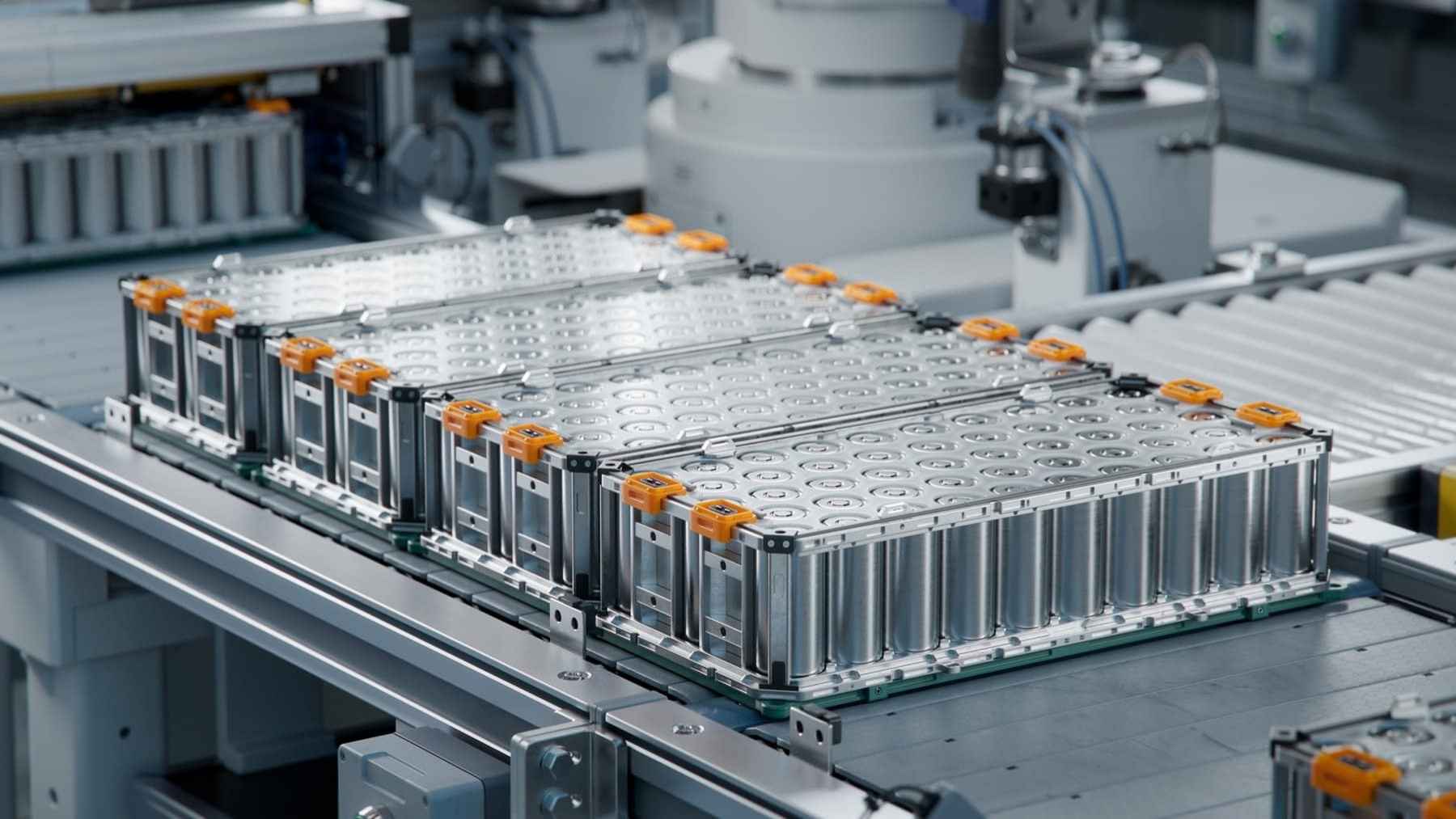
Chinese conglomerate BAIC Group recently posted some significant sodium-ion battery related news on Chinese social media platform WeChat. The company claims to have a prototype that exceeds 170 Wh/kg and can give a smaller vehicle a range of up to 280 miles. Over 20 new patents have allegedly been filed on the prototype battery’s materials, electrolytes, and system integration.
While that range may not sound impressive, the prototype battery can also fully recharge in as little as 11 minutes. So while the overall range may be average, range anxiety may finally disappear when people can fill up in the time it takes to grab a Slim Jim and a gas station coffee.
The prototype sodium-ion battery also has a broader temperature range than the lithium-based batteries it may replace. Apparently it can function effectively in temperatures between -40 C (-40F) and 60 C (140f), which essentially covers everywhere people actually live on the planet all year round. The battery can also maintain an impressive 92% of its energy in temperatures as low as -20 C (-4f).


Beyond all of this, you have the fact that this battery uses sodium instead of lithium. Sodium is pretty plentiful, in fact you probably eat too much of it let alone anything else. As a result, it’s a cheaper, more stable, and more environmentally friendly alternative to the main material we currently use for the majority of high performance batteries.
Now, you can say “yeah, but it’s just a prototype,” and yes it is. But another pair of Chinese companies, CATL & Changan, have already launched a mass-production vehicle that uses a sodium-ion battery. The production model only has a 250-mile range, but the companies predict this increasing by up to 50% over the next couple of years as sodium-ion production matures.
Sodium-Ion isn’t the only way either
While sodium-ion has sustainability, fast-charging, and temperature tolerance down, it’s falling short in one key department. Energy density.
The energy density of solid-state batteries are one of the main reasons manufacturers are chasing the tech so hard. But there is another candidate with similar energy density to solid state (in theory) and some sustainability benefits too. Lithium-sulfur batteries replace rare-earth metals like cobalt and other materials like nickel with sulfur. An abundant element that often crops up as an industrial byproduct.
The Fraunhofer Institute has recently published research suggesting Li-S specific energy density has been pushed past 600 Wh/kg in lab settings, so the technology is getting there. Unfortunately, the main issue with Lithium-sulfur is degradation. Polysulfide formation can ruin a battery in as few as 50 charge cycles, but this issue is being tackled too.
The Norwegian University of Science and Technology has filed a patent for a “HiSep-II” smart filter which blocks out the sulfides and boosts charging cycles to 1,000. Still nowhere near enough for a phone or production vehicle, but a step in the right direction.
Energy density is very important because it gives manufacturers (and customers) a choice. They can essentially double the range of a vehicle while doing little else, or halve the not insignificant weight of its battery pack. So once a battery with double the current energy density becomes viable, we’ll likely be seeing a lot of 1000+ mile range EVs, along with lighter, faster, and more agile EVs that also have a longer range thanks to the weight loss.
Another promising tech uses silicon in place of the graphite current batteries use. The silicon can absorb more lithium ions than graphite, which again increases energy density and also massively boosts charging speeds. The issue is, silicon anodes were prone to swelling and cracking during charging, which made them a bit useless. That problem has apparently been fixed, as we’re seeing the cells on the road in 2026. Mercedes is apparently heavily invested in this particular battery tech.
Why a solid state battery is still the Holy Grail
While there are alternatives which are likely to vastly improve EVs in the coming years, a true solid state battery is still the Holy Grail of battery tech. Solid state offers so many advantages in so many directions that it’s pretty much impossible to beat.
Let’s start with energy density, that’s how much power it can store by weight. Solid state has around double the energy density of lithium-ion and similar batteries. This means pound for pound, the solid state option packs in more power. So it matches the lithium-sulfur option on its best day right off the bat.
Then there’s the safety aspect. While The Verge recently published a piece criticizing Donut Labs’ solid state battery for not being able to hold as much charge after suffering catastrophic damage, it was a pretty unfair take. The fact the battery managed to operate at 50% capacity after losing its vacuum seal and suffering other abuse is pretty astounding. For reference, a lithium-ion cell would almost certainly be on fire in similar circumstances.
Beyond regular damage, solid state batteries are more robust in basically every way. They handle both heat and cold better than conventional, liquid-filled, counterparts.
Faster charging is another area where solid state excels, with some reports claiming batteries can go from 10 to 80% in as little as three minutes. They can also handle more charge cycles, so many more in fact that you’d probably only need to replace a functional solid state battery every couple of hundred years. As opposed to every decade or so with the conventional option.
Still, a lot of this is still theoretical. And despite promising tests from the likes of Donut Labs and some Chinese companies, skepticism is still abound.